The essence of discussion of the new rayon division should be not rayon number, but their content, - Vyacheslav Nehoda
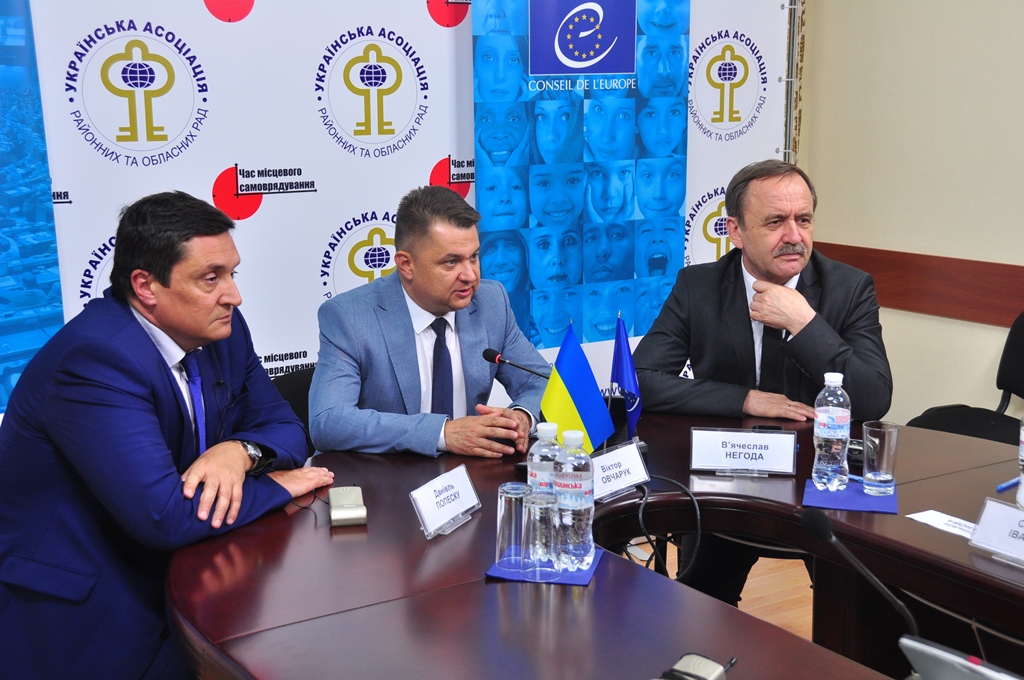
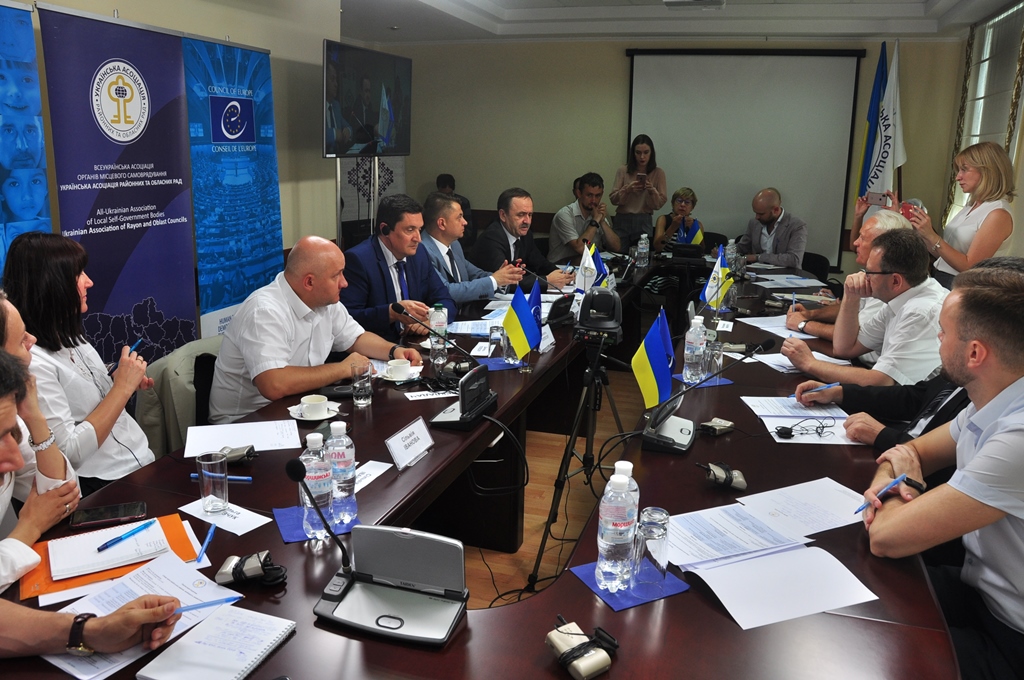
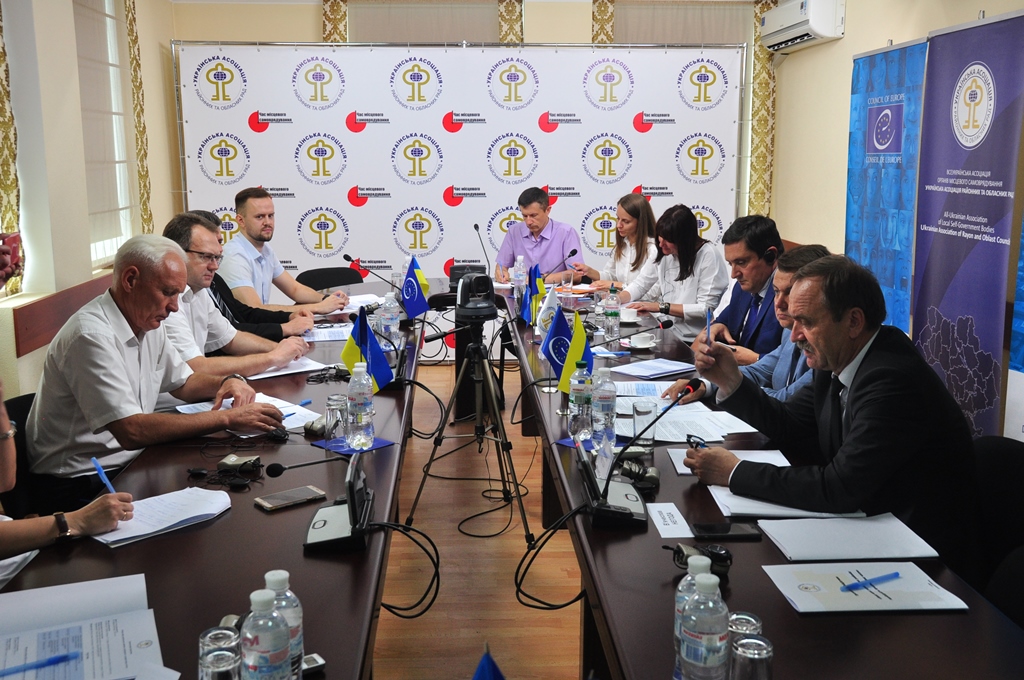
Back in 2014, Ukraine was one of the sixth most centralised European countries, and today it has reached the European average indicators, thanks to the effective implementation of the decentralisation reform. An important stage, along with the formation of capable hromadas, is the formation of new rayons that will meet modern needs, said Daniel Popescu, Head of the Democratic Governance Department at Council of Europe, during the presentation of the initiative “A New Map of Ukrainian Rayons: the Need Dictated by Time”. The event was organised by the Ukrainian Association of Rayon and Oblast Councils in cooperation with the Council of Europe. It was preceded by long-term work on preparation of rayon division model projects in four pilot oblasts of Ukraine – the Volyn, Odesa, Poltava and Chernivtsi ones.
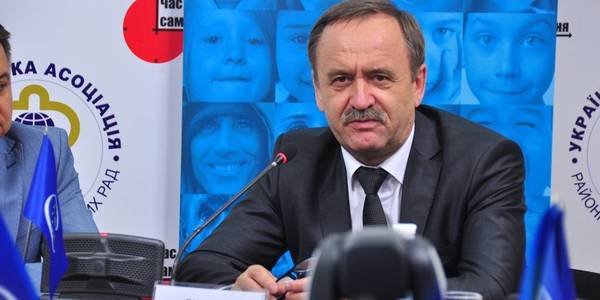
Further, there should be a broad discussion of the proposals and approaches to building future capacities of each oblast by all stakeholders, such as the public, local self-government, and executive authorities. According to Vyacheslav Nehoda, First Deputy Minister of Regional Development, Construction, Housing and Communal Services, the essence of the discussion should not be the number of rayons in the oblasts, but, first of all, the content of new rayons.
“We must jointly develop a vision of what functions will be performed by future rayons, given that 90% of rayon powers are already being fulfilled or will be performed by amalgamated hromadas. They provide the majority of public services to the population. It is logical that those rayons we currently have are already exhausted and we need to build a new, effective model of rayon division. And for this we must put not discussions on the number of rayons in one oblast or another in the first place, but their qualitative content – their future functions at subregional level and executive or local self-government bodies, that will provide them,” said Vyacheslav Nehoda .
He confirmed that formation of an administrative-territorial division in Ukraine is the prerogative of the state. However, according to him, the state is interested in the openness of these processes, and for this purpose a broad informational and explanatory work is needed. It will help to find the best solution for the future rayon division, which is the key for such a decision to be supported by the society and the Parliament.
Vyacheslav Nehoda expressed his gratitude to the Council of Europe for systematic support of decentralisation processes in Ukraine, and called on local self-government associations to initiate an active discussion in the regions on the issues of the effective rayons’ formation.
Attached images:
Tags:
Source:
Прес-центр ініціативи «Децентралізація»
26 October 2026
Відходи не знають меж громад: як громадам створювати спільну систему
Відходи не знають меж громад: як громадам...
Громади, які входять до одного кластера управління відходами, мають домовитися, як організувати збирання та...
26 October 2026
«Свобода бути там, де хочеш»: як соціальне таксі допомагає Людмилі та Олегу пересуватися Дніпром
«Свобода бути там, де хочеш»: як соціальне...
Портал «Децентралізація» продовжує серію матеріалів про рішення громад, які роблять публічні послуги та простори...
26 October 2026
«Держава поруч. Старости»: на початку грудня стартує національна ініціатива
«Держава поруч. Старости»: на початку грудня...
На початку грудня стартує національна ініціатива «Держава поруч. Старости». Вона має наблизити важливі послуги до...
26 October 2026
Як релокована лікарня стала частиною життя громади: досвід Мирнограда й Оринина
Як релокована лікарня стала частиною життя...
Майже два роки тому Мирноградську лікарню з Донецької області евакуювали до села Оринин на Хмельниччині. Медики...