Multilevel governance in practice: Overview of Polaris regional forum
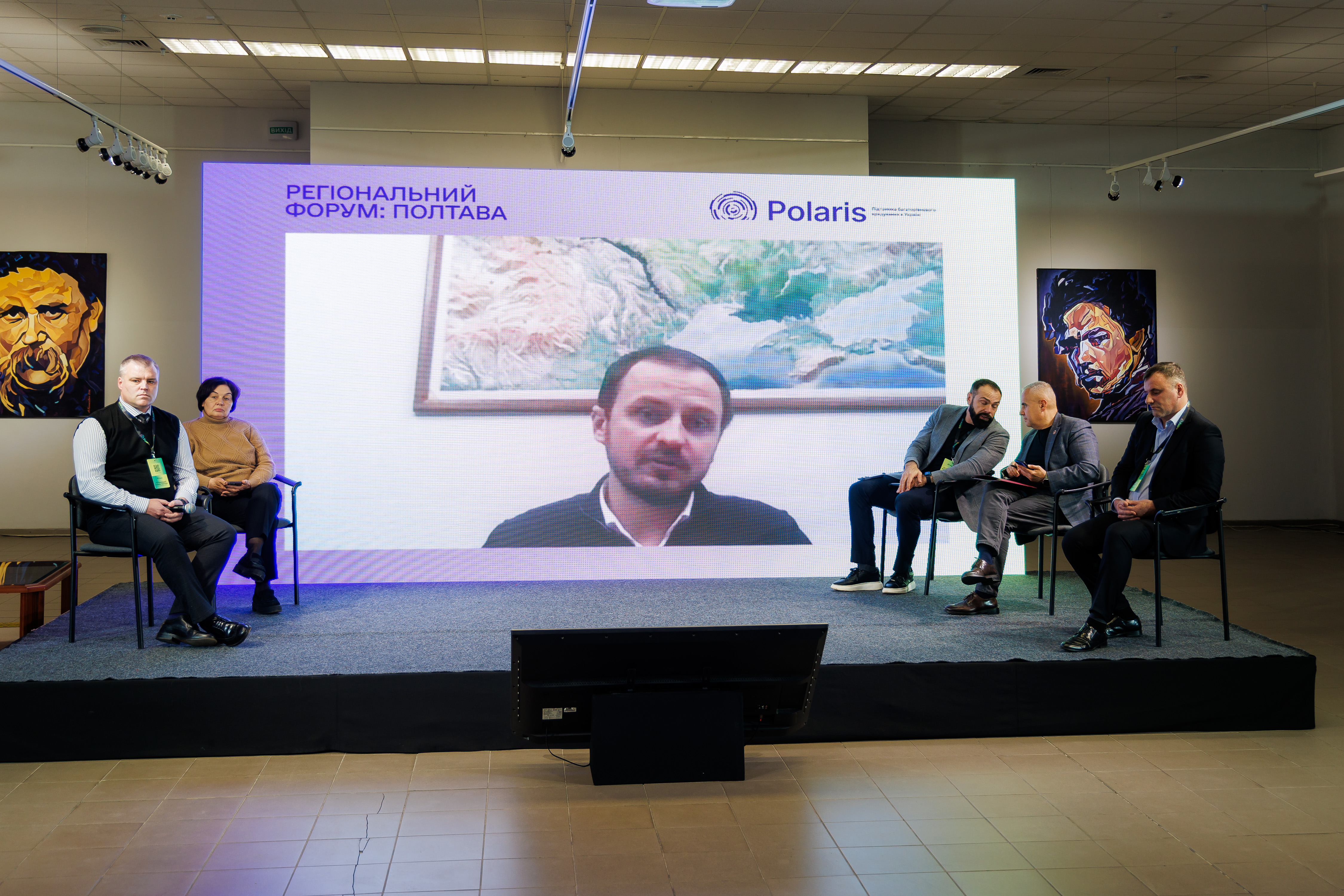
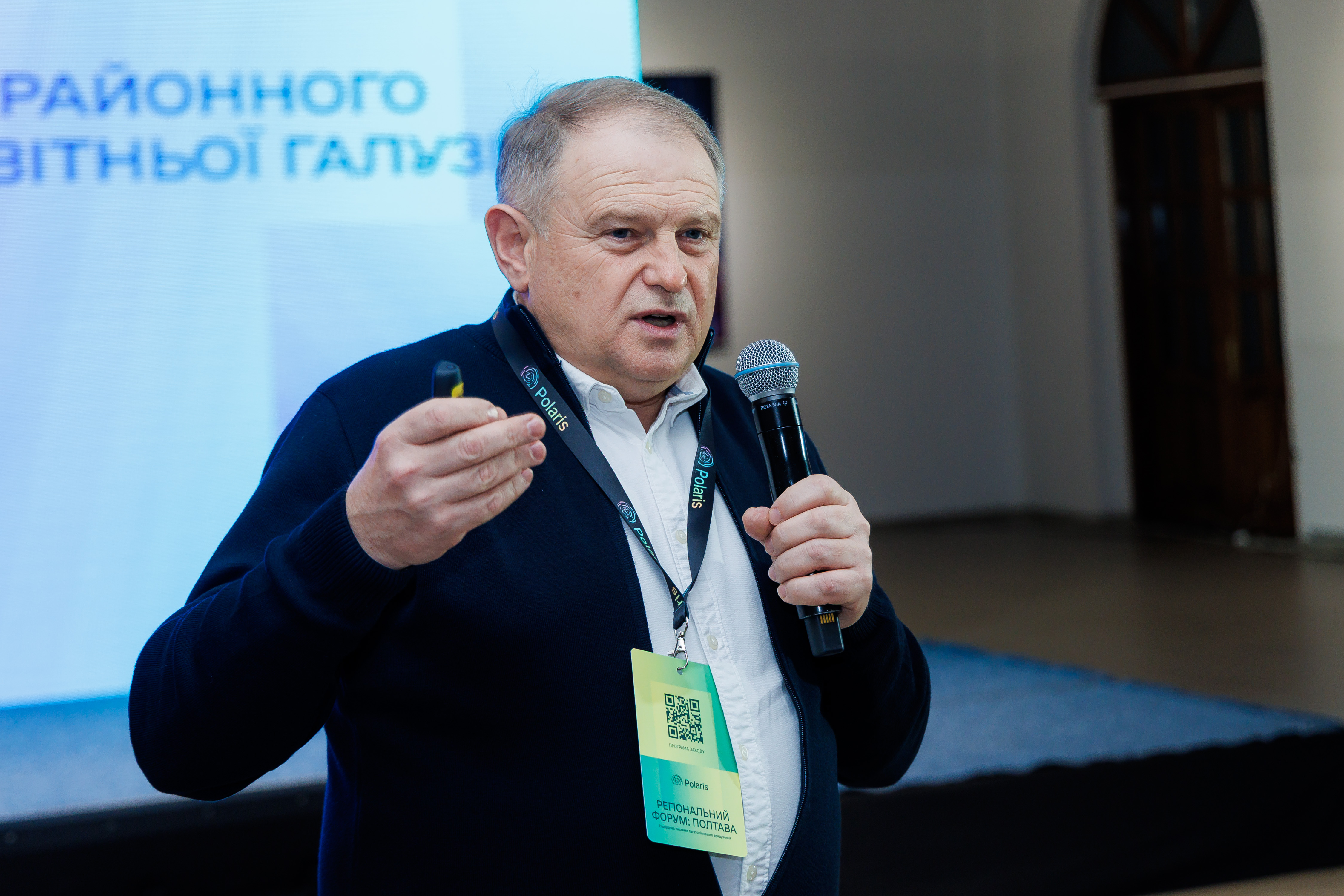
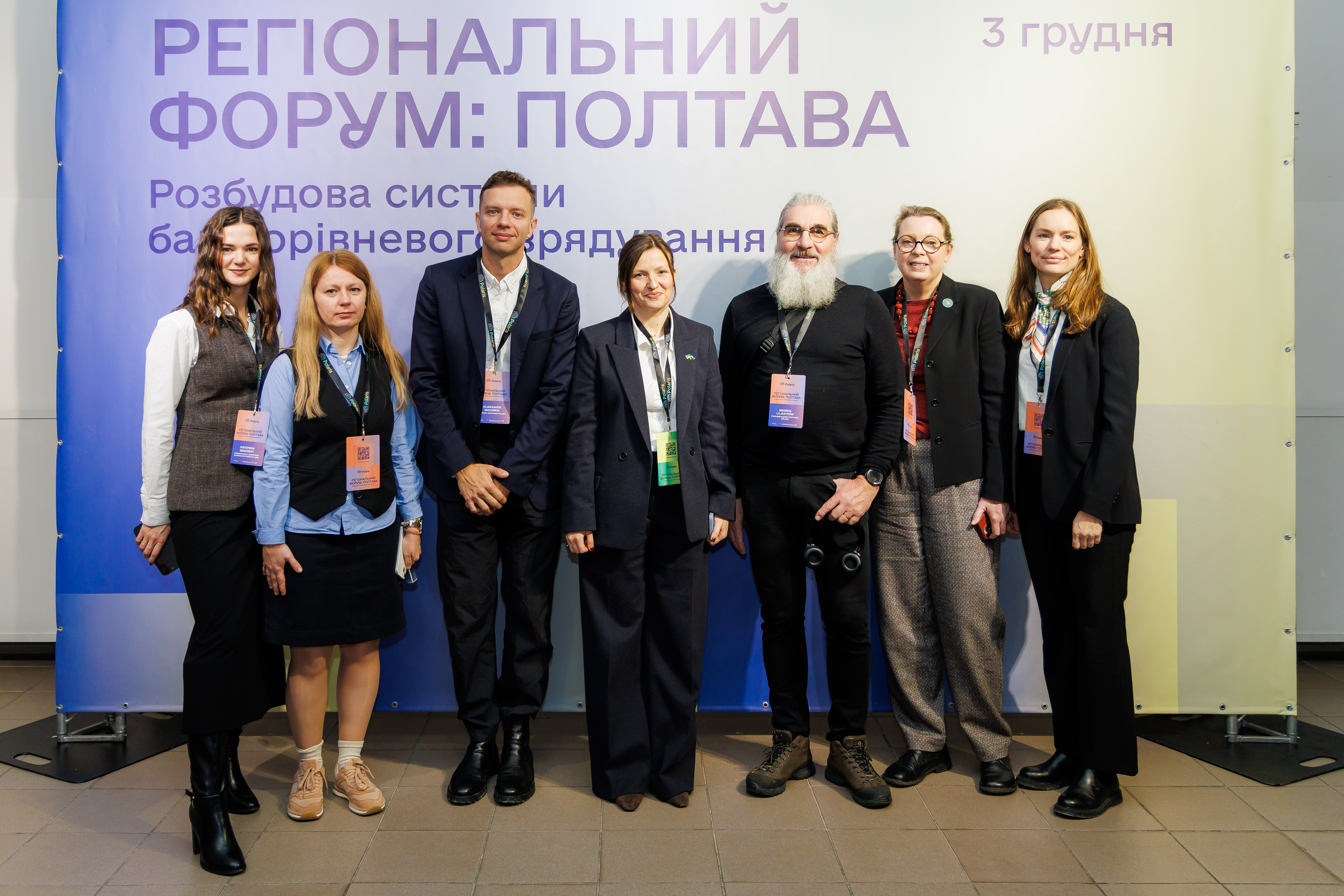
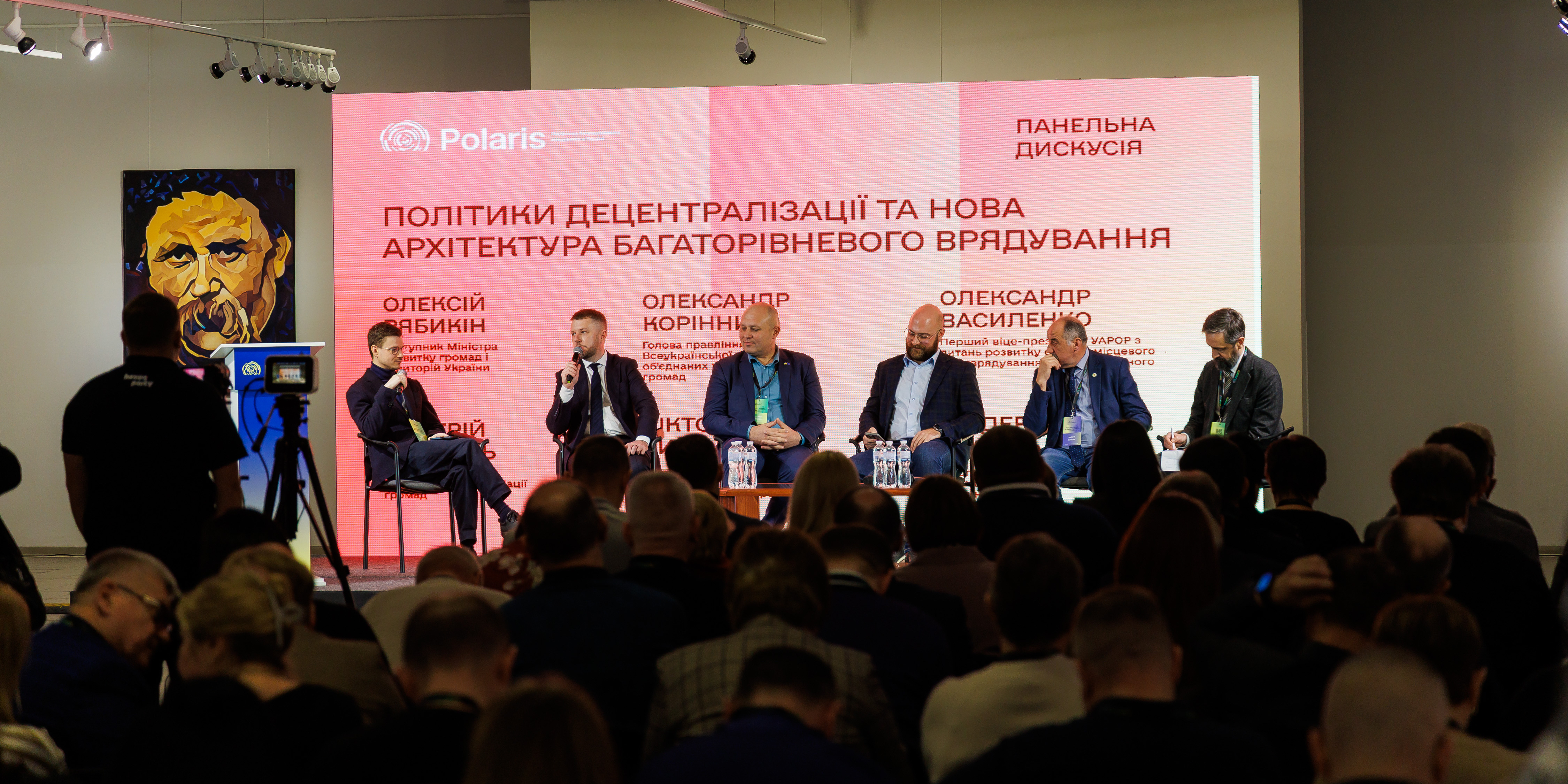
On 3 December, Poltava hosted a regional Forum on the Polaris Programme, titled ‘Building a Multilevel Governance System’. The event brought together representatives from the central government, local self-government, military administrations, professional associations, international organisations, and civil society. The Forum covered the Poltava, Cherkasy, Kharkiv, Sumy and Chernihiv regions, demonstrating the importance of a regional perspective on reform, even during wartime.
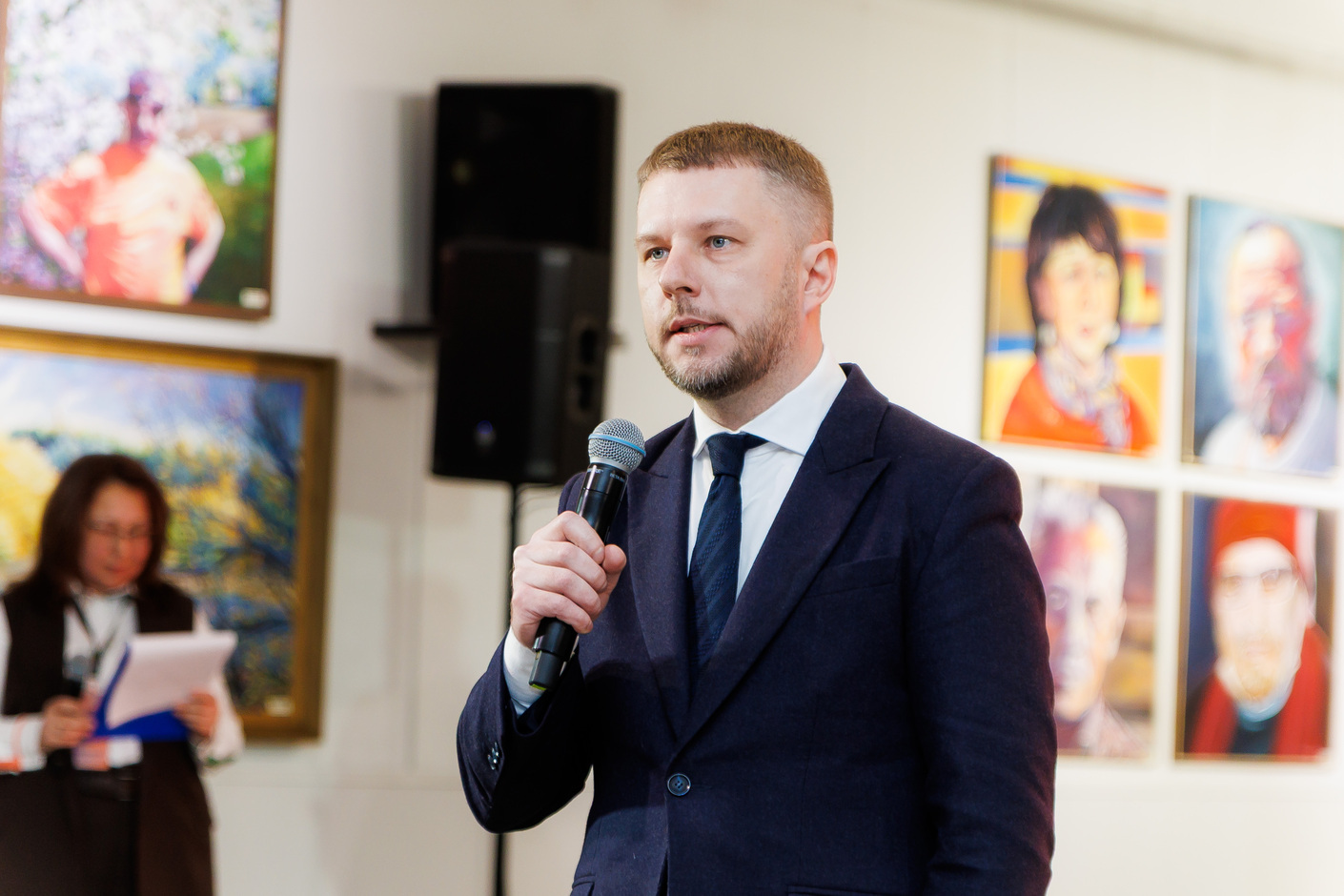
‘The Polaris programme has been a reliable partner in implementing many key reforms. This applies to the delineation of powers, the reform of public utility companies and public investment management. In 2025, significant nationwide progress has been made: all regional strategies have been updated in line with the state regional development strategy, and 95 per cent of communities have either approved their strategies or in the final stages of doing so. Furthermore, more than a thousand communities have approved medium-term plans for priority public investments and formed corresponding project portfolios. This is a key step, as it combines strategic vision with the effective use of resources. This means that funds will be spent more efficiently, and people will notice the difference,’ said Oleksii Riabykin, Deputy Minister for Development of Communities and Territories of Ukraine, in his welcoming speech.
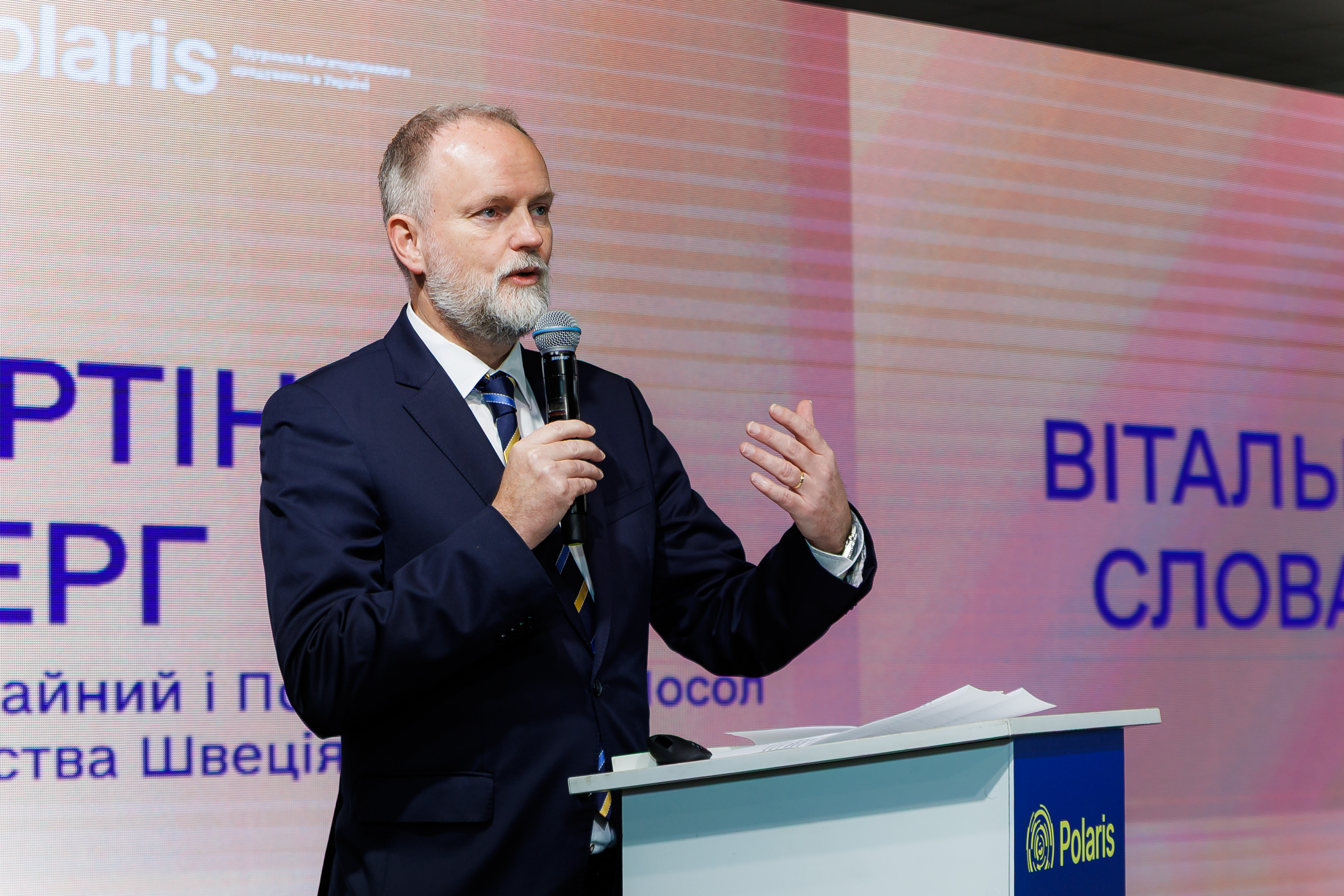
Martin Aberg, Ambassador Extraordinary and Plenipotentiary of the Kingdom of Sweden to Ukraine, emphasised the strategic importance of supporting communities.
Olena Shuliak, Chair of the Verkhovna Rada Committee on Organisation of State Power and Local Self-Government, emphasised the importance of legislative decisions in determining community development, ‘The Parliamentary Committee’s agenda includes several important initiatives that affect every community. Firstly, a draft law on administrative fees is being developed by a dedicated working group. We have also prepared a draft law on self-organisation bodies for consideration. The third initiative relates to housing policy and the potential development of social housing in communities. We are not only preparing for post-war recovery, but also laying the foundations for a modern European country.’
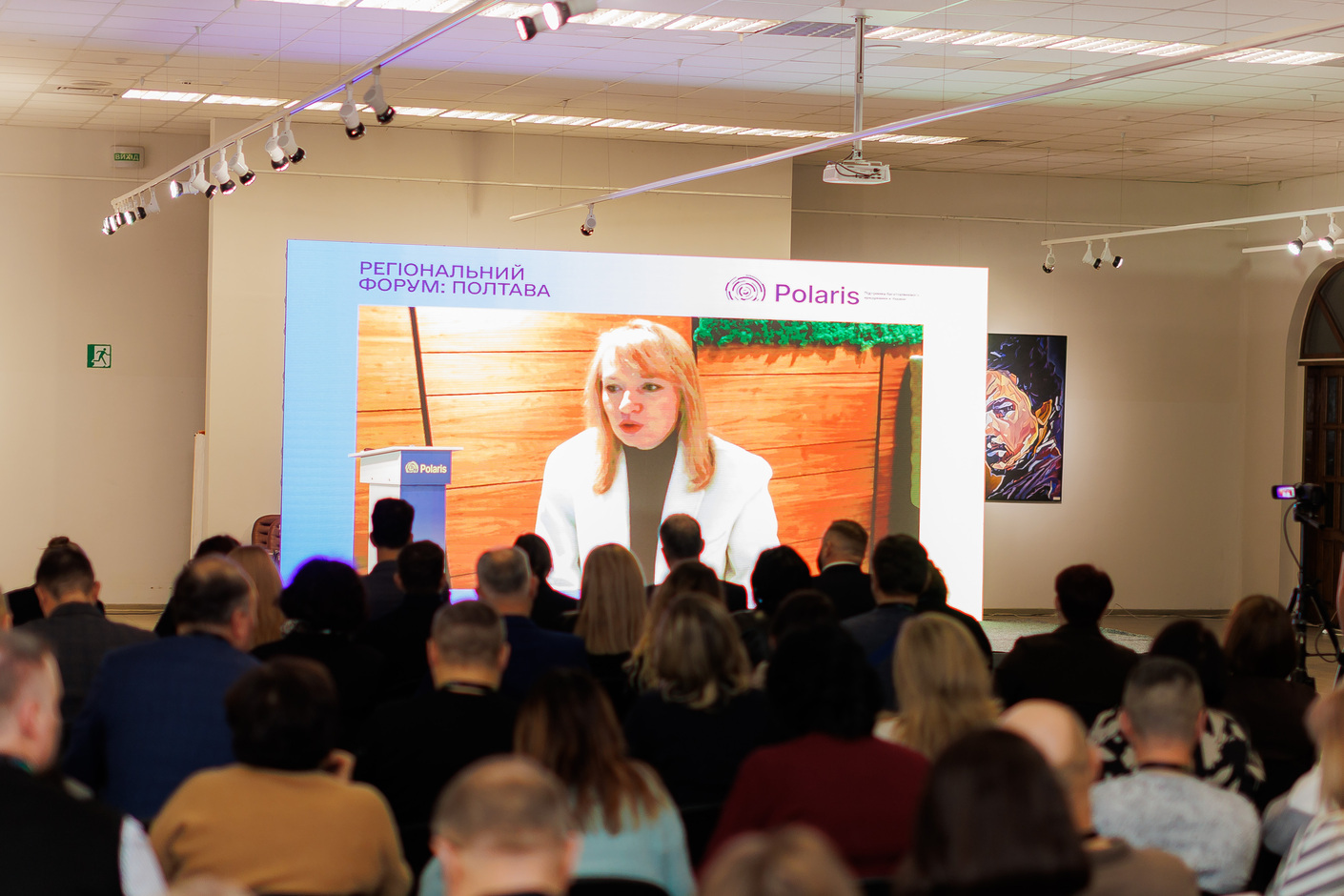
The regional format provided an opportunity to observe the reform in action, hear the voices of communities and experience their perspective, as well as understand how national decisions are implemented at a local level. As Susanna Dellans, Team Leader for Polaris Programme and SALAR International Representative in Ukraine, emphasised, ‘Our goal is to strengthen horizontal dialogue between different levels of governance. The regional focus of the Forum not only promotes discussion of reform in theory, but also demonstrates how it is being implemented in communities. It is here that we can most accurately identify the challenges and determine the most effective models in the context of war and reconstruction.’
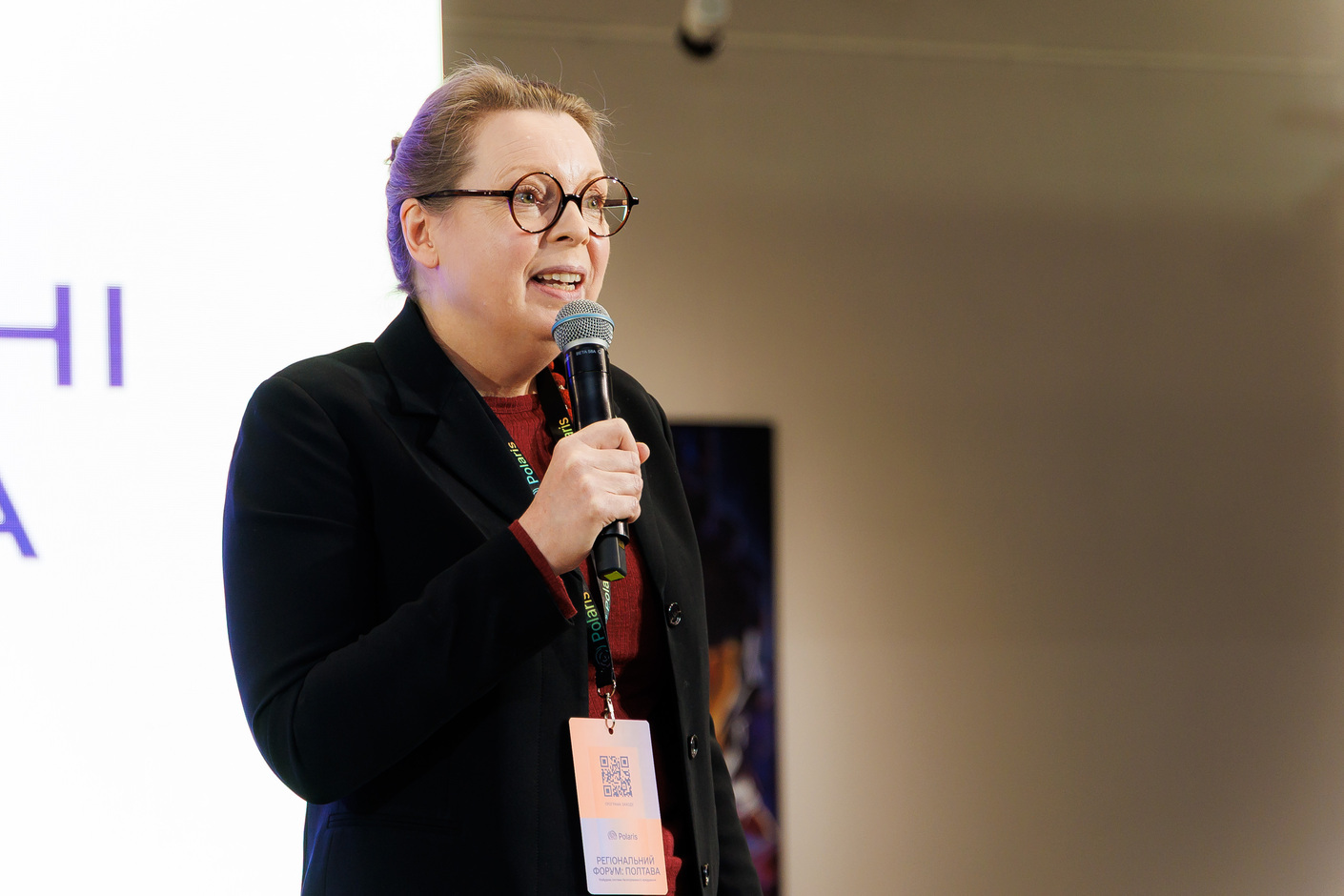
Volodymyr Kohut, Acting Head of the Poltava Regional State Administration, Oleksandr Bilenkyi, Head of the Poltava Regional Council, and Kateryna Yamshchykova, Acting Mayor of Poltava, also addressed the participants with welcoming remarks and emphasised the importance of partnership, exchange of experience, and integration of international practices in the development of communities in the Poltava region.
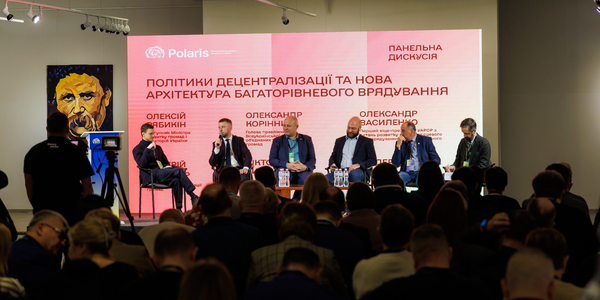
The Forum in Poltava became a large-scale platform for developing joint decisions on how to develop an effective model of multilevel governance in Ukraine. The focus was on key issues of decentralisation, financial stability, international cooperation, strengthening the role of starostas, strategic planning, education and modernisation of administrative services.
Participants agreed that the updated system of powers should be based on the capacity of communities, with roles distributed evenly between the state and local levels. It should also meet the requirements of European integration. They identified transparent rules of state supervision and clearly defined areas of responsibility as key to forming a new structure of power.
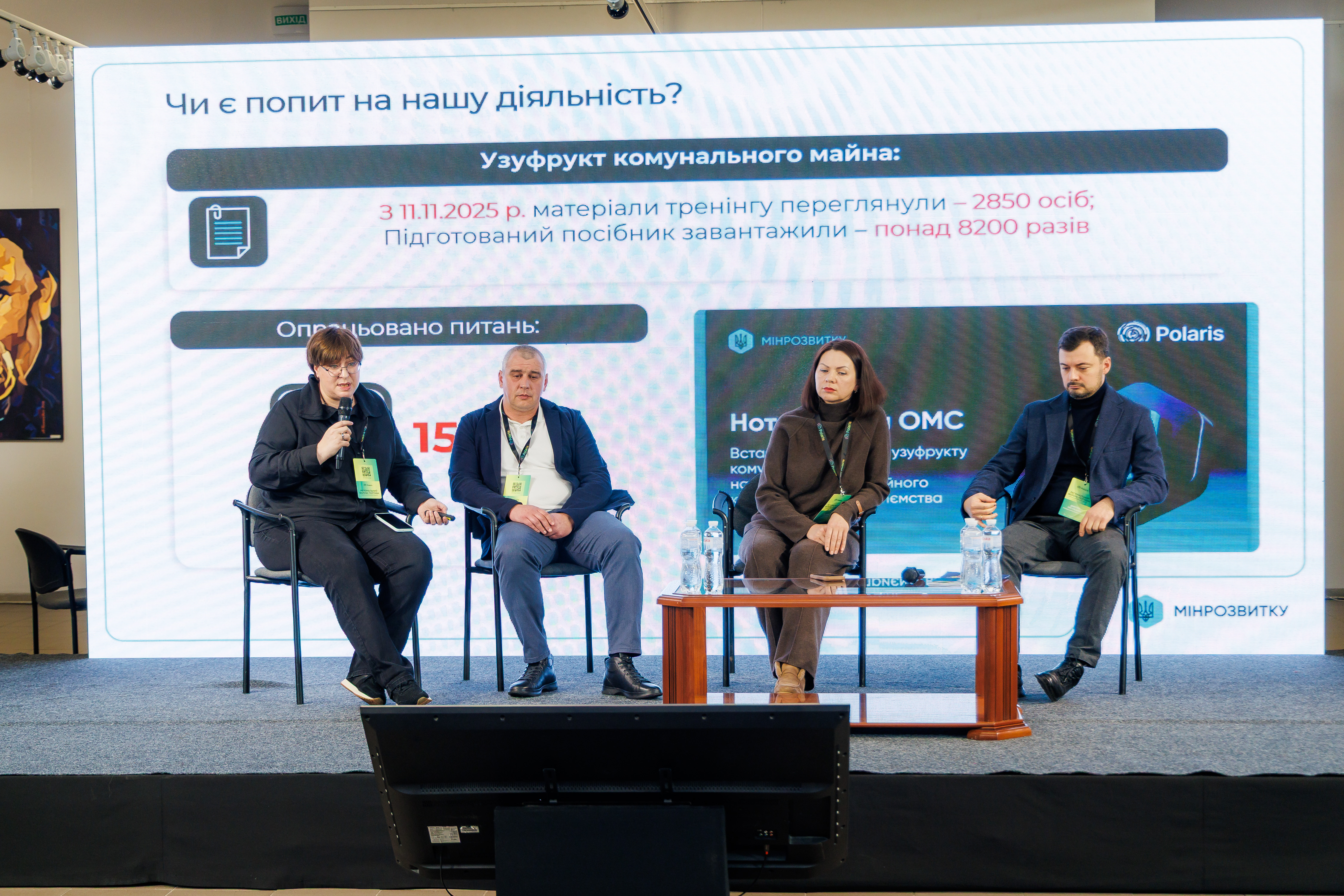
One important area of discussion was how utility companies should adapt to new legislative norms. Communities require practical tools and methodological recommendations to effectively manage property and land, avoid legal risks, and adapt to changes gradually. A set of relevant solutions for local authorities is expected to be presented in the near future.
Considerable attention was paid to the effectiveness of international partnerships as a resource for development. Support from European municipalities, participation in cooperation networks, implementation of joint projects, and exchange of experience provide communities with financial opportunities and help create new institutional models. They also facilitate the implementation of security and social solutions and improve the quality of public services.
Separately, participants focused on the financial sustainability of communities. Budget planning was emphasised as a process based on realistic indicators, strategic vision, and management competencies. Particular emphasis was placed on the role of starostas. As they are familiar with the needs of remote localities, they are well placed to ensure the fair distribution of resources, collect information on local priorities and provide community leaders with quality feedback.
Education, administrative services and recovery planning were also part of the comprehensive discussion. The discussion covered practices for involving the district level in education management, approaches to modernising services in the Administrative Service Centre, and tools for strategic territorial development. Participants emphasised that reconstruction of affected territories is impossible without coordinated cooperation between regions and communities, systematic data collection and partnerships with international organisations.
Summarising the results, participants noted that the power of governance originates in communities. It is there that the initiatives that will determine the future of modern Ukraine are formed. The Forum in Poltava showed that joint work on reforms, interaction between levels of authorities, and the desire of communities to take on more responsibility create a solid foundation for qualitative changes in the regions.
Attached images:
Область:
Полтавська областьSource:
Програма Polaris
09 December 2025
In memory of Ayder Seitosmanov. Words from the team of the Polaris Programme and SALAR International
In memory of Ayder Seitosmanov. Words from the...
On 6 December 2025, our dear friend and colleague Ayder Seitosmanov passed away. Like many of his compatriots, he...
09 December 2025
Сanada-funded Recovery for All (RFA) Project...
With financial support from Global Affairs Canada, the Recovery for All (RFA) project is launching a new call for...
09 December 2025
Триває реалізація проєктів з відновлення за фінансової підтримки ЄІБ
Триває реалізація проєктів з відновлення за...
В Україні триває реалізація 335 проєктів з відновлення на майже 585 млн євро у межах фінансових угод з Європейським...
09 December 2025
Відбулось засідання Координаційного штабу з питань організації роботи Пунктів Незламності
Відбулось засідання Координаційного штабу з...
Під головуванням заступника Міністра розвитку громад та територій України Олексія Рябикіна відбулося...