Locally-led Recovery Planning: How Polaris Strategic Sessions Work
The Polaris Programme continues to provide systematic support to hromadas under its Locally-led Recovery sphere. In November–December, partner hromadas host strategic sessions – public discussions where residents align a shared vision for recovery and development. The outcomes of these discussions form the basis for work on a Comprehensive Spatial Development Plan, an Integrated Development Concept, or a Hromada Development Strategy.
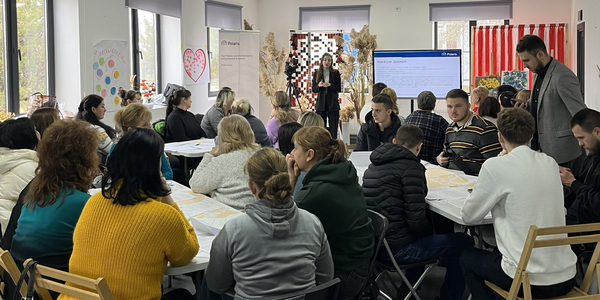
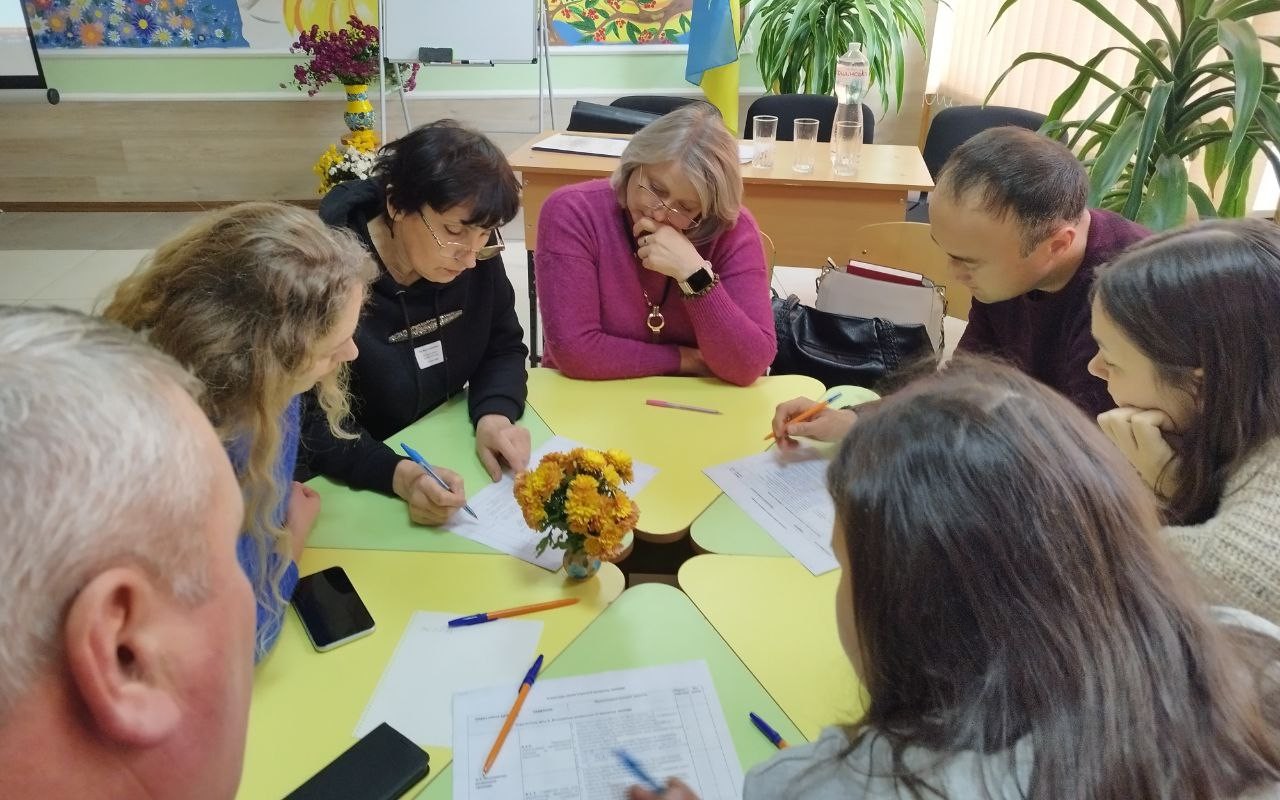
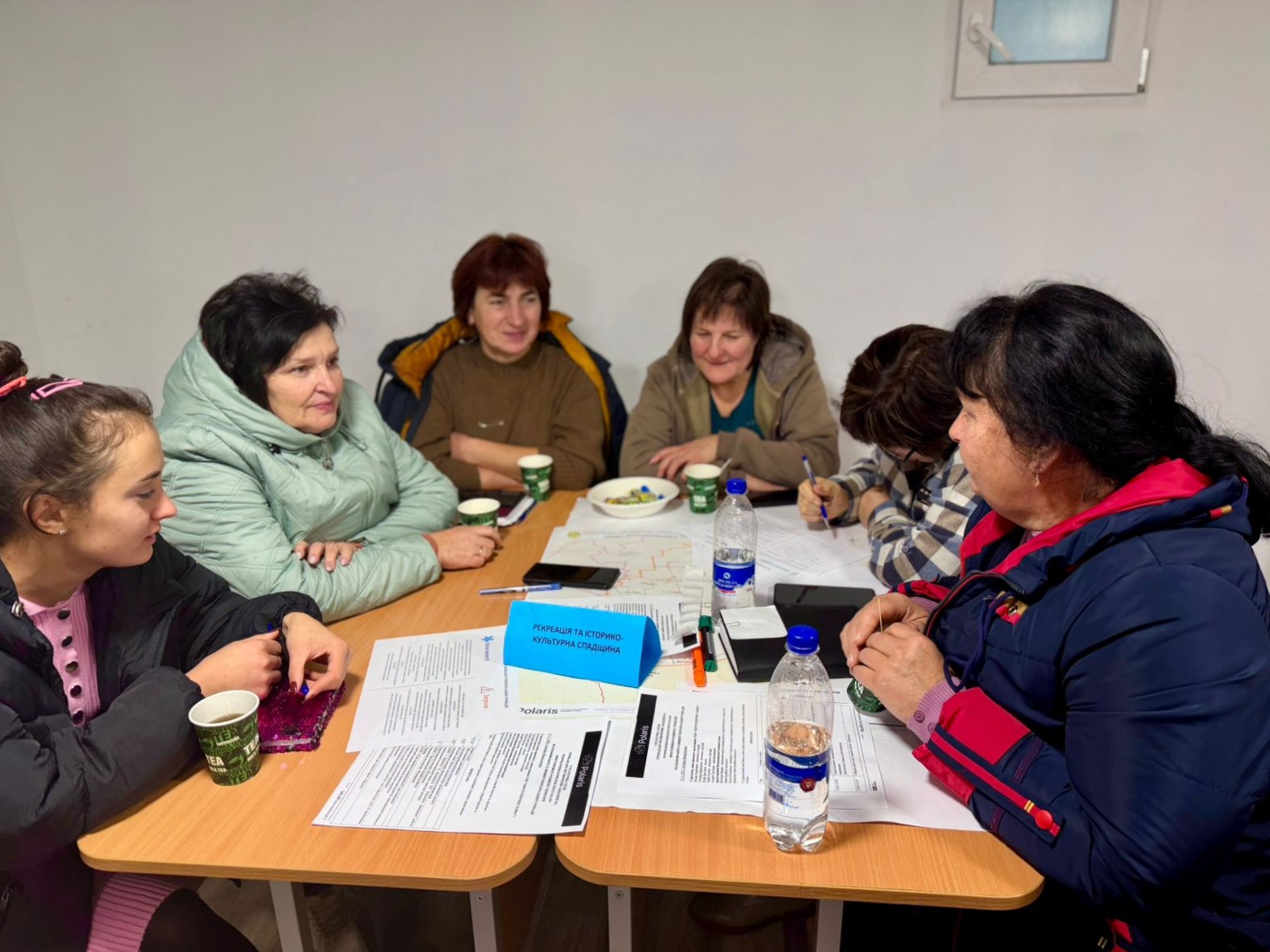
Each strategic session follows several stages: presentation of preliminary findings and Q&A, work in thematic groups, and agreement on next steps and an action plan. In every hromada, the process has its own emphasis – reflecting local challenges, priorities, and capacities.
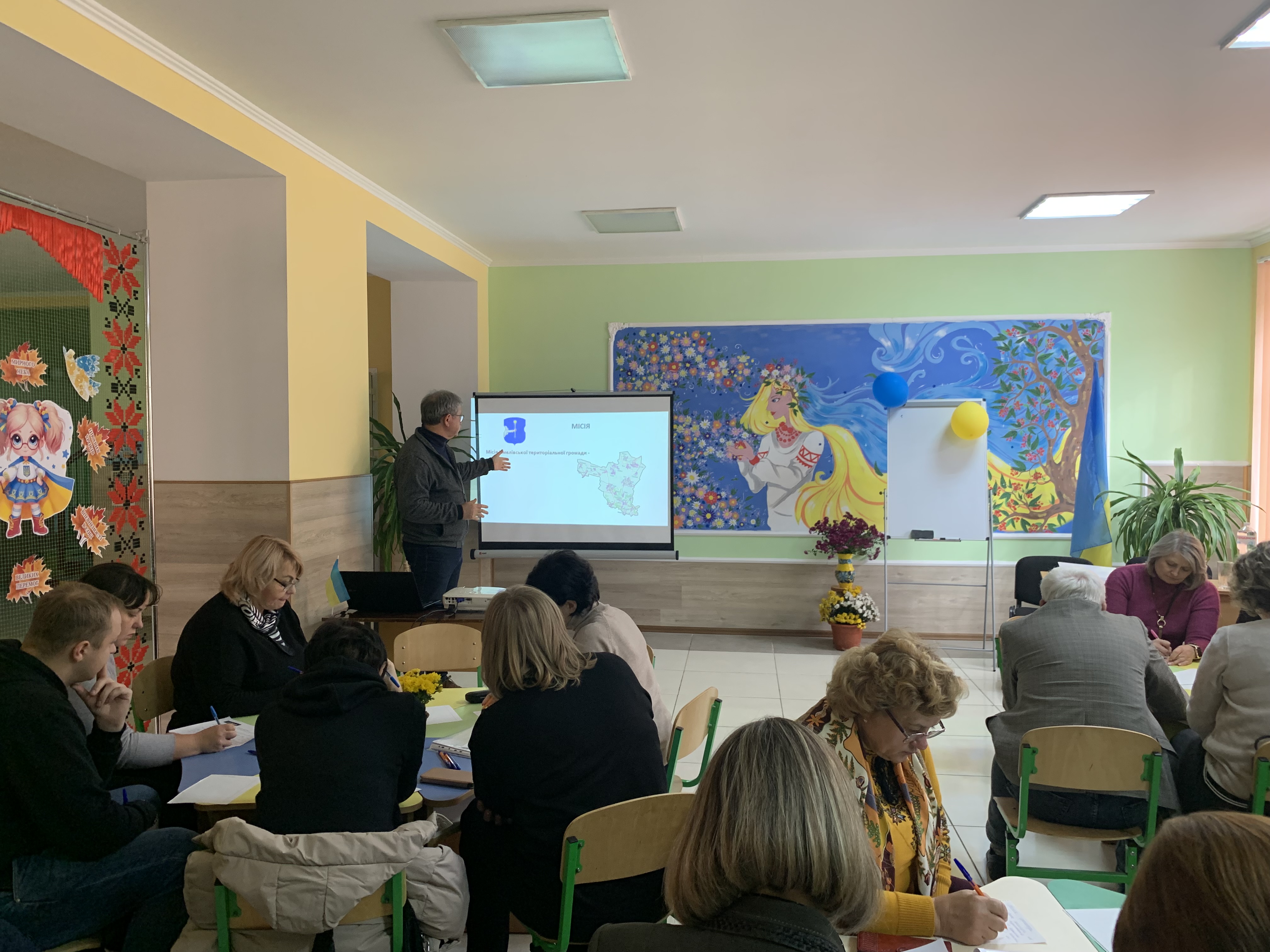
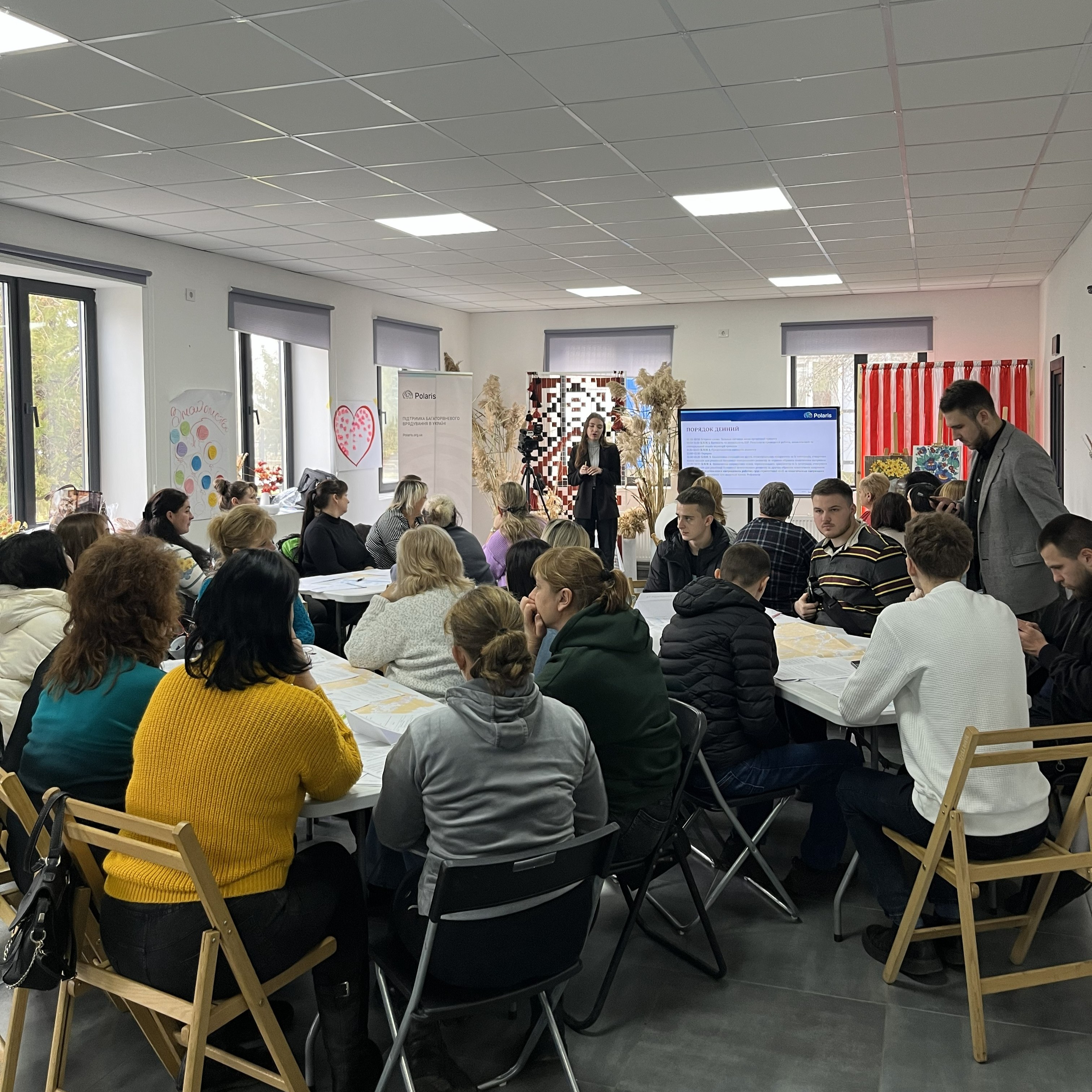
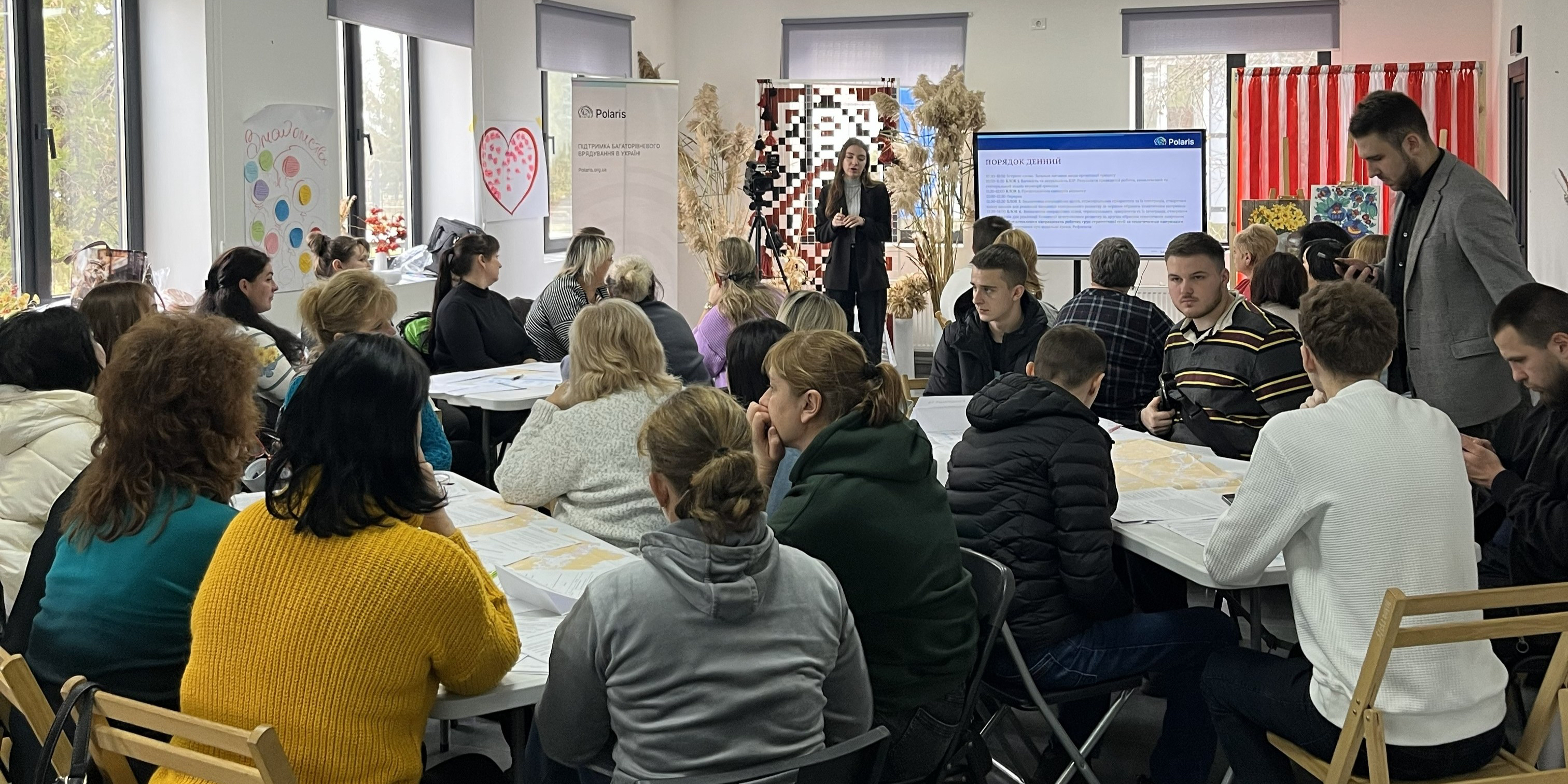
For example, in the Khmeliv hromada in Sumy Oblast, more than 30 residents took part, including representatives of starosta districts, educators, entrepreneurs, active youth, and internally displaced persons. Petro Panchenko, Head of the hromada, noted: “We wanted to hear honest and diverse views, because a hromada’s strategy should not be drafted in offices but developed together with the people who live here. I expected an active discussion – and that is exactly what happened.” Participants emphasised that the format allowed them to openly voice problems and expectations – and to articulate how they want their hromada to look in a few years’ time.
In the Khmeliv hromada in Sumy Oblast, several simple channels were used to engage residents—social media posts, announcements, and personal invitations through starostas. Most importantly, convenient time and location were chosen, allowing those who work or have children to take part—and it worked. Petro Panchenko, Head of the hromada, emphasized: "We wanted to hear honest and diverse views, because a hromada’s strategy should not be drafted in offices but developed together with the people who live here. I expected an active discussion – and that is exactly what happened.” Participants highlighted that the format allowed them to openly voice problems and expectations – and to articulate how they want their hromada to look in a few years’ time.
To ensure broad participation, the hromada combined several simple and effective outreach channels: posts on the hromada’s and starosta districts’ social media pages, printed notices at bus stops and near shops, and invitations through starostas, who personally informed active residents. The organisers also selected a convenient time and venue so that working people and parents with children could attend – and this approach proved effective.
The Vasylkivka settlement hromada in Dnipropetrovsk Oblast held a strategic session to develop its Comprehensive Spatial Development Plan, bringing together 34 participants. Head of the hromada Serhii Pavlichenko stressed that the plan should become a practical tool and a roadmap for the next 5–10 years, while the key focus of the meeting was to gather concrete proposals on spatial development, safety, business development, and youth spaces. Despite wartime conditions and logistical challenges, the hromada ensured broad representation of different resident groups through advance outreach via Facebook, parent communities, and other local groups. As a result, participants put forward more than 30 ideas and projects for further elaboration.
Olena Levada, a resident of the hromada, highlighted how open and substantive the event was: “Most importantly, this was not a formal meeting but a real dialogue. I am leaving the session with the feeling that our opinions truly influence future decisions. I hope this approach continues.”
In the Blyzniuky hromada of Kharkiv Oblast, the strategic session summarised the work already completed on preparing the Integrated Development Concept: baseline data collection, a sociological survey, development of a communication plan and terms of reference, and discussion of survey results with residents and entrepreneurs, among other steps. As a result of the session, additions were made to the SWOT analysis (including aspects related to the nature reserve, uneven access to infrastructure, development of processing industries, the volunteer movement, and e-sports), and four growth and capacity-building centres were agreed: entrepreneurship development, agro-processing, renewable energy, and investment attraction and participation in grant and international programmes.
The strategic sessions are grounded in scenario plans developed during Polaris scenario-planning workshops. These workshops involved members of local recovery working groups and international experts from the Programme. Each hromada also determined the format and number of strategic sessions to ensure genuine representation of residents.
Helena Ulsson, Head of Strategic Planning for the Locally-led Recovery sphere, explained: “The Polaris Programme’s approach to recovery is based on principles of integrity and anti-corruption, respect for human rights, gender equality, conflict sensitivity, and environmental sustainability. We work with hromadas through future-oriented, integrated, and phased planning, where local leadership and meaningful resident participation play a central role. Open dialogue, data-driven planning, and scenario-based development help hromadas set recovery priorities, mobilise resources, and build sustainable development in line with legislation and European principles.”
Polaris will continue to support hromadas in recovery planning, where local leadership sets priorities and decisions are made through open dialogue and the proposals of people who live and work in the hromada.
04 March 2026
Снігурівська МВА підписала першу угоду про партнерство з данським муніципалітетом Гентофте
Снігурівська МВА підписала першу угоду про...
Снігурівська міська територіальна громада розпочинає новий етап міжнародної співпраці. Начальник Снігурівської...
03 March 2026
Актуальні можливості Нового Європейського Баугаузу для України у 2026 році
Актуальні можливості Нового Європейського...
24 лютого пройшли інформаційні дні Інструменту Нового Європейського Баугаузу у 2026 році, в рамках яких анонсували...
03 March 2026
В межах Програми відновлення України III (транш В) планується реалізація 114 проєктів
В межах Програми відновлення України III (транш...
Відбулось засідання Експертної робочої групи з питань ініціювання, підготовки, супроводження та реалізації спільних з...
03 March 2026
Вісім громад пройшли до наступного етапу проєкту муніципального житла для оренди
Вісім громад пройшли до наступного етапу...
Вісім громад пройшли перший етап оцінки в рамках експериментального проєкту зі створення муніципального (соціального)...