Voice of frontline communities – at national level
Guidelines for increasing the resilience of frontline and border communities to emergencies have been presented
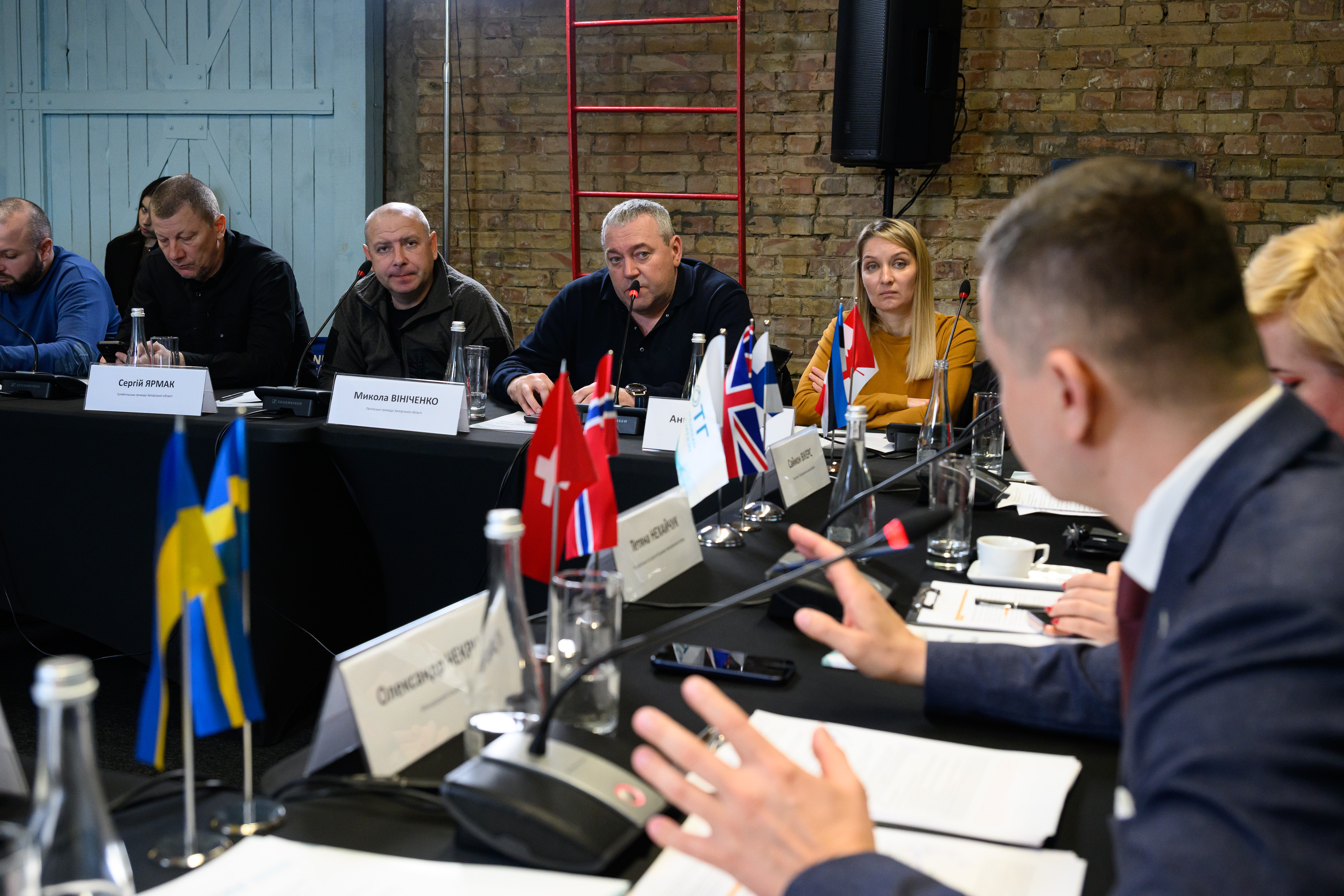
On 18 March, a roundtable was held in Kyiv within the framework of the project ‘Adaptive Emergency Planning for Frontline and Border Hromadas’, implemented by the All-Ukrainian Association of Local Governments ‘Association of Amalgamated Territorial Communes’ with the support of the ‘Partnership for a Strong Ukraine’ Programme, funded by the governments of the United Kingdom, Estonia, Canada, Norway, Finland, Switzerland, and Sweden. The event marked the completion of a six-month project involving 31 frontline and border communities from Chernihiv, Dnipropetrovsk, Kherson, Sumy, Zaporizhzhia, Kharkiv, and Donetsk regions.
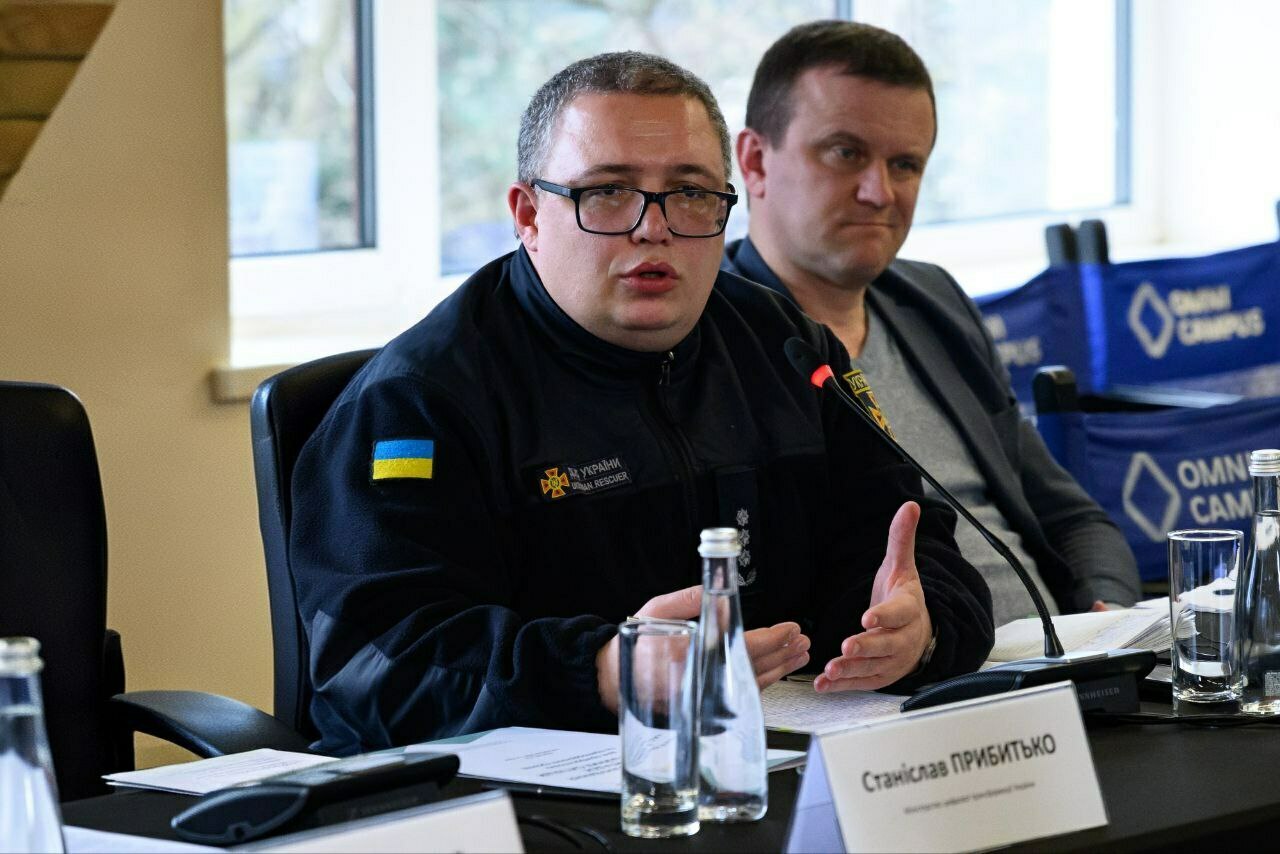
The event served as a platform where the voice of frontline communities – their experiences, challenges and specific proposals – was presented directly to those who make decisions at the national level. The round table brought together representatives of key state institutions: MPs Olena Shuliak and Oleh Bondarenko, Deputy Minister for Development of Communities and Territories Oleksii Riabykin, Deputy Minister of Culture and Strategic Communications Ivan Verbytskyi, Deputy Minister of Digital Transformation Stanislav Prybytko, Head of the State Archival Service Anatolii Khromov, Head of the State Agency for Restoration and Infrastructure Development Serhii Sukhomlyn, and State Emergency Service representative Maksym Ivanov. Together with government stakeholders, the participants discussed systemic challenges that require solutions at the national level, and communities had the opportunity to convey these challenges directly.
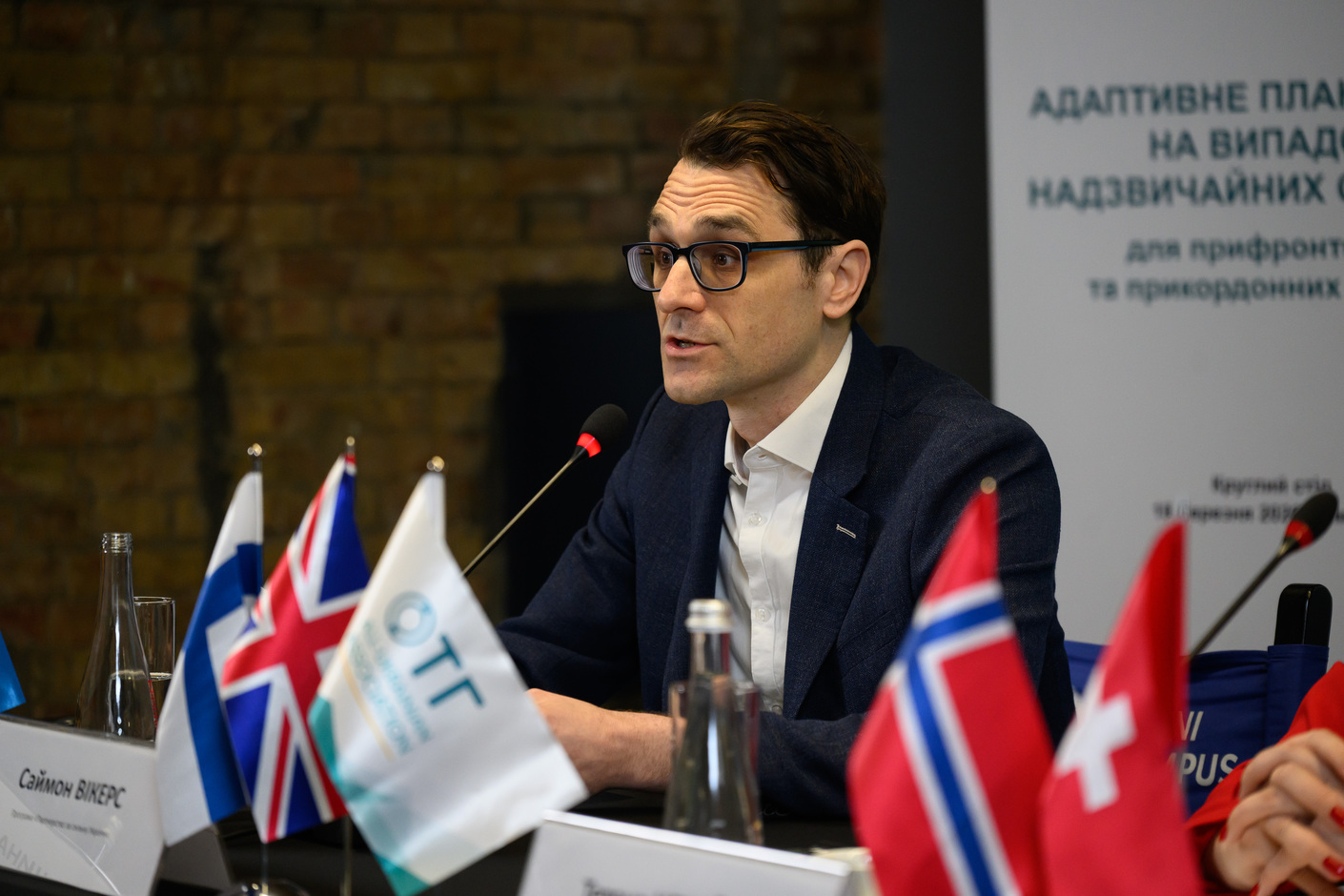
Simon Vickers, Conflict & Stabilisation Practice Lead of the ‘Partnership for a Strong Ukraine’ Programme (Chemonics UK), in his opening remarks, expressed his personal gratitude to representatives of 31 frontline and border communities for their engagement and dedication despite the extremely challenging circumstances.
‘It is a personal honour for me to be able to support you in every way possible,’ he said, noting that he has been working on the Programme since 2022, and that his first visit to Kyiv as part of its launch was back in November 2021. Mr Vickers emphasised that the roundtable would discuss key aspects of crisis response at the community level – from post-incident coordination and evacuation to energy resilience, communications and the preservation of cultural heritage, – and expressed his hope for a substantive exchange of experiences on how communities have adapted under extremely challenging conditions. He also thanked the All-Ukrainian Association of Amalgamated Territorial Communities for implementing the project and organising the event. Mr Vickers noted that the ‘Partnership for a Strong Ukraine’ Programme, funded by the governments of Canada, Estonia, Finland, Norway, Sweden, Switzerland, and the United Kingdom, supports a wide range of initiatives aimed to strengthen Ukraine’s resilience in the face of russian aggression – in partnership with communities, the Central Government, civil society, and the private sector.
‘This roundtable is an example of our commitment to promoting the dissemination of lessons learned from practical, locally grounded emergency planning initiatives so that they can have a wider impact,’ he concluded.

Olena Shuliak, Chair of the Verkhovna Rada Committee on the Organisation of State Power, Local Self-Government, Regional Development and Urban Planning, stressed in her opening remarks that, as of today, 230 frontline communities across 10 regions – comprising hundreds of thousands of citizens – face high levels of danger on a daily basis, and it is critically important for them to have clear algorithms for action in emergency situations.
‘Over four years of full-scale invasion into Ukraine, a painful, but very valuable practical experience has been formed,’ she noted, recalling how, following de-occupation, communities had to rebuild their governance from scratch – without buildings, equipment or documents – and how, thanks to swift decisions in the digital sphere, it had been possible to transfer state registers to a secure environment and ensure the provision of services on the ground. Olena Shuliak emphasised that the main priority today is to gather and systematise this experience and implement it in the form of specific documents at various levels, ‘We, as Members of Parliament, must keep pace with this experience by amending the relevant legislation so that it all works as effectively as possible.’
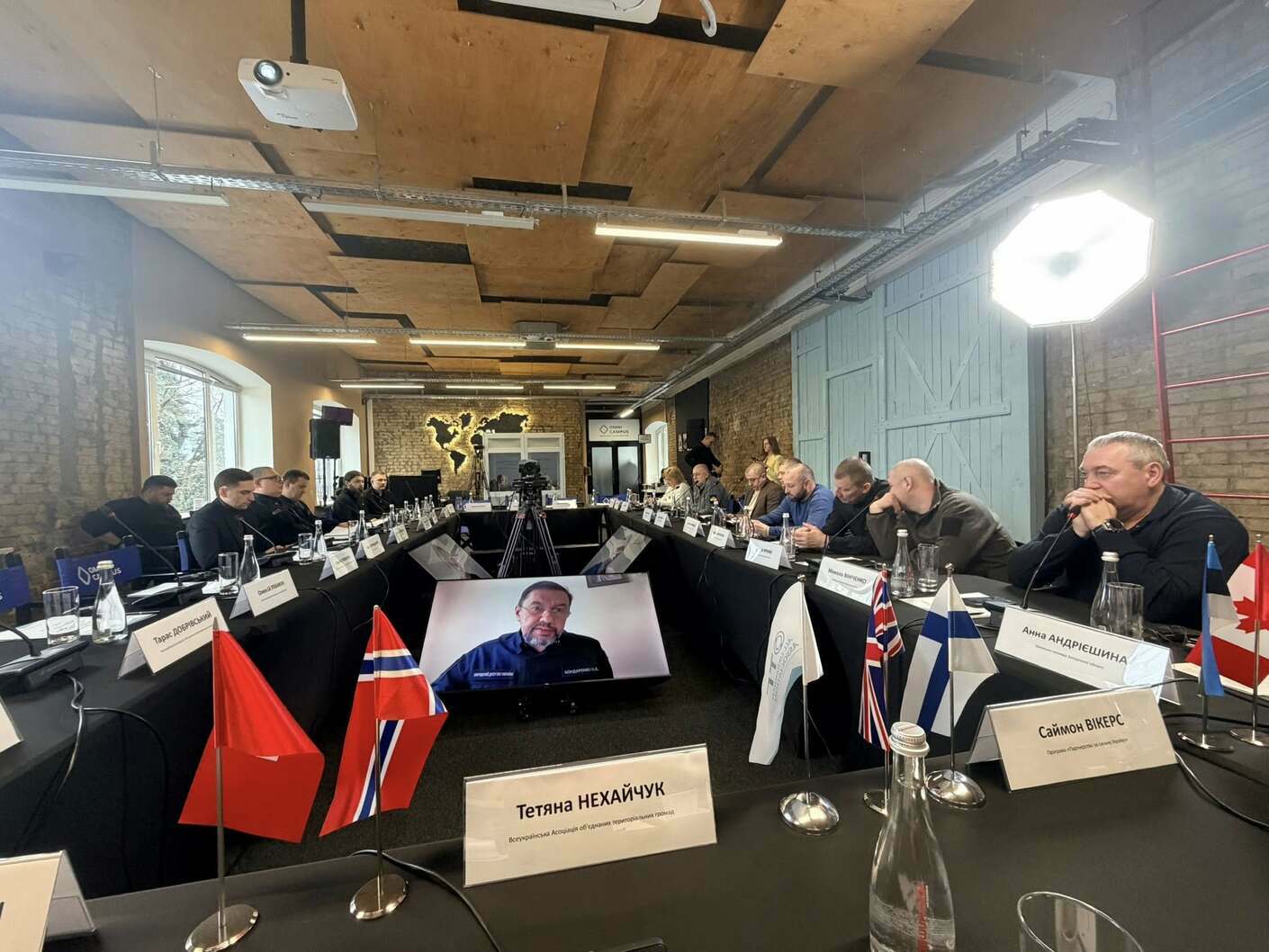
Oleh Bondarenko, Chair of the Verkhovna Rada Committee on Environmental Policy and Nature Management, who joined online, noted that the topic of the round table is relevant to the work of his Committee, which systematically addresses issues of civil protection and emergency response. He reported that thanks to the joint work of the Committee with the Ministry of Internal Affairs, the State Emergency Service, the Human Rights Commissioner and the Office of the Prosecutor General, the law on the mandatory evacuation of the population from combat zones – which, in particular, provides for a mechanism for the compulsory evacuation of children – had been thoroughly and effectively drafted and adopted by the Verkhovna Rada of Ukraine.
Oleh Bondarenko emphasised that the committee is awaiting proposals not only from public authorities but also directly from communities, ‘For us, engagement with communities is an incentive to create high-quality legislation that would meet both the requirements for EU accession and the requirements of decentralisation.’ He expressed confidence that the experience gained through the Project will serve to strengthen the resilience of communities and bring the country closer to peace and recovery.
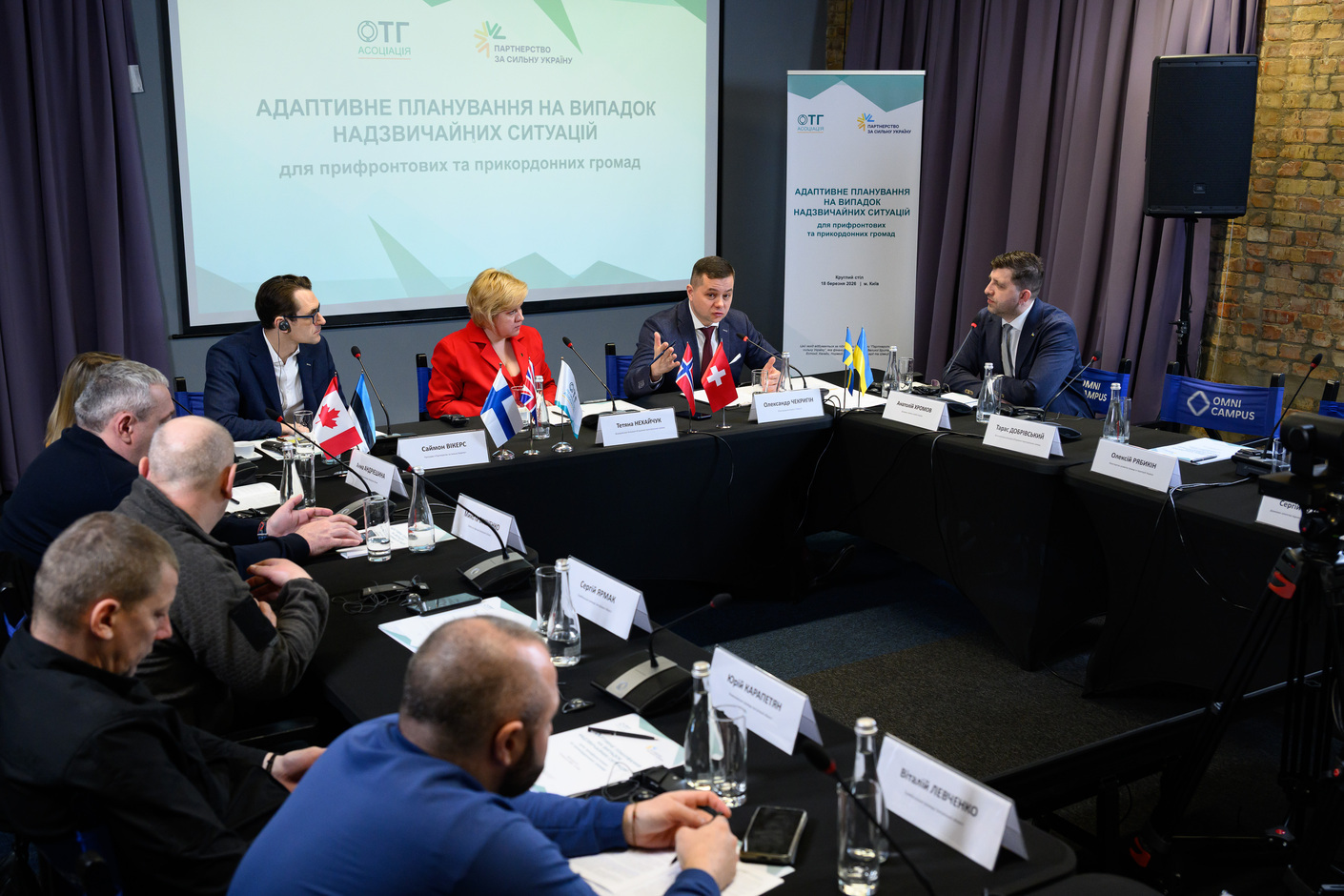
Moderated by the Project’s Lead Expert Oleksandr Chekryhin, Chair of the International Resilience Alliance, the roundtable participants discussed six key topics that were identified by the communities themselves following a survey, a workshop, and a series of training sessions: the evacuation of archives, critical assets and cultural heritage; post-event coordination at street level; evacuation with children and regulatory conflicts; energy resilience and the protection of critical infrastructure; strategies for the relocation of administrative bodies; and livestock as a barrier to evacuation.
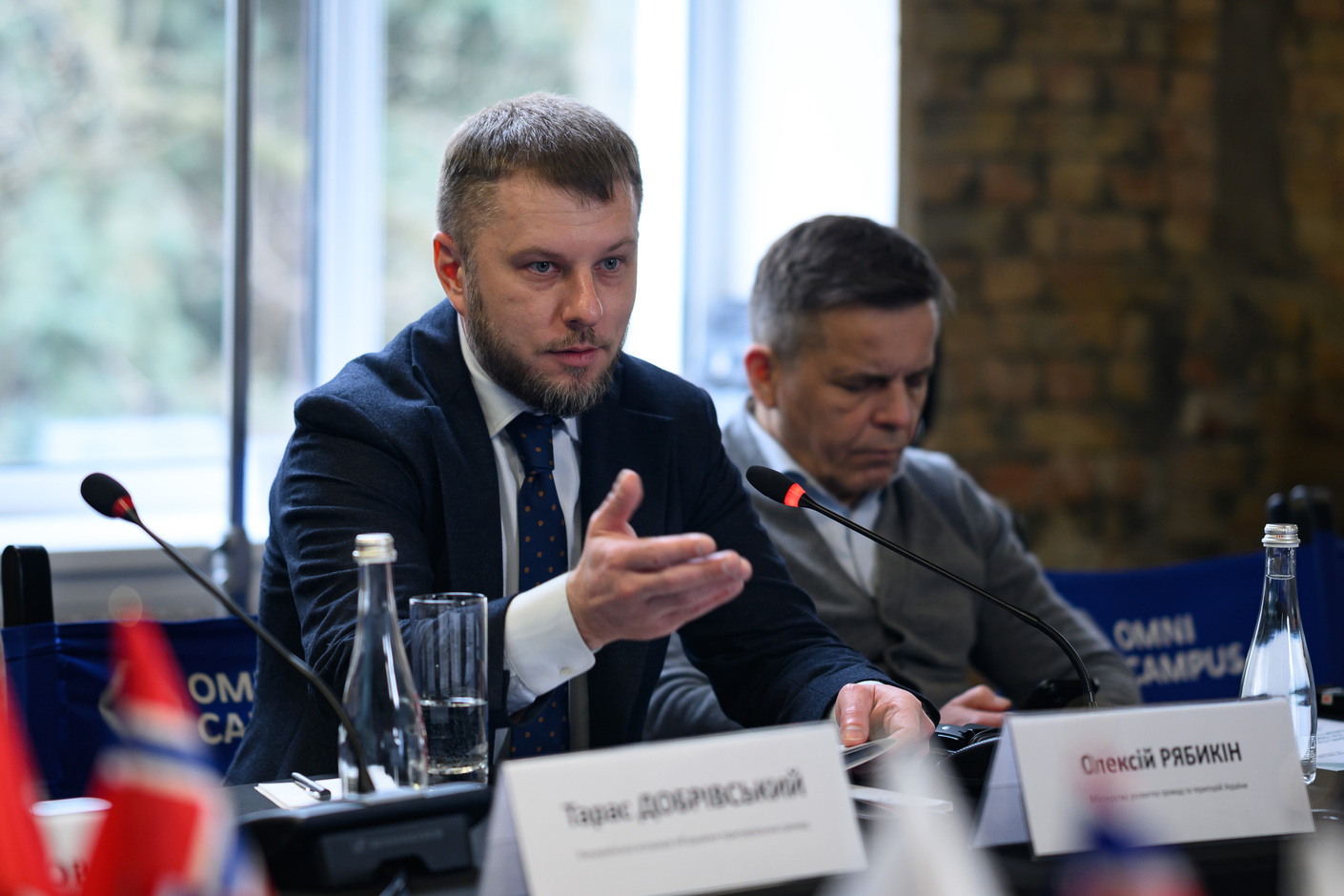
In his speech, Oleksii Riabykin, Deputy Minister for Development of Communities and Territories of Ukraine, outlined several important issues, ranging from the relocation of local governments to the evacuation of children. He reported that resilience plans have already been drawn up for all regions. Simultaneously, the Ministry is developing approaches to working with relocated communities from temporarily occupied territories. In particular, this involves setting up centres for unity and the preservation of local identity.
Oleksii Riabykin underlined that communities and their leaders, both in 2022 and now, are taking it upon themselves to resolve key issues, regardless of the existence of regulations. ‘Resilience starts with people. In our circumstances, there are no easy solutions, but we must find them together,’ noted the Deputy Minister.
Following the discussion, Oleksii Riabykin proposed that the methodological recommendations developed for frontline and border communities be submitted for consideration within the framework of the Coordination Headquarters on Population Evacuation, which brings together a wider range of representatives from central executive bodies and international organisations. This will enable the creation of a roadmap for amendments to regulatory documents.
Oleksii Riabykin also invited representatives of the All-Ukrainian Association of Amalgamated Territorial Communities and representatives of communities to join the work of the Coordination Centre for the Management of Territories where hostilities are currently ongoing or have taken place, as well as territories temporarily occupied by the russian federation. The Ministry systematically compiles the issues raised by communities and works to resolve them. This process is organised as a systematic effort with clear outcomes: decisions are recorded, specific instructions are issued, and their implementation is monitored.
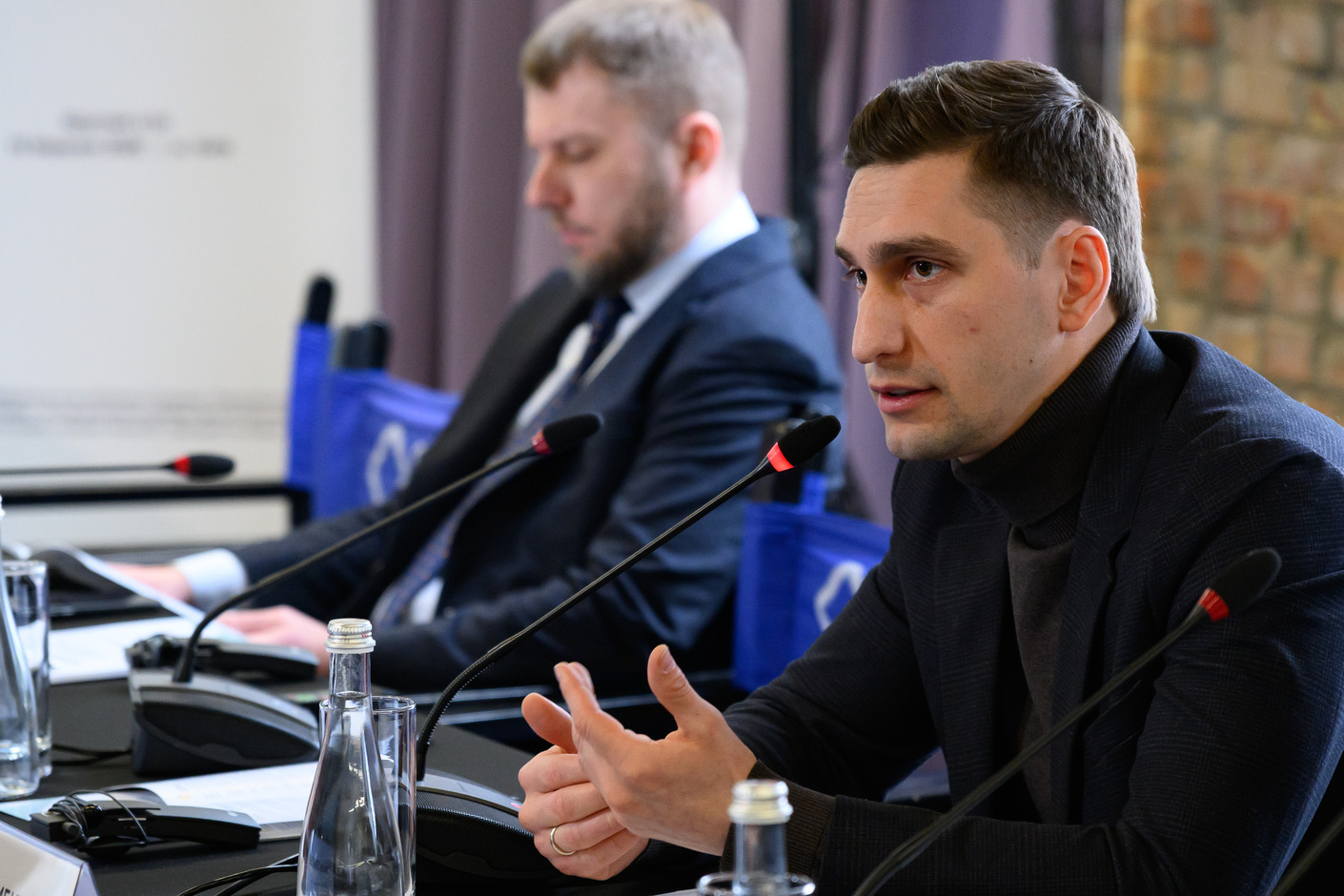
Stanislav Prybykko, Deputy Minister of Digital Transformation, described in detail an initiative aimed to ensure mobile connectivity during long-term power cuts. He reported that mobile operators have already delivered over 12,000 generators to Ukraine, with a further 3,000 due to arrive by the end of March, and over 3,000 have already been handed over to communities. A mechanism has been developed to enable communities to help ensure uninterrupted connectivity: under the terms of the agreement, operators will reimburse communities for fuel and logistics costs – communities only need to provide people who, in the event of a power outage, can connect a generator to the base station.
“Community involvement is absolutely crucial to ensuring connectivity in rural areas, particularly in frontline territories, as operators simply do not have enough staff to cover 36,500 base stations across the country,” explained Mr Prybytko.
The Deputy Minister also announced the simplification of the certification procedure and noted that an online training course for community representatives is already being developed, which will allow them to quickly obtain a certificate to work with generators, whilst the fuel storage limit at a single location has been increased from 40 to 250 litres by Order of the Ministry of Internal Affairs.
During the discussion, a community representative from Zaporizhzhia region mentioned that mobile communications had been disrupted for two months due to equipment being repeatedly damaged by shelling, and that operators were refusing to travel into areas within 10 km of the front line. Mr Prybylko stated that he would consult with operators regarding the possibility of providing remote coverage for such localities.
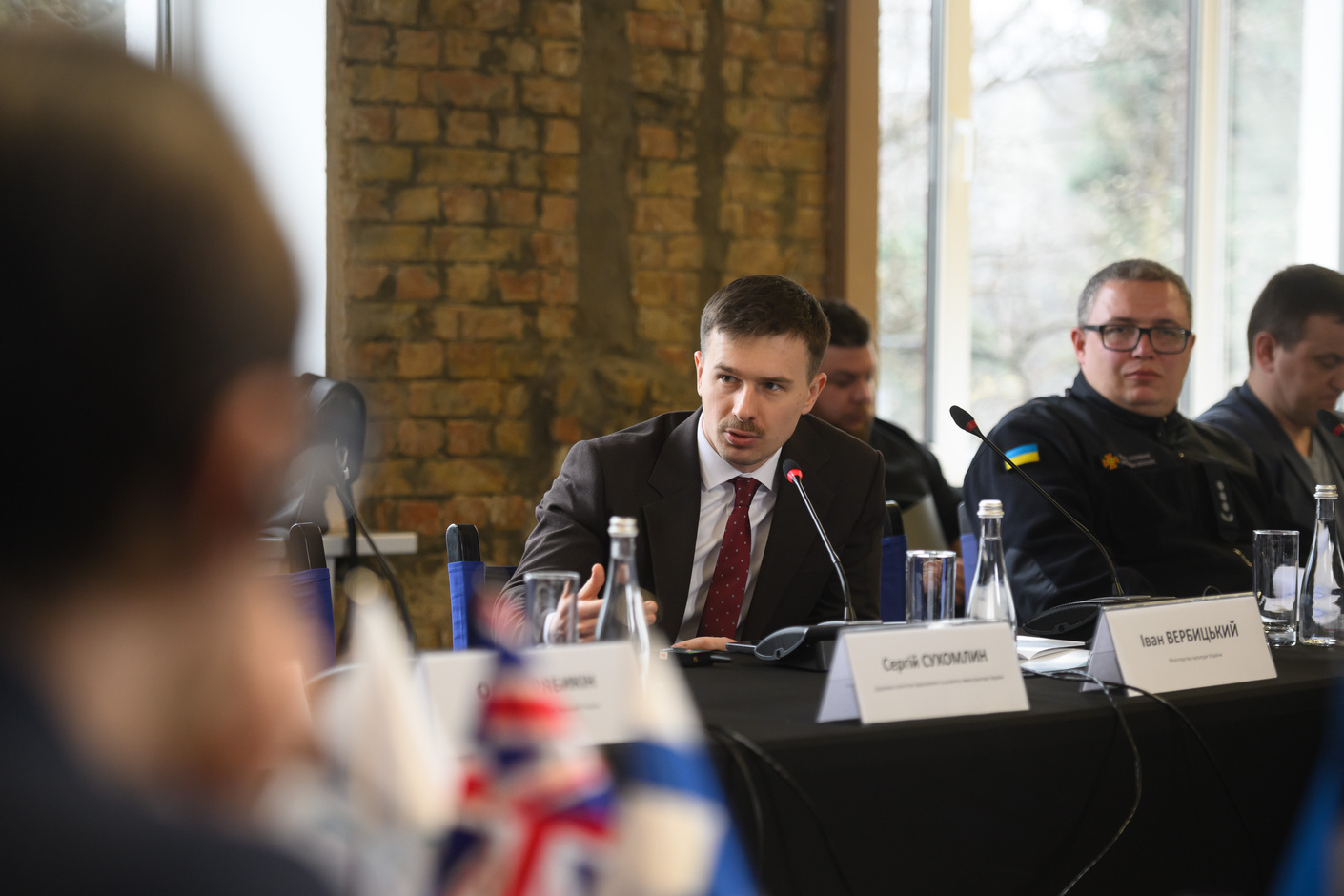
Ivan Verbytskyi, Deputy Minister of Culture of Ukraine, announced that last month the Cabinet of Ministers adopted a new procedure for the evacuation of the state part of the museum collection – Resolution No. 229, which establishes a clear ‘red zone’ for mandatory evacuation (50 km from the line of contact, the combat zone, or by separate decision of the regional administration). He noted that the procedure significantly simplifies the decision-making process: previously, inter-regional evacuation required an Order from the Ministry, which took up to four weeks, whereas now a resolution of the Regional State Administration is sufficient for regional and municipal museums, and in a critical emergency situation, the head of the institution may decide on evacuation independently, with subsequent notification.
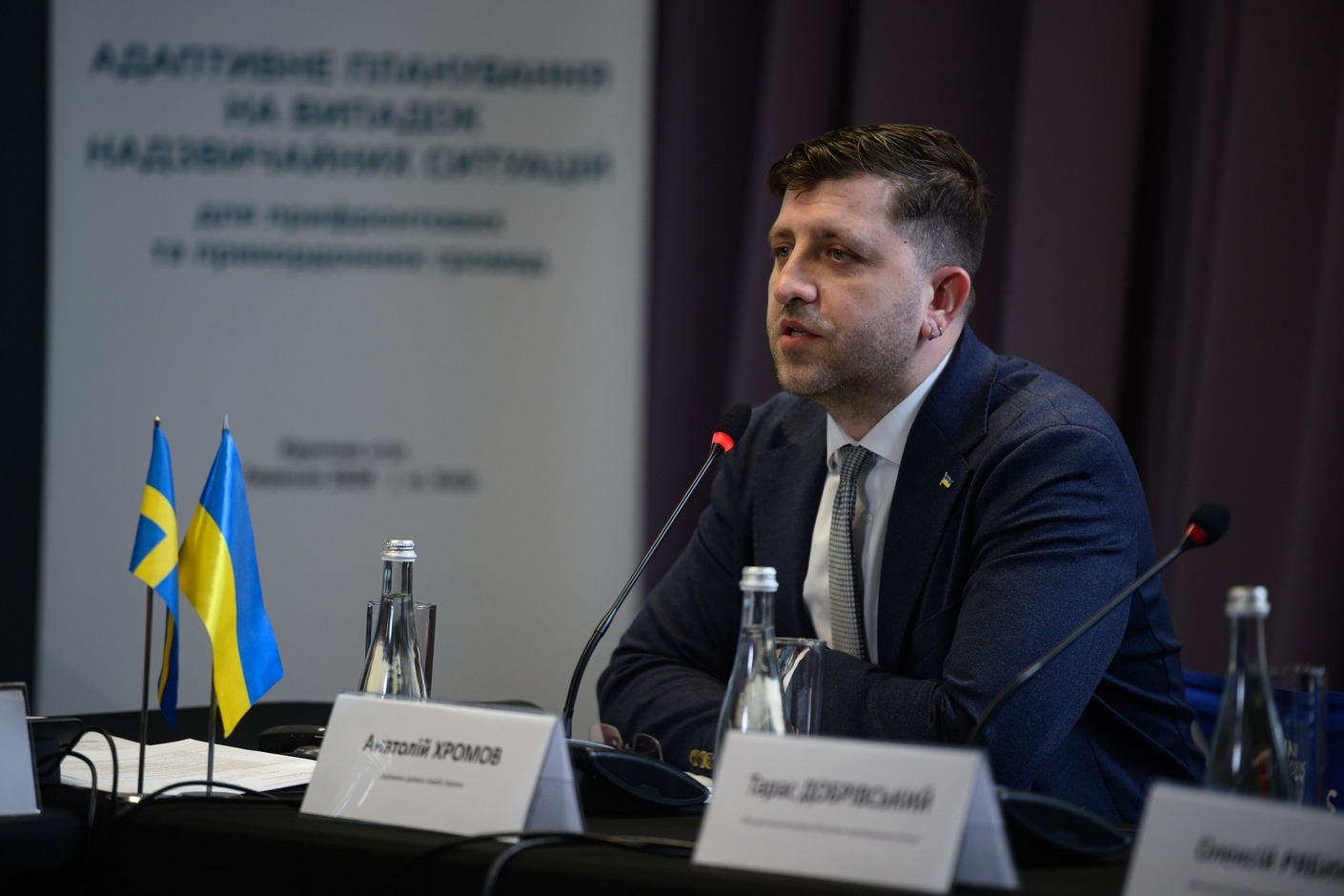
Anatolii Khromov, Head of the State Archival Service of Ukraine, noted that, within the triad of movable cultural heritage – museums, libraries, and archives – archives traditionally receive the least attention, although their value during wartime and in future transitional justice processes is exceptionally high. He stated that archives receive over 500,000 requests from citizens every year, 60–70 per cent of which relate to social and legal issues, such as pensions, property rights, and confirmation of employment history. ‘An archive is not simply a collection that can be moved. Archives must remain operational during wartime,’ emphasised Mr Khromov, explaining that evacuation without preserving access and staff is meaningless.
The Head of the State Archives Service reported that in 2025, the network of state archives, together with partners, created around 53 million digital copies of documents, and that a 2023 Ministry of Justice Order legalised the issuance of official certificates based on digital copies in the event of the loss of originals. He also announced the signing of a memorandum with the Ukrainian Red Cross Society, which provides for the allocation of equipment for the evacuation of archival documents, and an initiative to establish an inter-agency working group to identify available space in safe regions based on the ‘region-pair’ principle – whereby a frontline region is backed up by a rear region.
‘Without identifying an evacuation site, all other plans simply will not work,’ concluded Mr Khromov.
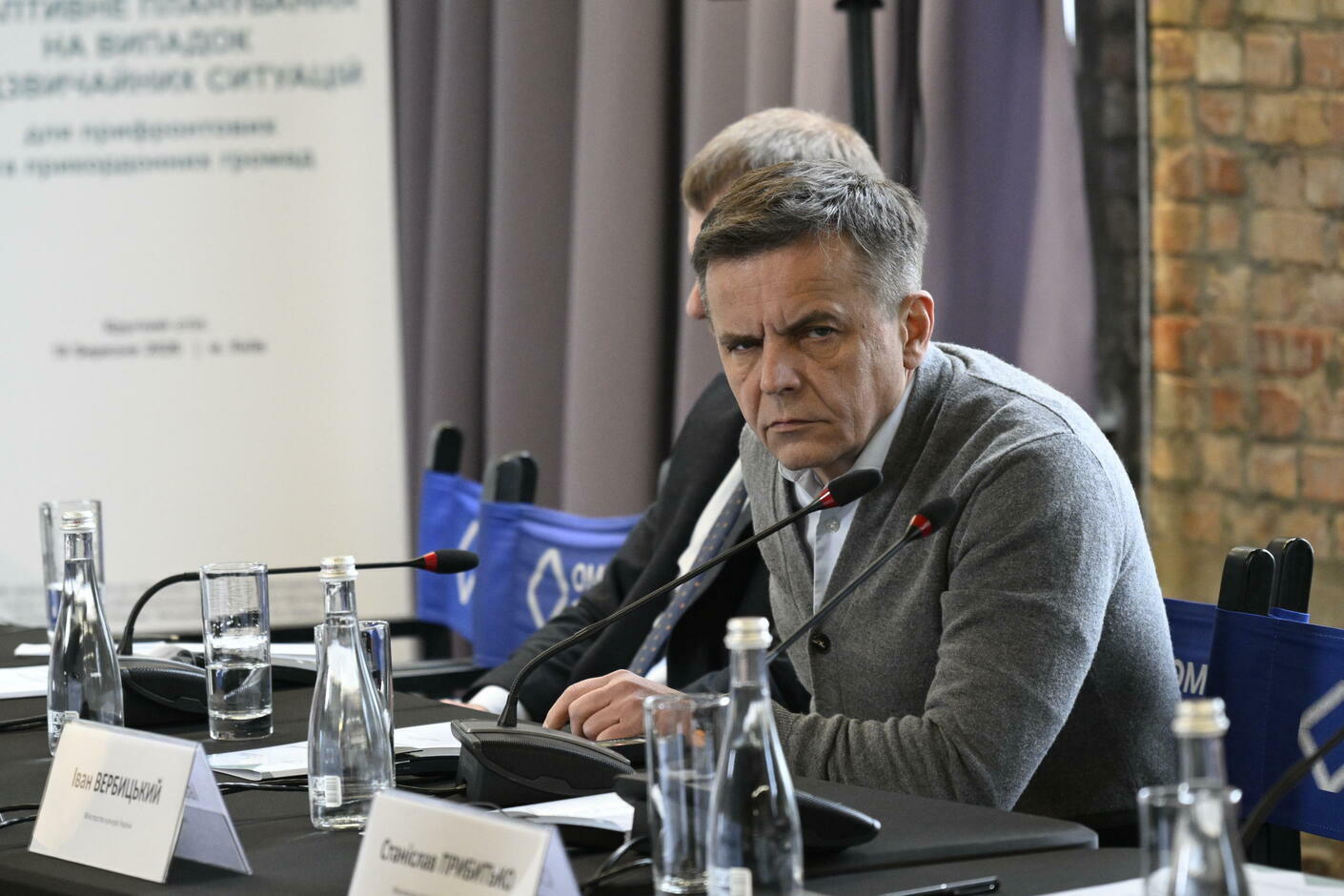
Serhii Sukhomlyn, Head of the State Agency for Restoration and Infrastructure Development of Ukraine, said that the National Security and Defence Council had approved community resilience plans and that the Government would allocate funds for their implementation as early as this week, starting with border communities. He outlined in detail the four key resilience criteria against which the readiness of communities will be assessed: physical protection of critical infrastructure facilities, local decentralised power generation, alternative water and heat supply, and the provision of generators for critical infrastructure facilities. According to Mr Sukhomlyn, each criterion accounts for 25 per cent of the overall assessment, creating an objective system for measuring the preparedness of communities:
‘We analysed the example of Chernihiv – currently, its preparedness level stands at 21 per cent. The task is to reach at least 90 per cent by the start of next year,’ he noted, expressing confidence that this is an achievable goal.
Mr Sukhomlyn also reported on the development of modular underground bomb shelters, which cost five times less than permanent construction and take just 20 days to install. According to the findings of the study, frontline communities require 4,800 bomb shelters: 20 bomb shelters per community.
Maksym Ivanov, Head of the Evacuation Operations Division within the Department of Civil Protection and Preventive Activities of the State Emergency Service, spoke about the ‘Community Rescue Officer’ Project, under which each community is assigned between one and four officers to coordinate cooperation at the grassroots level – with local governments, starostas, and community self-organisation bodies. He explained that the officer acts as a key link between the public and the emergency services: on the one hand, they convey information to starostas and neighbourhood committees; on the other, they ensure the rapid transmission of data from those affected to the rescue units. ‘If a starosta can provide the rescue unit with information – the address where the incident occurred, where a person with reduced mobility is located – this will speed up the start of the response and increase safety levels,’ noted Mr Ivanov.
When it comes to evacuating with animals, the State Emergency Service representative acknowledged that the issue of small domestic animals has been technically resolved, but the evacuation of large farm animals – transport, accommodation, and feeding for several thousand head of livestock – is not regulated by law. He noted that a functional subsystem for the protection of farm animals formally exists within the civil protection system, but in practice, responsibility for this issue remains undistributed among the relevant departments.
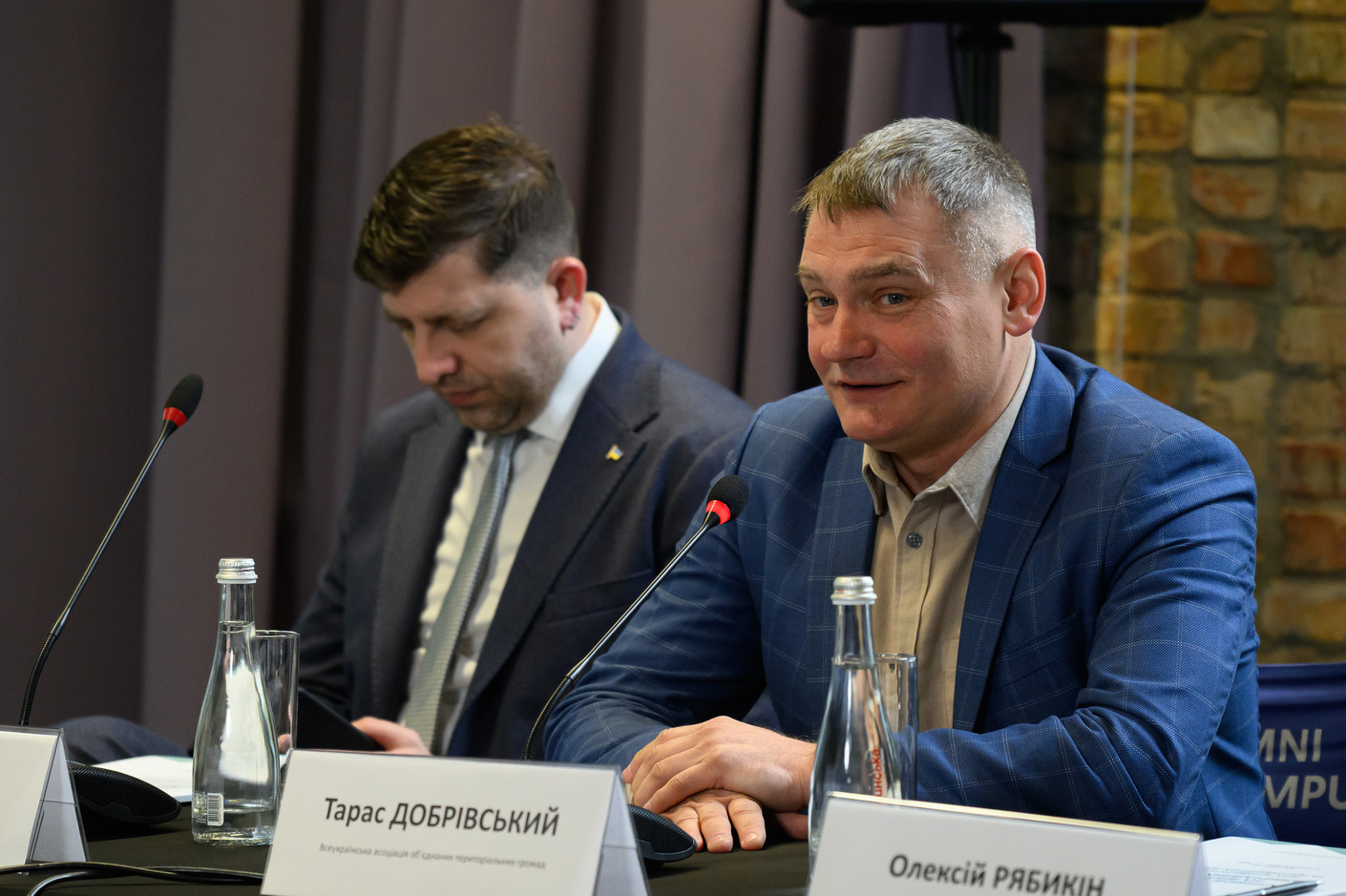
Taras Dobrivskyi, Executive Director of the All-Ukrainian Association of Amalgamated Territorial Communities, thanked international partners for their support and noted that the Association, established as a result of the decentralisation reform, is celebrating its 10th anniversary this year. He noted that the Association has created 20 platforms to protect the interests of communities, including the ‘Temporarily Occupied and De-occupied Communities’ platform.
Speaking about the situation in frontline communities, Mr Dobrivskyi emphasised, ‘Planning in these communities is neither long-term nor short-term – it is daily, hourly, minute-by-minute and constantly adjusted.’ He voiced his confidence that, with the support of partners and experts, Ukraine will succeed in preserving both the country and its people, ‘Ukrainians will never take what does not belong to them, but they will never give up what is theirs.’
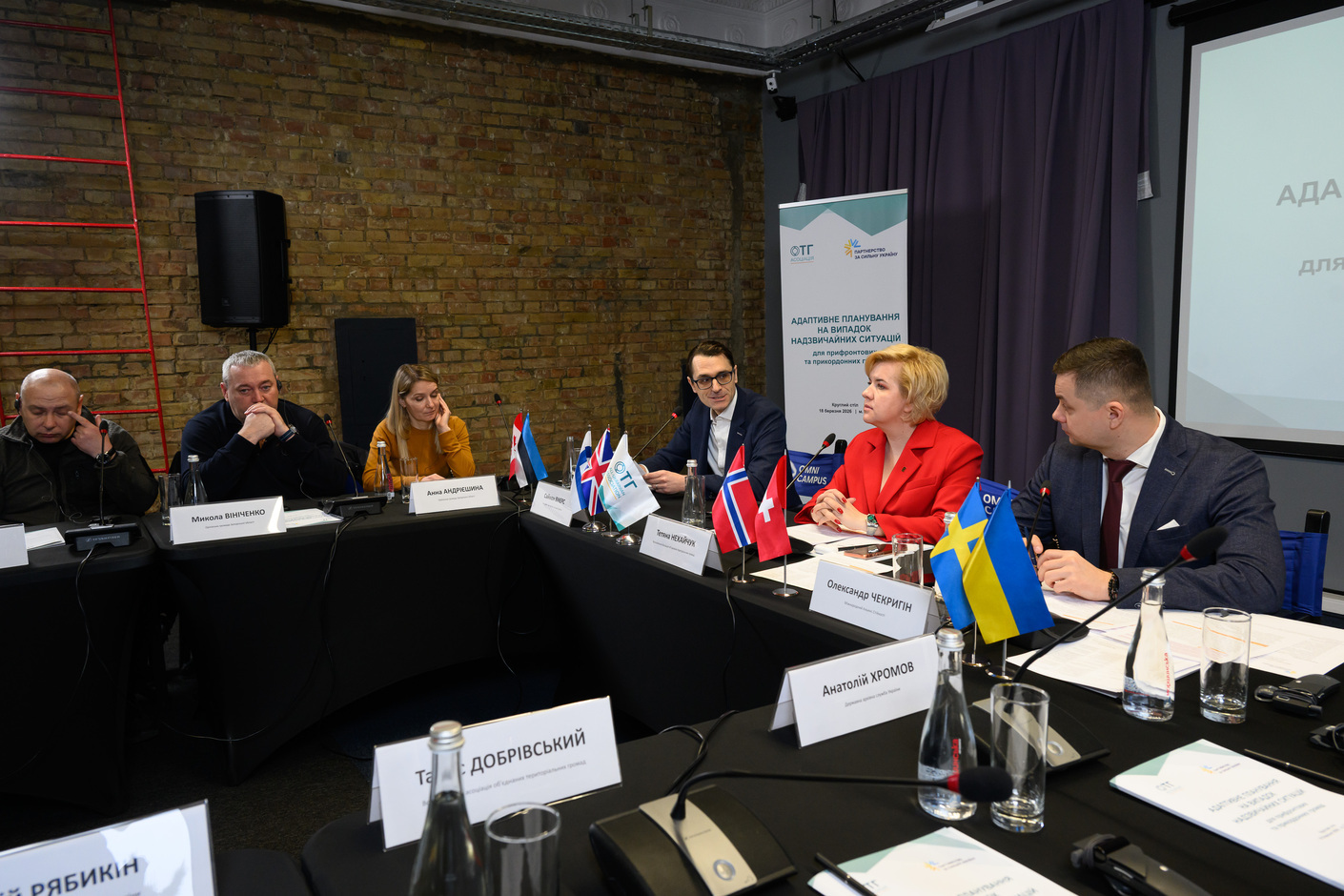
Tetiana Nechaichuk, Head of the Project Office at the All-Ukrainian Association of Amalgamated Territorial Communities and moderator of the event, noted that the roundtable served as a culmination of all previous stages – from research and in-depth interviews to analysis, workshops, training sessions and systematic, tailored work with communities. She emphasised that the Project had been designed from the outset as an adaptive process in which communities not only participated in events but also determined the content of the work themselves, ‘Over 1,500 responses from residents, the involvement of 31 communities in the systematic work, and dozens of practical case studies mean that today we are talking not about assumptions, but about documented experience.’ According to her, ensuring a format for discussion in which practitioners and national stakeholders speak directly – without oversimplification or feigned dialogue – was fundamental.
Ms Nehaichuk emphasised that the topics of the roundtable – ranging from the evacuation of archives and children to energy resilience and the relocation of administrative bodies – can no longer be left exclusively at the local level, as they require a national framework, coordination, and additional resources. ‘A community’s capacity is determined not by the number of documents, but by its readiness to act at a moment when there is no time for mistakes. That is precisely why our shared task is to ensure that communities’ practical experience feeds back into the system in the form of policies, methodological frameworks, inter-agency coordination, and tangible support,’ she concluded.
Following the discussions, methodological recommendations were presented: a comprehensive analytical document containing systematised conclusions, identified gaps, and recommendations addressed to central executive bodies, the Verkhovna Rada, and relevant government services. The document is structured around eight thematic blocks: military-adapted planning and the first-hour algorithm; multi-channel alerting and post-incident coordination; protection of critical infrastructure; vulnerable groups, evacuation of families with children and domestic animals; relocation of the command centre and business continuity; evacuation of archives, cultural heritage and critical assets; transport, fuel and practical exercises; the human factor and crisis communication.
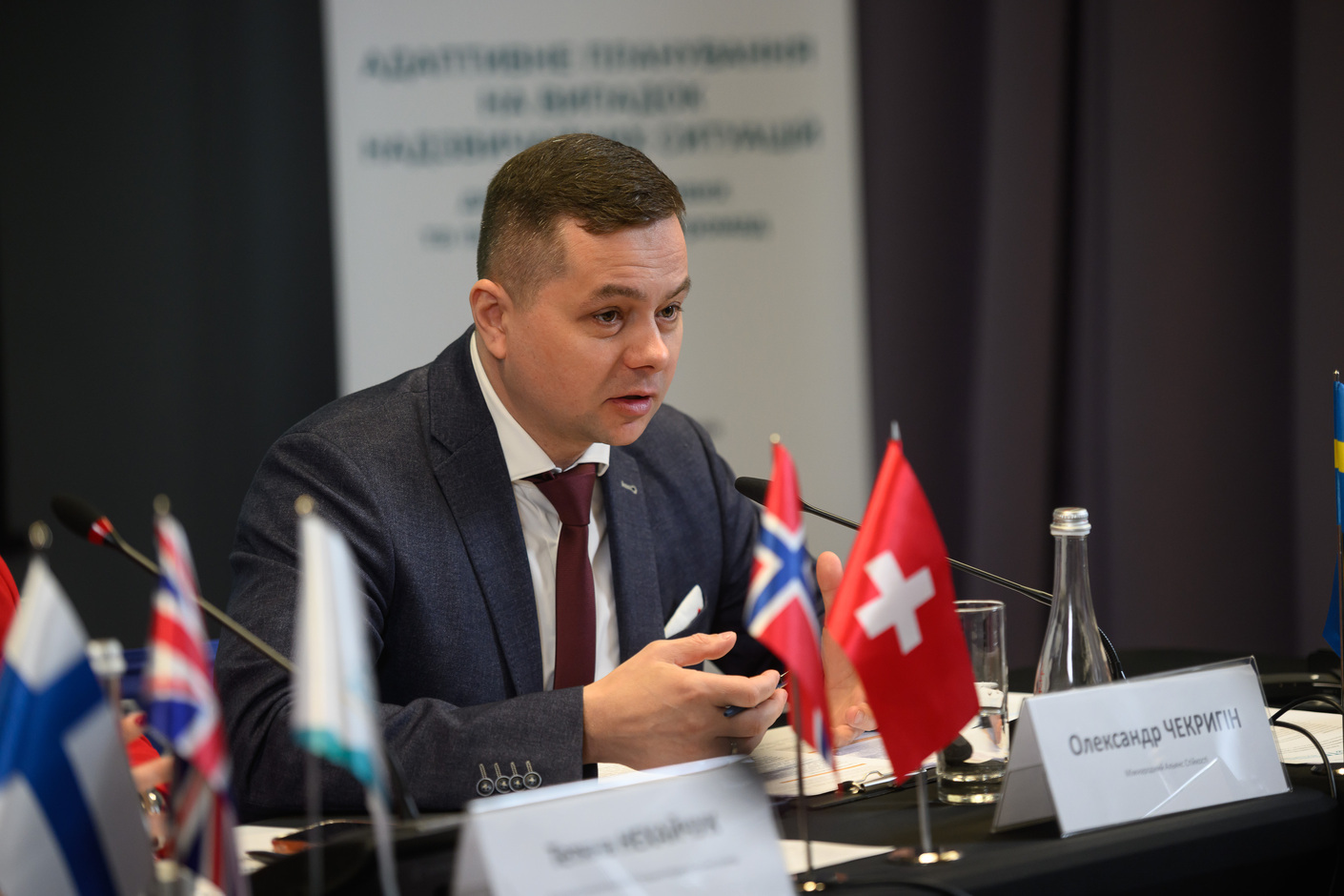
Oleksandr Chekryhin, Chair of the International Resilience Alliance and a key expert on the Project, emphasised that resilience must not remain merely a concept, but must become a standard of governance. According to him, the main conclusion of the recommendations is that the capacity of frontline and border communities is determined not by the formal existence of plans, but by the extent to which they are adapted to military conditions, linked to the ‘first hour’ and equipped with backup communications, power supply, continuity of command, protection of archives, and critical assets, as well as the ability to work with vulnerable groups.
‘One of the key practical outcomes of the Project was the development of checklists as a tool for self-assessment and updating of response and evacuation plans. Practice has shown that it was precisely these checklists that enabled communities to move from general formulations to concrete actions: to review regulations and the distribution of roles, identify gaps in equipment and backup communication channels, introduce backup communication without the internet or mobile networks, and begin preparing plans for a state of emergency in collaboration with the State Emergency Service. These tools are ready for scaling up and can be used by national institutions when formulating state guidelines,’ Mr Chekryhin concluded.
The Project ‘Adaptive Emergency Planning for Frontline and Border Hromadas’ is implemented by the All-Ukrainian Association of Local Governments ‘Association of Amalgamated Territorial Communities’ with the support of the ‘Partnership for a Resilient Ukraine’ Programme, funded by the governments of the United Kingdom, Estonia, Canada, Norway, Finland, Switzerland, and Sweden.
The content of this publication is the sole responsibility of the All-Ukrainian Association of Local Governments ‘Association of Amalgamated Territorial Communities’ and does not necessarily reflect the views of the Programme and/or its funding partners.






08 May 2026
Мінфін перерахував громадам 20,2 млрд грн трансфертів у квітні
Мінфін перерахував громадам 20,2 млрд грн...
У квітні 2026 року Міністерство фінансів України забезпечило повне – на 100% – перерахування міжбюджетних трансфертів...
08 May 2026
Чому ваша громада вирішує без вас і хто за це відповідає?
Чому ваша громада вирішує без вас і хто за це...
62% українців готові брати участь у публічних інвестиціях — але система їх не чує. Дослідження ГО «Проти Корупції»...
07 May 2026
Оцінка фінансової спроможності громад...
Дубенська районна військова адміністрація розробила та успішно застосовує «Компас оцінки громад» — власний...
07 May 2026
Куди має зараховуватися ПДФО? Аналітика та дорожня карта переходу
Куди має зараховуватися ПДФО? Аналітика та...
ПДФО — основа місцевих бюджетів і формує до двох третин усіх податкових надходжень. Від нього залежить, які...