Don Quixote from Lozova. An interview with the community leader
Serhii Zelenskyi, Head of Lozova Community in Kharkiv region, on how the city council is managing to operate successfully despite constant attacks and bank accounts of utility companies being frozen, whilst also attracting new doctors to the community and supporting the army
By Dmytro Syniak
Lozova community is one of the largest ones in Kharkiv region: it spans over 1,400 square kilometres and has a population of nearly 90,000. It is also home to one of the largest railway junctions in the region, which connects four directions: Kharkiv, Poltava, Dnipro, and Sloviansk.
Due to its logistical capabilities, from the very beginning of the war, Lozova community has served as a humanitarian hub for tens of thousands of displaced people fleeing towns and villages where active hostilities are taking place. Meanwhile, the enemy continues to constantly attack the community’s critical infrastructure. Yet local residents are in no hurry to flee. They continue to work, helping the Ukrainian army at every opportunity.
Although Serhii Zelenskyi, Head of the community, does not like the phrase ‘fortress community’, this term best reflects Lozova’s role in defence of Ukraine. The community is made a fortress not by its defensive structures, but by the stance of the local residents, who refuse to cede a single metre of their native land to the invaders. Serhii Zelenskyi shared his thoughts on this with Decentralisation, as well as his views on how, in his opinion, the state could make communities even stronger.
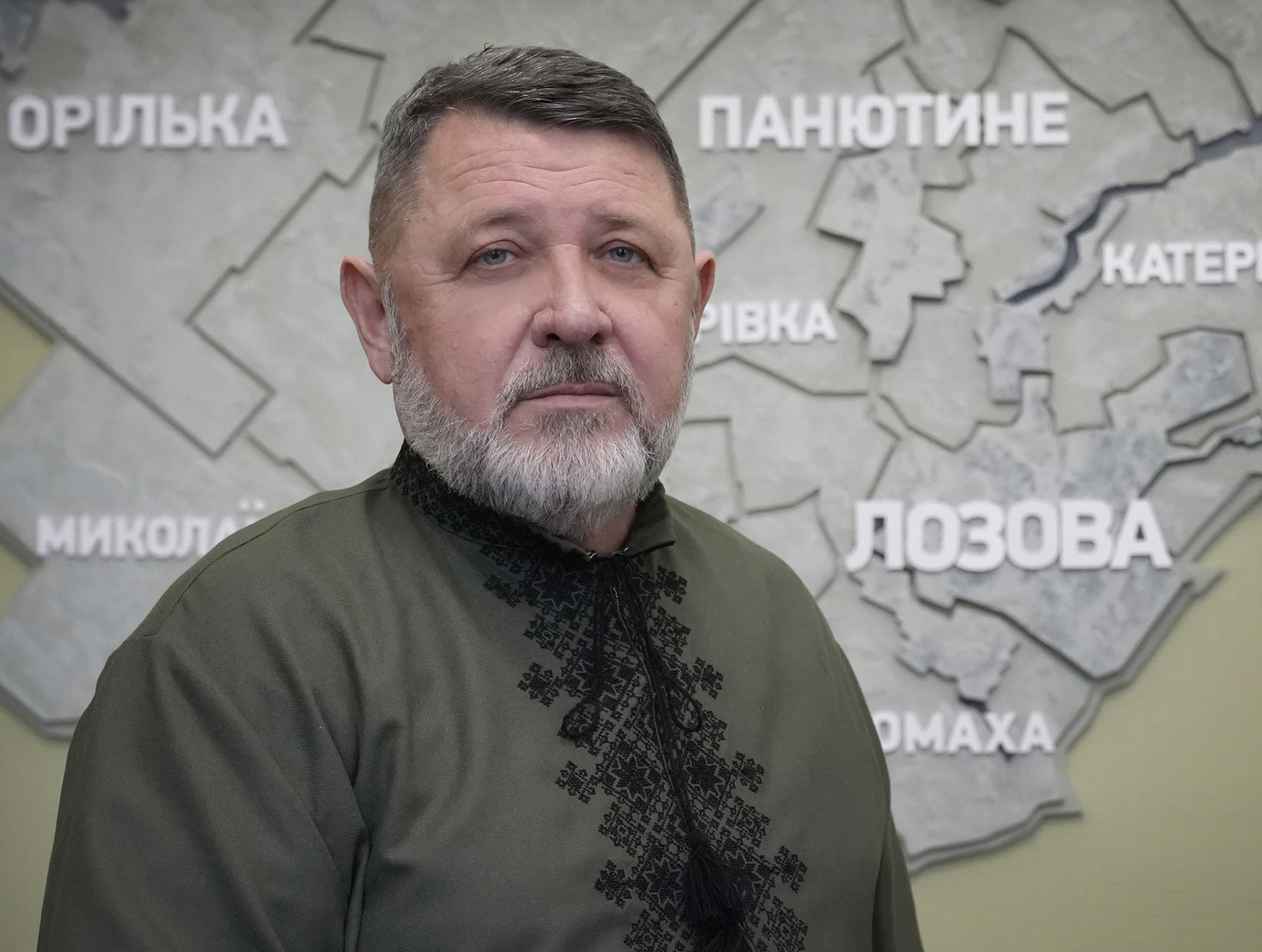
Serhii Zelenskyi, Head of Lozova community in Kharkiv region
War as routine
The last time we spoke to you in spring 2022, Russian troops were just 50 km from Lozova. You said at the time that around 60 per cent of the community’s residents had left. How many of them have since returned? Have internally displaced persons been able to replace those who did not come back?
It is difficult to say exactly how many residents are temporarily away. I think around 20 per cent. However, this difference has been compensated for by displaced persons from occupied communities and frontline areas. Currently, out of 90,000 residents, around 16,000 are displaced persons. We are taking care of them and trying to provide them with housing and humanitarian aid. We view them as our fellow citizens in their own right, who are eligible for all support programmes operating in the community.
Four years ago, you said that the russians had struck residential areas in Lozova three times, resulting in one death and 10 injuries. Back then, it seemed almost unbelievable. What is the terrible toll now?
Last autumn, the russians attacked us almost every day. In total, during the war, there have been over 240 attacks: with drones, guided bombs, and missiles. Now there are about 1–2 attacks every week. These have resulted in 6 civilian deaths and 33 injuries. That is what the ‘russian world’ has brought to our community!
How did Lozova get through the winter? The news was constantly reporting on missile and drone strikes against the community’s energy infrastructure and how, as a result, thousands of households were left without electricity and heating. What is the current condition of this infrastructure?
There is probably no need to go into detail about the damage to critical infrastructure; the main priority was to ensure people had heating and water. I will simply say that the destruction is extensive. But our ‘brothers’ did not just target infrastructure. Almost 1,500 flats in 168 apartment buildings have been damaged, as well as 508 private houses. The damage varies: in some buildings, windows were blown out along with their frames; in others, doors were torn from their frames; and still others had their roofs blown off by the blast wave. One of the worst strikes was a month and a half ago, when we were bombarded with, as it seemed to us, everything they possibly had. In just two hours, 79 private homes and a great number of critical infrastructure sites were damaged. Following the devastating strikes that day, 18 residential buildings are no longer repairable.
How are the community’s residents coping under such terrible circumstances? Have they become accustomed to it?
How on earth can anyone get used to this!? The thing is, the shelling is frightening people less and less. They no longer think about leaving the city when they hear explosions, but try to hide in safe places until the shelling stops. And then they carry on with their normal lives. Even the destruction of homes, sadly, has become something of an everyday reality. Because everyone knows: if a home has been damaged, the owner must submit an application to the Administrative Services Centre or via the ‘Dii’ app. A special commission from the city council will then visit the property, and based on their findings, the owner can receive construction materials from humanitarian missions or financial compensation from the state.
 3
3
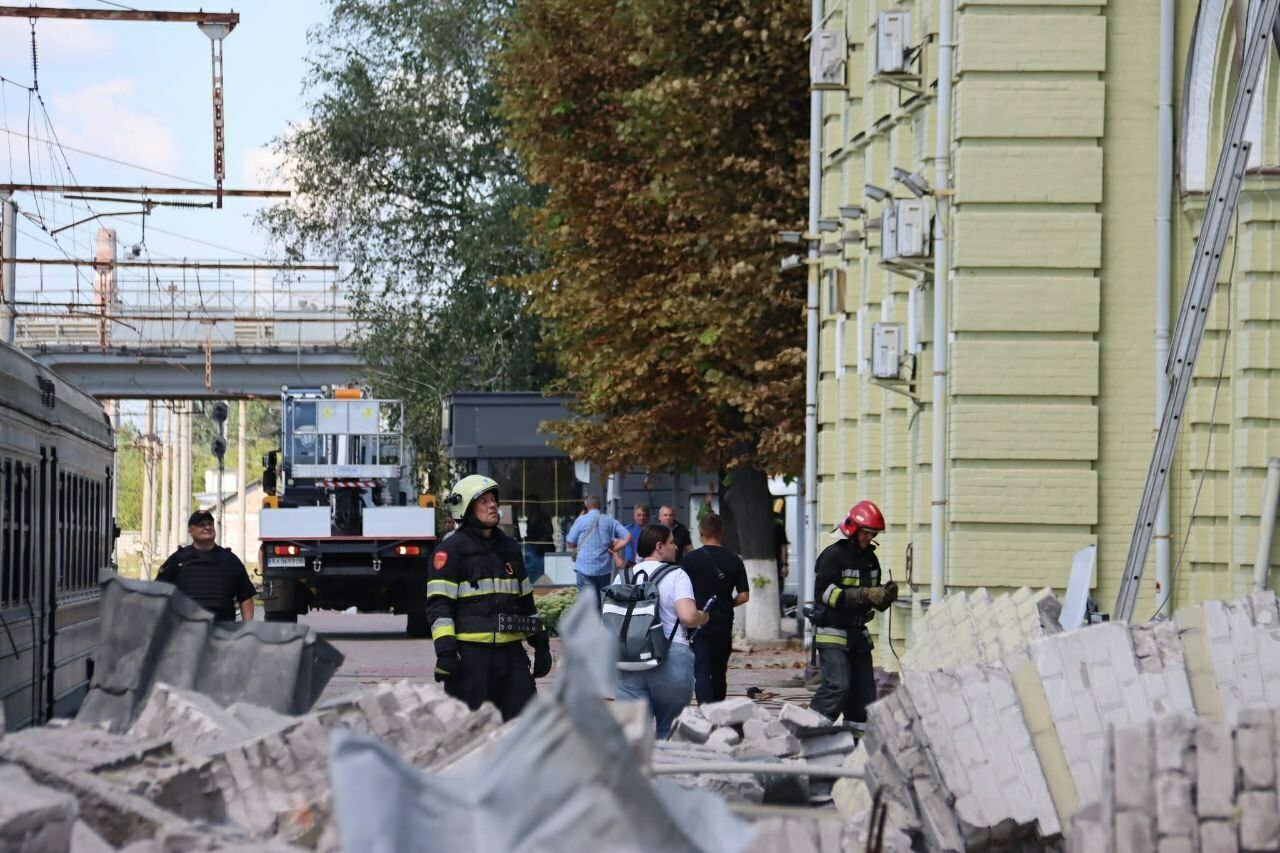
Removing the damage caused by the shelling of the Lozova railway station
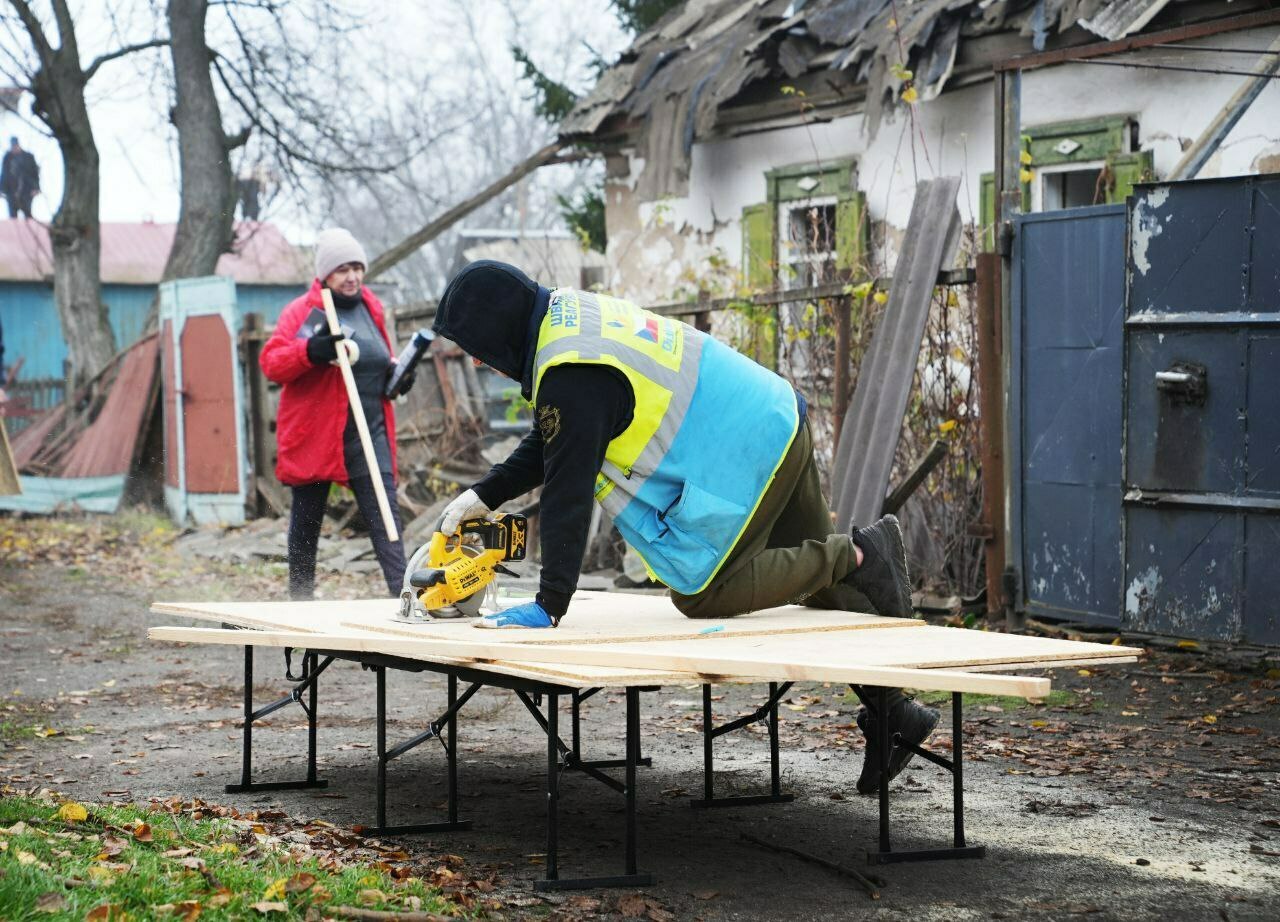
Lozova City Council helps people repair their homes damaged by russian attacks
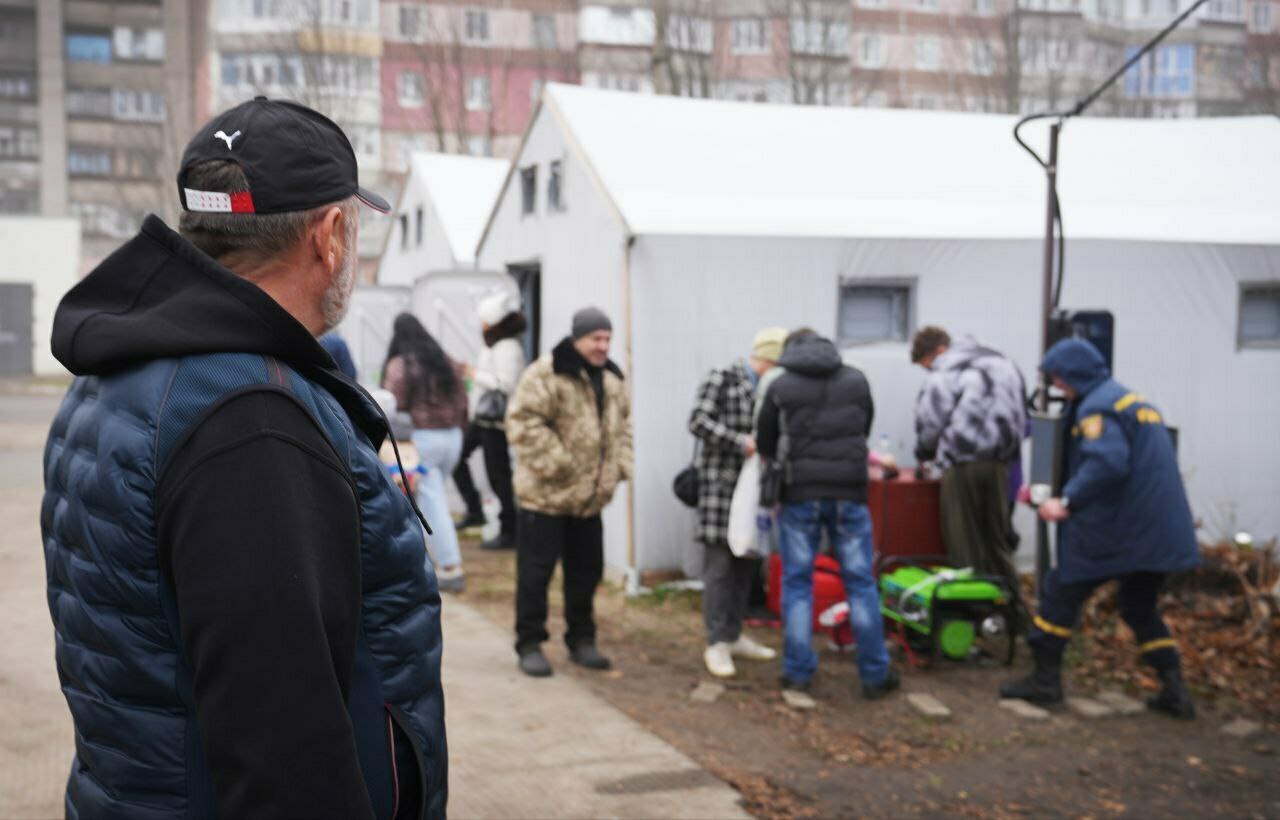
A resilience point in Lozova
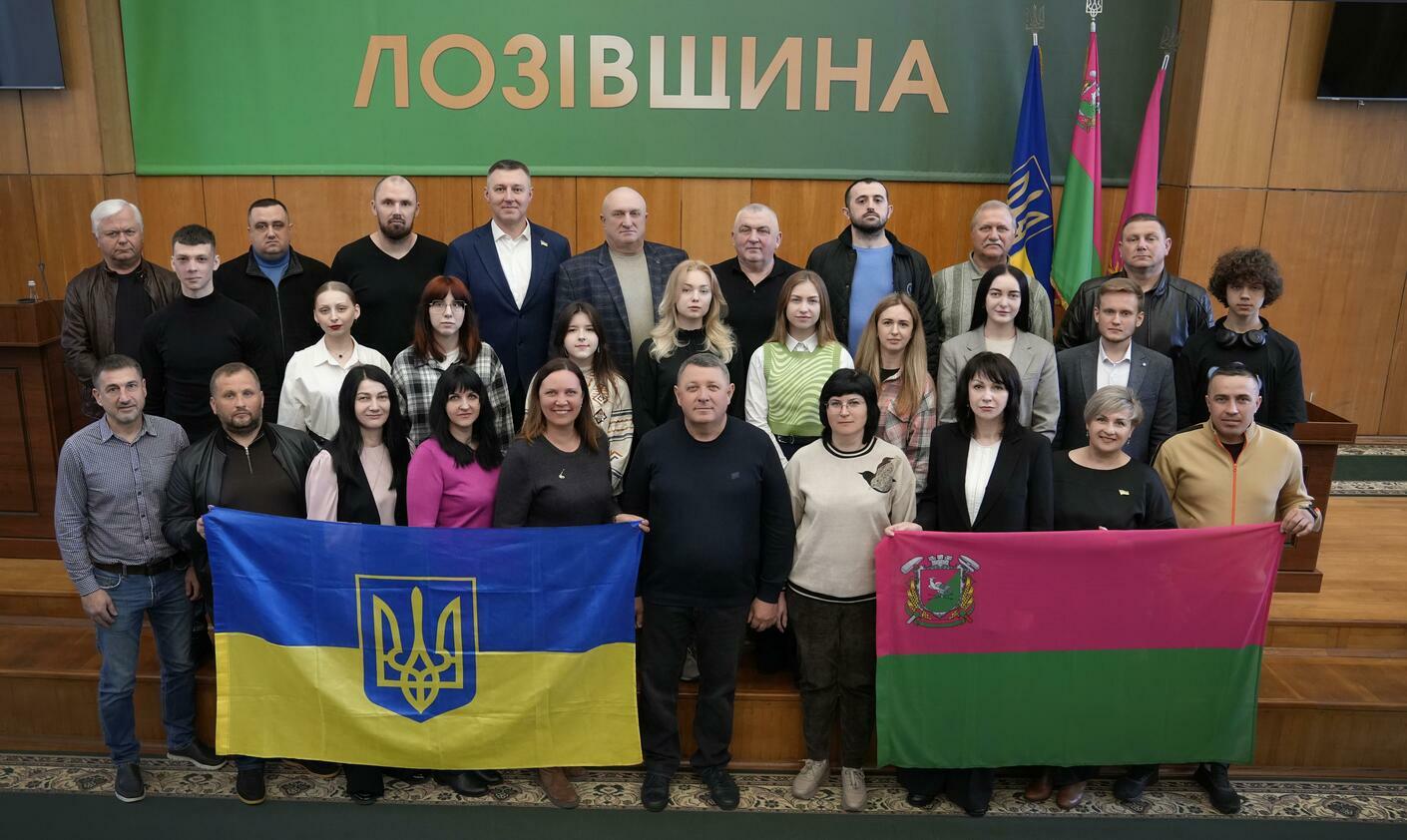
Members of the Lozova City Council. In the centre – Serhii Zelenskyi
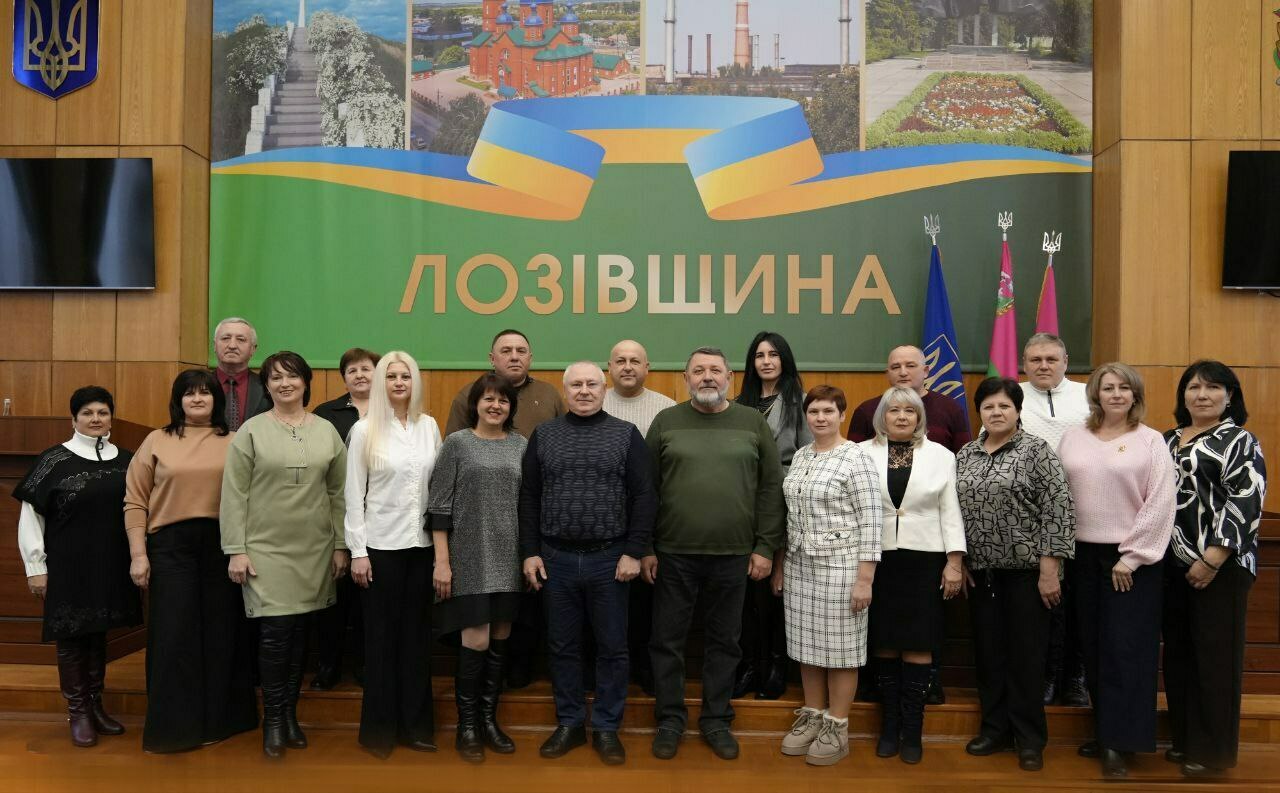
Serhii Zelenskyi with community starostas
How the state has owed Lozova a quarter of a billion
Four years ago, you said that ‘budget revenues amount to only around 20 per cent of the planned figures’. What is the situation now?
At present, we cover only 70per cent of our needs with our own revenue. We are therefore very grateful for the support of the Kharkiv Regional Military Administration, the Kharkiv Regional Council, as well as various civil society organisations and foundations. We would find it very difficult without their support. Our community’s budget currently amounts to UAH 1.3 billion, of which UAH 670 million comes from our own revenue. Last year, we managed to exceed the budget by almost UAH 80 million, which gave us the opportunity to increase support for our military and make investments in the utilities sector. This year, in the first quarter, we have also exceeded the budget. However, prices for fuel and lubricants, as well as for equipment, have risen. So, our expenditure is rising every year, whilst revenue – from personal income tax, the single tax, and land tax – remains the same as before. And if the government also introduces changes to the single tax, it will be a severe blow for us. We would then lose a further 20 per cent of our own revenue.
Have you done anything to ease the situation for local businesses? To what extent can a frontline community, in such difficult conditions, influence the growth of tax revenues?
We literally rely on our business owners! We never burden them with all sorts of demands. For those who have suffered from attacks and submitted the relevant claims, we are reducing local taxes. But business owners are still gradually moving to safer areas, relocating their businesses there and scaling back operations. We are in constant contact with them; we always try together to find solutions to all difficult situations. But what can I offer a person when we are under constant attacks? There is little the community can do about this. And at this difficult time, the state is causing us even more problems.
What problems? What do you mean?
Well, for example, the demand to increase salaries for technical staff in the education sector. We already pay for all the utility services anyway. And then the government has recommended a 2.5-fold (!) pay rise for social workers… All of this requires an additional UAH 48 million. Of course we want people to earn more, but where are we supposed to get the money? And what about other sectors? Salaries probably need to be raised there too. Instead, this year we have allocated UAH 40 million to support our defence forces. That is no small sum – 6 per cent of our own revenue – and it is the maximum we can spare. So what are we supposed to do, transfer these funds to educators and social workers instead? Therefore, the state’s demand is, to say the least, ill-timed.
On 18 December 2024, you submitted a resignation notice voluntarily. In doing so, you protested against the state’s refusal, since 2022, to compensate the municipal utility company ‘Teploenerho’ in Lozova for the difference in tariffs. As a result, its employees are not receiving their salaries, the company is stuck in court proceedings, and a criminal case has even been brought against the director. Has this situation changed?
Firstly, that was not the reason I wrote the resignation note. I simply did not see a systematic approach from the state to resolving certain issues. Two problems beyond my control are the war and the housing and utilities sector. Constant ill-considered demands from above are leading to a diminishing role for decentralisation in society and within communities in particular. As a result, communities are sometimes turned into scapegoats. The situation with heat supply has only worsened, primarily due to regular russian attacks on our critical infrastructure. But this also happened because the state failed to pay us the difference in heating tariffs. We do not understand how to resolve this situation. We have lost personal income tax revenue from military personnel, law enforcement officers and firefighters, which amounted to almost UAH 130 million a year. And the 4 per cent personal income tax we received in return only compensated for a third of the loss… The situation has not changed, so the debt has only increased.
But surely you realise that now is not the time to raise tariffs for the local population, and that the state is just as short of funds as Lozova community?
Of course, we get it, but at the same time we should not pretend that everything is fine. How are we supposed to prepare for the heating season? Where are we supposed to get the money for that? And then there is the problem of renovating, modernising, and building new boiler houses. The government does not allow us to raise heating tariffs, yet it does not explain where we are supposed to get the money for this. Why are we still operating on 2019 prices, when one gigacalorie cost almost UAH 2,090? In reality, its cost price is now almost UAH 4,000, and for the budget even more – UAH 5,000. The state should compensate us for the difference, but it is not doing so. And now the debt from the promised compensation has already risen to UAH 285 million. What are we to do next? How can we avoid the risk that the population might one day simply not receive heating services? During the war, how many court hearings do you think have been held on cases directly or indirectly linked to this unpaid compensation? Over fifty! Our accounts are being frozen, penalties and fines are being imposed; we cannot pay people’s wages on time, nor taxes to the state; we have significant debts to electricity and gas supply companies. But what can we do? We simply do not have this money. Last year, we allocated nearly UAH 70 million in funds alone to support utility companies, not to mention substantial supplies of pipes, boilers, equipment and so on.
Perhaps you could try to reduce costs by introducing new technological solutions?
Oh, this is a dream come true! In theory, of course, it is possible, but in practice… It requires substantial funding, and, once again, we simply lack the necessary amount. Even the loan funds under existing agreements are not coming through due to the debt case. But we are not sitting idly by. We are actively seeking funding from different donors. Meanwhile, as you rightly mentioned, the enemy constantly strikes our infrastructure. As a result, we face major problems with three boiler rooms that need to be built or renovated. Otherwise, there could be problems next heating season.
Are you really doing absolutely nothing to reduce the city’s heating costs?
Of course not! We certainly are. Thanks to various charitable foundations and non-governmental organisations, we are actively installing solar panels across the community, modernising boiler rooms and networks, and installing cogeneration equipment. We have also purchased equipment that stabilises transformer operation in the event of voltage fluctuations. This has had a positive effect. Although, once again: 1 kW of electricity currently costs almost 18 UAH for businesses, 4 UAH for households, and when it comes to the heating tariff, the cost of 1 kW included in it is 2.20 UAH. Interesting maths, isn’t it? How can this be possible? That is why I keep raising this issue. To be honest, I feel like Don Quixote fighting windmills. But to remain silent is to sign the community’s death warrant.
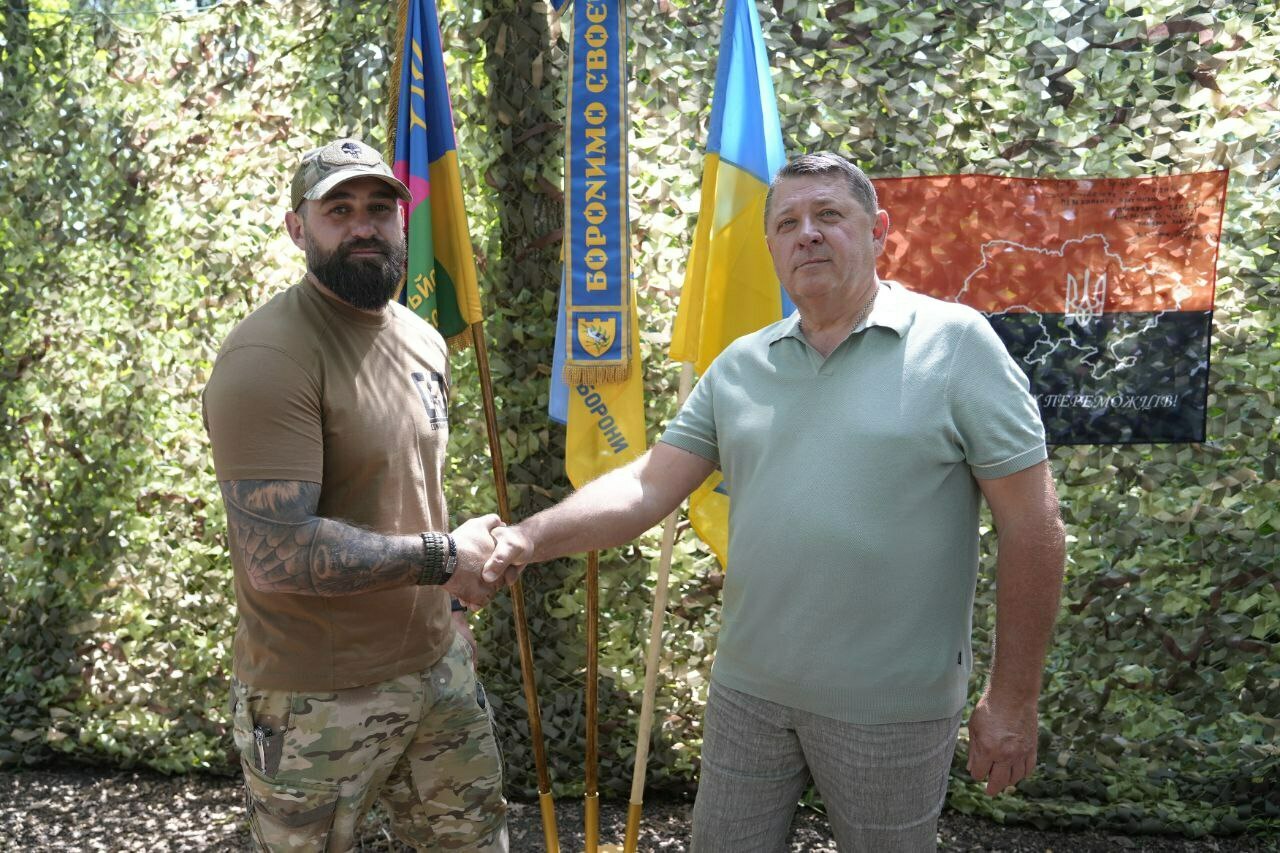
Serhii Zelenskyi during the handover of equipment to the military
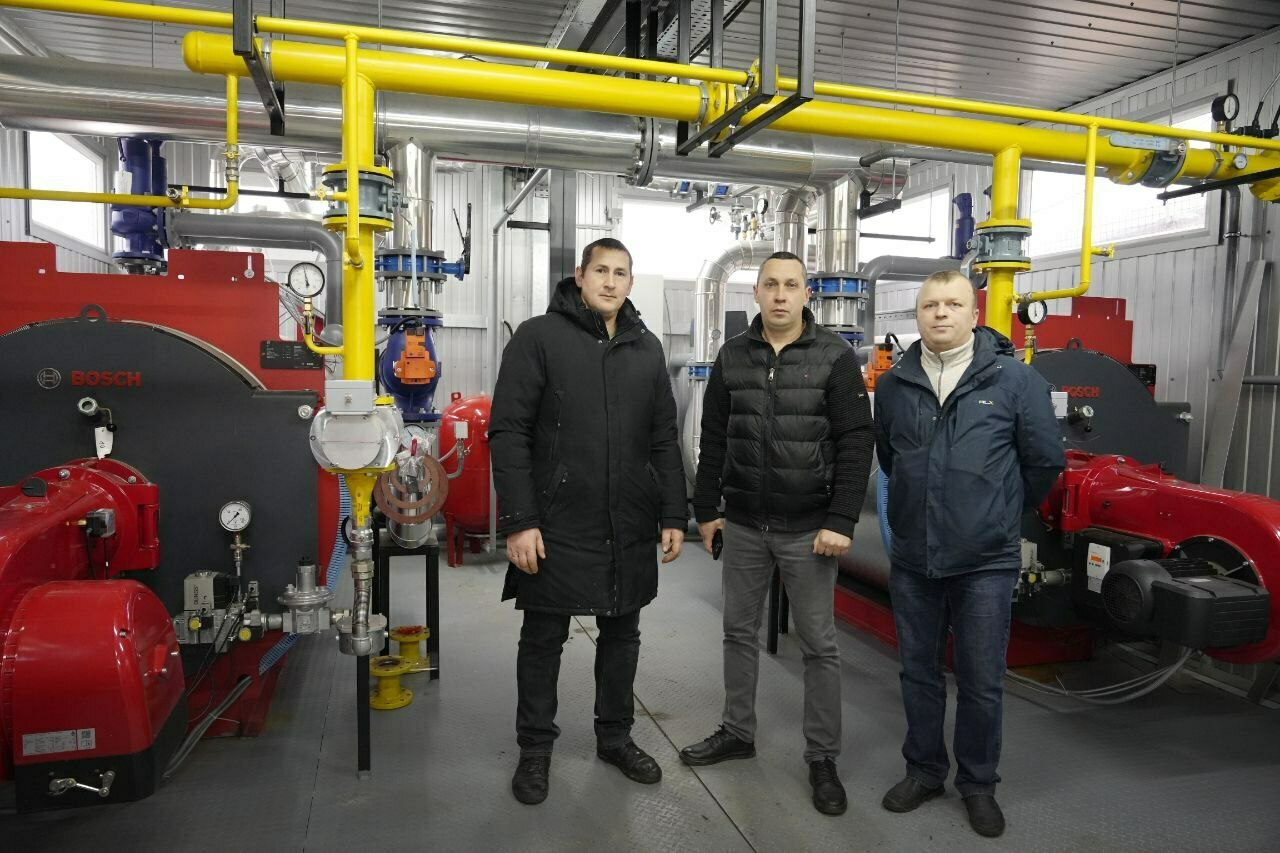
The leadership of the Lozova utility company ‘Teploenerho’, to which the state owes UAH 285 million. From left to right: Chief Engineer Serhii Klymenko, Director Serhii Malyshev, Engineer Vadym Troshchyn
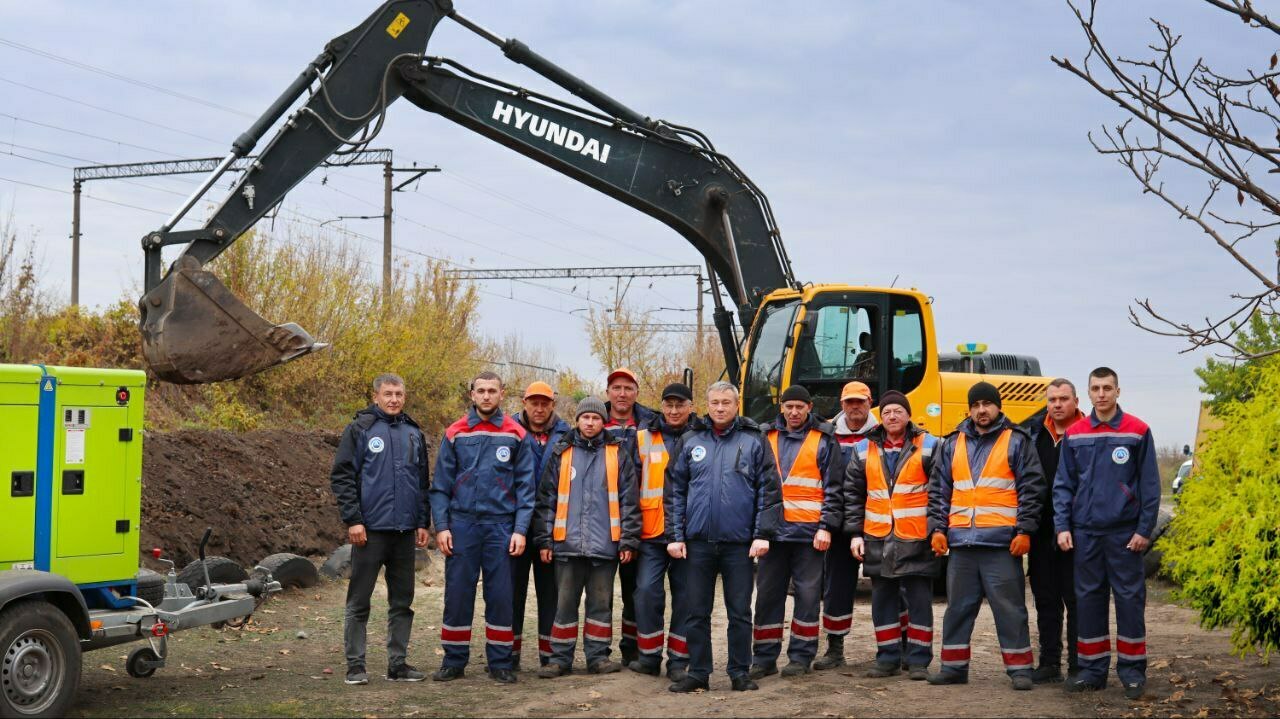
Employees of the Lozova utility company ‘Lozovavodoservis’
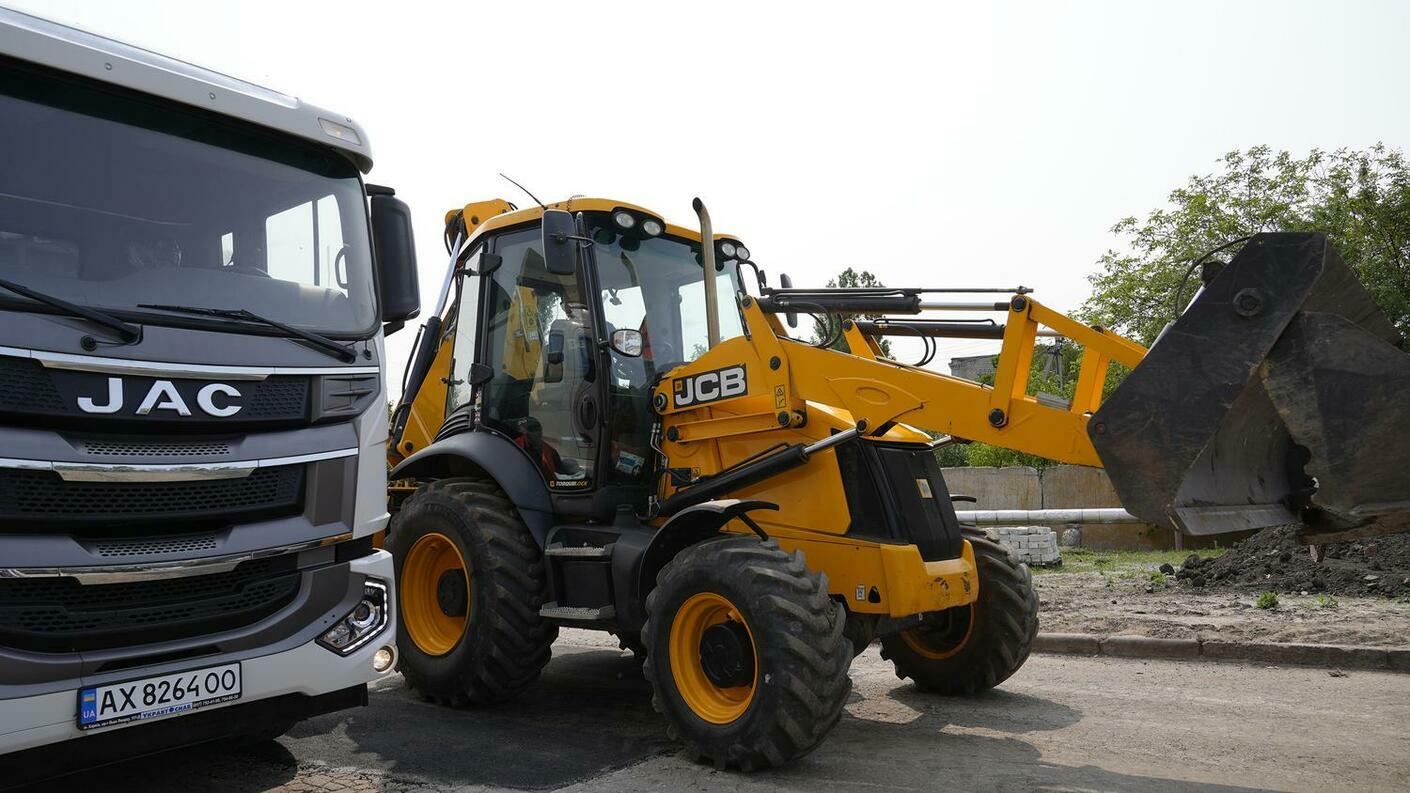
New vehicles for the Lozova housing and utilities company
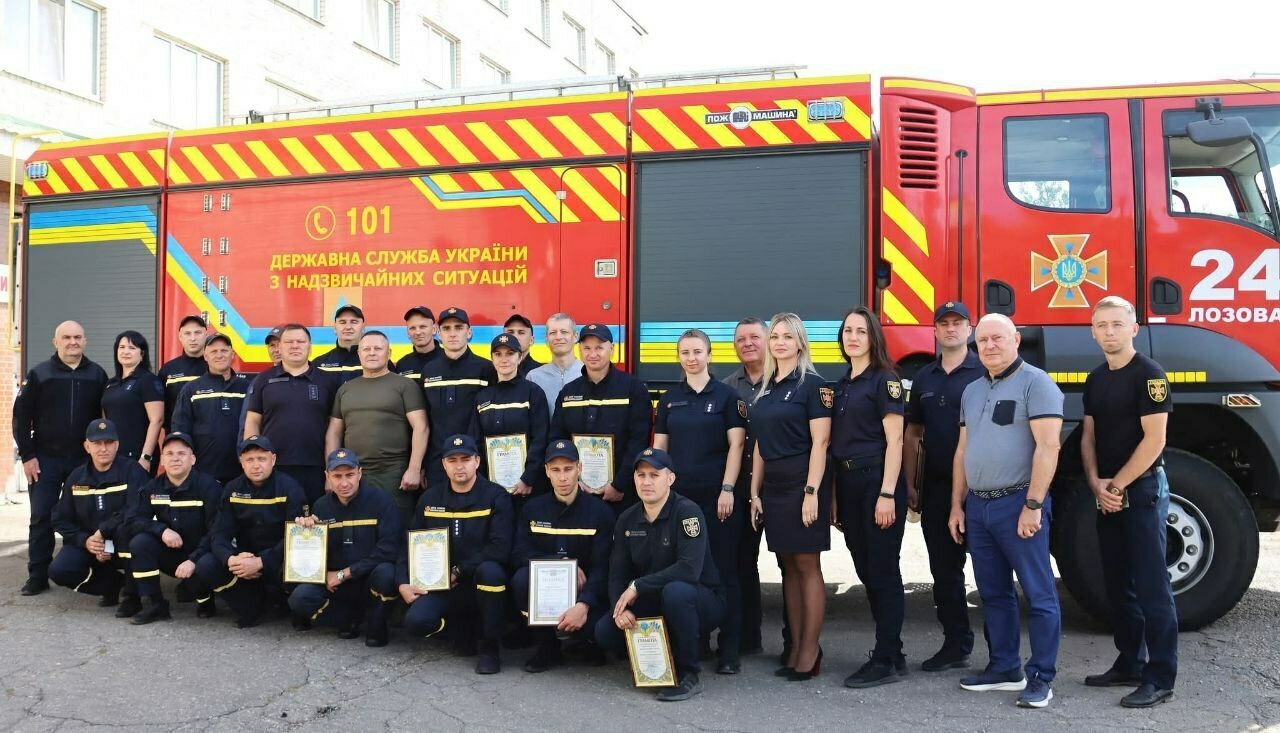
Rescue workers from Lozova, who are under the greatest strain due to russian attacks
On how the Finns and Italians are developing sport in Lozova
Just one year after the start of the war, several schools and nurseries in Lozova community lay in ruins. Have they been repaired?
One of our schools cannot be repaired. When we developed the project and technical documentation and received the expert assessment, we realised that the cost of the repairs exceeds our annual budget from our own revenue. This figure, however, includes the construction of bomb shelters, other related infrastructure and improvements to the grounds. In parallel, we are working on the restoration of another school that was not as badly damaged by the shelling. UAH 7 million has been allocated for its repairs this year. Howard Buffett, by the way, has resolved the issue of the window frames in this school. We are also actively building bomb shelters, and we hope that next academic year our pupils will finally be able to study at least in a blended format. But with the constant ‘reforms’ being pushed by the state, this may be unlikely.
Which specific requirements of the state could stand in the way of this?
Take, for example, the demand to reduce the number of schools. In peacetime, this seemed reasonable. But what are we to do now, when the road infrastructure is practically unusable? Is it really possible to transform 30 of our under-enrolled schools into branches of hub schools and gather all children in grades 10 and 11 into just two schools? The distance to these hub schools sometimes reaches 60 km along destroyed roads! So we were forced to adopt a resolution at the session addressed to the Cabinet of Ministers and the Ministry of Education stating that, due to the war, we cannot implement this state requirement. There is simply no way to reach some of the starosta districts! And in the midst of war and a lack of funds, road repairs are not a priority. Besides, when drones and missiles are hitting the community practically every day, there are more important things to worry about. The only thing on the mind is the safety of the children, not how many are in the class. And, by the way, we have quite a lot of them: there are over three thousand displaced children here alone.
On 25 March, you posted on Facebook that Lozova community had begun working with Finnish partners, but you did not specify what this collaboration entails. Please speak more about it.
There is a very good DREAM system where projects can be submitted. Donors evaluate them and subsequently contact us themselves. We found several donors in this way. We also regularly send letters asking for support for our community to Ukrainian embassies around the world. This is how we got in touch with the Ambassador Extraordinary and Plenipotentiary of Ukraine to Finland, who helped us attract Finnish donors. So far, we have held just one online meeting with them, exchanged the most important information, and I hope that the best is yet to come. We are primarily asking for support for our children’s health, as well as assistance with education, sport, and culture… It all depends on what the Finns are able to offer.
And how can the Finns help you with sports-related matters?
For example, we have been successfully cooperating for three years now with the Italian municipality of Fermo in Marche region. We send our children’s basketball teams there for the summer, where they not only rest but also participate in all kinds of competitions. And they even win prizes! We also have similar partners in France, in the town of Tomblaine, where our children have also travelled. Not to mention the western part of Ukraine, where we send some of the children to summer camps, contributing financially to their vacation. Such initiatives are extremely important, as our children have barely spent any time in the classroom: following the pandemic, full-scale war disrupted their lives.
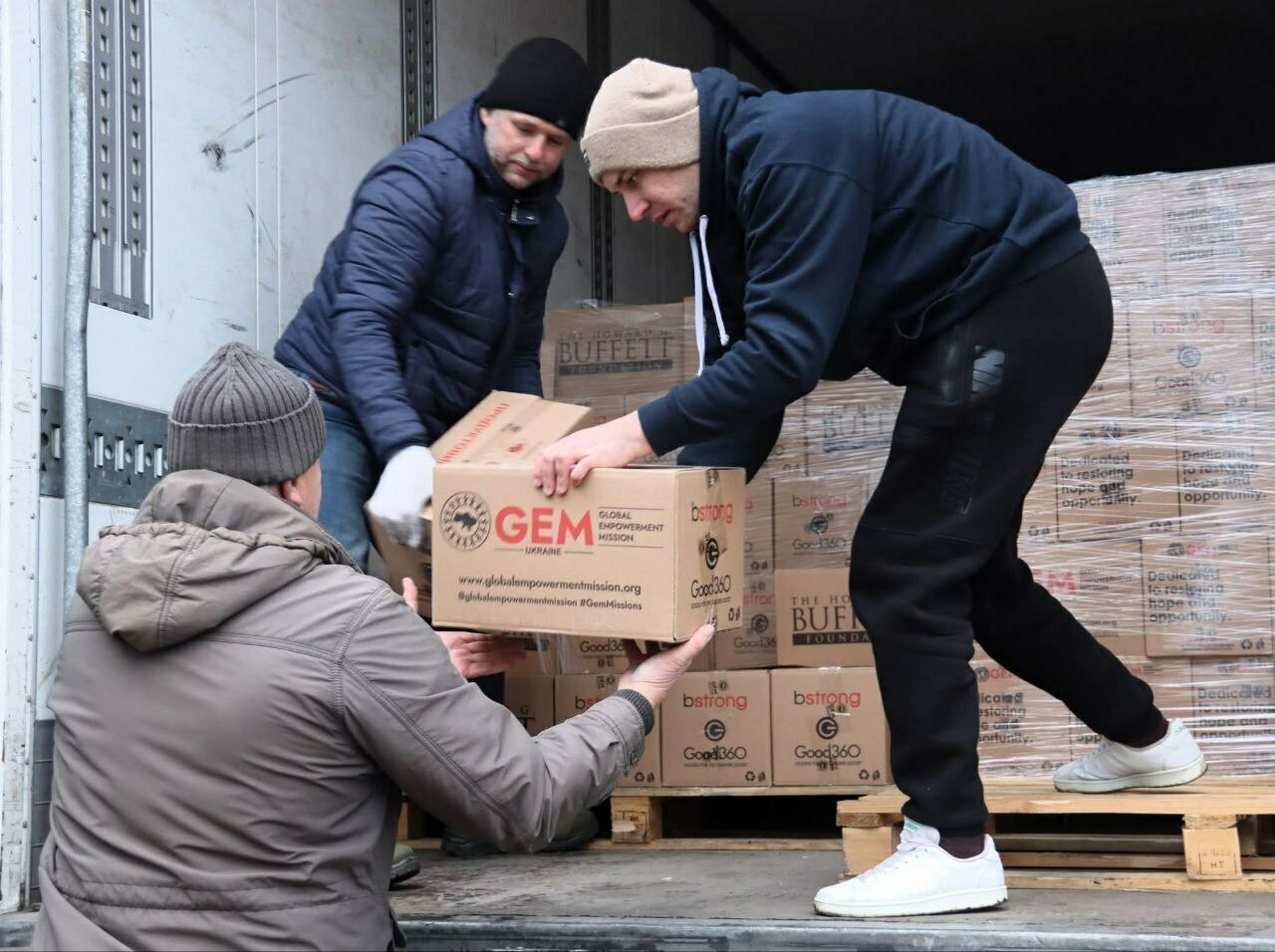
Unloading of humanitarian aid from the Global Environment Mission (GEM)
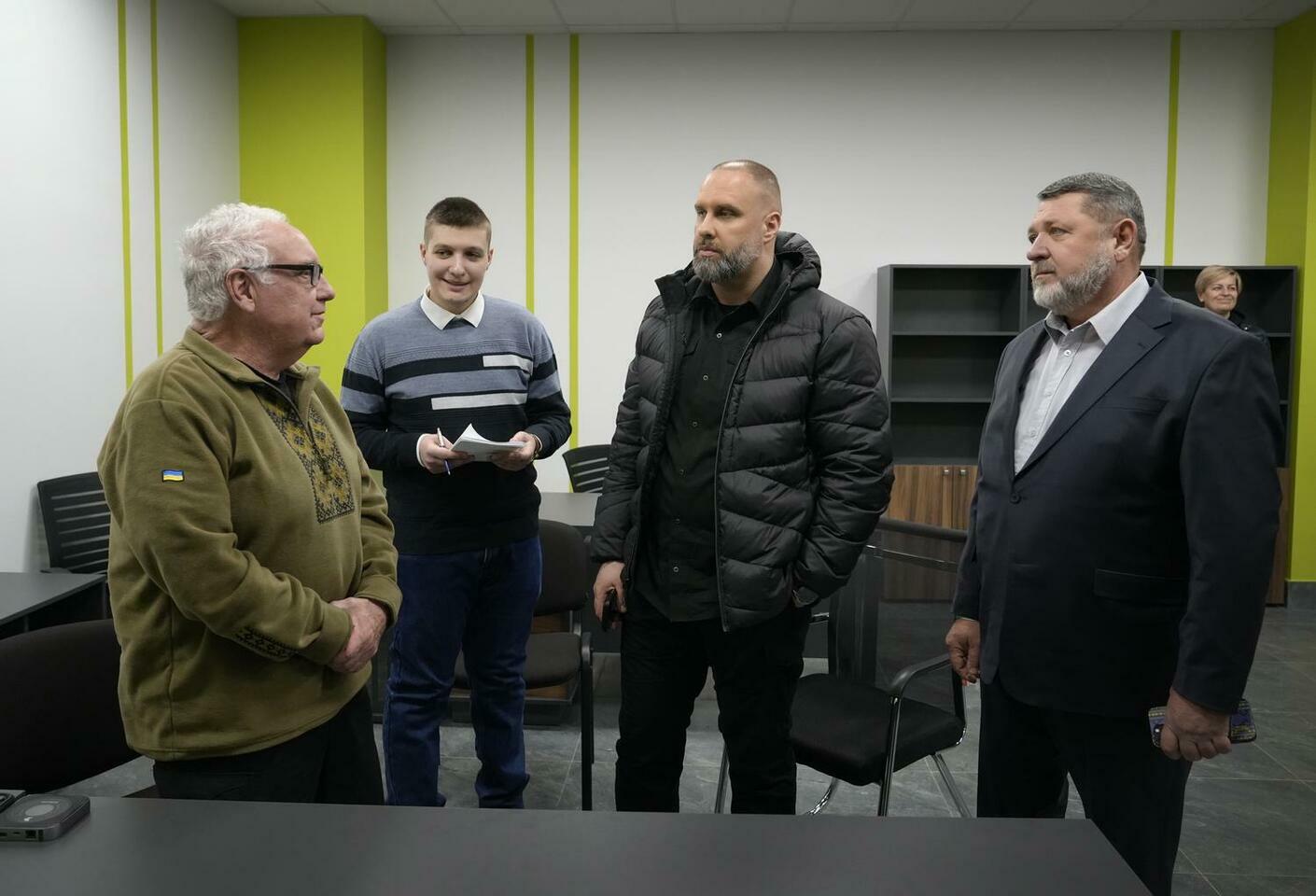
A meeting in Kharkiv with the renowned businessman and philanthropist Howard Buffett (first on the left). First on the right is Serhii Zelenskyi, Head of Lozova community. In the centre is Oleh Syniehubov, Head of the Kharkiv Regional State Administration. October 2024
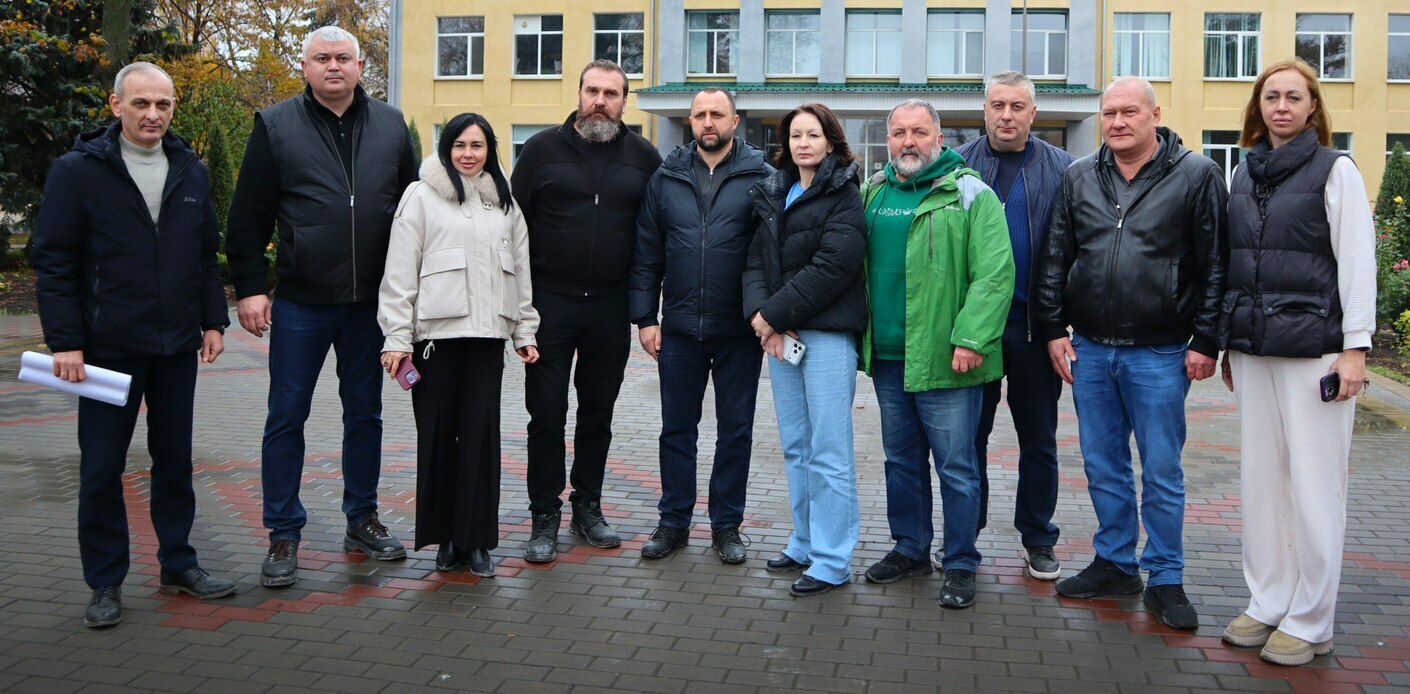
A delegation from the Ministry of Education in Lozova. Minister Oksen Lisovyi – fourth from the left
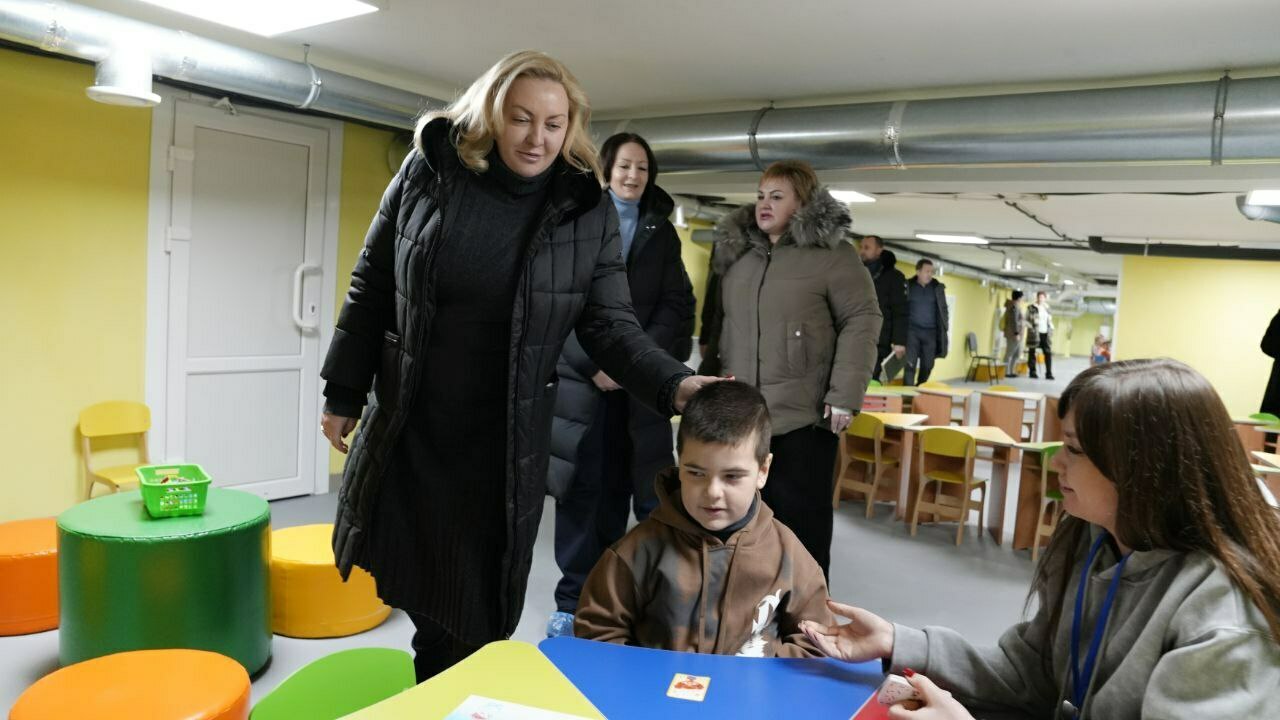
Tetiana Yehorova-Lutsenko, Head of the Kharkiv Regional Council, in a renovated bomb shelter
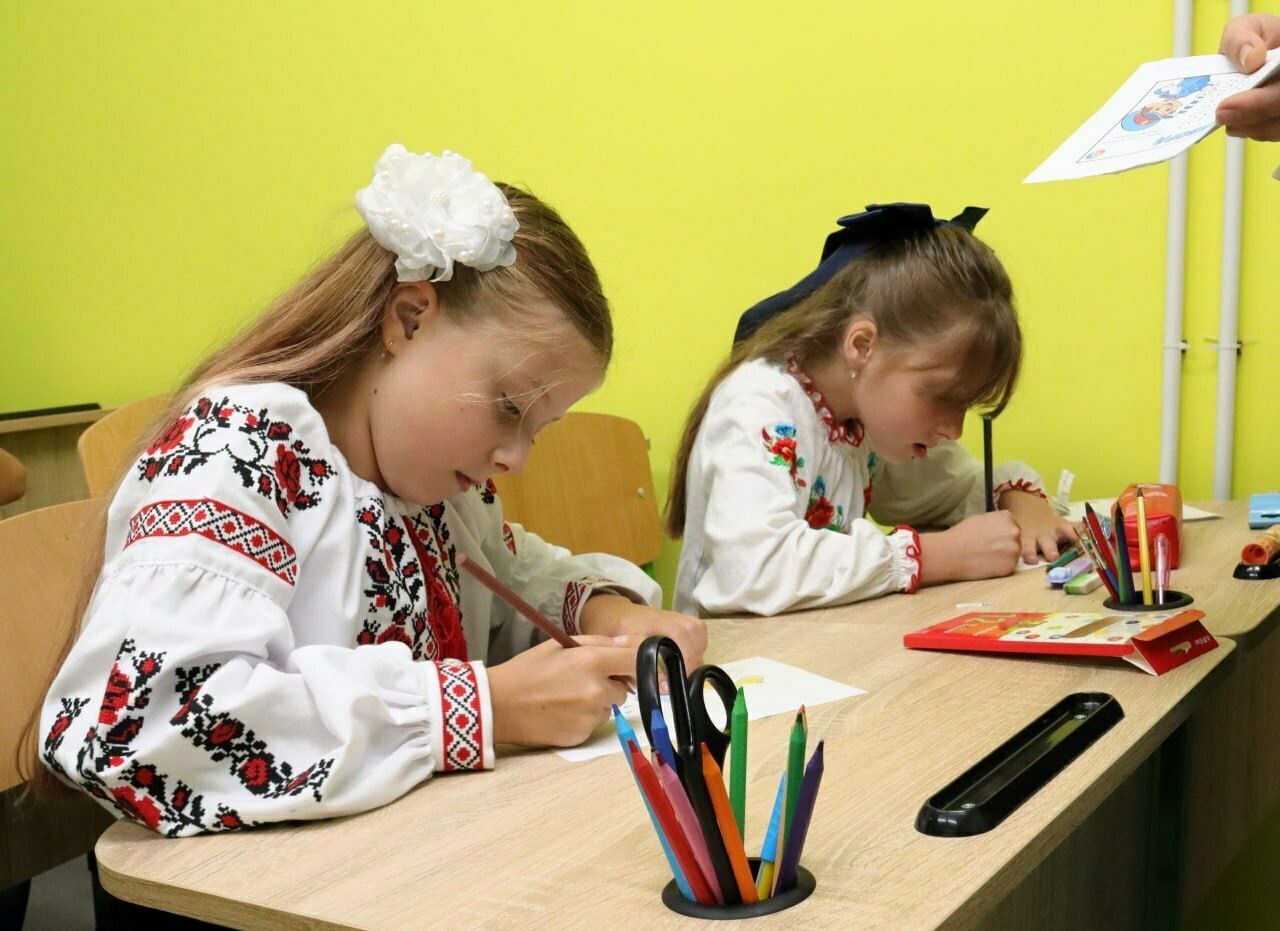
At the Lozova school
Lozova City Council is encouraging people to commute by bicycle
Does it mean that Lozova community has a department whose responsibilities include, among other things, correspondence with Ukrainian embassies in different countries?
No, there is no department, but rather a specific strategy for securing non-budgetary funds. And each department and division, as well as the relevant deputy heads, are already implementing it in their own way. For example, the utility company ‘Lozovavodoservis’ managed to obtain 18 km of water pipes from UNICEF to replace its networks and improve water quality. The sports department has found a partner in Germany, with whom we are currently negotiating to send our footballers to take part in friendly matches. Another department has reached an agreement with the Swedes, who have taken part in three projects: on solid waste management, on improving water quality, and on energy efficiency. Moreover, these were not just agreements: we won the competition alongside three major cities – Ivano-Frankivsk, Kremenchuk, and Vinnytsia.
Share your secret: what should be done to find such partners?
Stay active. Look for opportunities, take part in calls, apply for grants, attend forums, and post on social media about what you need. And the result is clear: last year alone, we secured UAH 243 million in humanitarian aid, not to mention equipment and supplies.
Let’s talk about social media. How important is it right now, in the midst of the war? Please share your thoughts as a person with a Facebook page that has 24,000 followers.
This is a simple question. With most of the displaced people arriving here with their own vehicles, the number of cars in Lozova has risen sharply. There are traffic jams everywhere. What can we do? People are asking for more car parks. We are doing this, but there still are not enough. I see a different solution to this problem. Our garage cooperatives are not even half full. There are plenty of spaces in paid car parks too. We simply need to remove as many vehicles as possible from the streets and, as is done abroad, ban round-the-clock parking of cars outside residential buildings. People must remember: parking near buildings is only allowed temporarily. Therefore, we are currently purchasing a tow truck to remove illegally parked cars. But we need to explain all this to people. If we do everything right, people will support this idea. After all, they too want order on the streets. And how can we encourage people to switch to bicycles, if not through dialogue? How can we explain that there is no need to chain a bicycle to a fence or a post when there are designated parking spaces?
Do you mean that you are developing a network of cycle parking facilities in Lozova?
Yes, and our urban planning documentation includes mandatory requirements for cycle parking facilities. Around 60 per cent of our stores and businesses already have bike parking facilities, and this work is ongoing. These bike parking facilities are relatively cheap, and the benefits are considerable. More bikes mean fewer traffic jams and healthier people. It also means roads need to be repaired less often. But the cycling movement also needs a certain culture – not to mention compliance with traffic rules. This will not happen on its own; it needs to be taught. And that means we need to talk to people about it all the time.
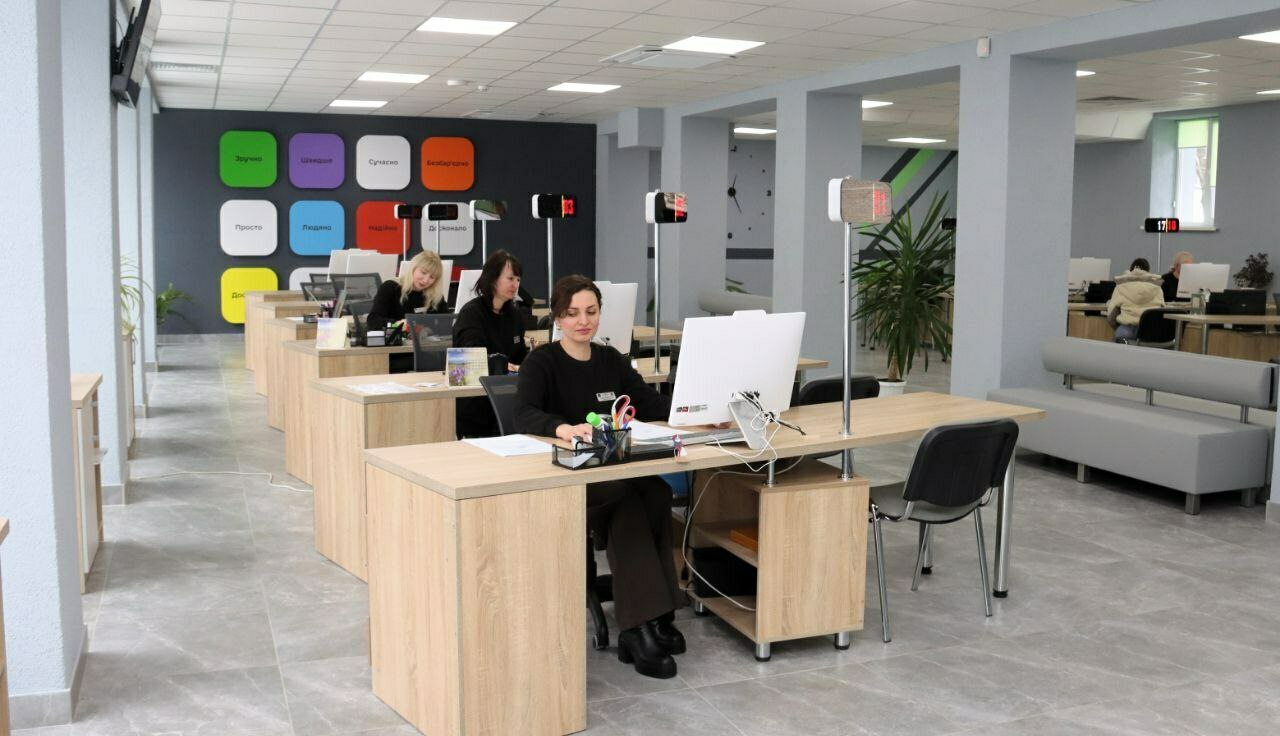
The new Administrative Service Centre in Lozova community
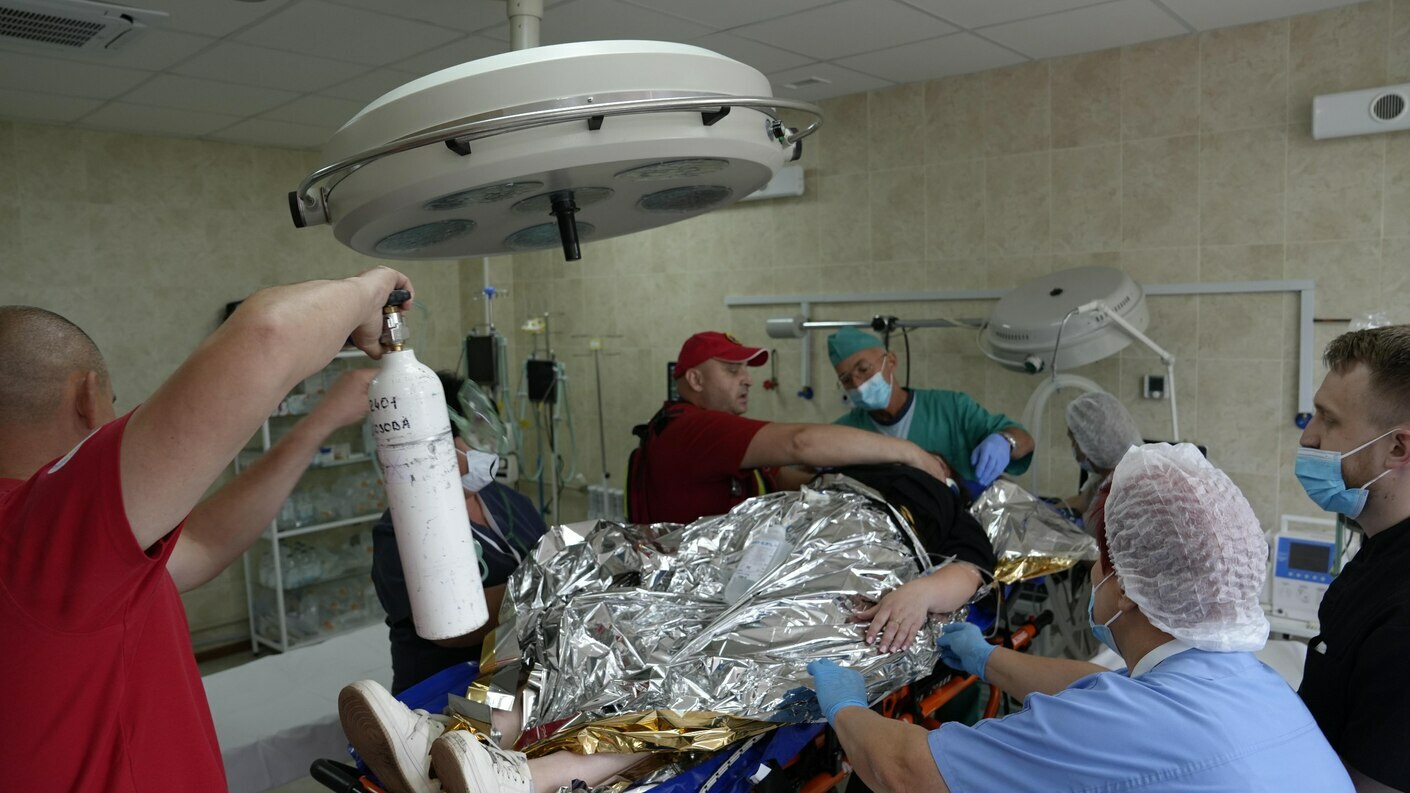
During a surgery at Lozova Hospital
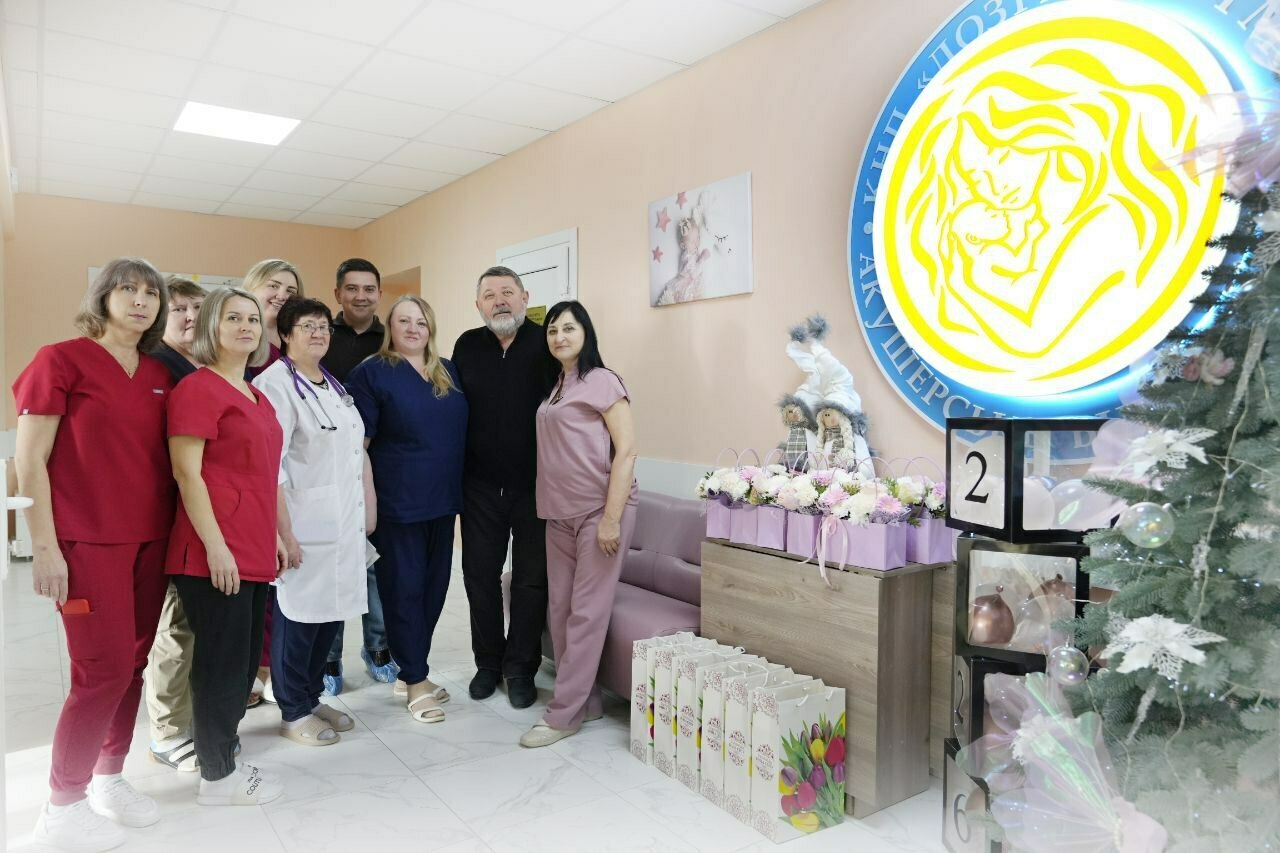
At Lozova Maternity Hospital
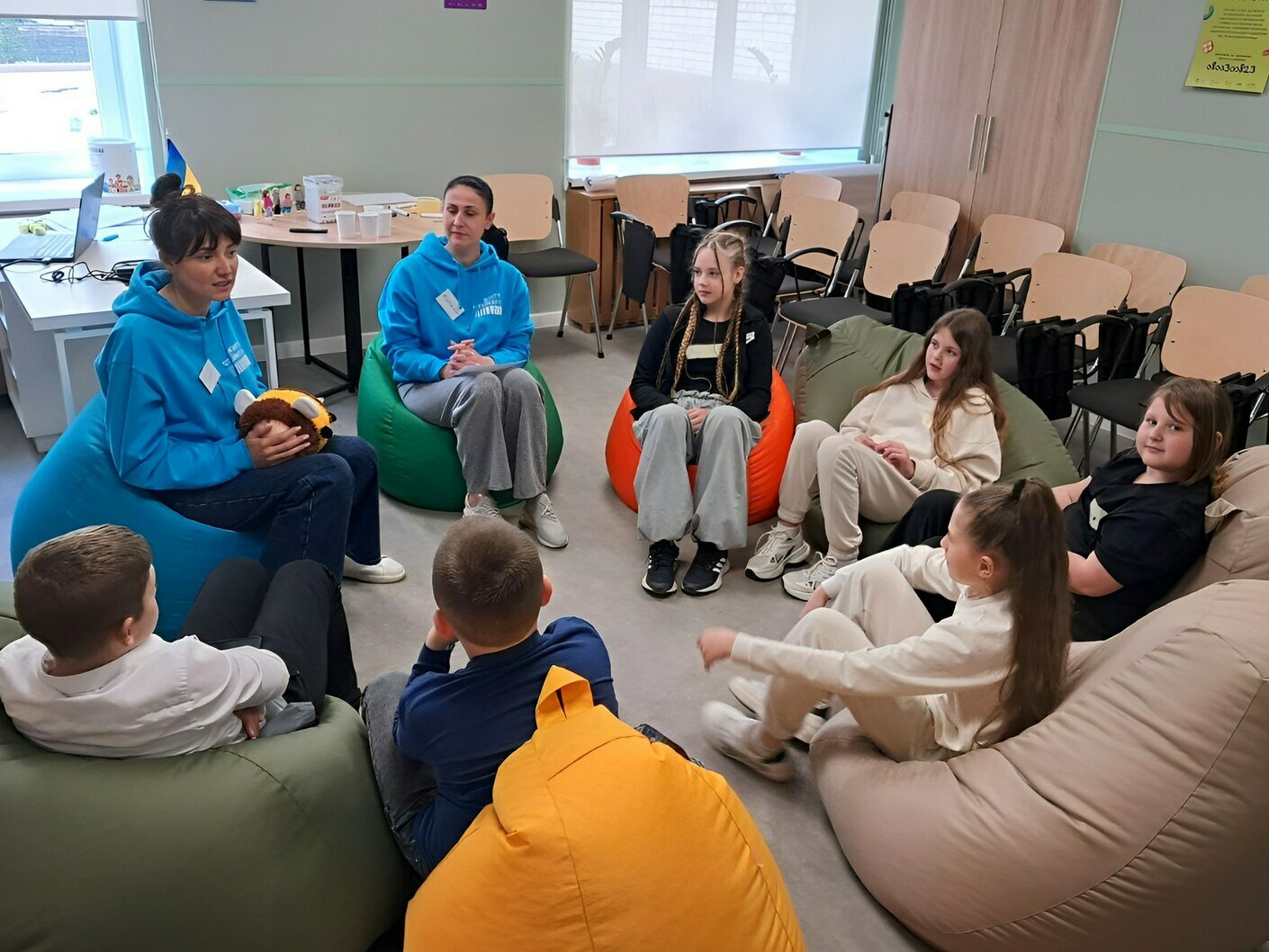
At the Lozova Resilience Centre
On housing for doctors and funding for university students
What do communities like Lozova – which form the backbone of Ukraine’s defence – need to become true ‘fortress communities’?
I believe we should not overestimate the role that communities can play in defending Ukraine. After all, the enemy is not being held back by them, but by the Armed Forces. And although we do indeed help the military a great deal, everything depends not on us, but on them. Besides, to make a community strong, investment is needed. But I have so far not seen a single state plan for such investment. Be that as it may, forget about investment! Let the state at least do what it is supposed to do. At present, a significant share of the state's responsibilities is funded by communities. Is that the way it should be? Take school support staff, for instance. I believe it is wrong that the state does not fund them. Can a school function without chefs and cleaners? And this is not to mention pre-school education, which is entirely funded by the local budget.
Along with this, there were instances where the state funded technical staff based on outdated standards rather than actual needs. And the school, for example, had a dozen unnecessary maintenance workers who were simply squandering public money. The community will not pay for them, and this has resulted in significant savings. Is that not so?
Well, my background is in finance; I hold a PhD in Economics, and the topic of my thesis was ‘Organisational and Economic Support for the Development of a Strategy for the Socio-Economic Development of Ukrainian Cities’. If the provision of education is a service guaranteed by the state, then it is wrong not to include the salaries of school technical staff in the cost of that service. At present, part of this cost is paid for out of the community’s own funds, and this goes against the Constitution.
The situation with education is clear. What about the situation in Lozova community, for example, with doctors, utility workers, and city council staff? Is there a staff shortage?
There is a certain shortage. But in this regard, I must say that I am extremely grateful to the state for making the decision to exclude public sector workers from military service. Thanks to this, the staff shortage has been significantly reduced. As for doctors, we are working very closely with the Ministry of Health and the National Health Service of Ukraine. We have 24 secondary care packages, 2 primary care packages, 31 general practitioners and 10 private practitioners. We have retained virtually the entire network of rural health posts and clinics in the villages.
So there is no shortage of doctors?
There is a shortage, but we have introduced several initiatives to attract them. Firstly, we pay doctors good salaries, which are higher than the regional average. Secondly, we provide them with accommodation. For a municipal apartment in Lozova to become the doctor’s property, they must work for us for ten years. Divide the cost of the apartment by ten years, and it becomes clear that in very few communities can a doctor earn as much as they do here. And keep in mind that we hand over the apartments to doctors after carrying out renovations at our own expense. Another initiative concerns funding for the education of prospective medical professionals. In other words, every student in the fee-paying programme at the medical university, having signed a commitment to work here for those same ten years, receives funding for their studies – covering the full cost. However, despite all this, interest in our community has waned recently – solely because of the war. Doctors also do not want their children to study online, yet here, even nursery school children are attending online, however absurd that may sound. Because safety comes first. We therefore very much hope that the war will end this year. And then, as before, we will no longer have problems, only opportunities.
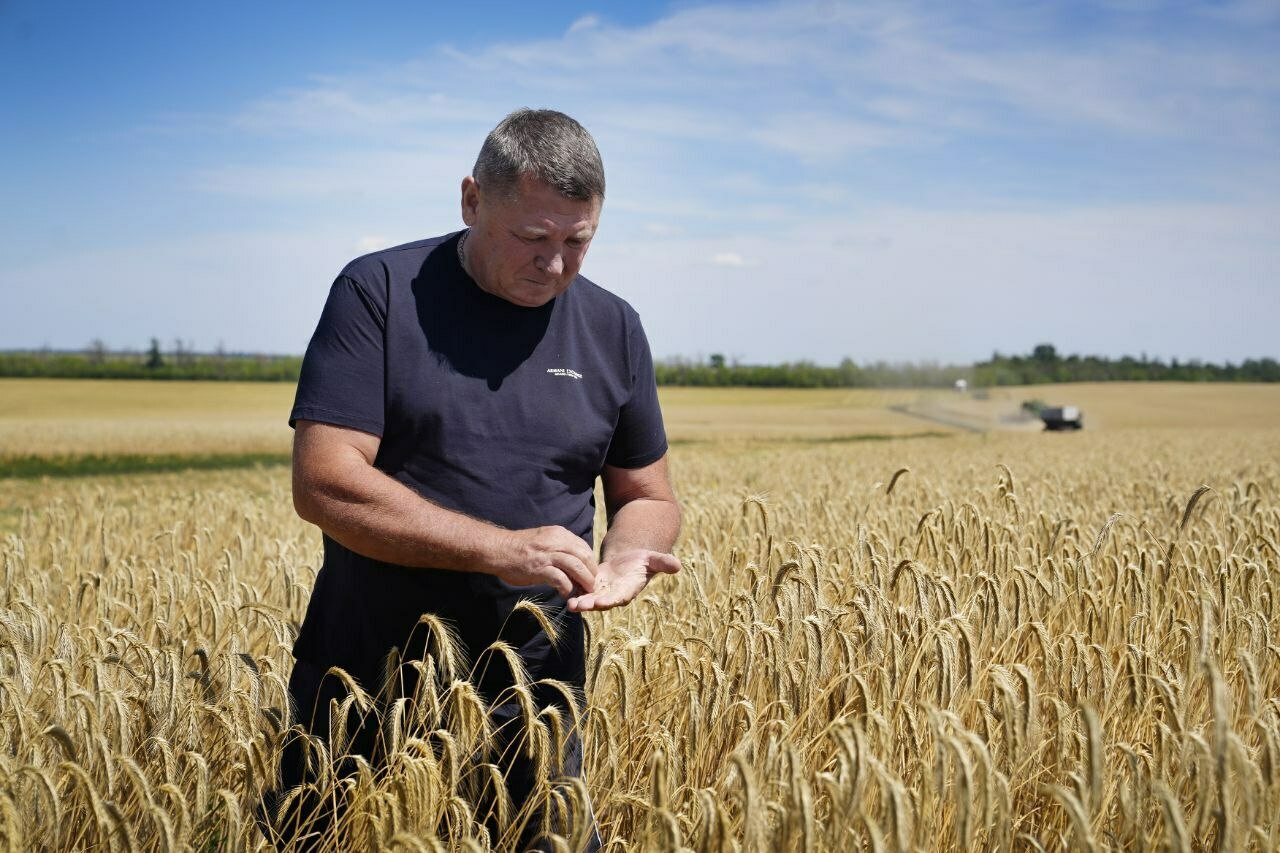
Serhii Zelenskyi during the harvesting season. Photo from 2025
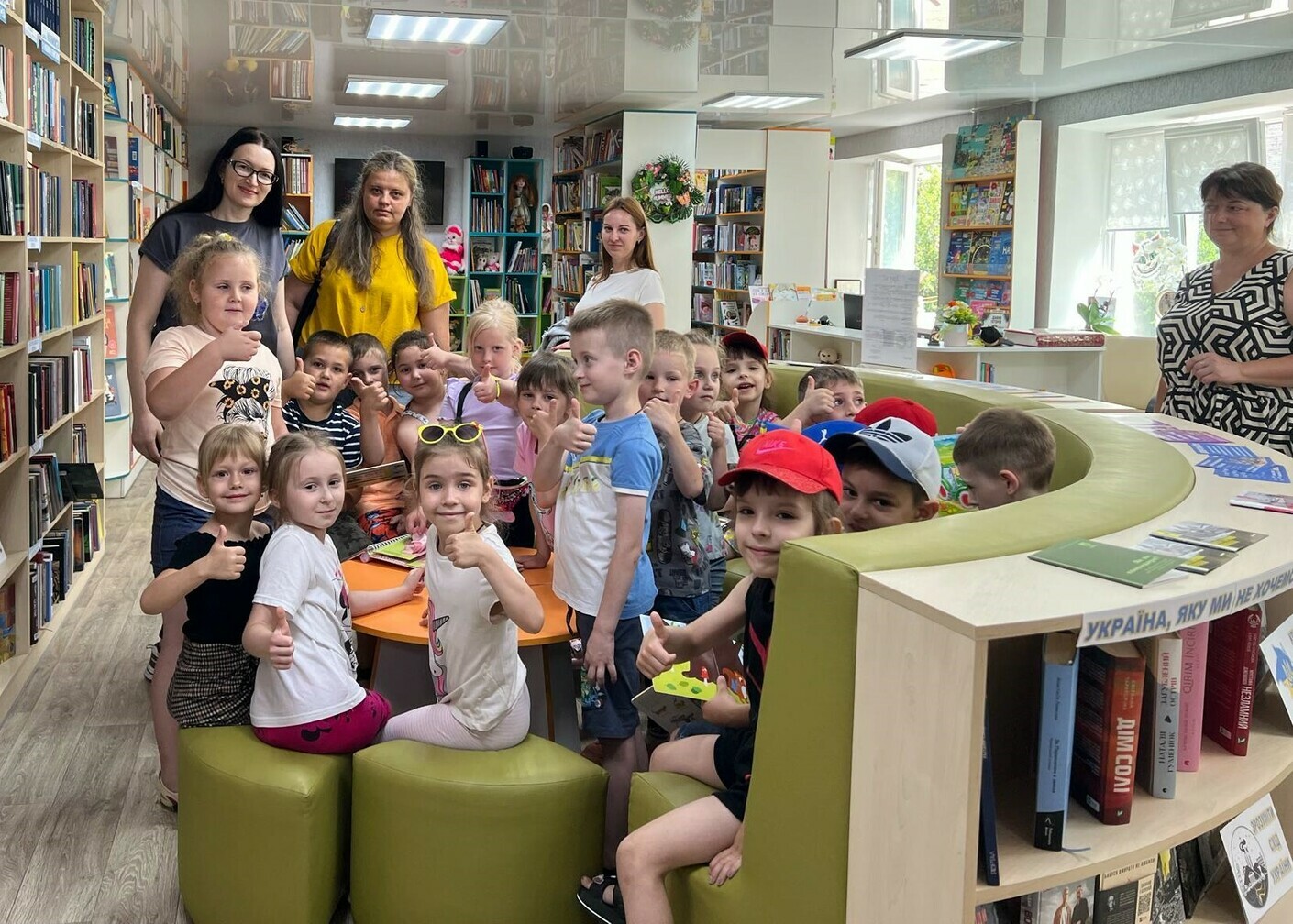
In the Lozova City Library
Tags:
04 May 2026
Громадам хочуть дати більше впливу на адміністрування місцевих податків: що пропонують
Громадам хочуть дати більше впливу на...
Громади можуть отримати більше інструментів впливу на адміністрування місцевих податків. Це питання обговорили під...
04 May 2026
ВАГ ініціювала створення Всеукраїнського клубу старост
ВАГ ініціювала створення Всеукраїнського клубу...
Всеукраїнська асоціація громад ініціювала створення Всеукраїнського клубу старост як консультативно-дорадчого органу...
04 May 2026
Анонс: вебінар «Стратегічне планування розвитку освіти у громаді: як вибудувати узгоджену систему»
Анонс: вебінар «Стратегічне планування розвитку...
Запрошуємо керівників органів управління освітою територіальних громад, керівників закладів освіти, а також...
04 May 2026
Уряд запускає експериментальний проєкт у сфері...
Кабінет Міністрів України ухвалив постанову від 24 квітня 2026 року № 528 «Про реалізацію експериментального проєкту...