Synchronise to Rebuild: Polaris Conference — from Resilience Plans to Investment Planning
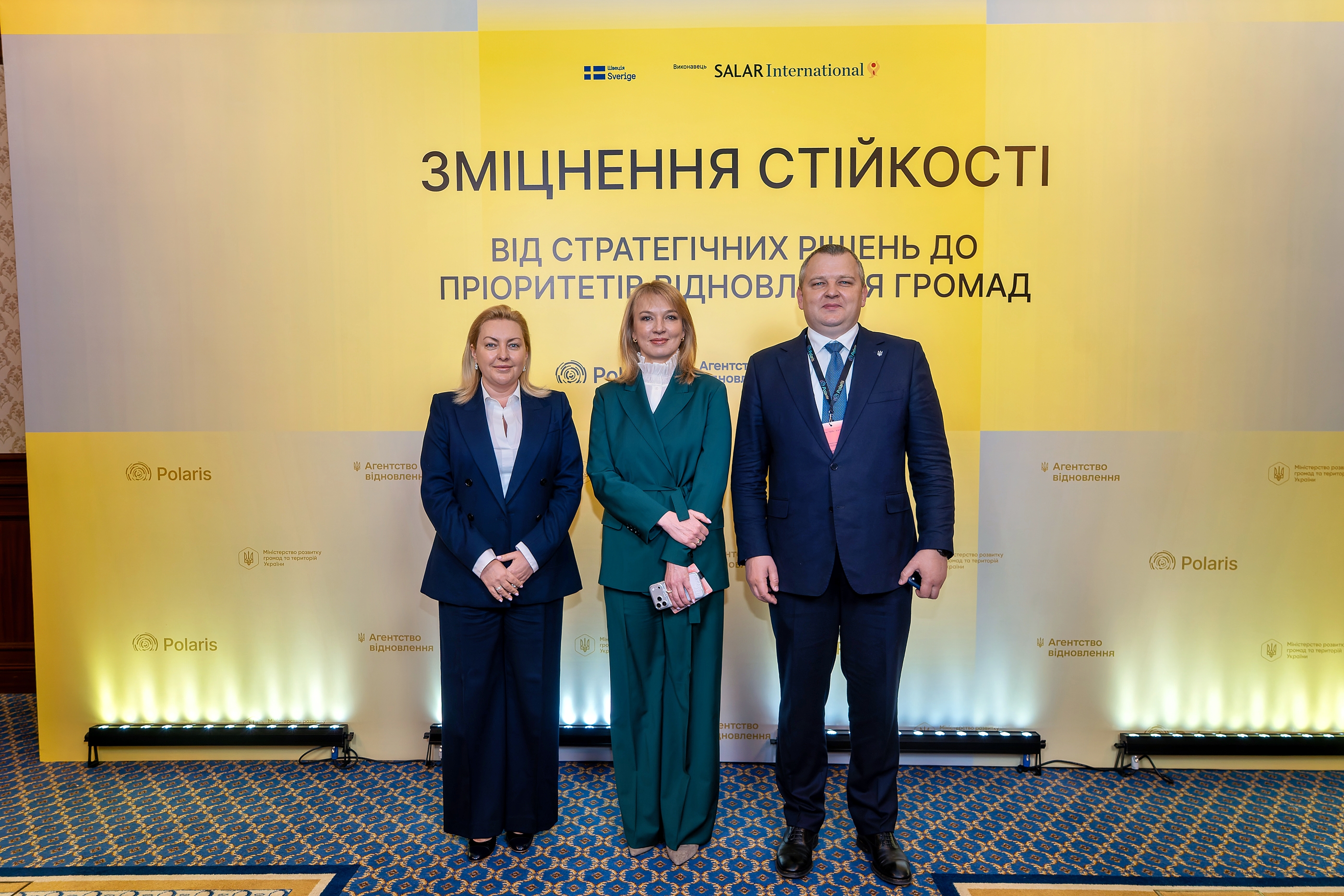
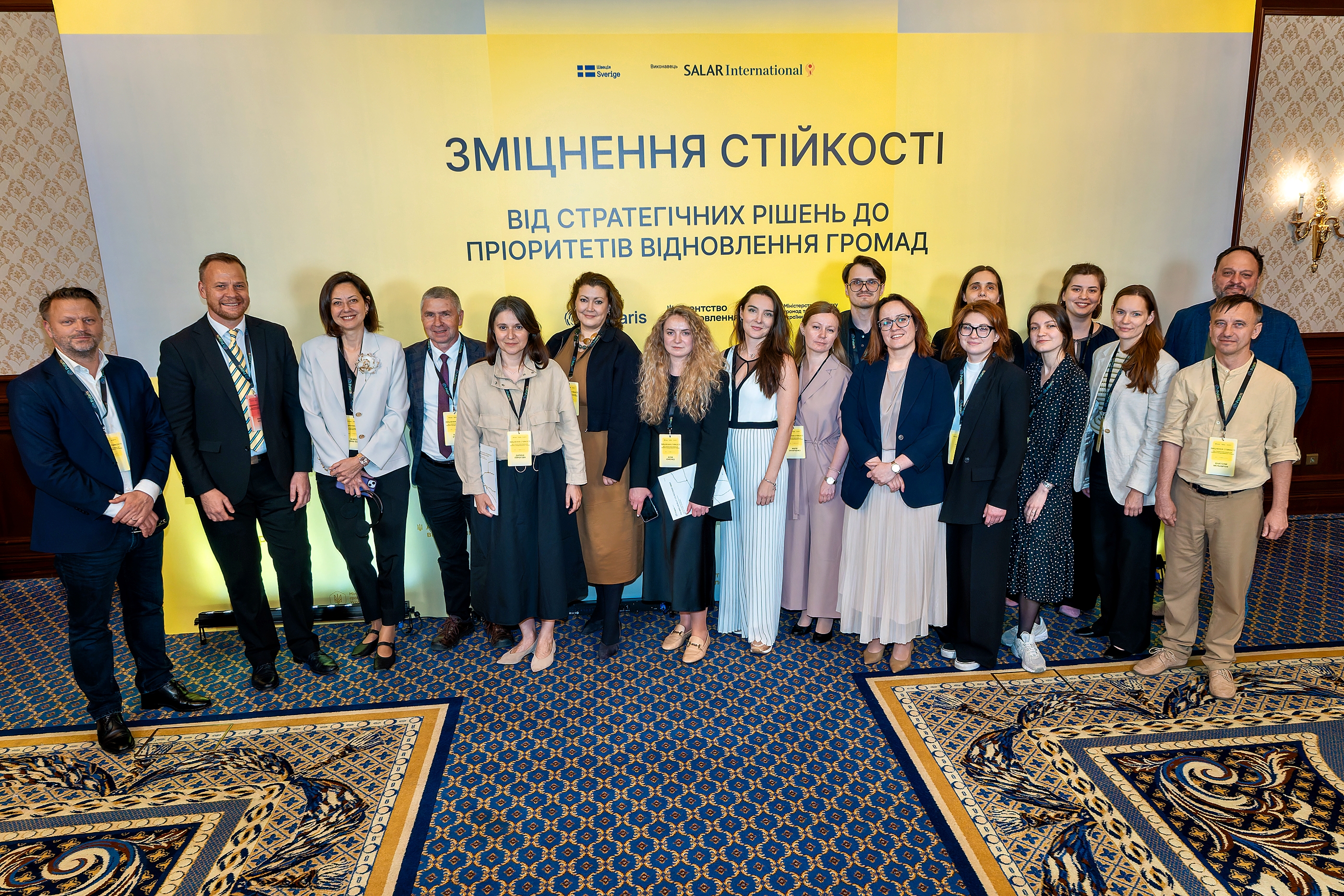
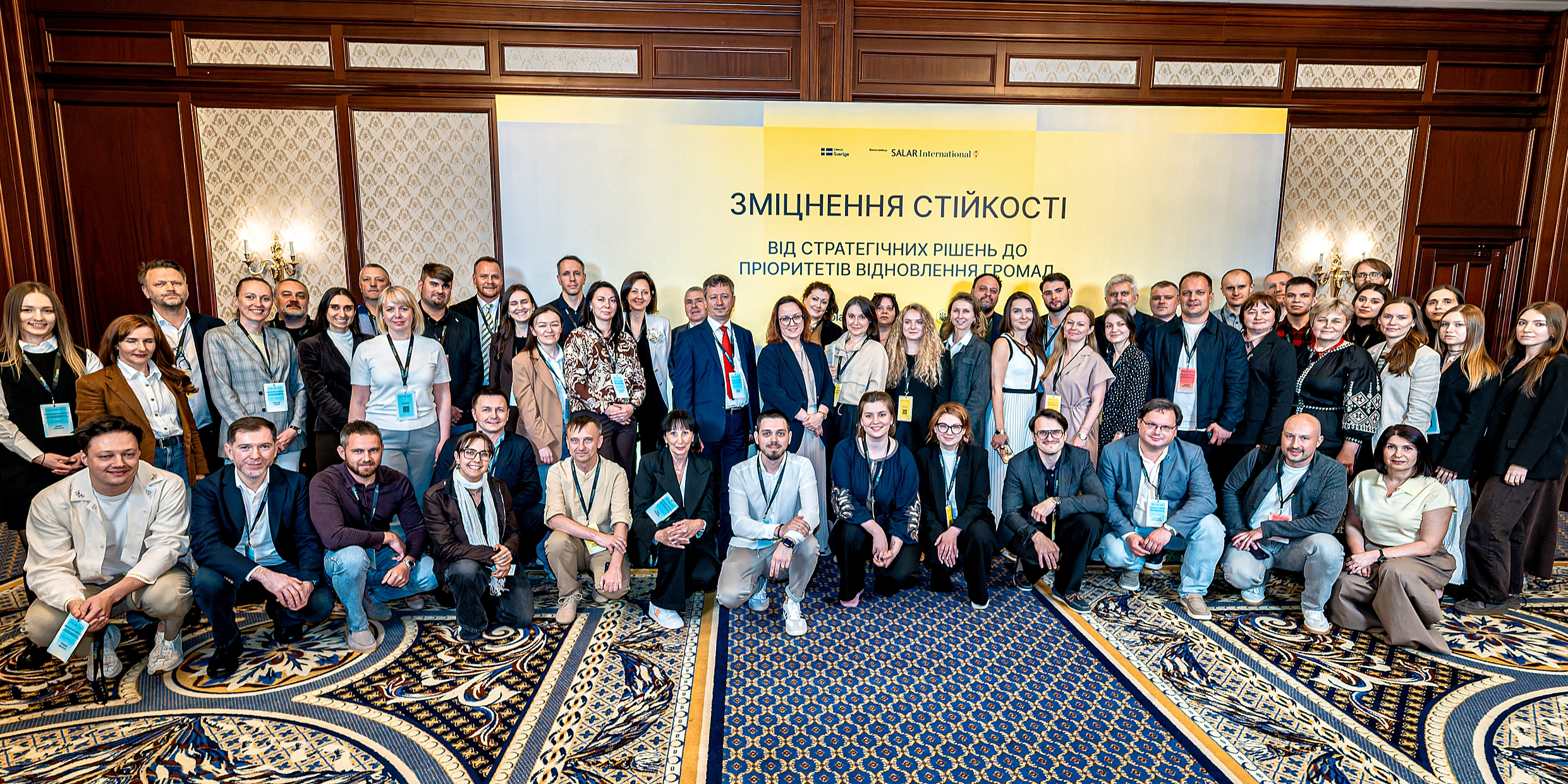
On 28 May, in Kyiv, the Polaris Programme "Supporting Multilevel Governance in Ukraine", together with the State Agency for Restoration and Infrastructure Development of Ukraine and in partnership with the Ministry for Development of Communities and Territories of Ukraine, held a conference on strategic approaches to recovery.
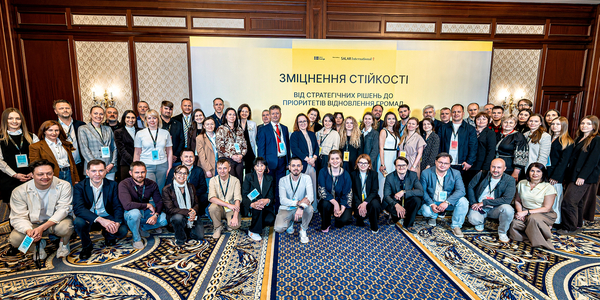
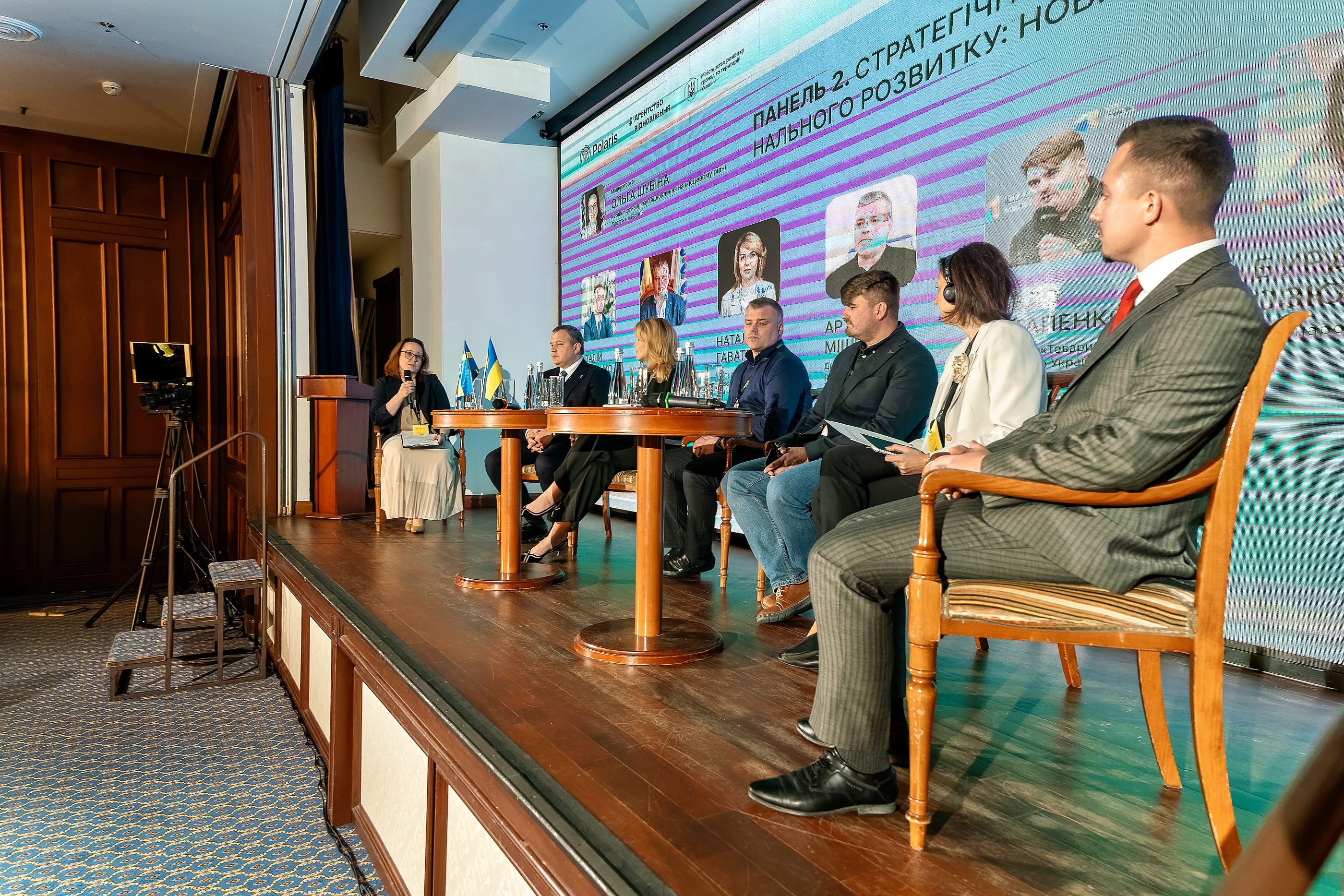
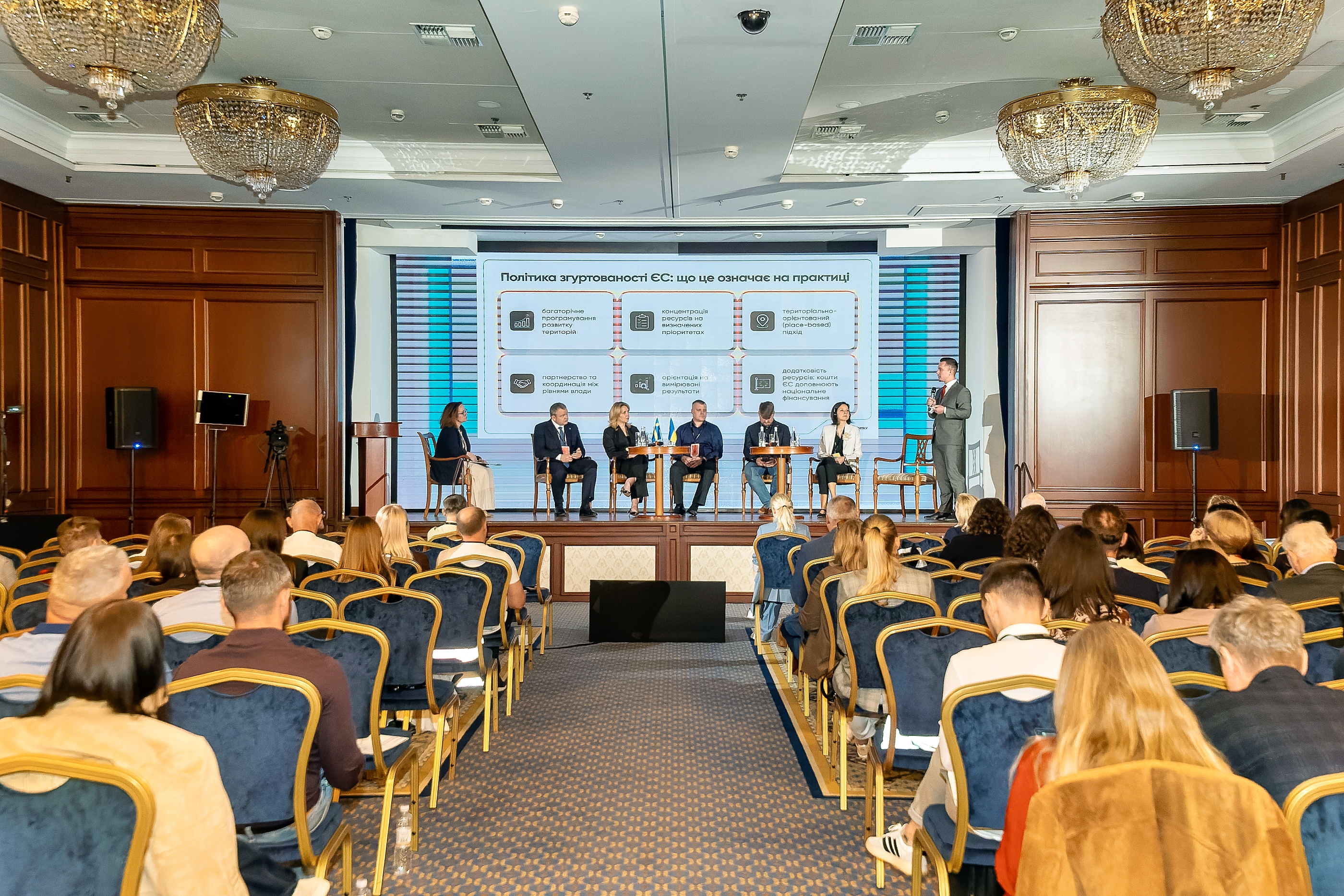
The conference "Strengthening Resilience: from Strategic Decisions to Community Recovery Priorities" brought together representatives of central government bodies, local self-government, and regional authorities, associations, as well as Ukrainian and international experts — to discuss approaches to Ukraine's reconstruction, from national policy formulation to project implementation at the local level.
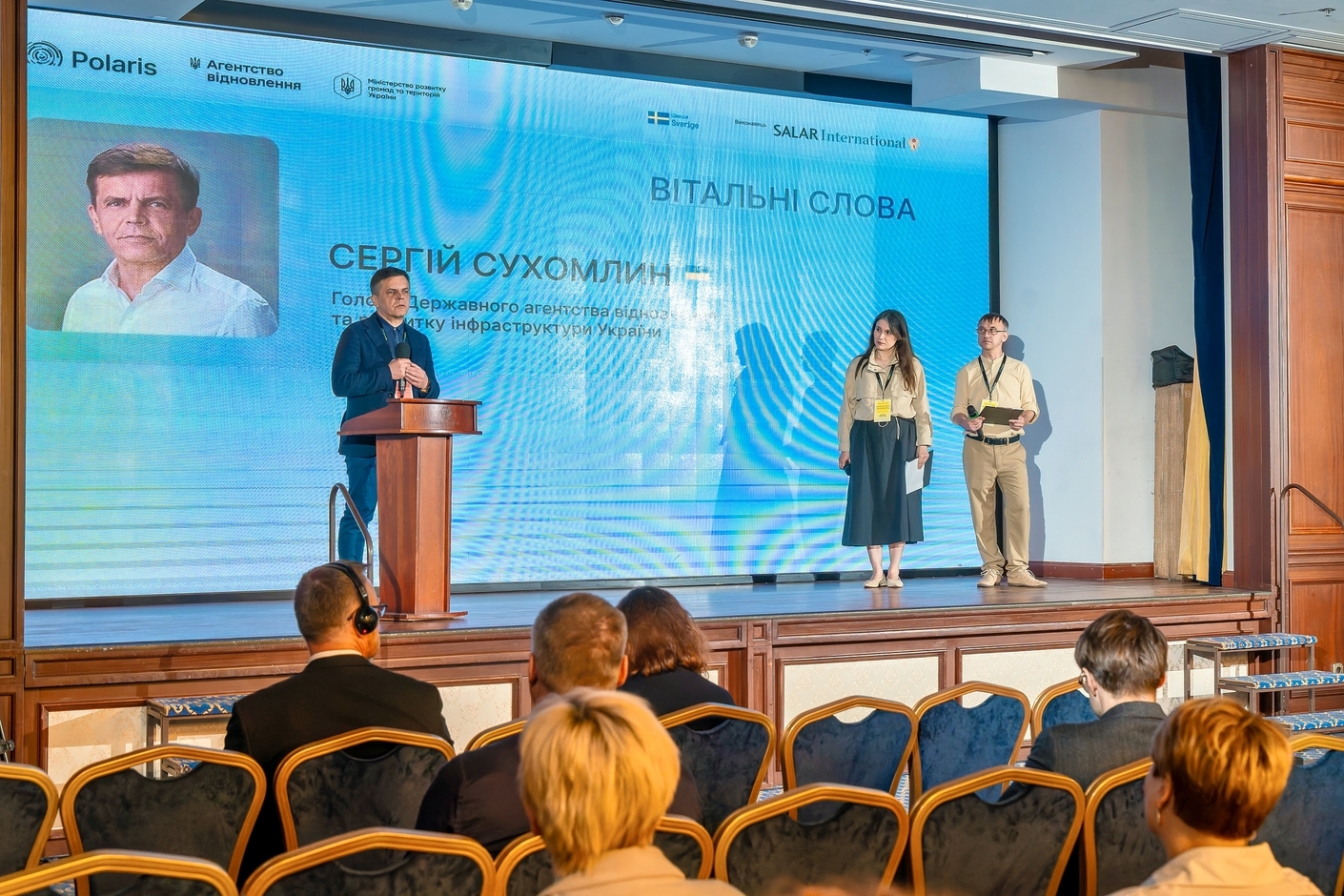
"When war is ongoing, implementing any project carries risks. But when we talk about Resilience Plans — this is the foundation. It is about communities' survival and their ability to ensure people a normal life even in the most challenging conditions. The Ministry of Development and the Agency for Restoration, together with the Cabinet of Ministers, have developed this strategic vision — and it is important that this is not merely a document. The Government has already adopted a number of amendments to Cabinet Resolutions that simplify the mechanisms for installing cogeneration units, block-modular boiler houses, and other energy resilience solutions. A dedicated law is also needed — one that would bring all these mechanisms together into a single viable system," saidSerhii Sukhomlyn, Head of the State Agency for Restoration and Infrastructure Development of Ukraine.
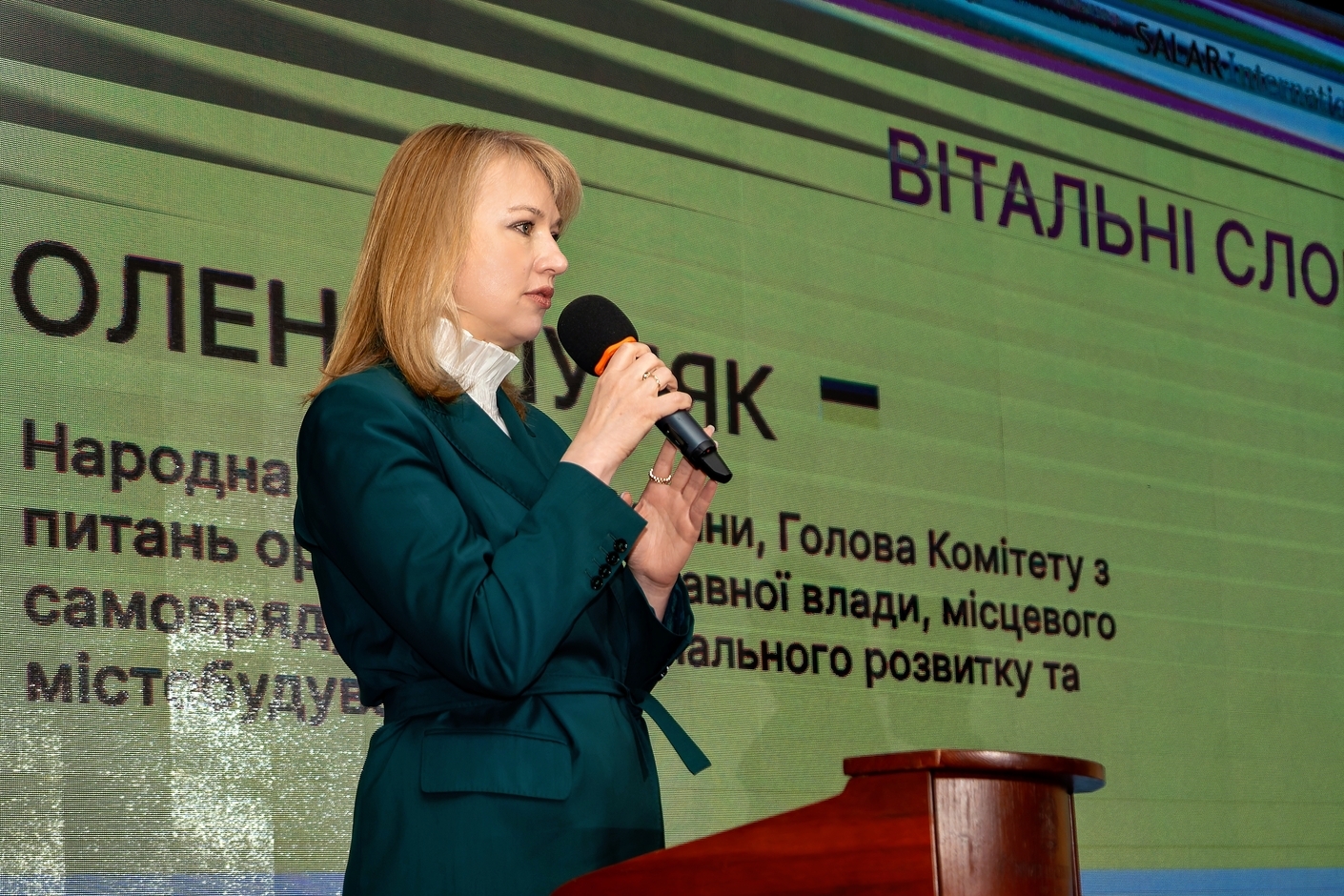
"Reconstruction without systematic planning risks turning into a chaotic patchwork of fixes. That is why it is now critically important to synchronise strategic planning, spatial development, public investment, and infrastructure decisions. I thank Polaris and all colleagues for an open and constructive dialogue — together we are building strong and prosperous communities," said Olena Shulyak, Chair of the Verkhovna Rada Committee on State Power Organisation, Local Self-Government, Regional Development and Urban Planning, at the opening of the conference.
Discussions on the challenges of community recovery took place along four tracks:
- resilience plans for regions and communities, and their preparedness for crisis challenges;
- the new cycle of strategic planning for regional development for 2028–2034;
- alignment of strategic, spatial, and investment planning;
- prioritisation and implementation of infrastructure recovery projects.
"We believe that recovery must happen under local leadership. Approaches to community development are already being adapted in line with European principles — multilevel governance, transparency, accountability, and resident participation. This is how Ukraine is moving closer to the European Union, step by step, and Sweden will support it at every step," said Iryna Skaliy, Reform Cooperation Programme Manager, Embassy of Sweden in Ukraine.
Participants discussed the use of verified data in budgetary and strategic processes. A separate focus was placed on the practical aspects of integrating European approaches to territorial development — a prerequisite for harmonising Ukrainian regional policy with European Union standards.
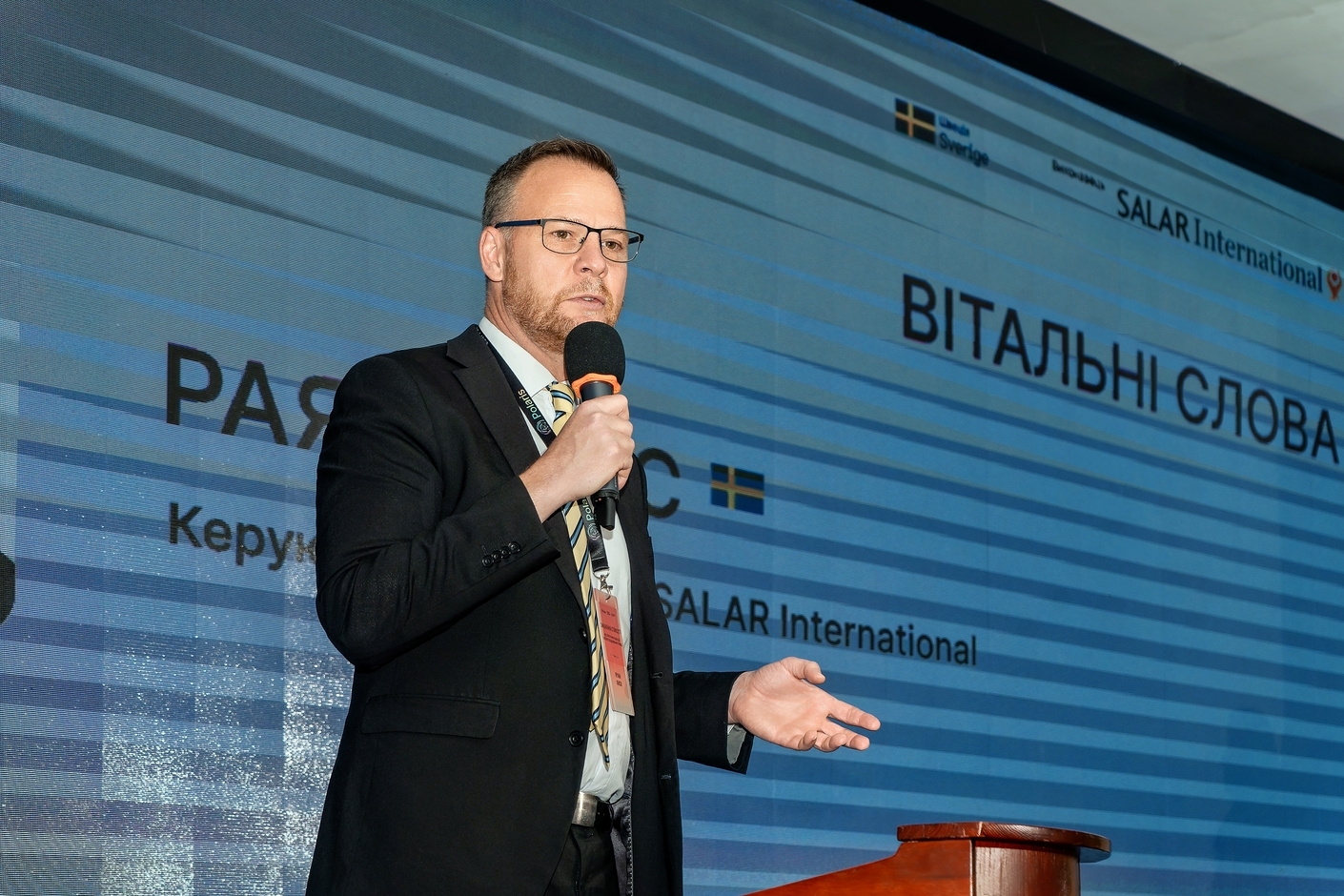
“Ukraine’s recovery must respond to urgent needs today — restoring housing, infrastructure, and essential services, and supporting communities under immense pressure — while at the same time building the foundations for the future. Through locally led, participatory and evidence-based approaches, municipalities are not only identifying immediate priorities, but also strengthening governance, planning systems, and resilience for the long term. This work is helping ensure that Ukraine’s recovery goes hand in hand with its path toward the European Union, shaping communities that are capable, democratic, and ready to thrive for decades to come,” emphasised Ryan Knox, Managing Director of SALAR International.
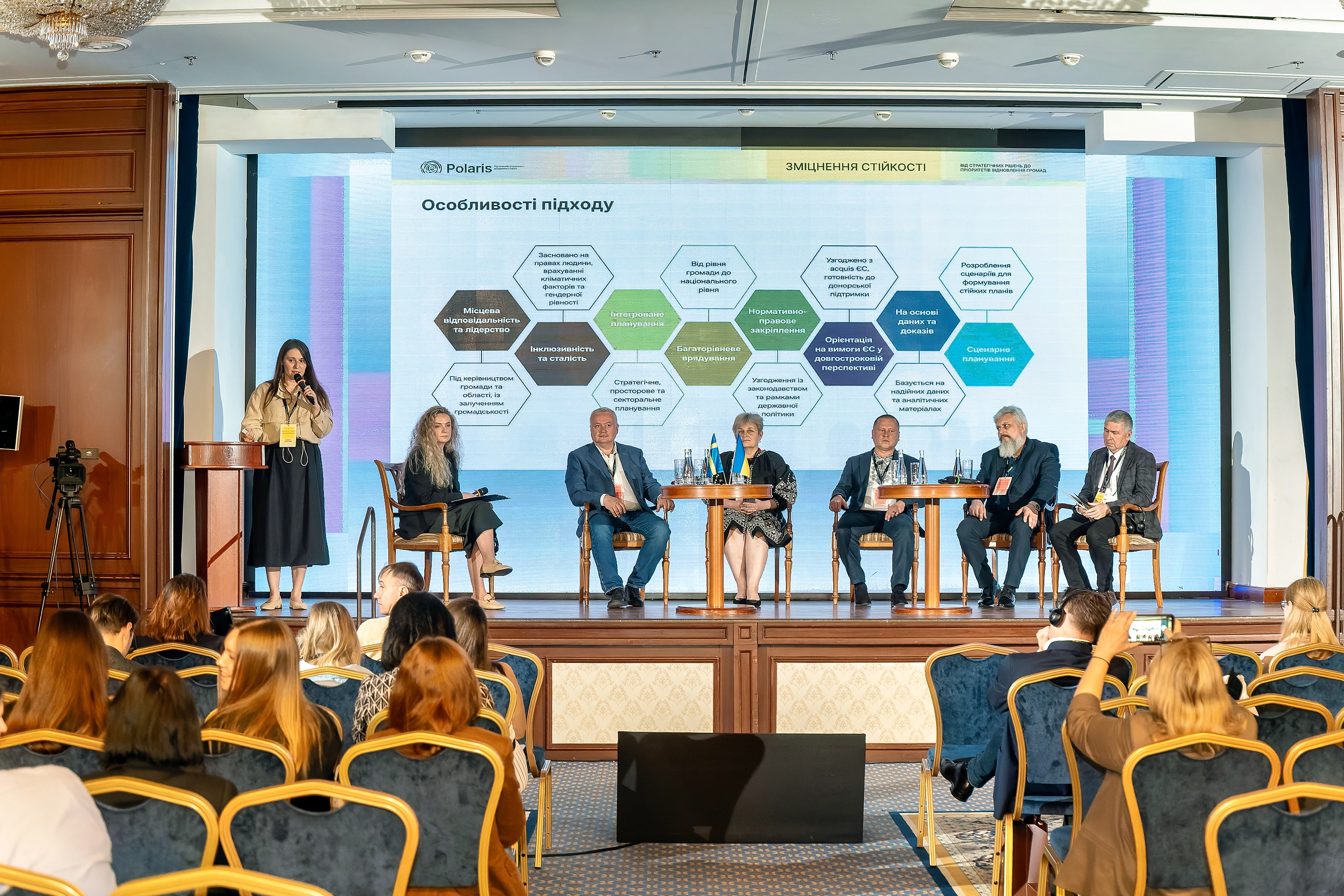
The conference also featured expert materials developed by the Locally Led Recovery team, presenting Polaris approaches and methodology — from evidence-based planning and the integration of strategic, spatial, and investment decisions to working with partners on the preparation of documents and projects.
The event on 28 May continued the discussions from the partner hromadas' closing gathering "Planning Recovery at the Local Level: Experience and Results", held the day before. That event focused primarily on partner' practical experience, the tools developed, and the outcomes of the pilot phase. The following day's conference allowed the conversation to continue in a broader context — at the level of national policy, regional planning, and future approaches to recovery.
29 May 2026
Вакансія: Керівник (-ця) команди з питань комунальних підприємств
Вакансія: Керівник (-ця) команди з питань...
Опис контексту Щоб задовольнити мінливі потреби українських муніципалітетів і зацікавлених сторін на національному...
28 May 2026
President signs Law No. 9559-d: Communities...
The President of Ukraine signed Law No. 9559-d “On Amendments to Certain Laws of Ukraine on Expanding the Powers of...
28 May 2026
Відбір експерта зі взаємодії громад із бізнесом та профорієнтації
Відбір експерта зі взаємодії громад із бізнесом...
Всеукраїнська асоціація органів місцевого самоврядування “Всеукраїнська асоціація громад” (ВАГ) проводить запит...
28 May 2026
Пошук модератора Комітету ВАГ з питань освіти
Пошук модератора Комітету ВАГ з питань освіти
Всеукраїнська асоціація органів місцевого самоврядування “Всеукраїнська асоціація громад” (ВАГ) проводить запит...