Recovery depends on strong communities, effective governance, and investment in people – Oleksii Kuleba during the Dialogue on Governance
Kyiv hosted a Dialogue on Governance for Inclusive Recovery and Development, organised by the Ministry for Development of Communities and Territories, with the support of the governments of Germany, Canada, and the Republic of Korea, as well as the United Nations Children’s Fund (UNICEF), the International Organisation for Migration, UN-Habitat, the Polaris Programme, and the All-Ukrainian Association of Amalgamated Territorial Communities.
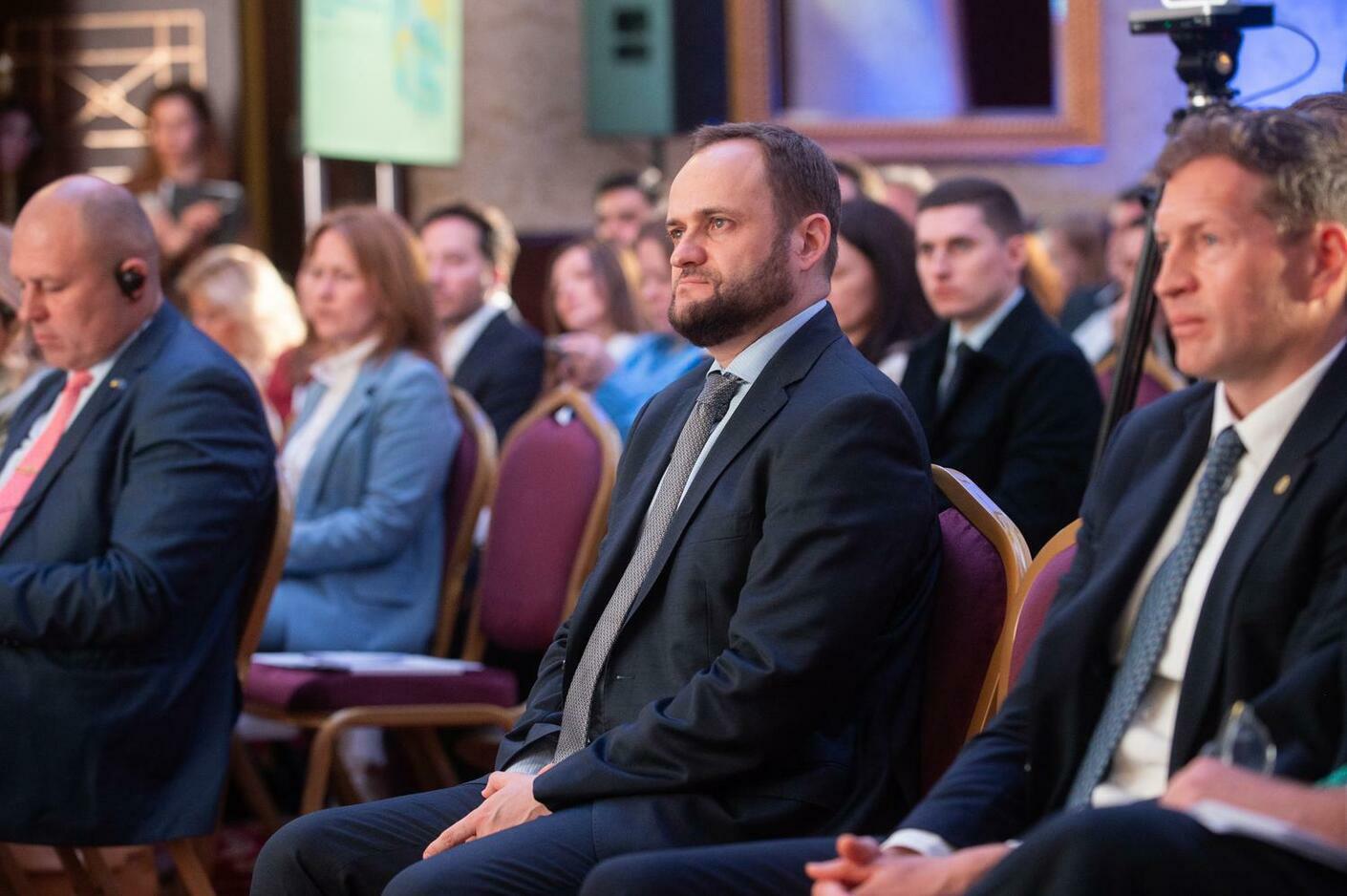
In view of the upcoming Ukraine Recovery Conference (URC) 2026, the event brought together representatives of central authorities, regional administrations, over 100 communities from all regions of Ukraine, international organisations, experts, and associations of local governments.
The event aimed to strengthen dialogue and coordination on how local recovery and development are planned, funded, and implemented at all levels of governance.
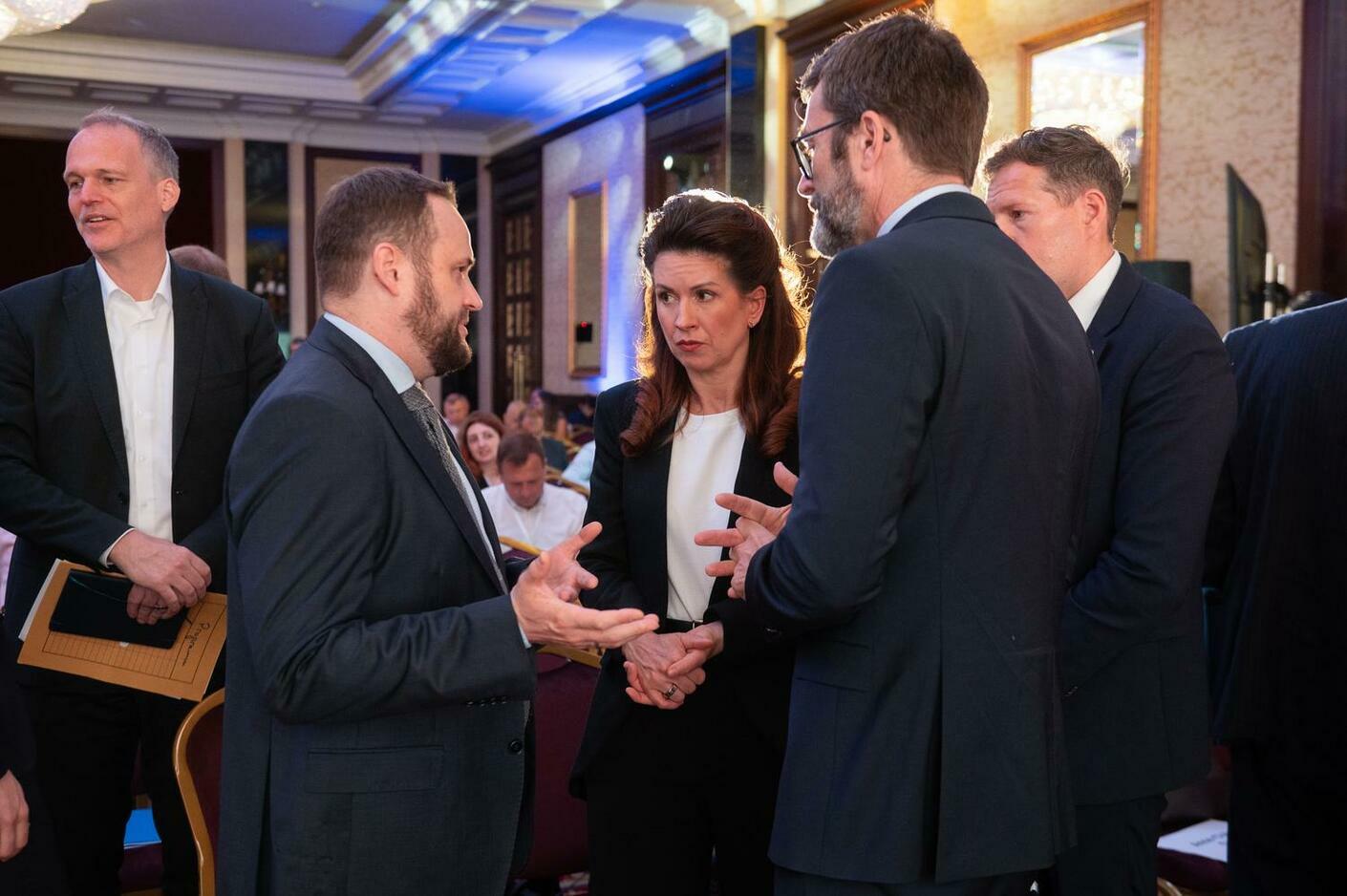
The participants discussed the financing of human capital and investment management, the role of digital tools in ensuring equal access to recovery, multi-level planning, and strengthening the capacity of communities to implement recovery projects.
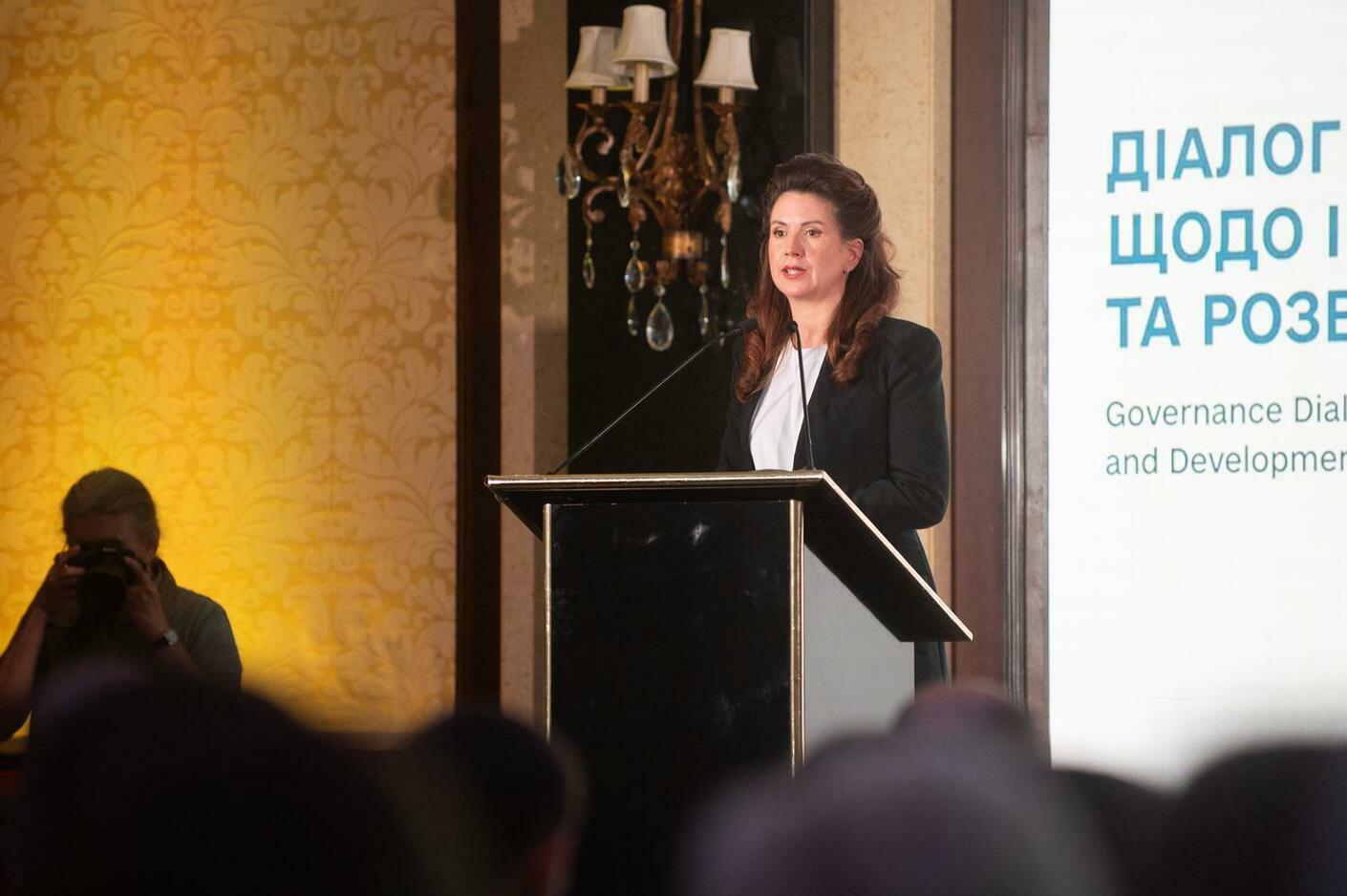
In his opening remarks, Oleksii Kuleba, Deputy Prime Minister for Restoration of Ukraine – Minister for Development of Communities and Territories, emphasised that decentralisation reform had become one of the key prerequisites for the state’s resilience during the war, and that recovery was not limited to individual projects or isolated solutions.

‘We have to create a holistic living environment for people, where housing, transport, social services, and public spaces develop as a single integrated system. This comprehensive approach is what helps turn state priorities into real changes for communities. Our task is not simply to rebuild what has been destroyed; we have to create modern, inclusive, and sustainable communities that meet European standards, take into account the needs of all residents, and ensure a decent quality of life,’ said Oleksii Kuleba.
The discussion also focused on inclusive recovery. Recovery should remain human-centered, take into account the needs of children, young people, families, veterans, internally displaced persons, people with disabilities, and other groups that have been most affected by the aftermath of the war.

During the discussions, the participants focused on aligning local development strategies with national policies, on protection of human capital, primarily children and young people, and on taking into account the needs of all population groups, as well as the capacity of state and local institutions to operate under constant pressure.
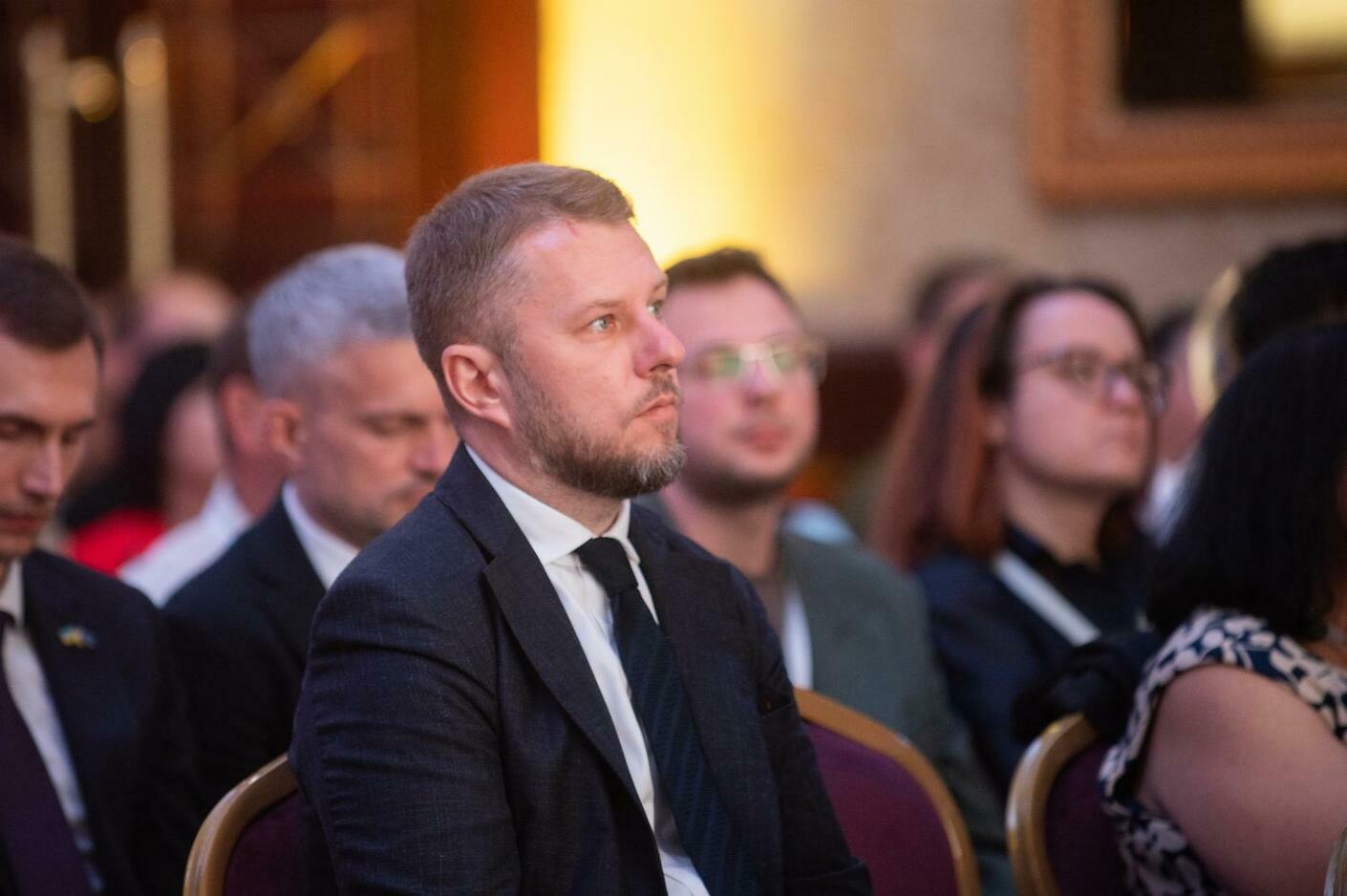
Special attention was paid to international partnerships, which are key to inclusive and sustainable recovery.
Source:
mindev.gov.ua
17 June 2026
Кадрові наслідки змін у мережі закладів освіти та управління кадровими переміщеннями
Кадрові наслідки змін у мережі закладів освіти...
кадрові ризики при реорганізації та зміні типу закладу освіти; переведення, вивільнення та працевлаштування...
17 June 2026
Практичні рішення для розвитку мережі...
Практичні рішення для формування мережі академічних ліцеїв та впровадження реформи старшої профільної школи...
17 June 2026
У центрі відновлення мають бути люди – їхня...
15 червня 2026 року у Києві відбувся форум «Діалог з питань врядування щодо інклюзивного відновлення та розвитку», що...
17 June 2026
Президент України заснував почесну відзнаку «Громада-рятівник»
Президент України заснував почесну відзнаку...
Президент України Володимир Зеленський підписав Указ №491/2026, яким засновано почесну відзнаку «Громада-рятівник»...