Local Statistics: Why Planning Community Development and Ukraine’s Recovery is Impossible Without Quality Data
Quality managerial decisions begin with quality data. This is precisely why the issue of local statistics today extends far beyond a professional discussion among statisticians. The effectiveness of strategic planning, investment attraction, reconstruction, and territorial development directly depends on the extent to which communities possess reliable information regarding their resources, population, infrastructure, economy, and needs.
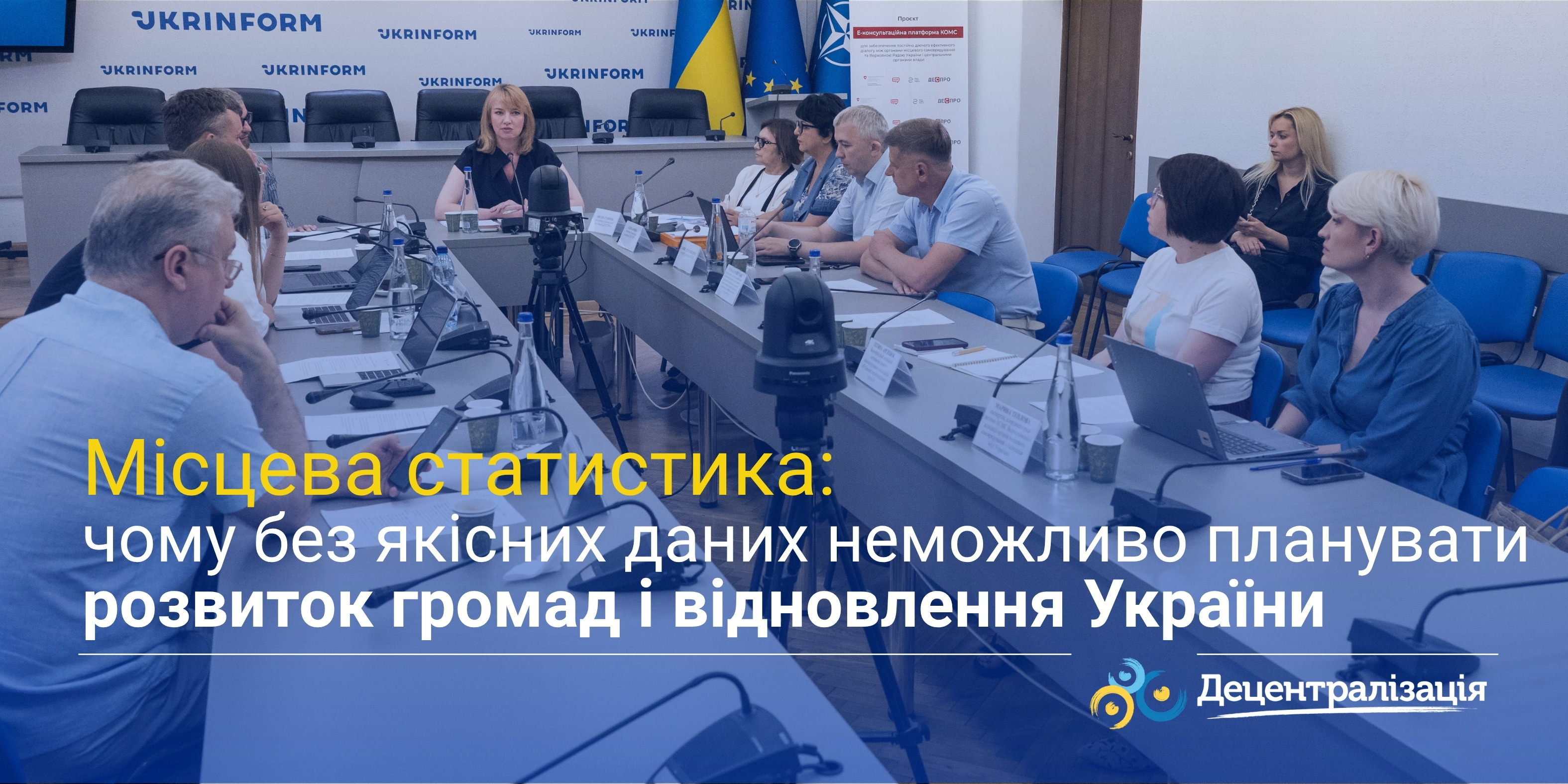
This very topic was the focus of the round table titled "Local Statistics: Presentation of the Results of Consultations with Local Self-Government Bodies." The event was organised by the NGO "DESPRO" with the assistance of the EGAP Programme, implemented by the Eastern Europe Foundation and supported by Switzerland as part of the grant project "E-Consultation Platform for Ensuring Continuous and Effective Dialogue between Local Self-Government, the Verkhovna Rada of Ukraine, and Central Government Authorities." It featured the participation of the Verkhovna Rada Committee on State Power, Local Self-Government, Regional Development, and Urban Planning.
During the event, the findings of the seventh consultation with local self-government bodies, conducted on the Ecoms platform, were presented. Its objective was to ascertain exactly which statistical data communities lack today, how they evaluate the current information collection system, and how they envision the future model of municipal statistics. The discussion saw the participation of Ukrainian MPs, representatives from the Ministry for Communities and Territories Development, the State Statistics Service, the expert community, all-Ukrainian associations of local self-government bodies, and international programmes.
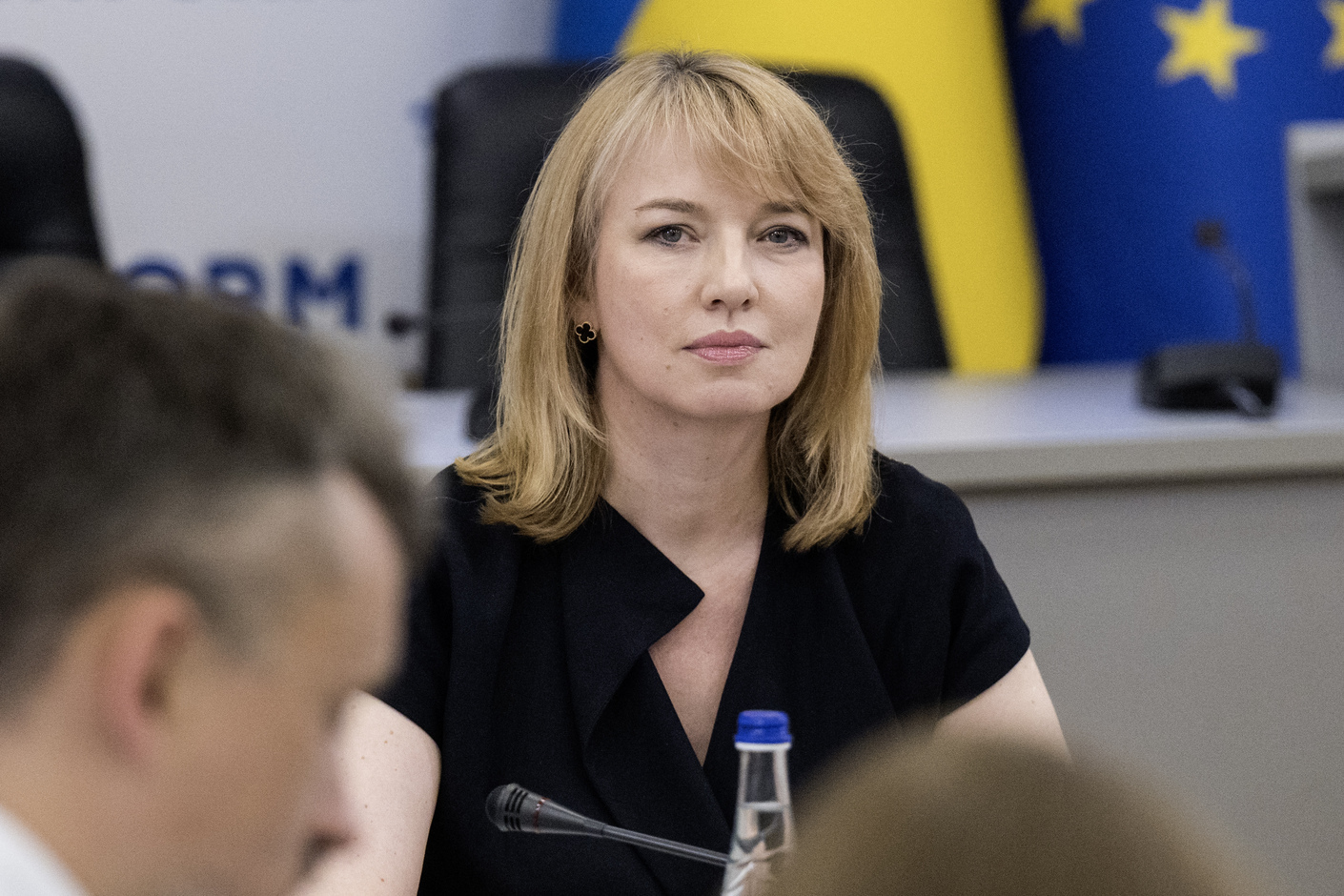
Opening the round table, Olena Shuliak, Chair of the Parliamentary Committee on State Power, Local Self-Government, Regional Development, and Urban Planning, emphasised that quality data is the first step towards a community’s capacity. She noted that the Committee itself had initiated the consultation. According to her, local statistics have ceased to be a purely technical matter and have become one of the key prerequisites for the effective development of communities:
"Quality data is the foundation of quality planning. And quality planning is the first step towards the capacity of any community."
She noted that today, practically all communities are simultaneously working on several strategic documents: updating development strategies, working on public investment projects, and drawing up comprehensive spatial development plans. None of these documents can be of high quality unless based on reliable data. At the same time, information collection, according to Olena Shuliak, has turned into one of the biggest problems for communities.
Communities constantly speak of difficulties in accessing data. To begin drafting a strategy or a comprehensive spatial development plan, a vast array of information must be gathered. However, this data is not always open, not always accessible, and sometimes cannot even be obtained from state authorities. This issue has acquired particular urgency during the full-scale war:
"Communities will be the foundation of Ukraine's recovery. But recovery is impossible without quality statistics. If a community does not know how many people actually live on its territory, which facilities are damaged, or what resources it has, making effective decisions is practically impossible."
According to the Committee Chair, communities require statistical data not only for strategic planning but also for day-to-day management. Olena Shuliak recalled that the work on creating a system of local statistics has been underway for several years, moving from a concept to a concrete action plan. During this time, a concept was prepared and legislative proposals were drafted; however, today, in her conviction, it is necessary to move towards practical implementation:
"I would like today's round table to yield not just another discussion, but a concrete action plan. We very often discuss various issues for a long time, but they do not turn into legislative decisions or government resolutions so quickly. I would like to speed things up a bit."
She reported that on the previous day, she had discussed this matter with the Deputy Minister for Communities and Territories Development, Oleksiy Riabykin. The Geoinformation System for Regional Development is already operational, and taking this work into account, it might be necessary to review certain approaches laid down back in 2024 and shape a new vision for legislation. In Olena Shuliak’s view, all the necessary prerequisites for this are now in place: there is the Ministry for Communities and Territories Development, there is the State Statistics Service (Ukrstat), which has already done much for the development of municipal statistics, there are international partners, including the EGAP Programme, and there is expert support from the NGO "DESPRO". The Verkhovna Rada also possesses sufficient capacity to pass the required legislative decisions. She emphasised that the results of the new survey confirmed most of the problems that communities were raising two years ago:
"We are effectively actualising those issues that communities raised back in 2024. They remain painful today. Therefore, I am convinced that together we will find the best mechanism for their resolution."
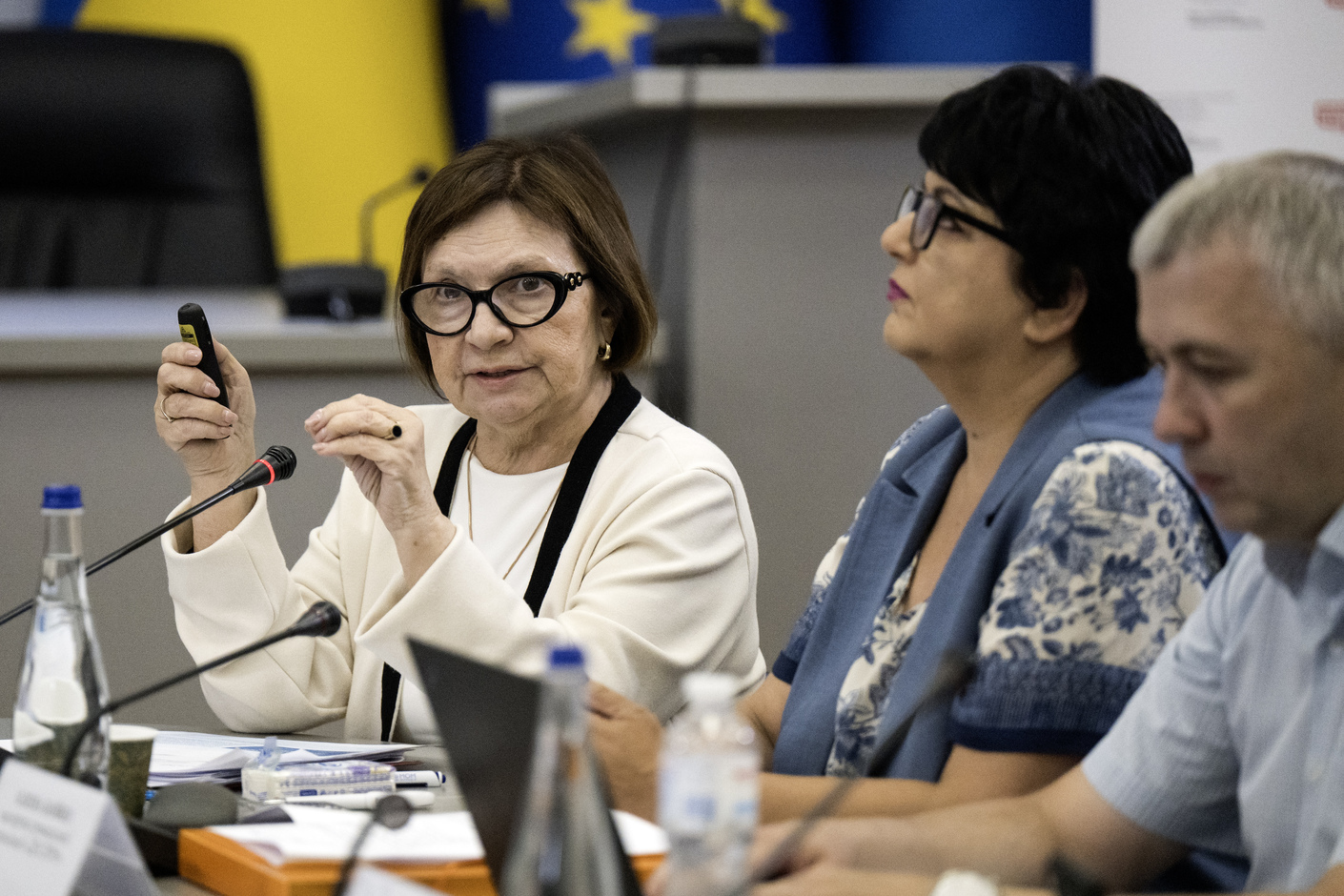
A vital tool for this is Ecoms: a platform that allows parliament to hear communities directly. Oksana Garnets, President of the NGO "DESPRO", briefly presented the electronic consultation platform, which has been ensuring a continuous dialogue between the Verkhovna Rada and local self-government bodies for two years. According to her, representatives from 1,451 communities are currently registered on the platform—primarily community heads, their deputies, and district council chairs. Participants undergo authorisation, whilst the survey results remain anonymous, allowing for candid responses. Over its two years of operation, seven consultations have already been conducted on the platform, dedicated to various aspects of local self-government development—from the activities of bodies of public self-organisation and guarantees of deputy activity to the powers of local councils under martial law. The consultation results are reviewed by the profile parliamentary Committee and utilised during the preparation of legislative decisions.
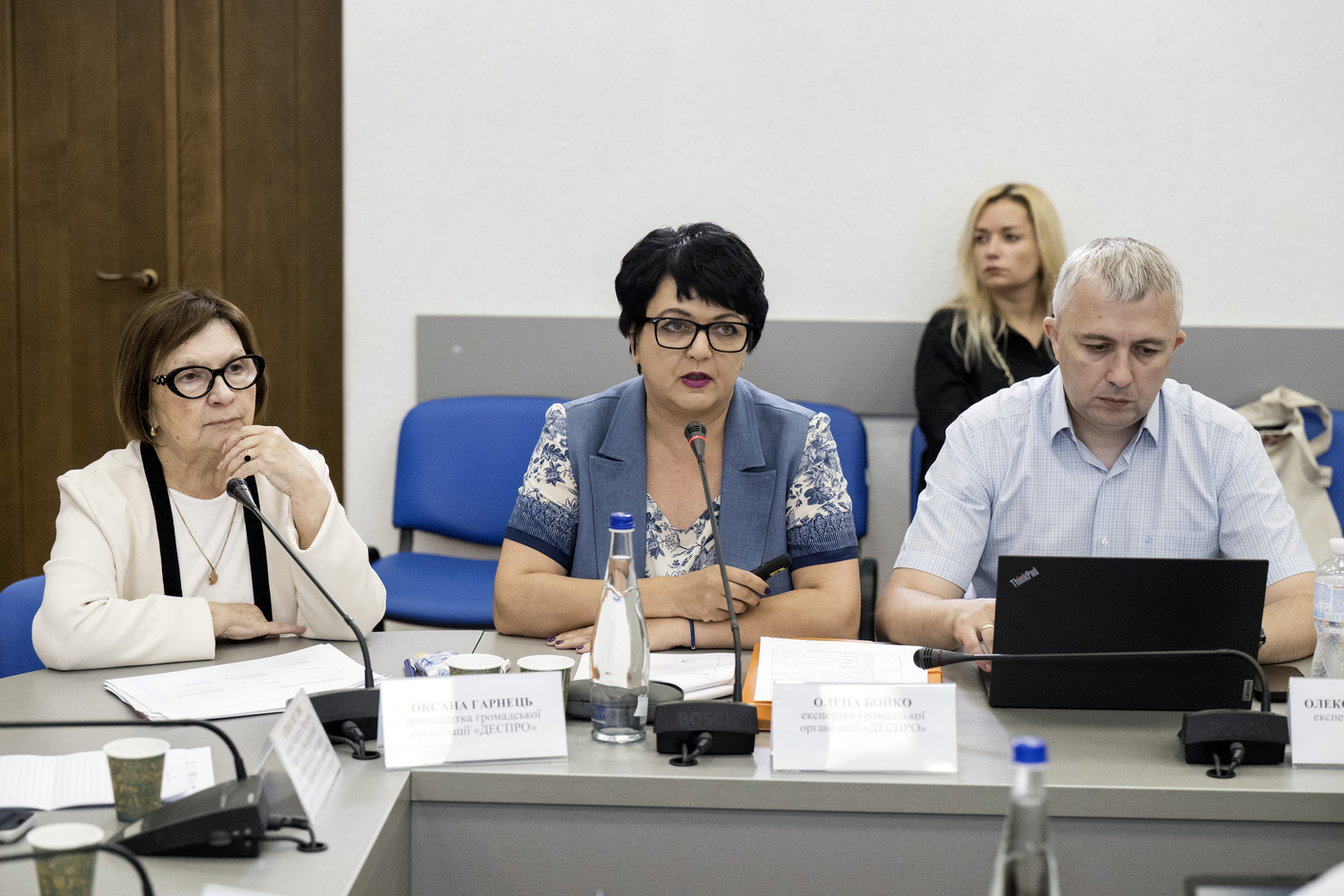
During the round table, communities clearly named the main problems of local statistics. Olena Boiko, an expert on local self-government, presented the results of the seventh consultation, noting that 291 representatives of local self-government bodies, mostly at the basic level, took part in the survey:
"The profile parliamentary committee launched public consultations for the first time, without even waiting for the Law 'On Public Consultations' to come into effect after the end of martial law. This is an opportunity to speak directly to local self-government bodies quickly, not to be afraid of asking sharp questions, and to receive the answers necessary for making effective managerial decisions."
According to the expert, it is precisely thanks to the platform, created with the support of the EGAP Programme, that parliament has gained an effective instrument for continuous dialogue with communities. It was highly important to frame the questions in such a way that the legislator could orientate themselves within priorities and see how the local self-government bodies themselves assess the issues surrounding local statistics.
The consultation results revealed that the absence of a unified system is the main problem, with communities being most concerned by the lack of systematic structure. Most frequently among the problems, respondents cited: the lack of a unified system of local statistics (indicated by more than a quarter of those surveyed); a shortage of official statistical information; limited access to official data; the unsystematic nature of information collection; the absence of unified primary accounting forms; and the insufficient capacity of communities to work with statistical data. As Olena Boiko explained, practically all of these problems are interconnected:
"Local self-government bodies are not speaking of isolated difficulties, but effectively about the absence of a coherent system that would allow for the collection, analysis, and use of statistical data for community management."
A separate block of the consultation was dedicated to the question of what exactly communities will use local statistics for. The largest number of respondents, over 20%, named the analysis and forecasting of local and regional development trends as the primary purpose of statistics. Furthermore, among the main areas for utilising statistical data, communities identified: monitoring the implementation of development strategies; determining development priorities for individual sectors; making well-founded managerial decisions; spatial development planning; evaluating the effectiveness of local policy; forming and monitoring the execution of local budgets; and the recovery of territories and infrastructure. In essence, the consultation results confirmed the thesis with which the discussion began: statistics are needed not for their own sake, but as an instrument of daily community management.
One of the most contentious issues turned out to be whether statistical data should be open. According to Olena Boiko, there is no absolute unity among community representatives:
"47% of respondents support open access to local statistics data. At the same time, a significant portion could not decide or believes that this is currently inexpedient. Obviously, to a certain extent, these responses are influenced by martial law and security concerns."
Thus, the consultation demonstrated that communities support data openness, but simultaneously recognise the need to take security risks into account.
At the same time, the highest level of trust is placed in administrative data. Participants in the consultation were also asked to determine which sources of information they consider the most reliable for forming local statistics. The greatest support was received by the administrative data of central and local executive bodies and local self-government bodies—23.5% of those surveyed named them as their primary source of statistical information. Following in terms of trust were state register data, official statistical information, primary statistical observations, financial reporting, spatial data, and international statistics. Commenting on these results, Olena Boiko noted that this testifies to the communities' trust specifically in administrative data, which, in fact, should become one of the main sources of local statistics.
In parallel, a majority of communities support the creation of a unified information system as a key component of the future digital infrastructure for local statistics. According to the consultation results, 254 respondents supported the creation of a unified information system that would unite local self-government bodies and central executive authorities. At the same time, opinions were divided regarding the creation of a separate central executive body:
"Just over half support such an idea, but there are also those who have reservations, particularly regarding potential interference in the activities of local self-government bodies. Concurrently, the majority of respondents support precisely the idea of a unified information system."
No less telling were the answers regarding who should finance local statistics. Despite the fact that it concerns the local level, 47% of those surveyed believe that its funding should come from the state budget. Another portion of respondents allows for the use of other sources, including international technical assistance funds, whereas support for financing solely at the expense of local budgets turned out to be significantly lower.
"Even though we are talking about local statistics, the majority of representatives of local self-government bodies still support funding precisely from the state budget," noted Olena Boiko.
Presenting the results, the expert specifically touched upon the fact that data quality begins with people, and communities currently face a severe shortage of statistical specialists. The collection of information in itself does not guarantee its suitability for making managerial decisions:
"There must be trust in statistical information. Mathematics is an exact science, and statistics even more so."
For this reason, consultation participants were asked to define which elements they consider most important for ensuring the quality of local statistics. The greatest support was given to the need for regular monitoring and data quality control. At the same time, as the expert emphasised, communities support precisely the quality control of information, rather than increased control over the activities of local self-government bodies themselves. Among other important components of the quality assurance system, respondents named staff training, the documentation of data collection and processing procedures, the designation of responsible persons, the conduct of internal and external audits, and the certification of processes for working with statistical data.
In terms of specific registers, communities consider the demographic register to be the most critical source of information. As Olena Boiko explained, it is its relevance today that raises the most questions:
"This is our greatest pain today. Due to martial law, internal and external migration, it is demographic data that requires constant updating. This is simultaneously the most important and, probably, the most problematic register from the standpoint of information accuracy."
The reliability of population data, according to the expert, directly affects the quality of managerial decisions in communities.
Furthermore, during the consultation, an attempt was made to determine who should collect local statistics, by asking communities to name the main customers and producers. Most frequently among potential customers, respondents named city, settlement, and village councils, local executive bodies, and district and regional councils. Concurrently, among possible producers of statistics, communities primarily see central executive authorities, local self-government bodies, research and analytical centres, and other state bodies possessing relevant data. Individual participants also mentioned the National Bank, international organisations, and public associations.
Quite interesting responses emerged regarding the registers of territorial communities: they exist, but they must be constantly updated. The majority of those polled (242 respondents) confirmed that such registers are maintained. At the same time, of those who answered in the affirmative, only 225 individuals consider the information within them to be up to date. Commenting on these results, Olena Boiko remarked that they require additional verification:
"We are only voicing these statistics today. But they require clarification and verification. War, migration, and constant changes in population size demand systematic monitoring of data relevance."
The staffing issue exposed another critical vulnerability: 83% of communities do not have statistics specialists. Initially, survey participants were asked whether they were familiar with the Law of Ukraine "On Official Statistics"—over 61% answered in the affirmative. However, the subsequent question demonstrated a much more serious problem: when asked whether specialists with a profile education in statistics work within the local self-government body, 83% of respondents answered "no". According to Olena Boiko, this indicator became one of the main conclusions of the consultation:
"This shows that we have room to move forward. It is necessary to improve professional training specifically in the field of statistics."
She added that the recommendations of communities clearly point towards the necessity of transitioning from theoretical discussions to the creation of working regulatory and financial instruments. Communities expect a broad professional discussion on the development of local statistics, the definition of its role in the management system, clear regulation of data sources, definition of funding mechanisms, the creation of a quality management system, legislative definition of powers regarding the formation of local statistics, constant data updating, and the development of professional training for personnel:
"Our profile parliamentary committee already possesses an instrument that allows us to speak to communities directly, ask sharp questions, hear honest answers, and take them into account when preparing legislative decisions."
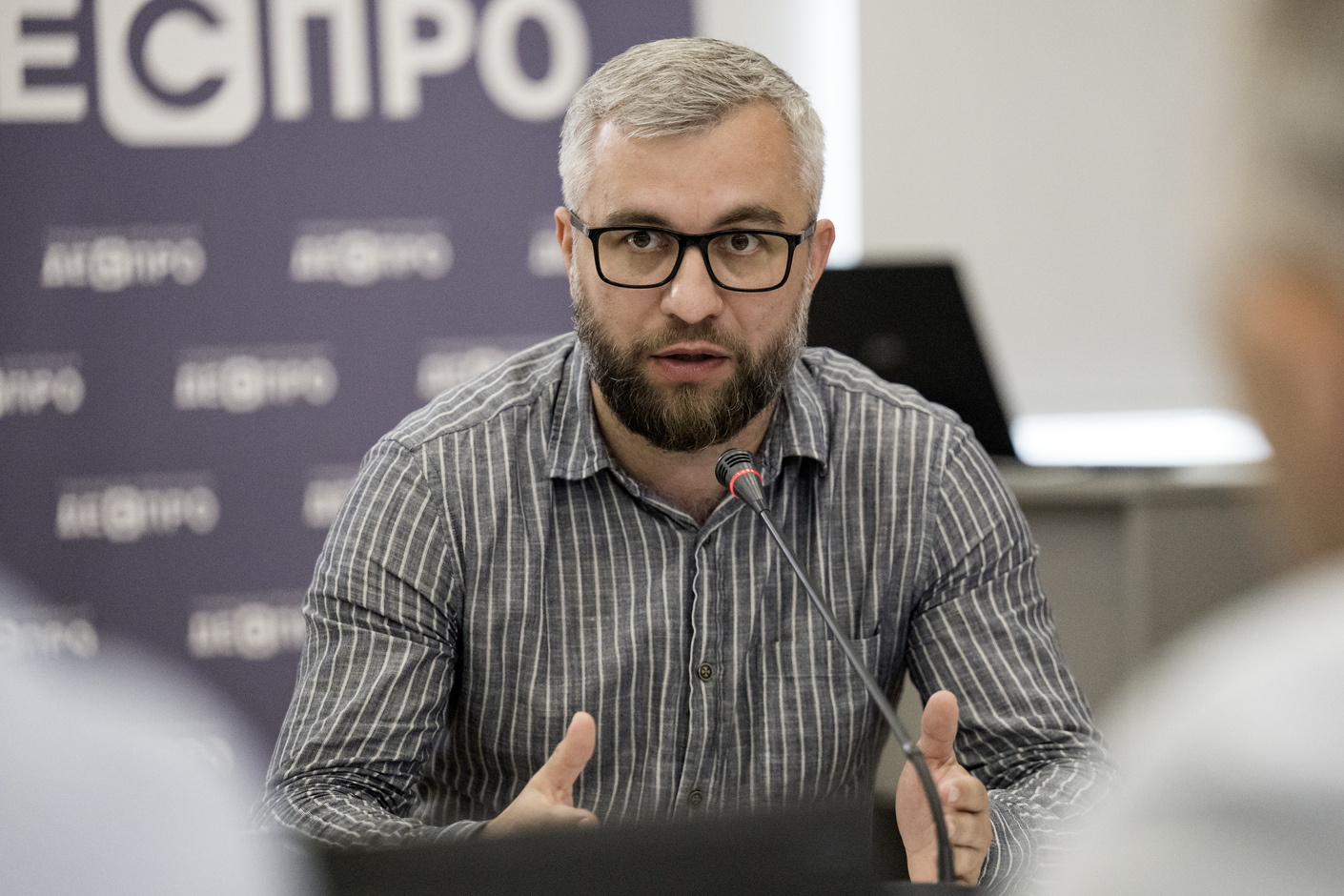
This view was supported by Dmytro Mykysha, who noted that without statistics, there can be no development. The Ukrainian MP and member of the relevant Committee emphasised that without reliable data, it is impossible to speak of either strategic planning or the effective management of communities. He thanked the organisers for the conducted consultation, noting that such tools allow parliament to obtain the actual position of local self-government bodies, rather than assumptions:
"It is very good that today we have the opportunity to speak the language of figures. This is significantly better than when we argue at the level of assumptions. It is precisely such consultations that help to understand what communities actually need."
According to Dmytro Mykysha, statistics must not be perceived as an additional bureaucratic obligation. It is the foundation of any managerial decision; if we do not know what is happening in a community, we cannot honestly answer whether we are using the budget correctly, implementing state policy effectively, or achieving the results we declare. At the same time, the MP cautioned against creating yet another cumbersome reporting system:
"It is very important that local statistics do not turn into another duty for local self-government bodies. We all know how overburdened communities are with various forms of reporting. If a new system is to be created, it must maximally utilise the data that already exists in state registers."
In his conviction, the main principle must be automation:
"It should not be the community endlessly filling in tables. Data must be automatically gathered from those registers that already exist. The task of local self-government bodies is to analyse information and use it for territorial development, rather than engaging in endless manual entry of figures."

A professional perspective on the issue was offered by Serhiy Kazantsev, who stressed that local statistics must become a part of the state statistical system and should not exist separately from the general system of official statistics. According to him, in recent years, Ukrstat has already substantially changed its approaches to work:
"We are gradually moving away from the traditional model where statistical observations were the main source of information. The future lies in administrative data and the integration of state registers. In most European Union countries, official statistics have long been formed primarily on the basis of administrative data. This allows for simultaneously increasing information quality and reducing the burden on respondents."
Serhiy Kazantsev supported the consultation's conclusions regarding the need to create a unified information system:
"The most important thing is not to create yet another separate array of data. It is necessary to ensure the compatibility of different information systems so that data can be automatically utilised for various managerial needs."
At the same time, he remarked that the development of local statistics must occur in accordance with the Law of Ukraine "On Official Statistics" and the European Statistics Code of Practice, which defines requirements for the quality, independence, and reliability of data.
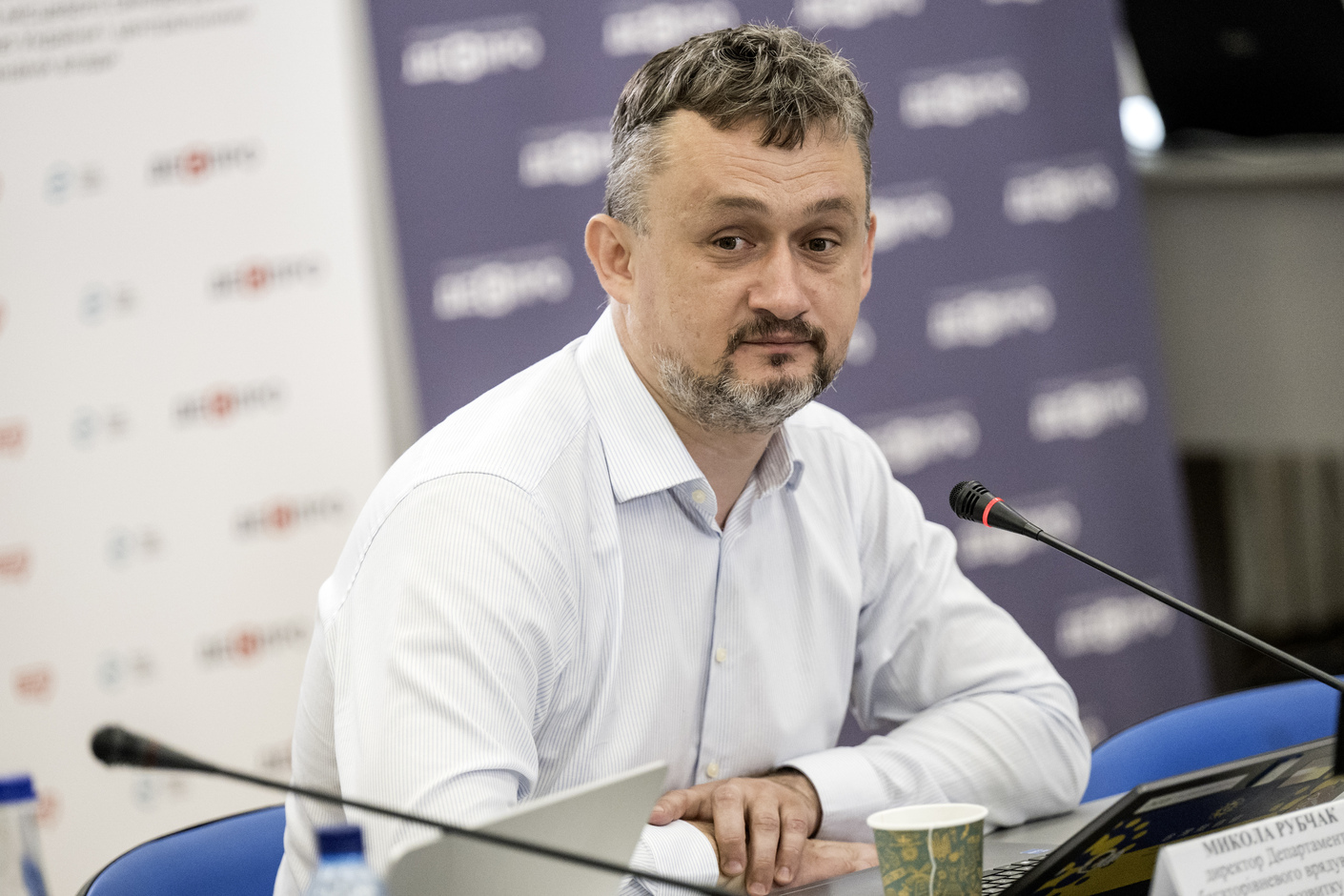
For his part, Mykola Rubchak noted that communities increasingly require data for development planning. The Director of the Department for Multilevel Governance at the Ministry for Communities and Territories Development remarked that the demand from communities for quality statistical data grew substantially following the completion of the decentralisation reform. If previously statistics were used primarily for preparing reports, today they have become necessary for managing territorial development:
"Communities are already working in a completely different way. They develop development strategies, comprehensive spatial development plans, and prepare investment projects. For each of these documents, a quality analytical base is required."
According to Mykola Rubchak, the Ministry is already utilising a range of digital tools that could serve as the foundation for the future system:
"We are not starting from scratch. State information systems are already functioning, a geoinformation system for regional development is being formed, and digital tools for strategic planning are being created. It is important that they do not work in isolation but are interconnected."
Concurrently, the Ministry representative supported the main conclusion of the consultation: communities must not duplicate the work of various state bodies. The task is to ensure that a community enters information once, after which it can be used by all state information systems that require it, significantly reducing the administrative burden.
However, as Yuriy Ganushchak pointed out, without quality statistics, it is impossible to complete the decentralisation reform. The Director of the NGO "Institute for Territorial Development" proposed looking at the problem much more broadly. In his conviction, today it is a matter of creating an informational foundation for the entire system of state administration, rather than merely providing communities with data. He recalled that while working at the Ministry of Regional Development, he personally encountered this issue:
"Data that is not used degrades. Errors accumulate within it, especially regarding financial information. If statistics do not work for decision-making, they very quickly lose their value."
According to the expert, today's greatest challenge is the reliability of demographic statistics:
"When a budget is being prepared, a very simple question arises: for how many people should it be calculated? Communities say that significantly more people live there, including internally displaced persons. Ukrstat replies: this data is not verified. And there is a certain logic to this. A mechanism must be found that will allow these data to be balanced."
In his view, this problem is directly linked to the current model for allocating personal income tax (PIT):
"If PIT were credited at a person's place of residence rather than their place of work, communities would be far more interested in the relevance of demographic data. When a person pays taxes where they live and votes there as well, a natural interconnection arises between statistics, finance, and the accountability of local authorities."
At the same time, Yuriy Ganushchak emphasised that the significance of local statistics goes far beyond financial policy:
"We cannot complete the reform of the deconcentration of executive power because we do not have the necessary statistics. We cannot assess the effectiveness of the district level, we cannot determine the capacity of territorial bodies of executive power, and we cannot qualitatively form regional development policy. For all of this, statistical data is required."
Concluding his speech, the expert supported the continuation of work on creating a local statistics system, because, as Tetiana Arseniuk stated, communities and Ukrstat still live with different figures.

Marina Teplova, Expert-Coordinator of the automated system of municipal statistics of the Association of Cities of Ukraine, drew attention to the consultation results that revealed a serious staff deficit:
"83% of the surveyed communities indicated that they do not have specialists with relevant education and expertise. This means that simultaneously with creating the system, we need to invest in training people. We can create a unified digital ecosystem, but if people do not know how to correctly collect and verify data, constant questions will arise regarding their reliability."
Marina Teplova also highlighted another challenge—the technical capacity of small communities. Over 72% of Ukraine's communities are rural and settlement communities, and not all of them possess a sufficient technical base or the required number of employees; therefore, international partners could play an important role in strengthening their capacity. Concurrently, she supported the idea of maximum integration of already existing registers:
"Communities already have a lot of data. If a new system is to be created, it must be compatible with current registers. Otherwise, we will simply force communities to enter the same information ten times over."
The representative of the Association of Cities of Ukraine also emphasised that communities must derive practical benefit from the new system.

However, Oleksandr Tsymbal (Programme "U-LEAD with Europe") is convinced that local statistics require not only data but also a new methodology. He pointed out that creating such a system is a significantly more complex task than simply merging existing databases. In his words, before making organisational or legislative decisions, it is necessary to clearly define exactly what information communities need:
"It is necessary to clearly define what information is genuinely required by territorial communities. It cannot be 'for all occasions'. There must be a unified list of indicators: first, those needed for daily management, and only then—for strategic analysis."
The expert stressed that not just any data can be called statistics:
"Statistical information is gathered according to clearly defined rules and methodology. It is not simply a set of figures. If it is possible to count everyone without exception, statistics are not needed at all. They are necessary precisely when complete accounting is impossible, and then special statistical methods are applied."
For this reason, according to Oleksandr Tsymbal, one should not expect that the State Statistics Service will be able to form a complete set of indicators for every single community. For instance, the labour force survey is conducted using a sample method. If there are over one and a half thousand communities in Ukraine, making a sample representative for each of them is practically impossible—it would require surveying over one and a half million people every quarter, which is unrealistic.
In the expert's opinion, the development of municipal statistics must take place in stages through four steps. The first step is to define the list of indicators genuinely needed by communities. The second is to conduct an audit of already available information and understand what data is already being collected by the state and can be utilised. The third is to maximise the use of administrative registers. And the fourth is to determine which specific data local self-government bodies must collect independently. Oleksandr Tsymbal also emphasised that the integration of information must be carried out centrally. As an example, he cited the experience of Lithuania, where a so-called "data lake" functions—a centralised system into which information from various state registers flows, after which the data is anonymised, integrated, and made available to users:
"Ukraine is entirely capable of creating such a system. But this is a very large-scale legislative, organisational, and technological task that requires the participation of Ukrstat, the Ministry of Digital Transformation, and other central authorities."
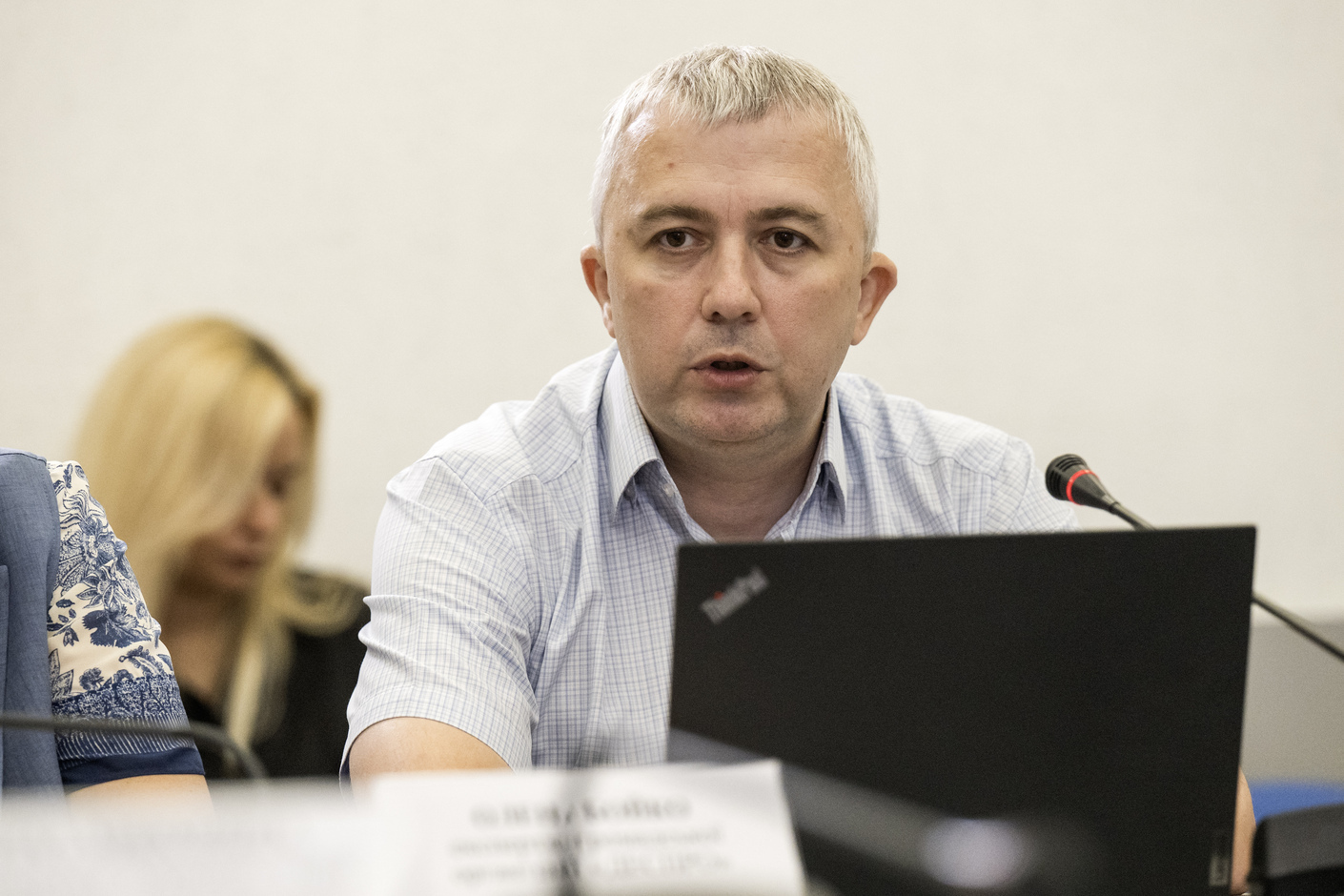
In contrast to radical changes, Oleksandr Ryzhenko believes that there is no need to create new institutions where existing ones can be strengthened. The EGAP Programme expert proposed a highly pragmatic approach. He pointed out that during the consultation, over 80% of community representatives supported the creation of a unified information system; however, this does not necessarily imply the need to build an entirely new digital platform:
"Within the framework of the EGAP Programme, the modern statistical production system SIGMA has already been implemented, replacing the current information systems of Ukrstat. It is this system that can potentially be used for the development of local statistics as well."
At the same time, the expert cautioned against creating new government bodies without real necessity:
"Any new information system or new state institution means not only development costs but also ongoing expenses for administration, personnel, and technical support. Therefore, we should maximally utilise already existing institutions."
According to Oleksandr Ryzhenko, international experience also does not confirm the need for separate local statistics bodies. Experts analysed the experience of EU countries and found no examples of a separate institution or a separate information system existing exclusively for local statistics. Instead, it is more logical to strengthen the capacity of already existing statistical services. He also spoke regarding the legislative formulation of the future system:
"It is not so important whether there will be a separate law on local statistics. It is significantly more important to define the terminology itself, functions, powers, and the procedure for access to administrative data. This can be done through amendments to the Law 'On Official Statistics'."

The importance of the financial aspect was underlined by Ivan Slobodianyk, who noted that without reliable demographics, it is impossible to speak of a fair distribution of resources. The Executive Director of the All-Ukrainian Association of Communities emphasised that local statistics directly affect the financial capacity of territories:
"We have been saying for many years that communities must have reliable statistics. First and foremost, this concerns population size. After all, it is on these indicators that inter-budgetary relations are built, transfers are calculated, and the capacity of communities is determined."
According to him, the demographic issue is particularly acute today:
"We are still using statistical data that no longer corresponds to the real situation. Without an understanding of actual demographics, it is very difficult to plan any reforms—from education to budget policy."
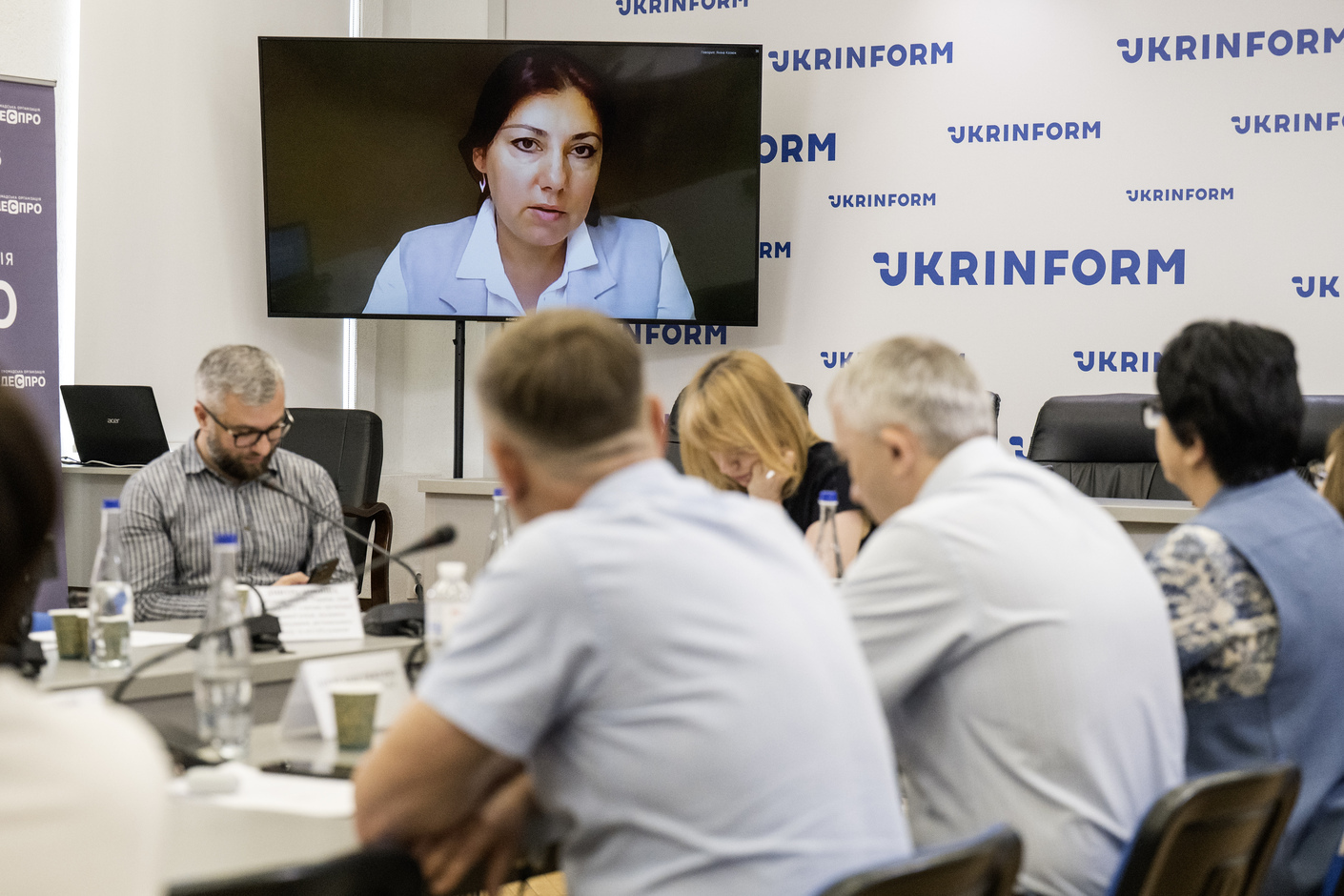
In this context, Yanina Kaziuk added that it is necessary to first inventory all available registers. The expert on local self-government and public finance pointed out that Ukraine already possesses a substantial array of information resources, and before creating new collection mechanisms, a thorough audit should be conducted:
"A large volume of work can be lifted from local self-government bodies if we maximally utilise the information that is already present in state information systems."
At the same time, the expert emphasised that population size remains the key indicator, as demographic data forms the basis for financial analysis, inter-budgetary transfers, assessment of the financial capacity of communities, and budget policy as a whole. In her conviction, the future system must combine two approaches: maximising the use of already available state registers and defining a limited list of indicators that local self-government bodies must collect independently.
Summing up the round table, Olena Shuliak noted that during the discussion, participants managed to outline the main directions for further work, where the main goal is to create a working legislative framework. According to her, it is not fundamental whether a separate law on local statistics appears or if the relevant norms are integrated into existing legislation:
"For us, the main thing is that a working legislative framework is created. It is this framework that must define powers, responsibility, mechanisms of interaction, and the use of statistical data."
Likewise, according to the Committee Chair, the model of digital infrastructure requires further discussion:
"We need to jointly determine whether we are creating a separate system or using already existing information resources and how to ensure their interaction. These are the questions we must resolve together with Ukrstat, the Ministry of Development, and other participants in the process."
Olena Shuliak assured that the parliamentary committee will continue its work on this topic:
"The Committee will certainly not let this issue slip out of its hands. We will coordinate further work so that the result is not new discussions, but concrete decisions necessary for the development of municipal statistics in Ukraine."
Thus, local statistics have officially ceased to be a narrow professional topic. They are viewed as one of the key elements of effective governance, strategic planning, and the post-war recovery of communities. Therefore, the next step must be the alignment of legislative, organisational, and digital decisions that will allow for the formation of a modern system of municipal statistics in Ukraine.
06 July 2026
У червні громадам спрямували 38,5 млрд грн: Мінфін прозвітував про перерахування трансфертів
У червні громадам спрямували 38,5 млрд грн:...
У червні 2026 року Мінфін згідно з бюджетним законодавством забезпечив перерахування міжбюджетних трансфертів до...
06 July 2026
Open Call for National Short-Term Legal Experts U-LEAD with Europe Phase III – DRD-ES Team
Open Call for National Short-Term Legal Experts...
Open Call for National Short-Term Experts: Legal Expertise on the Delimitation and Distribution of Powers among...
06 July 2026
Навчання U-LEAD надихнуло на створення Школи...
Навчальна програма «Кроки для спеціалістів. Участь жителів у вирішенні питань місцевого значення» включала не лише...
03 July 2026
‘Ukrainian communities are now fully-fledged participants in the European dialogue’
‘Ukrainian communities are now fully-fledged...
Shyroke community in Zaporizhzhia region works in conditions that many European municipalities would find difficult...