Cities and regions should influence decisions on the future of Ukrainians in the EU
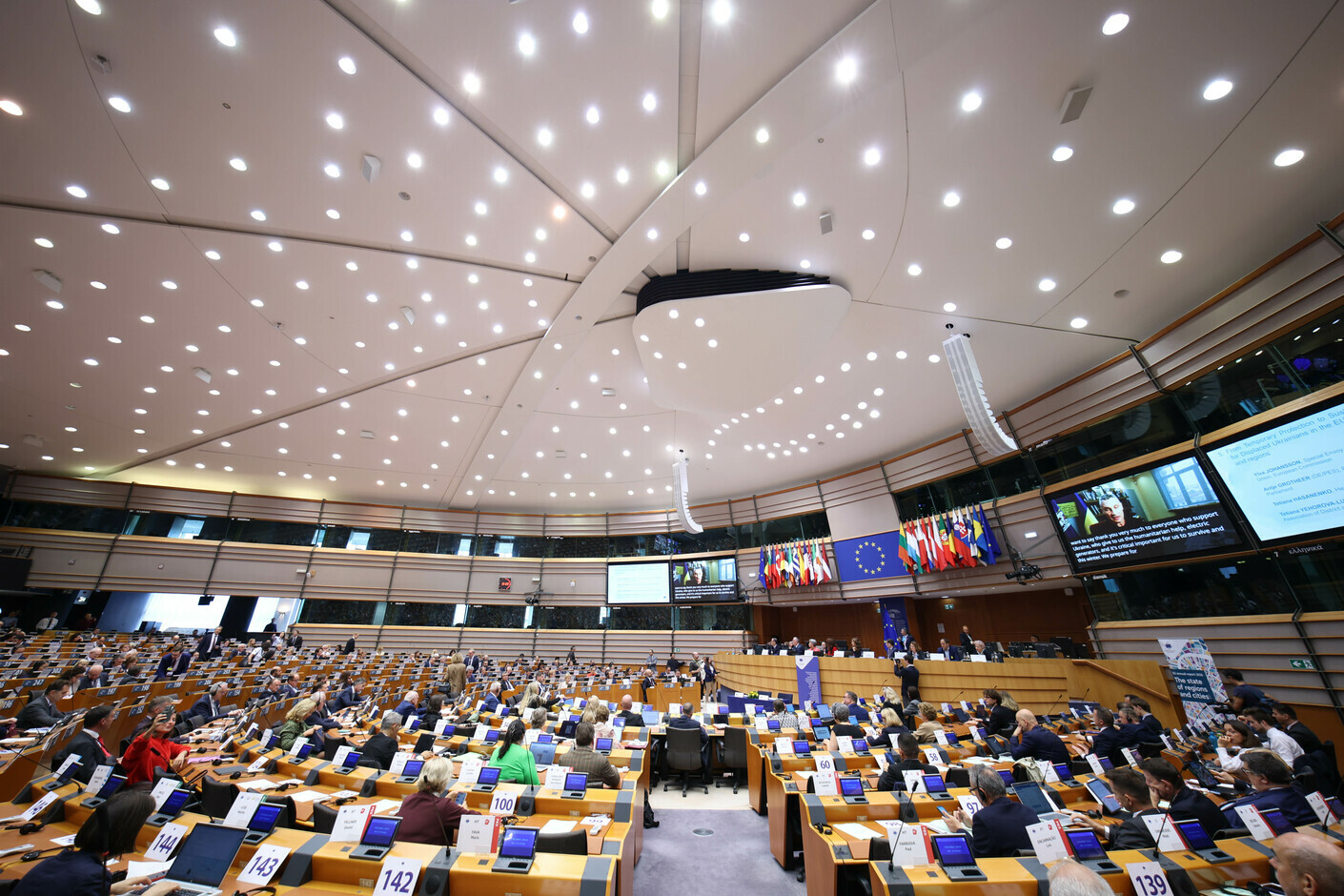
The European Committee of the Regions called on cities and regions to be involved in preparing solutions for Ukrainians once temporary protection has ended. They have to be provided with predictable funding and sufficient administrative resources to support the people and the communities that are hosting them.
These provisions are set out in the opinion “From Temporary Protection to Sustainable Solutions for Displaced Ukrainians in the EU – the role of cities and regions”, adopted on 13 October at the plenary session of the European Committee of the Regions. The document was prepared by the rapporteur Antje Grotheer, President of the Bremen State Parliament and Chair of the CoR Working Group on Ukraine.
According to Eurostat, as of July 2026, 4.4 million people who had fled Ukraine were benefiting from temporary protection in the EU. This protection has been extended until 4 March 2028. The European Committee of the Regions emphasises that this time should be used to prepare coordinated and sustainable solutions that take into account people’s individual circumstances, preserve their acquired rights, and do not create gaps in protection.
The conclusion sets out three priorities: supporting the integration of Ukrainians into European communities; investing in education, skills, and professional development, which will benefit both the host communities and Ukraine’s recovery; and creating the conditions for a voluntary, informed, safe, and sustainable return, once this becomes possible.
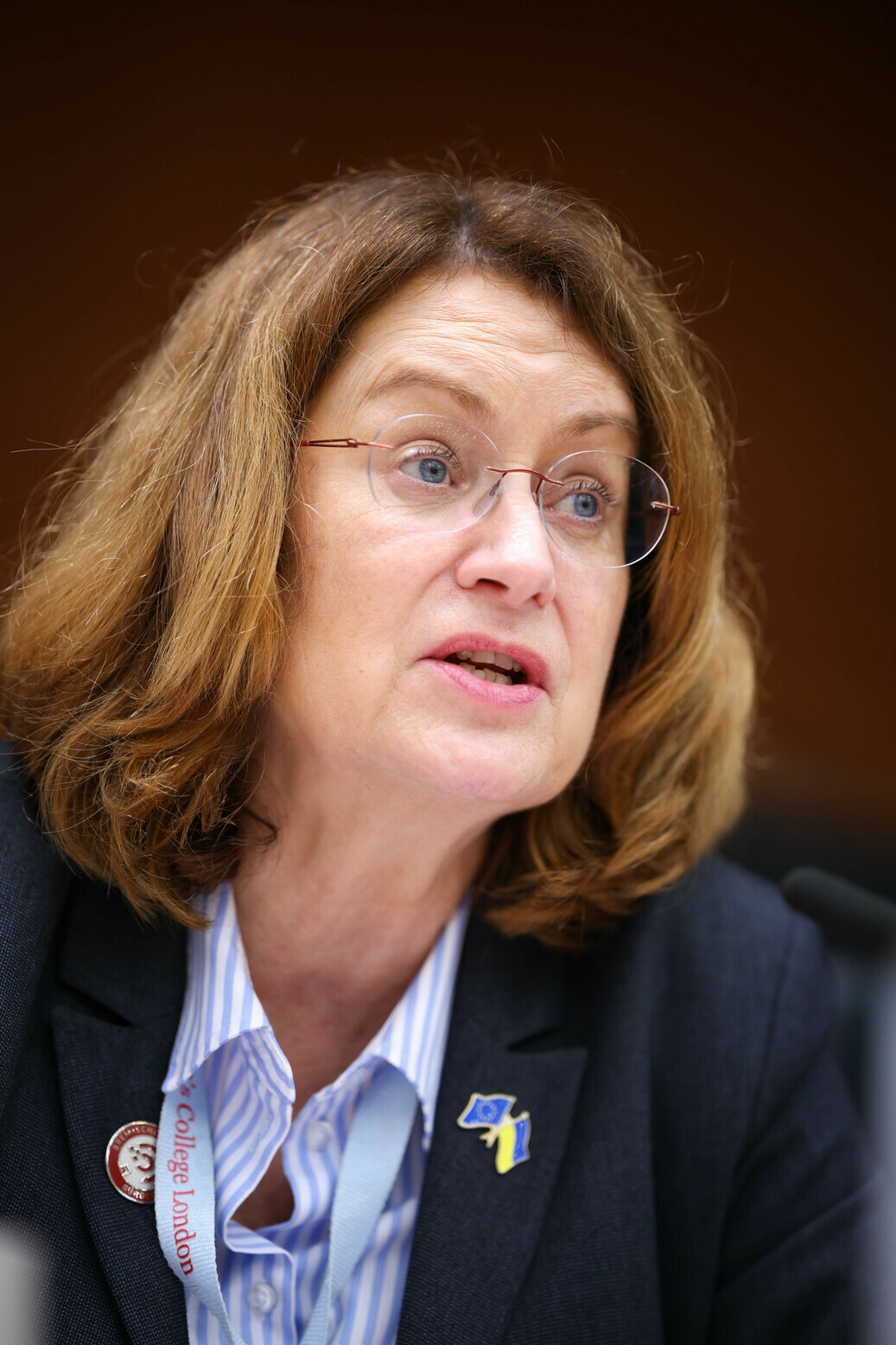
Antje Grotheer emphasised, ‘Temporary protection was the right emergency response, but it cannot be a long-term solution. People who have been forced to flee Ukraine due to the russian war need certainty about their future. Europe has to prepare a clear transition, and the cities and regions that will implement it on the ground should have a real influence on shaping it.’
Decisions on the legal status of Ukrainians are taken predominantly at EU and national level, whereas the practical consequences of these decisions are felt by cities and regions. Local and regional authorities are the ones that provide housing, education, healthcare, social services, and assistance with finding employment. Therefore, in the Committee’s view, their experience has to be taken into account when determining future residence options, integration measures, and support for return.
The European Committee of the Regions also calls for the removal of barriers to employment, education, healthcare, adequate housing, and the recognition of qualifications. It proposes that particular attention be paid to children and young people, women, older people, people with disabilities, and other vulnerable groups.
Ylva Johansson, EC Special Envoy for Ukrainians in the EU, said, ‘It is time to realise that Ukrainians should be seen not only as vulnerable refugees, but also as our partners. Their future is part of Ukraine’s future, and Ukraine’s future lies in the European Union. I see the 4.4 million Ukrainians in the EU as a human bridge between Ukraine and the EU. Some would like to return to Ukraine, others will not, but all are very keen to support Ukraine’s restoration and want to be part of our shared European future. It is important to make every effort to support this and prepare for it.’
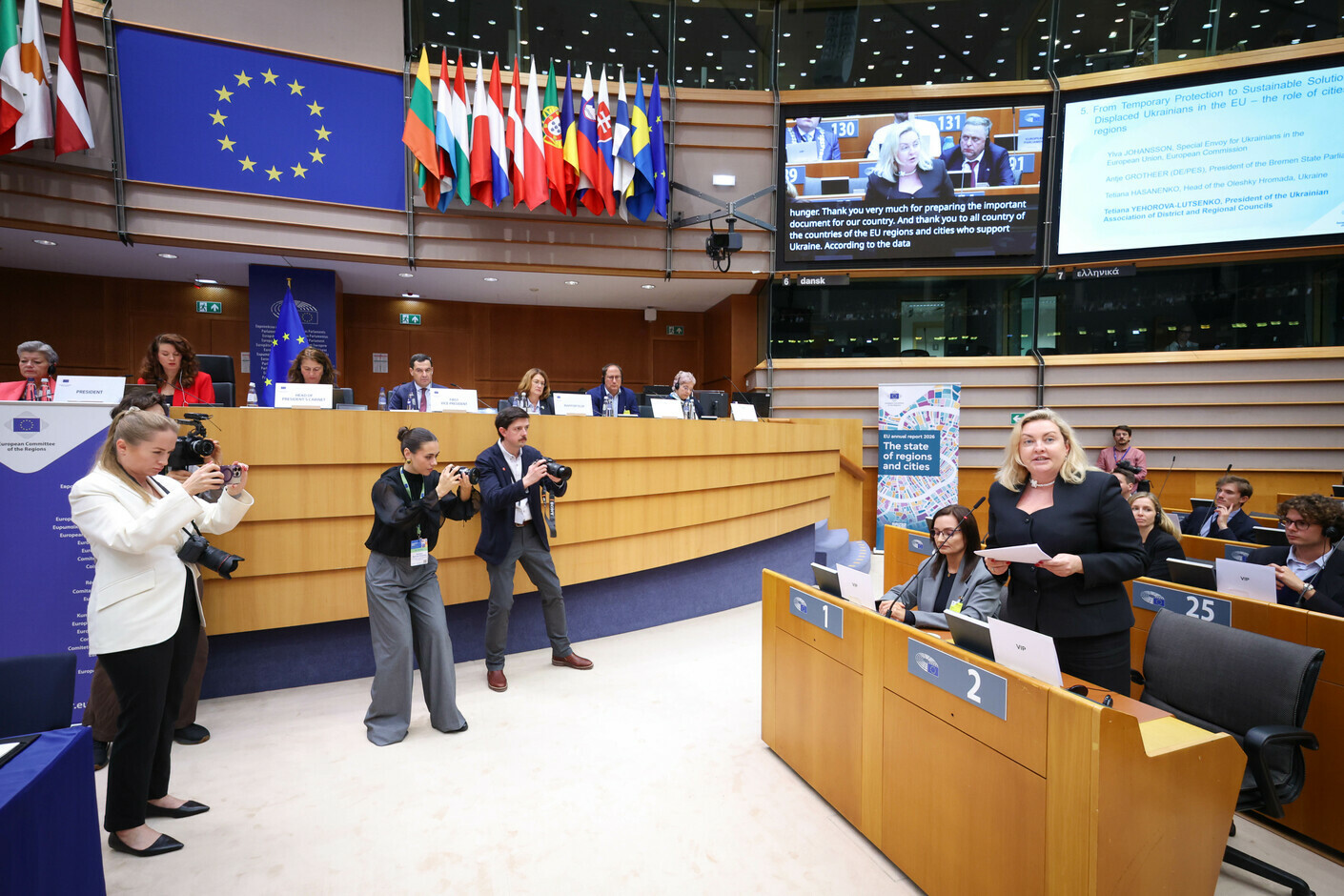
The President of the Ukrainian Association of District and Regional Councils and Chair of the Kharkiv Regional Council Tetiana Yehorova-Lutsenko emphasised the importance of the connection between Ukrainians abroad and communities in Ukraine:
‘The millions of Ukrainians who now live outside our country represent a huge human potential that Ukraine cannot afford to lose. Ukrainians in European communities should maintain ties with Ukraine and have the opportunity to return voluntarily. I would like to highlight several key issues. Firstly, security is the main condition for the return of our citizens. The draft conclusion rightly states that return has to be voluntary, safe, dignified, and take into account the situation in specific regions of Ukraine. Secondly, the recovery of Ukrainian communities has to become part of European policy.’
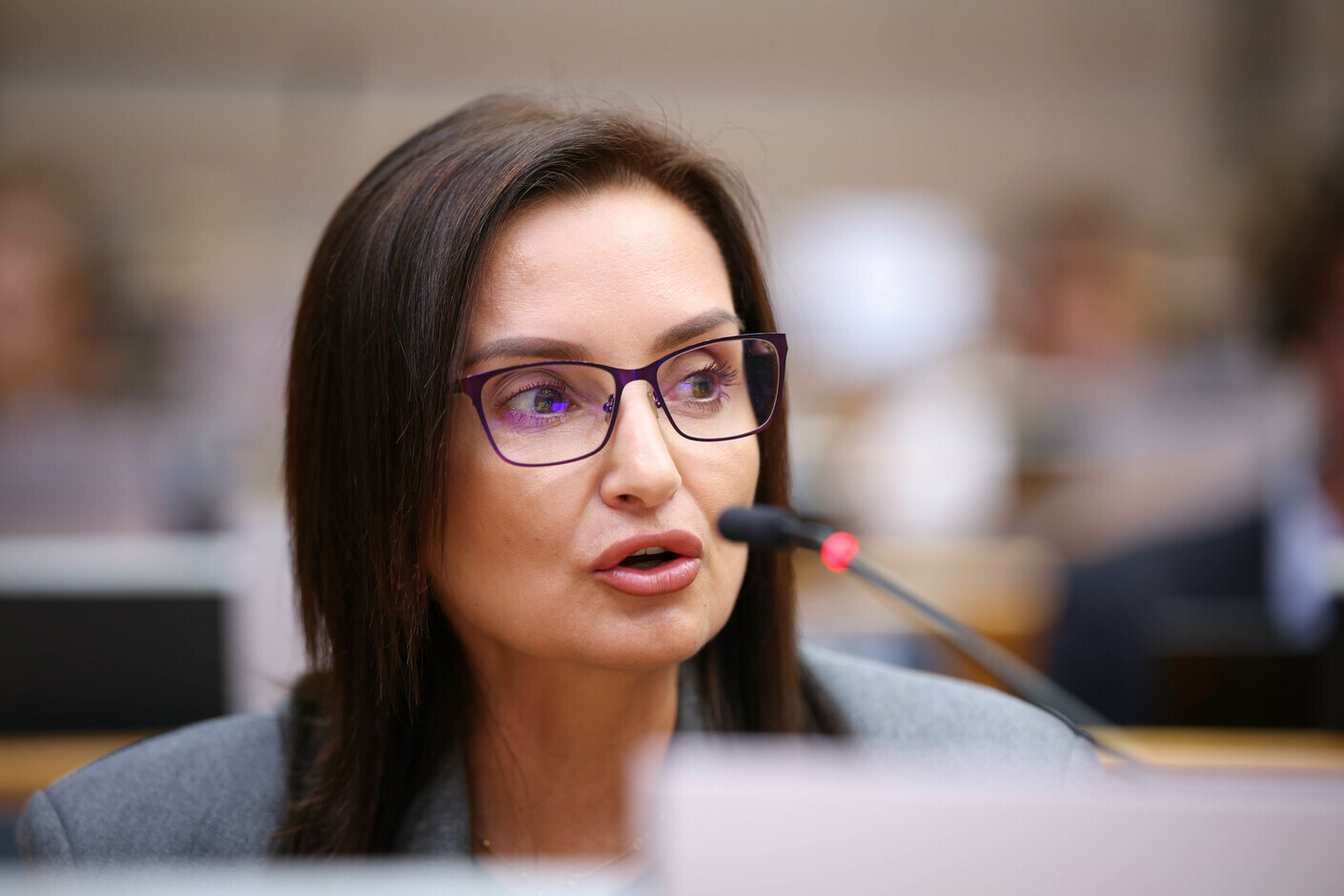
Tetiana Hasanenko, Head of the Oleshky City Military Administration, spoke about the situation of people in the temporarily occupied territories:
‘Every day, Ukrainians face the threat of shelling, the loss of their homes, and forced displacement. In such circumstances, the continuation of temporary protection is vital for many Ukrainians, especially for women and children, who need stability and confidence in the future. At the same time, we should not forget about the Ukrainians who remain in the temporarily occupied territories and are unable to leave. I therefore call on you: please help Ukraine and the Ukrainian people. People’s right to safety should not depend on which side of the front line they are on.’
The European Committee of the Regions emphasises that return has to be voluntary, informed, safe, and sustainable. In order to achieve this, Ukrainian and European cities and regions are encouraged to cooperate, to support the reintegration of people, the restoration of housing and local services, as well as the continuity of education, healthcare, and social protection.
Photo: European Committee of the Regions
Source:
Портал "Децентралізація"
14 October 2026
Kherson Regional Development Agency joins EURADA
Kherson Regional Development Agency joins EURADA
The Kherson Region Regional Development Agency “Office for European Integration” signed a memorandum with the...
14 October 2026
How the KRYTSIA Project Supports the Recovery and Development of Communities in Kryvyi Rih Raion
How the KRYTSIA Project Supports the Recovery...
Russia’s full-scale invasion has changed the approach to local development in Ukraine. In the first months...
13 October 2026
Ukraine and CoR prepare for the first JCC meeting
Ukraine and CoR prepare for the first JCC meeting
The first meeting of the Joint Consultative Committee between Ukrainian local governments and the European Committee...
13 October 2026
Seven Hromadas Selected for Polaris Support to Develop Local Veteran Policies
Seven Hromadas Selected for Polaris Support to...
The Swedish-Ukrainian Polaris Programme “Supporting Multilevel Governance in Ukraine” has selected seven new...