Oleksandr Korniienko: The Carpathian Initiative should become a tool for the development of communities and regions
The Carpathian Integration Initiative is intended to provide communities and regions not only with a new international framework, but also with practical opportunities for partnerships, joint projects, and the development of mountainous territories. This was the message conveyed by Oleksandr Korniienko, First Deputy Speaker of the Verkhovna Rada of Ukraine, during the Carpathian Forum of Communities and Regions.
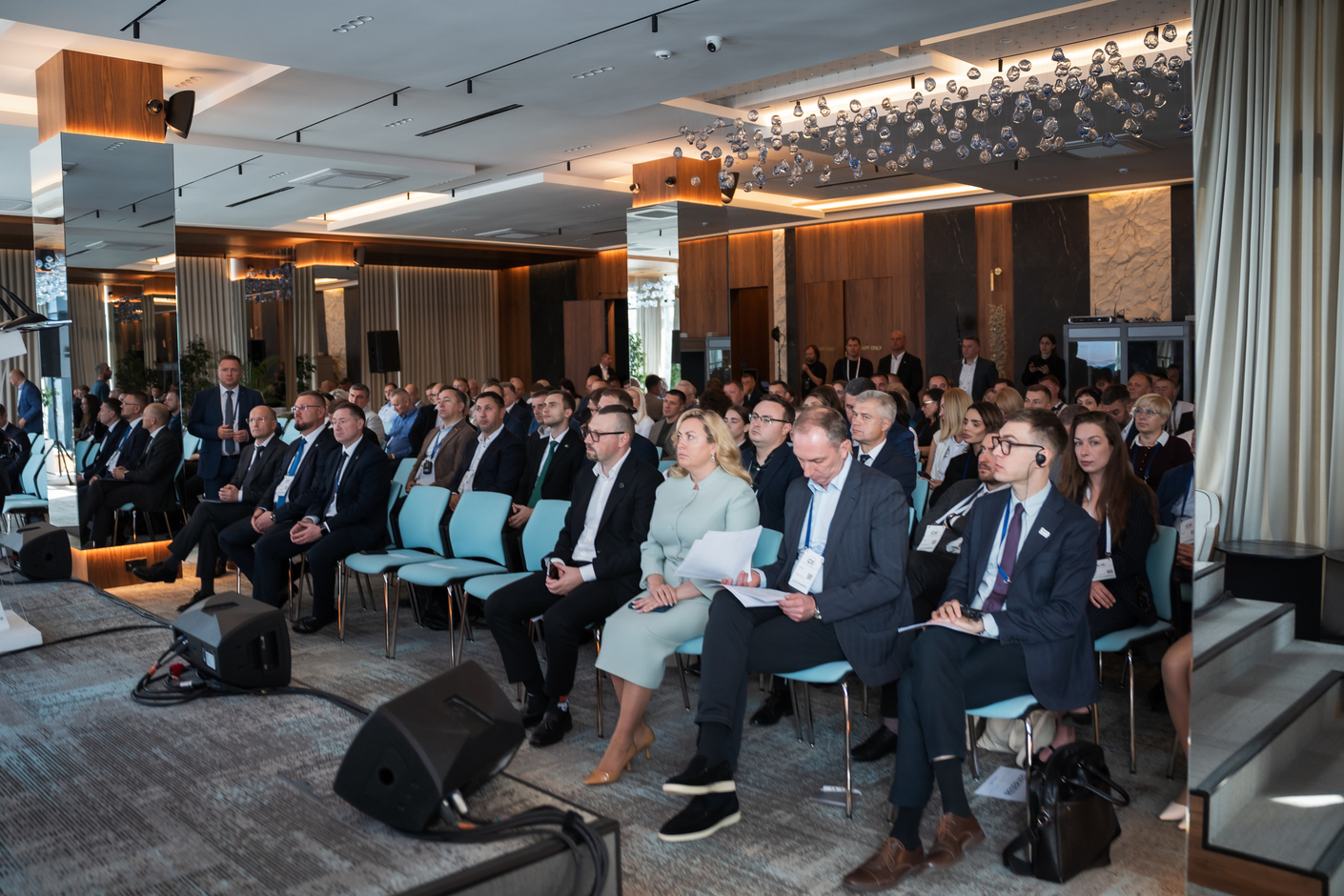
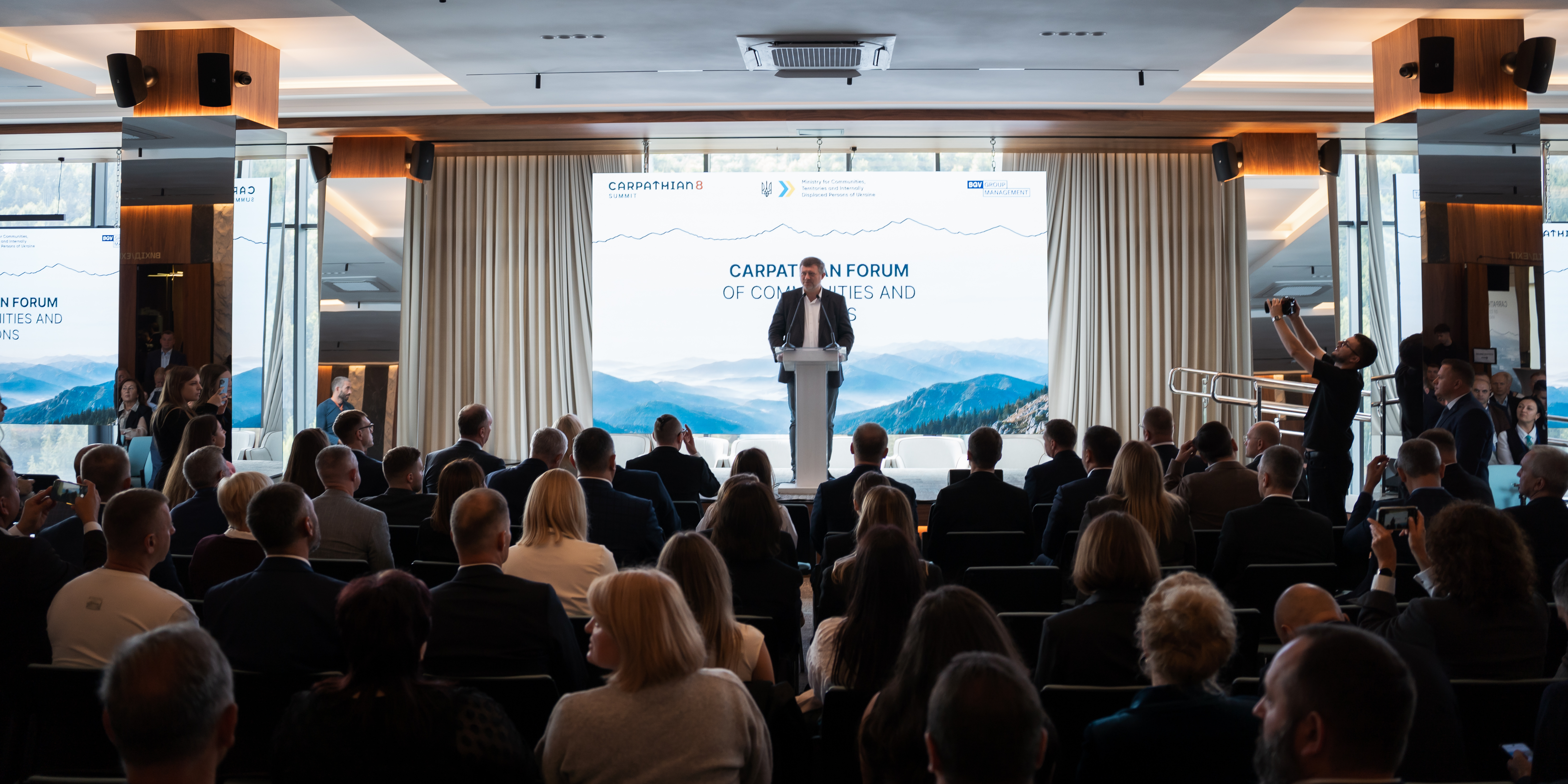
The Forum was held on 19 September in Bukovel as a side event to the CARPATHIAN 8 SUMMIT – the inaugural summit of the Carpathian Integration Initiative. The participants included representatives of central and local authorities, regions, communities, international partners, and the expert community.
Opening the Forum, Oleksandr Korniienko emphasised that the development of mountainous territories requires special attention in state regional policy.
‘The development of mountainous territories and communities is an important issue that requires serious and focused attention. This issue has not always received sufficient attention in national agendas, despite the fact that these communities have their own specific characteristics, such as accessibility, mobility, employment, demographics, nature conservation, and the preservation of traditional ways of life. Today, we have the opportunity to discuss the challenges and opportunities that these territories present. The task of the state, parliament, regional authorities, and the communities themselves is to find solutions that will provide these communities with prospects for life, work, and development.’
The First Deputy Speaker of the Verkhovna Rada claims that even during wartime, Ukraine must work on strategic issues, in particular on strengthening the regions economically and forging new international ties.
‘Today, of course, we are discussing the issues that affect communities every day, such as security, budgets, guarantees and support for the territories most affected by the war. However, we also need to consider the broader context. We must consider how we can use this Forum and the Carpathian Initiative to strengthen our communities and regions, and ultimately the whole country. A new economy is already emerging in the regions, particularly in western Ukraine, and the Carpathian region could be one of its driving forces.’
He emphasised that international cooperation should be measured not by the number of memoranda signed, but by concrete results for community residents.
‘The practical dimension is important to us. How can communities find partners, exchange experiences and develop joint economic, transport, logistics and infrastructure projects? How can we turn the proximity of our territories and our shared challenges into an advantage? The Carpathian region offers natural opportunities for this. However, these opportunities will only be realised when political dialogue is followed by concrete partnerships between cities, communities, regions, businesses and civil society organisations,’ emphasised Oleksandr Korniienko.
Two discussions were held during the Forum. The first focused on regional cohesion, cooperation between communities and partnerships with foreign territories. It brought together the heads of the Kharkiv, Lviv, Sumy, and Chernivtsi regional state administrations, as well as Marcin Chruściel, Director of the Office for Polish-Ukrainian Development Cooperation at the Ministry of Development Funds and Regional Policy of the Republic of Poland.
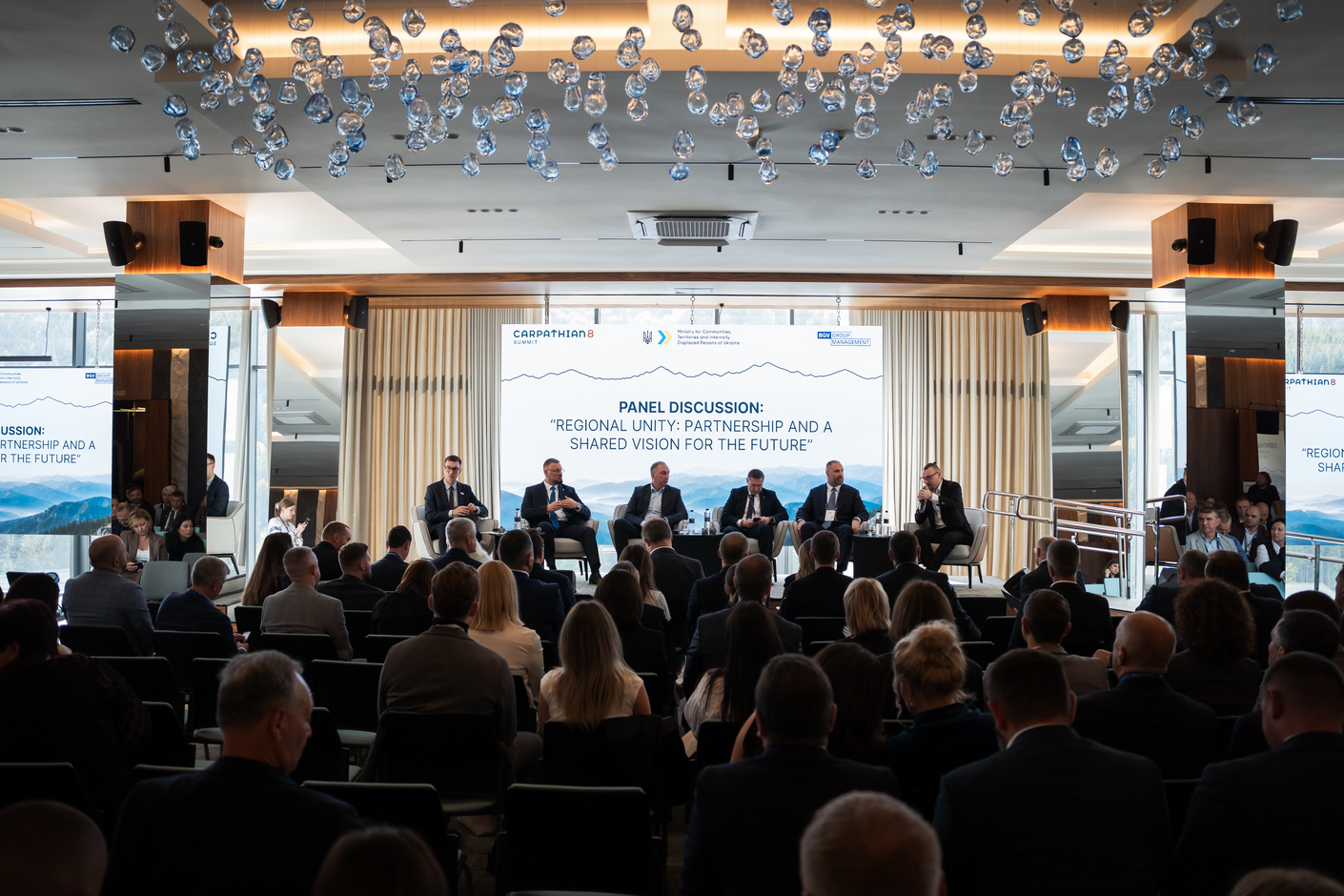
The second panel focused on mountainous territories as a distinct functional type. Leaders from Biloberizka, Perechyn, Slavske, Mamaivtsi, and Yaremche communities discussed the accessibility of services, mobility, demographic challenges, development planning, and support mechanisms for mountainous territories.
In an exclusive comment for the Decentralisation portal, Oleksandr Korniienko described the regional dimension as one of the key aspects of the Carpathian Integration Initiative.
‘The Carpathian Initiative is significant precisely because it allows us to discuss regional development within a broader European context. This framework provides an opportunity to bring together countries that differ in terms of their experience and capabilities, but which face similar challenges in the Carpathian region. These include the protection of the Carpathians, the development of the mountainous economy, logistics, the social sector, tourism and infrastructure, as well as support for communities. It is about finding joint solutions for territories that share a common geography but have not always had sufficient common tools for development.’
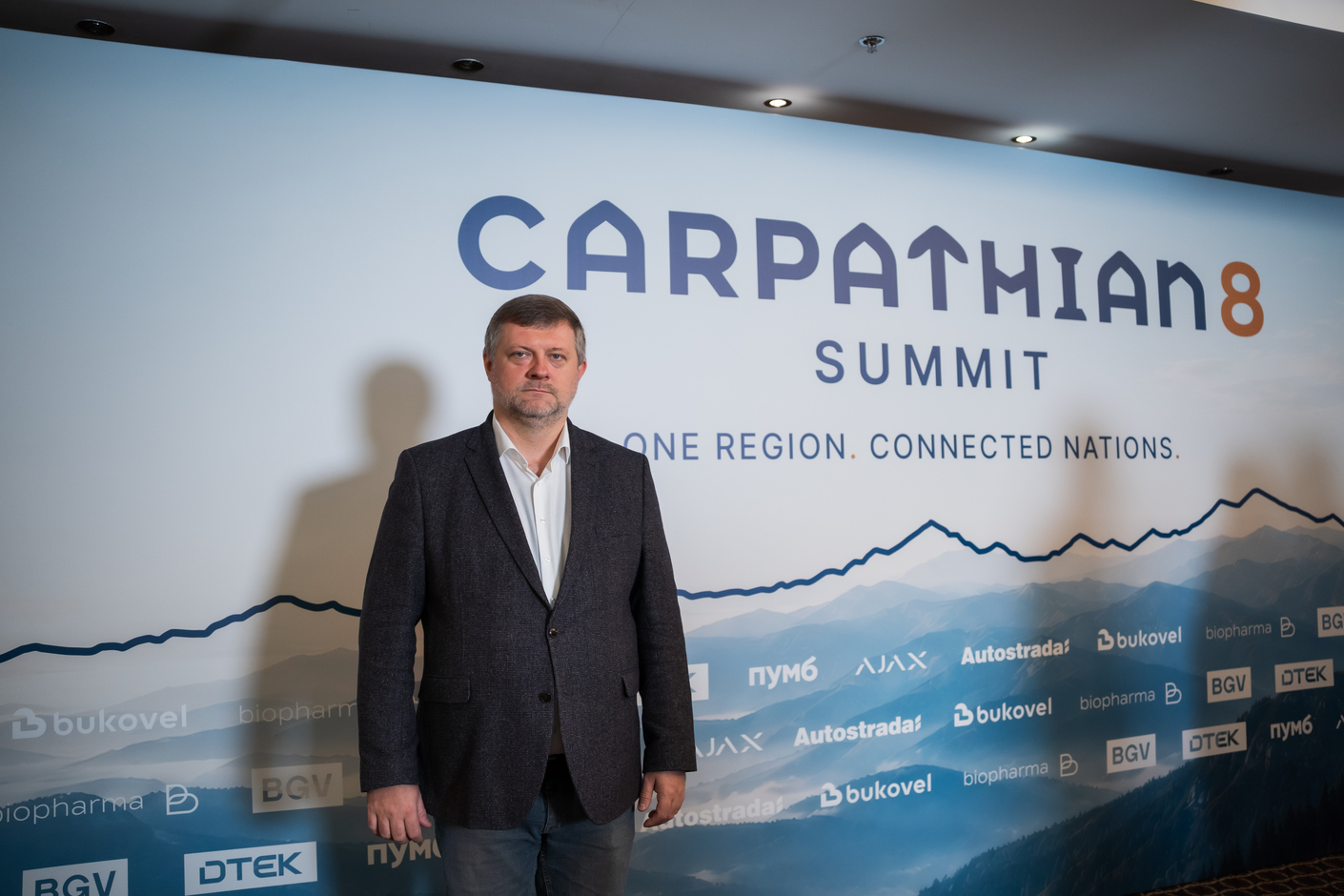
According to Oleksandr Korniienko, the next step should be to establish systematic cooperation between the regions and communities of the participating countries.
‘Active work should now begin on establishing partnerships between the regions and communities of the countries of the Carpathian Initiative. It is important that this process leads to joint projects, agreements between territories, access to European programmes and mutual learning. For its part, the Verkhovna Rada is ready to support the necessary legislative measures so that communities and regions can take full advantage of these opportunities.’
As previously reported, following the Summit, Ukraine, Austria, Poland, Romania, Serbia, and Slovakia adopted the Declaration on the Carpathian Integration Initiative.
The document provides for the creation of a platform to coordinate joint actions by states, regions, communities, EU institutions, and international partners. Its key areas include cross-border cooperation, energy security, civil protection, the modernisation of critical infrastructure, the development of transport and logistics networks, environmental protection, sustainable tourism, and support for local initiatives.
The Declaration also envisages the use of the opportunities offered by the Interreg and Interreg NEXT programmes, and the conclusion of new interregional agreements, in particular through the mechanism of European Groupings of Territorial Cooperation. The Summit participants also expressed their readiness to consider the creation of an EU Macro-regional Strategy for the Carpathian Region – EUSCARP.
For Ukrainian communities, this could open up a new pathway to international partnerships, cross-border projects, and European development instruments.
19 September 2026
"Ми маємо бути єдиним голосом усіх наших громад...
Карпатська інтеграційна ініціатива має стати основою для переходу до нового формату EUSCARP — Стратегії ЄС для...
18 September 2026
Віталій Безгін: підтримка громад має враховувати функціональний тип території
Віталій Безгін: підтримка громад має...
«Українські громади дуже різні за безпековими умовами, географією, економікою та потребами людей. Тому й державна...
18 September 2026
Вакансія: Експерт(-ка) з дошкільної освіти
Вакансія: Експерт(-ка) з дошкільної освіти
Опис контексту Щоб задовольнити мінливі потреби українських муніципалітетів і зацікавлених сторін на національному...
18 September 2026
Вакансія: Експерт(-ка) з місцевих фінансів (в напрямку «Фінансова децентралізація»)
Вакансія: Експерт(-ка) з місцевих фінансів (в...
Опис контексту Щоб задовольнити мінливі потреби українських муніципалітетів і зацікавлених сторін на національному...