Country’s economic resilience begins in regions: Six projects under Produce! initiative
Every day, the war is testing the resilience of Ukraine’s economy: businesses are being destroyed, supply chains are being disrupted, and investment risks are increasing. At the same time, the country needs industrial products, equipment, materials, and skilled workers for its reconstruction. If Ukrainian industry is unable to meet this demand, a significant proportion of the economic benefits will accrue to imports.
However, economic development is not limited to meeting the needs of reconstruction. Ukraine needs competitive manufacturing sectors capable of entering foreign markets, creating products with high added value and providing jobs for people in communities. This applies to industrial components and energy solutions, to resource processing, and to niche sectors such as the Ukrainian fashion industry. Therefore, regional development does not require a universal recipe, but rather reliance on the specific strengths of each region – its enterprises, specialists, research institutions, resources, and partnerships.
Today, economic development and regional development are inseparable. At the local level, it is possible to identify which enterprises are capable of growth, where production capabilities lie, which businesses are lacking, and what decisions the state, communities and partners need to make. The Produce! initiative has encouraged joint work on these issues by bringing together representatives from regional authorities, communities, businesses, educational institutions, academia, and regional development agencies to develop specific projects.
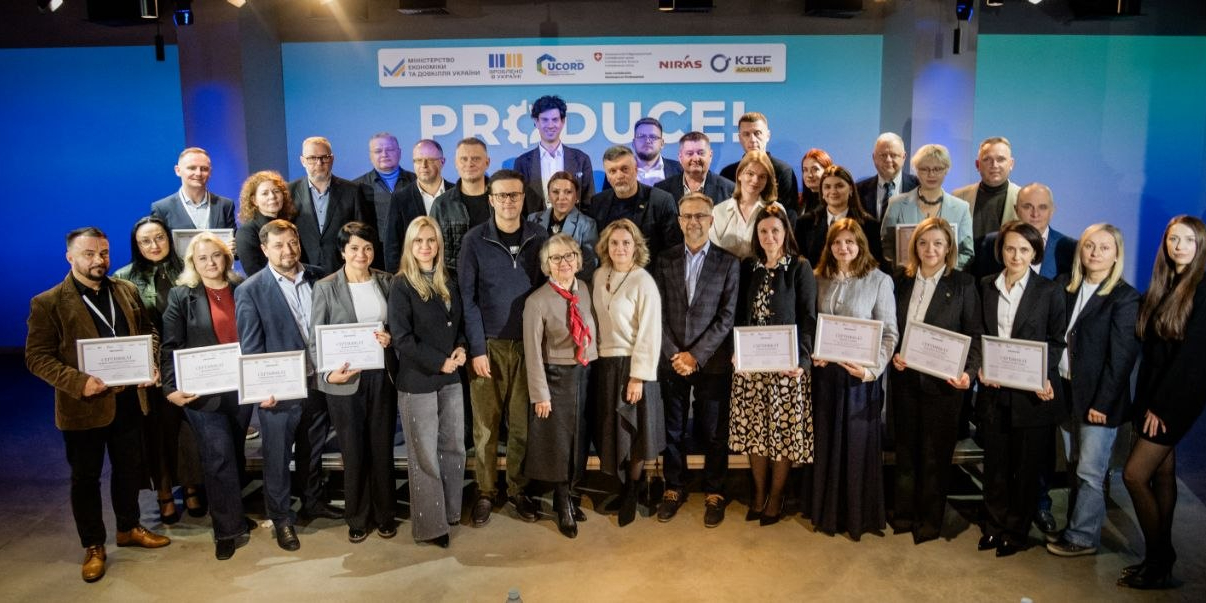
Teams from Vinnytsia, Volyn, Odesa, Sumy, Ternopil, and Khmelnytskyi regions completed three training modules within Produce! programme. In the first two modules, they worked on economic development methods, tools to support production, investment, lean manufacturing, and AI. The third, final, module focused on the experiences of Ukrainian producers and practical work on regional projects. On 30 October, the teams presented their work at a dialogue session in Kyiv.
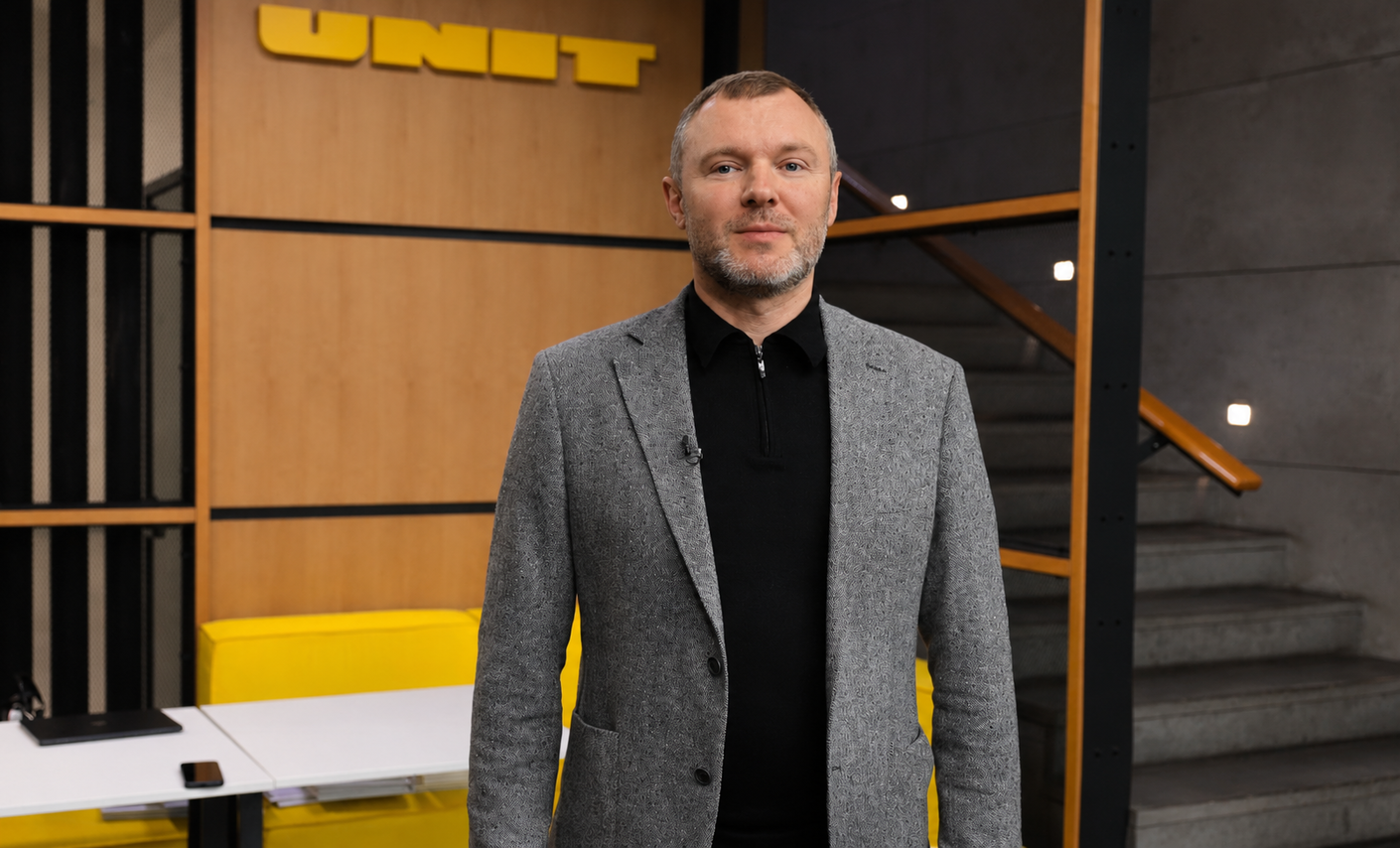
Vitalii Kindrativ, Deputy Minister of Economy and Environment of Ukraine, shared his opinion on the first cycle of Produce! and outlined the Ministry’s prospects for its extension.
‘We are satisfied with the results of the first pilot project in six regions. The participants were highly motivated, attended all the sessions and have produced tangible projects, some of which may well find their place in the real sector. We want to extend this approach to other regions and seek synergies between business, authorities, the expert community, and technical assistance projects, in order to help create real companies that can take their place in the market.’
Produce! initiative “Leadership in Economic Development through Production”, is implemented by the Kyiv International Economic Forum Academy under the auspices of the Ministry of Economy and Environment of Ukraine, with the support of the Swiss-Ukrainian project “Ukraine’s Cohesion and Regional Development” (UCORD) Project.
From local potential to the national economy
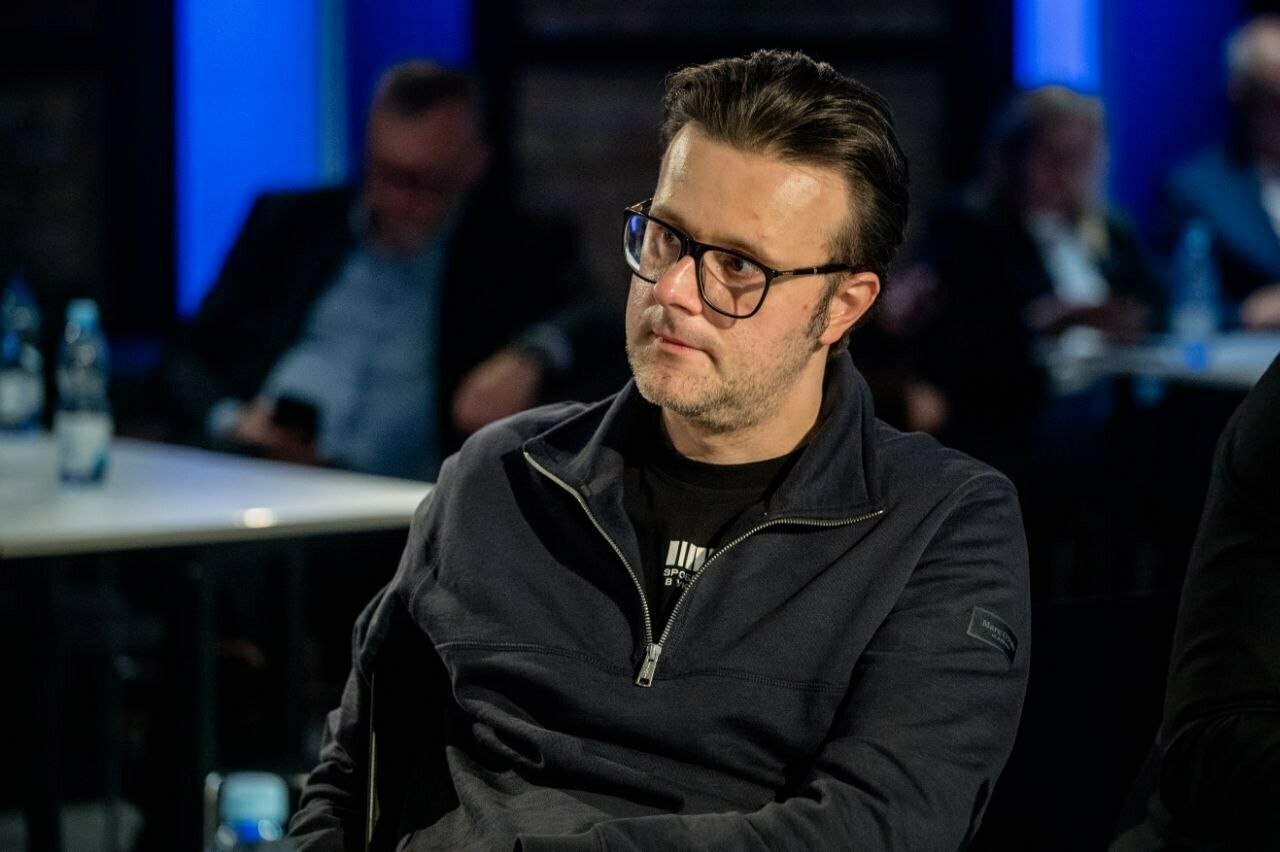
Viktor Halasiuk, CEO KIEF Academy & UGF, a member of the KIEF Supervisory Board and coordinator of Produce!, explained what was expected of the regional teams. They were to select projects that are backed by resources and partnerships, align with promising economic sectors, and can be implemented by the teams themselves. Requests to central government and international partners should help remove barriers, speed up progress, and increase the scale of the work.
‘We were honest with the participants: choose a project that you would want to and could implement, even if you had no external support whatsoever. If, however, conditions are needed at the national level, the project can be implemented more quickly and effectively with them, and its impact will be greater.’
Viktor Halasiuk cited the example of industrial parks: initially, pilot projects were intended to show that the model worked, and later the state introduced co-funding for infrastructure. In his view, regional projects could follow the same path: test the idea in practice, formulate a proposal for state policy, and then scale up an effective solution.
Dmytro Kysilevskyi, Member of the Ukrainian Parliament and Deputy Chair of the Verkhovna Rada Committee on Economic Development, emphasised that the role of communities and regional authorities in economic development remains underestimated. Local authorities are best placed to understand what businesses need and to help them make use of the available support mechanisms.
‘We have to help our businesses survive right now. We cannot afford to miss out on the future demand for restoration. If, by that time, we are not producing what we will need, everything will have to be imported and we can forget about the economy. If businesses do not get back up and running, people will not return.’
Dmytro Kysilevskyi named preparation for EU accession as the third priority. It is important for the regions to understand in advance how European rules will change operating conditions in specific sectors, where difficulties will arise, and what issues the Ukrainian authorities need to discuss with their European partners.
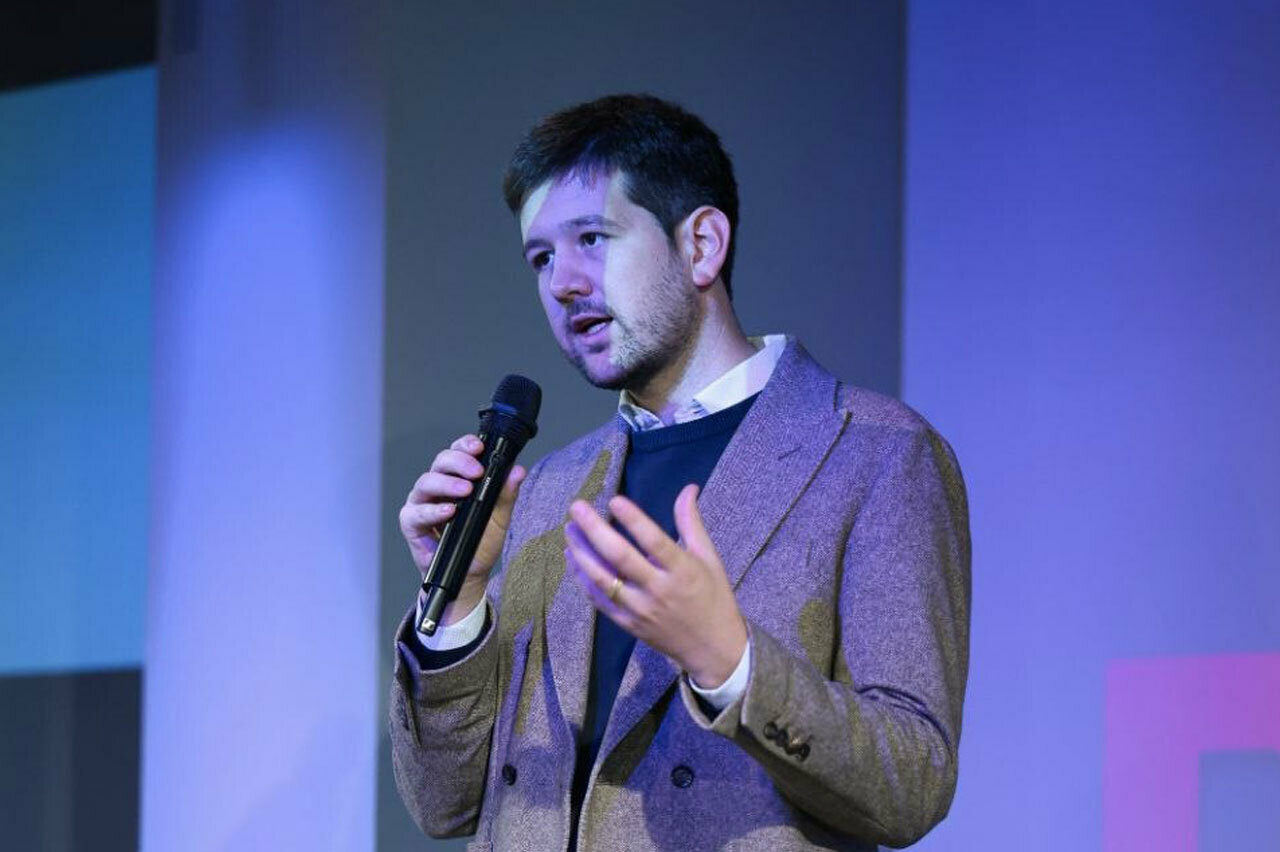
Philippe Brügger, Deputy Head of Cooperation at the Swiss Embassy in Ukraine, emphasised the importance of taking the needs and competitive advantages of the regions into account in national policy and highlighted the role of regional development agencies in bringing together local authorities, businesses, and other partners.
‘It is extremely important that national policy is implemented at regional and local levels and takes into account the competitive advantages of each region and the needs of local businesses. We believe that the leadership role played by regional development agencies helps to bring together different stakeholders around shared decisions, and this lies at the heart of Produce! initiative. This week, I visited Vinnytsia and Ternopil regions and met with their regional development agencies. I was impressed by how proactively they engage with local businesses and regional authorities and involve different partners. This energy contributes to the development not only of the regions but also of the country as a whole. I hope that the projects presented today will make a good start for further implementation.’
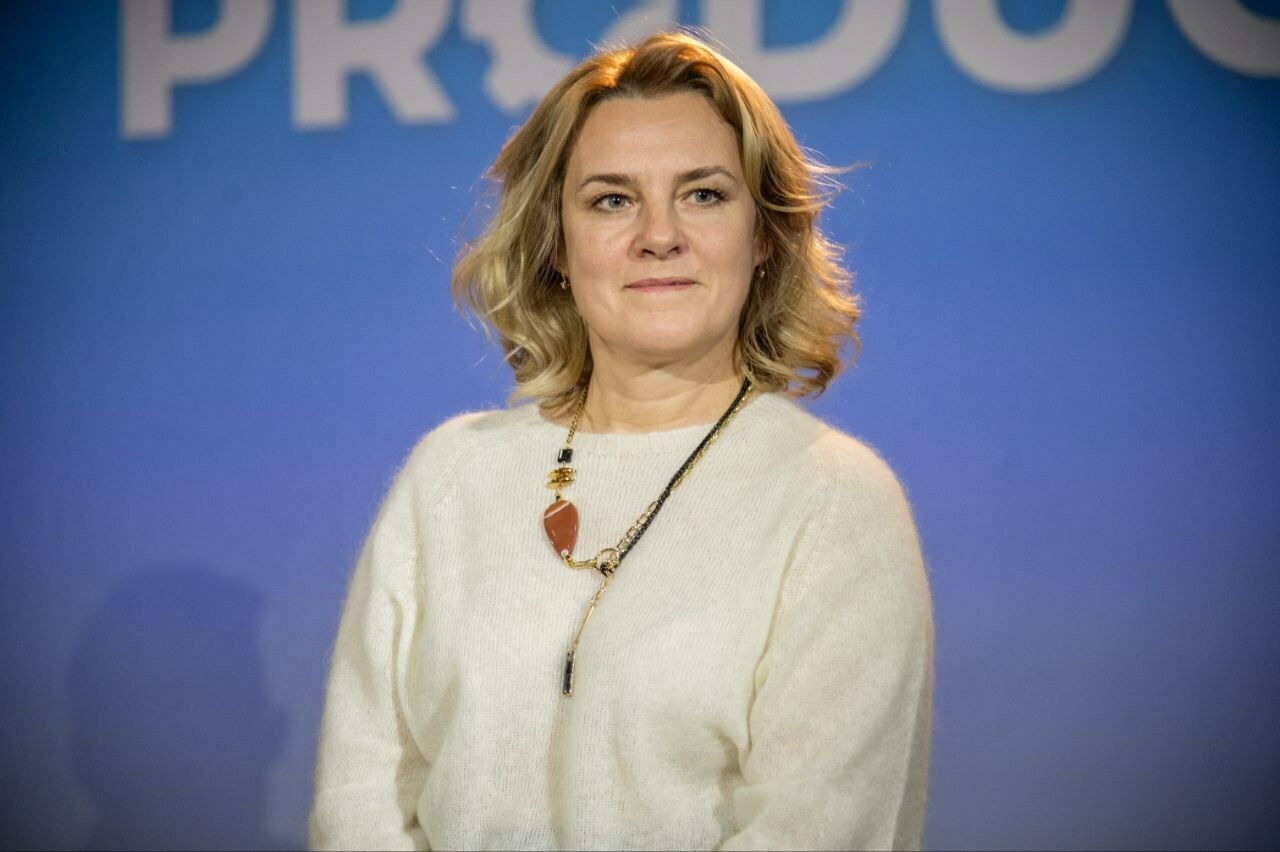
For UCORD Project Leader Maryna Bryl, business engagement proved to be a key indicator. She noted that the initiative lasted for about six months and was a pilot scheme, but the level of participation from entrepreneurs exceeded expectations.
‘If businesses are involved, interested, and see an opportunity to continue developing, that is the highest indicator of successful joint work for us. Partnerships are important not for the sake of signed memoranda, but for the sake of shared ideas that can be realised, attract further investment and be transformed into economic development. Regional development agencies play a vital role in this process – they can bring partners together and help projects move forward.’
Members of the expert panel joined the discussion of the projects: MPs Iryna Konstankevych and Oleksii Zhmerenetskyi, Deputy Head of the Kyiv Regional State Administration Nataliia Havatiuk, Head of the Department of Industrial Parks and Investment Support at the Ministry of Economy Artur Miliezhyk, Chief Executive of the Federation of Employers of Ukraine Ruslan Illichov; and Head of the Institute of Informatisation, Modelling and Economics at the Cabinet of Ministers of Ukraine Dr Ihor Kuzhva. They put practical questions to the teams and shared recommendations on the implementation of the projects.
Proposals from regional teams
Vinnytsia region: Protecting production to avoid losing working hours
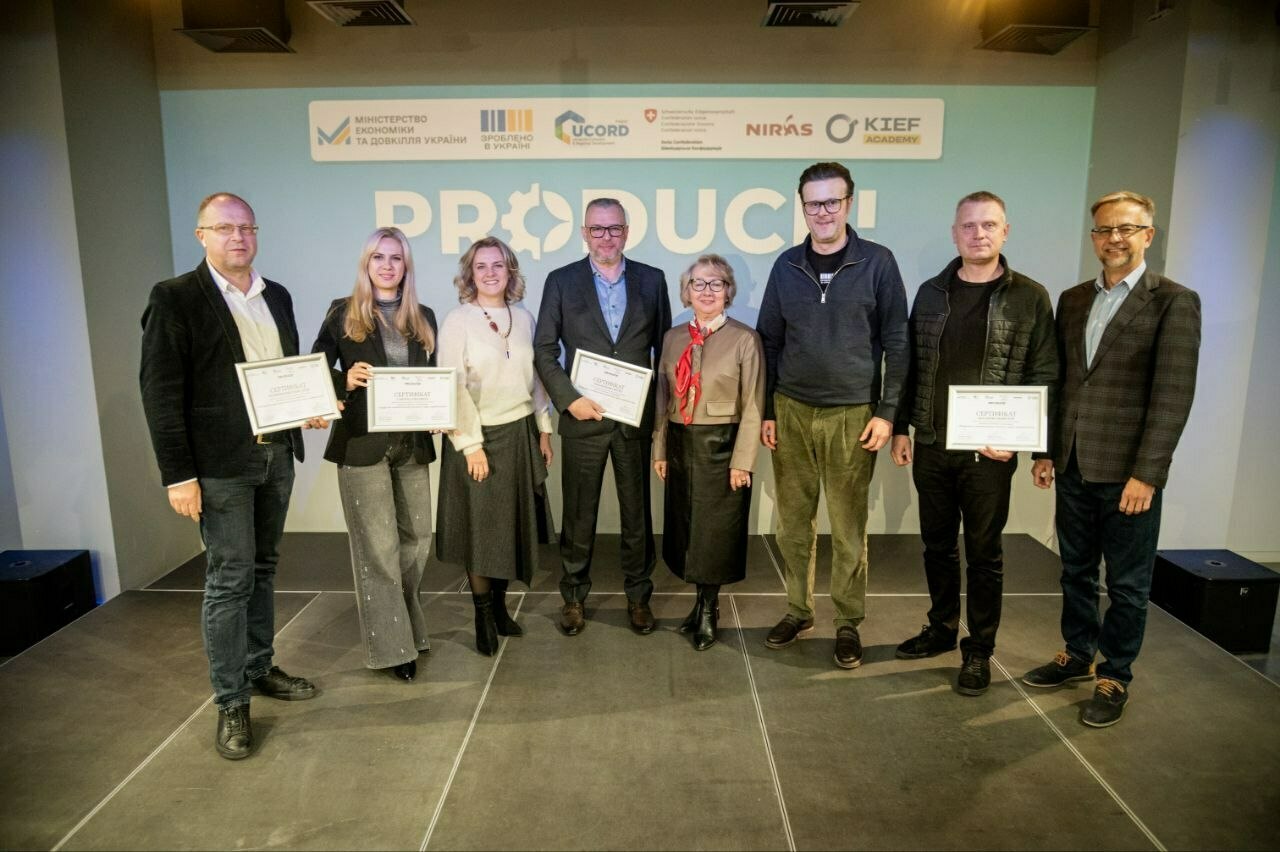
An air strike can bring a factory to a standstill even without a direct hit: it is enough to disrupt the production cycle, damage equipment or force people to leave their workplaces. For businesses, this means downtime, missed orders and additional costs; for the community, it means the risk of job losses and a shortfall in tax revenue. The team from Vinnytsia region has taken this very problem as its starting point, proposing state support for the construction of protected production and storage facilities.
The team describes the dilemma that companies face: building a fully-fledged protective shelter or a dual-purpose structure in line with current building regulations is too expensive for many manufacturers; operating without adequate protection, however, puts people, equipment, and the continuity of production at risk. The proposed “third way” is to create sunken, partially, or fully underground, as well as combined facilities, designed for a specific threat level. Their aim is to enable operations to continue during a yellow-level air threat, provided that the established requirements are met.
In the presentation, the team provides data for the first month after the entry into force of Cabinet of Ministers Resolution No. 1092: in Vinnytsia region, air raid alerts lasted just over 100 hours, with more than 80% of this time at the yellow alert level. For frontline regions, according to the calculations provided, the total duration of alerts exceeded 600 hours, with approximately half of this time at the yellow alert level. The team estimates that this represents potentially hundreds of hours of productive time that businesses could have avoided losing had they been able to operate in suitable, protected premises. In other words, this is not just about stronger walls, but about an attempt to minimise forced production stoppages.
To achieve this, the team proposes partially compensating for the additional capital expenditure on the protective measures, rather than funding the construction in full. According to the presentation’s rough estimates, a standard facility costs around USD 500 per square metre, while a protected underground facility costs around USD 1,000. For a facility with an area of 5,000 square metres, the difference amounts to approximately USD 2.5 million. The team proposes combining partial compensation with lending, specifically by adapting the 5-7-9% programme to this need, attracting private investment and, where possible, resources from international partners.
A key condition is that protection needs to be more than just a declaration; it has to be a calculated and verifiable characteristic of the facility. This requires official threat parameters, on the basis of which designers can justify structural designs, calculation methods and a catalogue of standard solutions adapted to geological conditions and the technological requirements of production. The enterprise, for its part, has to comply with requirements for operation, emergency notification, and the protection of personnel. Representatives from Vinnytsia region emphasised that an underground location does not in itself guarantee a level of protection, and that there is no such thing as absolute protection against all attacks.
This is an important reservation and is key to understanding the scope of the project: it does not promise that a business will be able to operate under all circumstances. It concerns a regulatory level of protection and the specific conditions under which operations may continue. The team also raises the issue of legal certainty: if a business has complied with the approved requirements, the mere fact of damage resulting from an attack should not automatically imply its guilt; liability should arise only for proven breaches.
The pilot project is proposed to be implemented in Vinnytsia region: the region has potential investors interested in secure production facilities and is ready to coordinate the selection of a site and the interaction between participants. In the first stage, the government and relevant authorities have to define the rules and sources of funding; next, they have to prepare a feasibility study, a project design and expert assessment, construct the facility, and then verify its cost and effectiveness. Such a pilot scheme would provide an opportunity not only to create a dedicated facility but also to test the model itself before potentially rolling it out to other regions.
The team proposes measuring the impact by the number of protected areas created, the volume of private investment attracted, new jobs created, and a reduction in downtime. If the model proves successful, it could become one of the tools for preserving the country’s industrial base: helping enterprises fulfil orders, retain staff, and continue operations amidst constant security risks.
Volyn region: Science Park as a technical partner for business
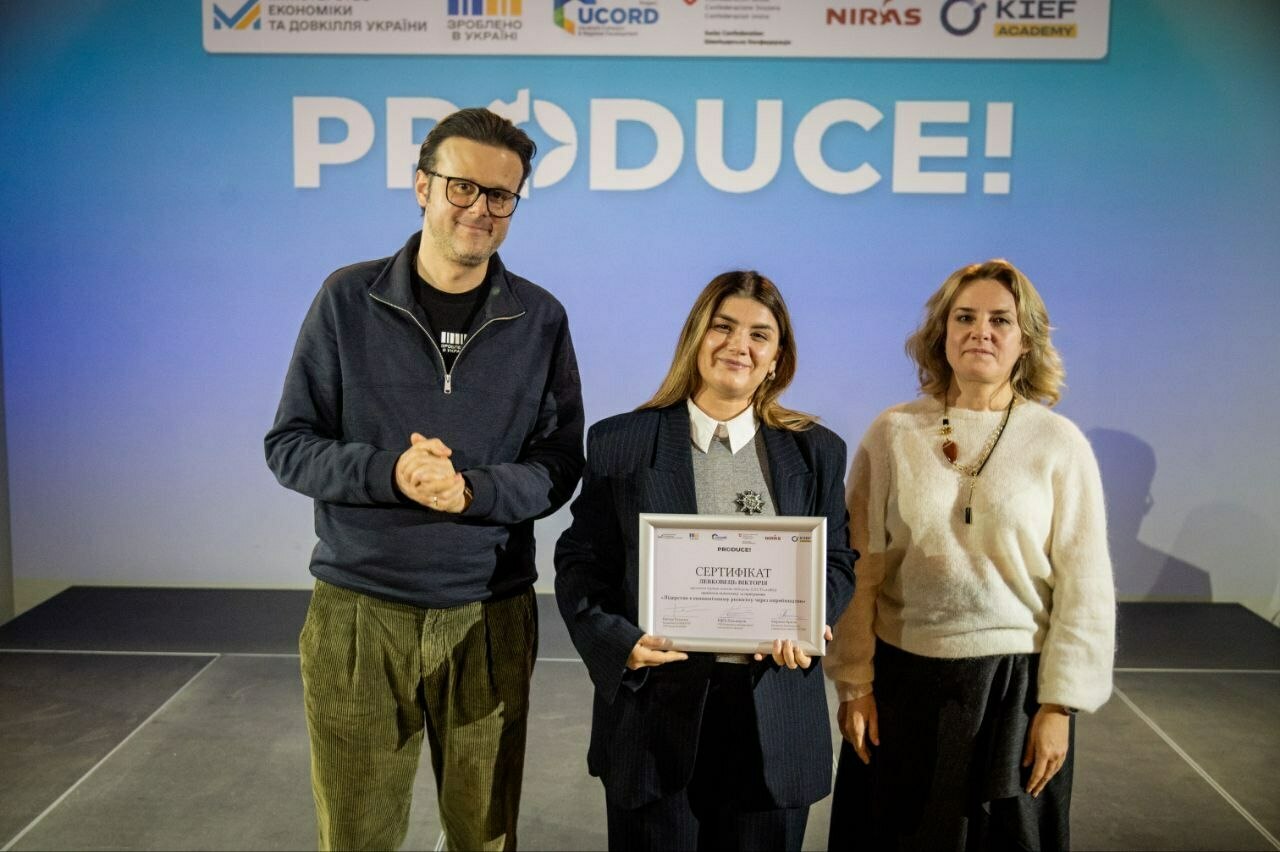
In Volyn region, there are proposals to develop the Science Park of Lutsk National Technical University as a practical link between academic knowledge and the needs of manufacturers. The initial problem identified by the team is that manufacturing companies rarely commission applied research, testing or technological audits. As a result, it is more difficult for businesses to modernise production, test new solutions, and bring their own products to market. At the same time, university research often does not reach companies and remains without practical application.
The Park’s model should not begin with the proposition “here is our scientific development – find a use for it”, but with a specific request from a manufacturer. A company approaches the Park with a technological problem or need, and the park helps guide the process from analysing the issue to a solution that can be tested and implemented. In the presentation, this process is described as follows: business enquiry – technological audit – prototype – pilot at the enterprise – contract or licence. At each stage, it must be clear who the client is and what outcome the manufacturing sector requires.
The Park plans to provide businesses with technical services that many companies find difficult to maintain in-house: technical audits, IT support, automation, cybersecurity solutions, preparation of project documentation, technical reports, testing, prototyping, and patent preparation. The Engineering Nexus campus’s laboratories and equipment, university specialists, engineers, and external partners may be involved in the work. This approach is designed to help manufacturers test their ideas before making large-scale investments, obtain technical justification for modernisation, or prepare a product for certification.
The team has identified three areas on which the Park should focus its work. The first is energy and smart grids: solutions for energy efficiency, distributed generation and the reliability of energy supply. The second is construction and new materials: demand for materials is growing alongside reconstruction efforts, and manufacturers need testing and validation of product specifications. The third is robotics, automation and AI: these tools can help businesses operate despite labour shortages and boost productivity.
The Park is designed to be a joint initiative involving the university, businesses, the authorities, and partner organisations. LNTU is to serve as its core and technical operator; the business sector as the client and participant in pilot projects; and regional and local authorities as coordinators and advocates for the necessary decisions. The presentation also envisages a partners’ council, which is to include representatives from businesses, communities, and the public authorities. This would enable the business sector to influence the Park’s areas of focus, rather than merely turning to it for ready-made services.
An important part of the plan is ensuring the Park’s long-term sustainability. Grants are intended to help launch the Park and the initial pilot projects, but its revenue base in the long term should consist of contracts with businesses, testing and research, as well as licences and royalties for the use of intellectual property. To achieve this, the rules have to be established in advance: who owns the research results, how researchers’ rights are protected, and how the Park generates income from the commercialisation of developments. Separately, the team plans to create a catalogue of services and prices and finalise the Park’s registration: the Ministry of Education and Science has already approved it, but its inclusion in the Register of Science Parks is still ongoing.
The regional team also believes it can help businesses attract external funding. It is difficult for companies without their own R&D departments to prepare the technical aspects of investment projects for European programmes: describing the novelty, the technology readiness level, testing methods, and the role of partners. The Science Park could provide this expertise and participate in joint projects under the EIC, Interreg Poland–Ukraine or Horizon Europe. These are potential channels for partnership and funding, rather than guaranteed sources of funding.
According to the team’s assessment, the Science Park alone is not sufficient to launch such a model – changes to government instruments are required. In particular, it is proposed to allow research and development services, technology audits and testing to be counted as eligible costs in grants for processing; to link science parks with industrial parks so that the former can provide technical services to their residents; and to channel enquiries from businesses through the “Made in Ukraine” offices to the science parks. A separate proposal is to promote the Science City draft law, which is intended to introduce incentives for scientific and innovative activities. Until it is passed, the Park plans to make use of the support programmes, grants, and partnerships already available.
The team proposes measuring the results of the first year after registration using specific indicators: over 20 enquiries from businesses, 8 technology audits, 3 prototypes, at least 2 pilot projects, and 2 paid contracts for research and testing. At the regional level, targets have also been set for 2027 to attract six client companies, prepare three investment projects under the “Made in Ukraine” initiative, and implement at least one joint project with EU funding. These indicators will show whether the Science Park has become a working mechanism for modernising production – with real clients, trials, and implemented solutions.
Odesa region: Restoration of the salt industry and environmental remediation of the Kuialnyk Estuary
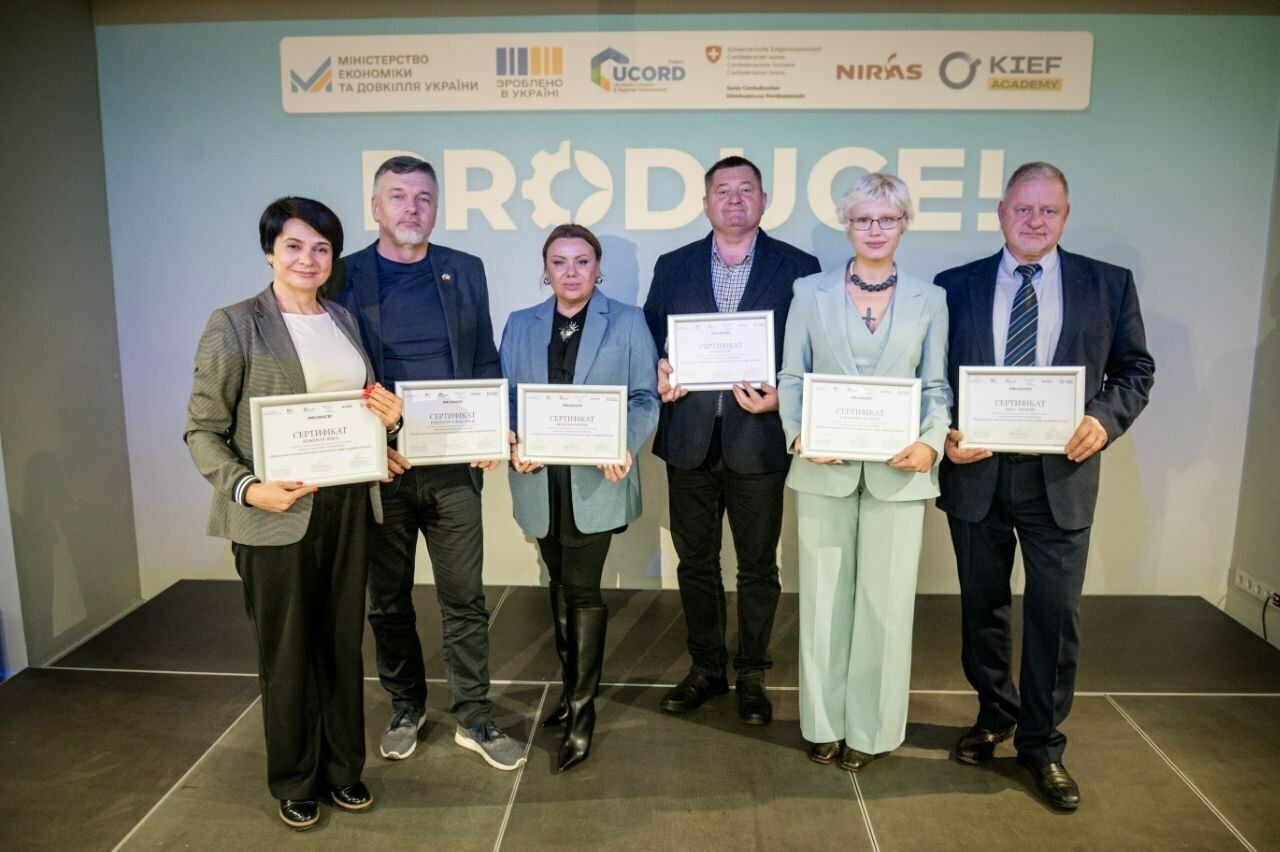
Odesa region project emerged from the combination of two problems that the team proposes to tackle together. The first is the degradation of the Kuialnyk Estuary. According to the team’s estimates, over 1.5 million tonnes of excess salt have accumulated in the estuary, and its northern part is turning into a salt desert. The team also highlights the risk posed by salt dust to neighbouring agricultural land and the loss of therapeutic mud deposits. Another problem is the lack of domestic salt production after the closure of “Artemsil” and Ukraine’s dependence on imports.
The team from Odesa has come up with a solution: to establish an industrial cycle at Kuialnyk, which would begin with the controlled extraction of surplus salt and culminate in the production of marketable goods. This involves food-grade, technical and road salt, tableted salt, as well as a magnesium-containing product – bischofite. In other words, the plan goes beyond the extraction of a single raw material: it is an attempt to revive the salt industry, supply the domestic market and lay the foundations for exports and related industries.
According to the description, the process flow diagram is to use hypersaline brine from Kuialnyk. The plan is to channel it into evaporation ponds, where sodium chloride will crystallise under the sun, and then purify and process it at the plant. The proposal is to make maximum use of the raw material: the mother liquor remaining after salt crystallisation is to be processed into bischofite, rather than being discharged back into the estuary. This model is known as Zero Waste, although its technological and environmental effectiveness still needs to be confirmed by research and a pilot project.
The pilot project is proposed to begin with a cascade of evaporation ponds covering an area of 25 hectares. This is not intended to be full-scale production straight away, but rather an experimental site where it will be possible to test how the salt crystallises, what the quality of the final product will be, and how the system will affect the hydrology and the ecosystem. The project involves continuous monitoring by an accredited laboratory in cooperation with scientists from the National Nature Park. Based on the results of the pilot project, the team plans to improve the hydrodynamic model and technological solutions.
Only then will it be proposed to move on to scaling up: establishing production infrastructure and a salt processing plant in the industrial park in Usatove community, outside the boundaries of the third resort zone. In its final configuration, the project envisages expanding the area of the basins to 600–1,200 hectares and achieving a production capacity of 300,000–500,000 tonnes per year. These are the target parameters of the concept, not the current production capabilities. Achieving these will require a feasibility study, design work, regulatory approvals, investment and confirmation of environmental acceptability.
The team explains the economic rationale by referring to the needs of the domestic market. Representatives of Odesa region have estimated annual demand in Ukraine at 150,000 tonnes of table salt and 250,000 tonnes of industrial salt. Imports amount to over 415,000 tonnes. According to calculations, future production could replace a significant portion of these imports and, in time, supply products to countries in Central and Eastern Europe. Access to foreign markets, however, will depend on product quality, production costs, certification and compliance with EU market requirements.
A further argument in its favour is the logistics infrastructure of Odesa region: international motorways, railway junctions, and seaports potentially enable products to be delivered to Ukrainian consumers and for export. To reduce energy dependence, the project will use a hybrid renewable energy system: solar power in summer and wind power in winter. The team also highlights the potential to create around 150 direct jobs and over 300 related jobs, and estimates the investment at approximately USD 30 million. These are preliminary calculations. The project is currently at the stage of preparing a feasibility study.
To move from concept to implementation, the team proposes involving several groups of partners. The business sector should invest in, build and manage production; communities and regional authorities should participate in coordination, land management and infrastructure development; and central government bodies should facilitate the necessary decisions and permits. Scientific institutions are needed to study hydrology and environmental impact, whereas international partners are required for technological expertise and potential funding.
The environmental dimension is what determines whether the project can become a comprehensive solution, rather than merely an industrial investment in an area of conservation importance. Kuialnyk has the status of a national nature park and resort, so the stated aim of “restoring the ecosystem through salt extraction” needs to be scientifically substantiated. This requires baseline data on the state of the estuary, an environmental impact assessment, modelling of changes to the water-salt regime, monitoring of the pilot site, and transparent discussions with scientists, the environmental community and communities.
Therefore, the most important outcome of the first stage is not the claimed future capacity of hundreds of thousands of tonnes, but a verified answer to two questions: is it possible to extract salt without damaging the estuary, and does the technology yield an economically viable product? If the pilot project confirms both conditions, Kuialnyk could become the foundation for the revival of Ukrainian salt production, the creation of new jobs and broader industrial development in Odesa region.
Sumy region: Preparing energy equipment for restoration in advance
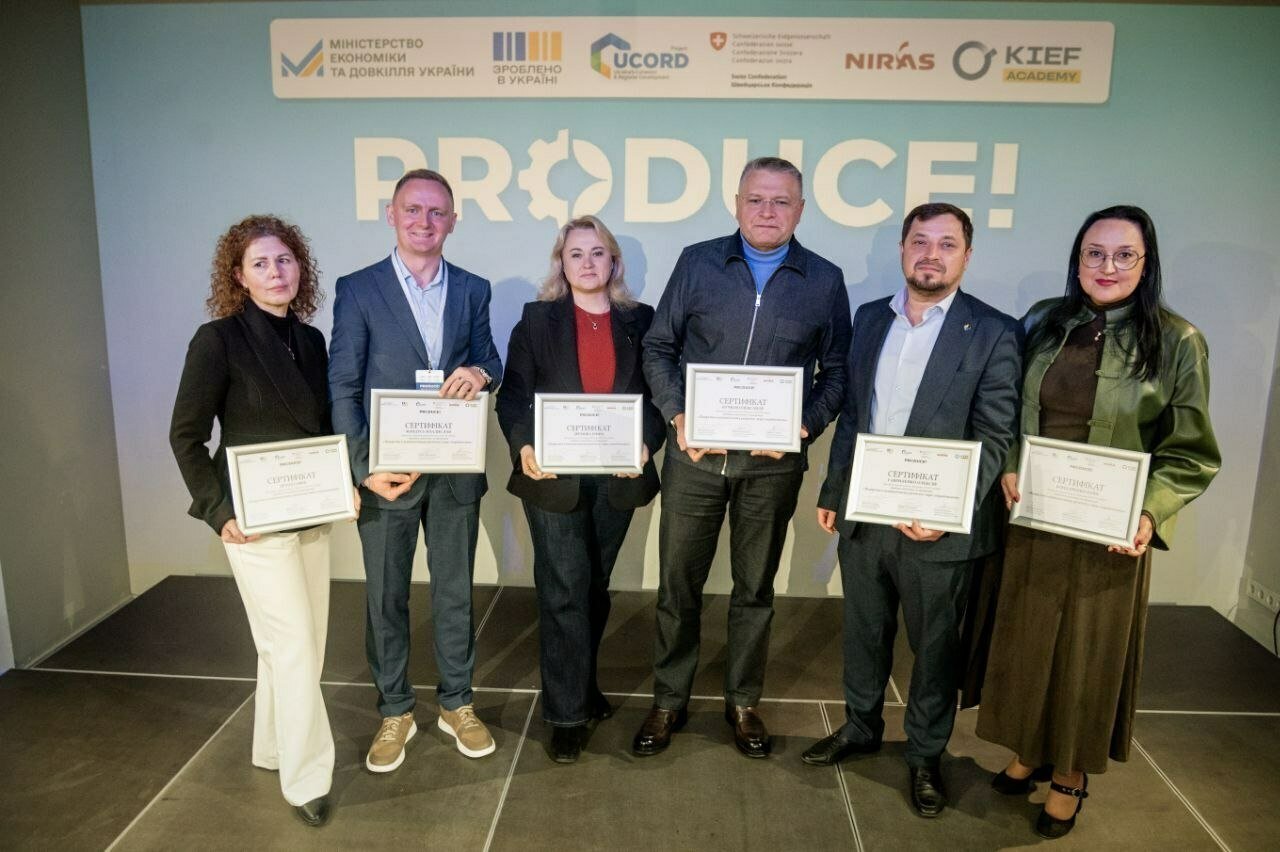
After damage to a large energy facility, its restoration is often not just a question of the cost of the equipment. It is necessary to identify exactly what has broken down, locate the drawings and technical documentation, source the materials and manufacturer, manufacture or repair the part, test it, deliver it, install it, and commission the system. For a specialised pump, compressor, motor, heat exchanger or transformer, this process can take months.
For the energy sector, such a delay can have a knock-on effect. If a combined heat and power plant shuts down in winter, the problems can spread to heating networks, water supply and sewage systems, and the operation of hospitals, businesses and other critical services. Sumy region therefore proposes preparing in advance not only a stock of equipment, but a complete recovery plan for each critical component – from the moment of damage to the facility’s return to operation.
Such a plan should comprise five elements: what is needed for recovery; what is already in stock; who is capable of manufacturing or repairing the necessary items; where this will be done; and how long it will take to resume operations. To this end, before an incident occurs, a list of critical components is compiled, the availability of materials and blanks is checked, technical documentation is prepared, manufacturers and alternative supply channels are identified, and the sequence of manufacture, delivery, installation and commissioning is agreed.
In this model, a reserve does not mean a warehouse full of ready-made units. Some equipment or components can indeed be kept on standby. However, for large and specialised equipment, the reserve may also consist of critical assemblies and materials, digital drawings and 3D models, process charts, production capacity, reserved enterprise resources, and specialists capable of fulfilling orders quickly. This approach ensures that the first few weeks after damage do not have to be spent searching for documentation, contractors, and the method for manufacturing the necessary part.
Launching the system requires constant interaction between several stakeholders. Energy companies have to identify which equipment is critical and what is needed to restore it. Manufacturers have to confirm exactly what they can produce or repair, using what equipment and within what timeframe. Scientists and engineers can provide calculations, materials science expertise, reverse engineering and testing. Regions, clusters, and associations have to bring these capabilities together into a network, whereas government bodies have to ensure coordination, clear rules, and support mechanisms for Ukrainian manufacturing.
A separate matter is who will pay for the readiness to resume operations before an accident occurs. If a company is required to keep materials, documentation, and production capacity on standby, these costs have to be made transparent and a mechanism for their funding has to be established. The team proposes exploring, in particular, a model whereby international partners support the manufacture of the necessary equipment in Ukraine, subject to confirmed demand and with monitoring of implementation. In that case, the funding would help both to prepare for repairs and to provide Ukrainian enterprises with long-term orders.
The team proposes conducting a pilot project at a single site – for example, the Sumy Thermal Power Station – and drawing up recovery plans for 20–30 units of critical equipment. The estimated cost of such a pilot is EUR 2–3 million, with a duration of 6–12 months. Once tested at a single site, it will be possible to assess what has been successfully secured, how the production chains operate, and how much time is actually required to return the equipment to operation. The aim is to create and test a model that can later be rolled out to other energy facilities.
The key indicator here is not the number of parts purchased, nor the mere fact of establishing a stock, but the actual time during which the facility is out of operation after damage. Only a reduction in this time will demonstrate whether the system has become a practical tool for energy resilience. At the same time, for Ukrainian industry, this would mean predictable orders for equipment repairs and manufacture, the development of engineering expertise, and reduced reliance on urgently sourcing suppliers from abroad.
Ternopil region: Creating a cluster for battery recycling and the production of energy storage systems
The “Ternopil Gigafactory” project proposes to prepare the region for two interlinked changes: an increase in the number of end-of-life batteries and a rise in demand for energy storage equipment and electric transport. According to the team’s estimates, there are already around 300,000 electric vehicles in Ukraine with a total battery capacity of approximately 13.5 GWh, and energy storage systems are also developing rapidly. The service life of batteries is approximately 10–15 years, so the largest wave of end-of-life batteries is expected in 2031–2032. At the same time, end-of-life batteries already come from damaged electric vehicles, whereas solar panels need replacing due to wear and tear.
The cluster’s vision is to combine the collection, testing, reuse, and recycling of batteries with the manufacture of equipment for the energy sector and electric mobility.
The team proposes starting not with the construction of a large plant, but with the infrastructure for collecting and preparing raw materials. Used batteries need to be safely collected and stored, dismantled, tested, and sorted. This is important for both technical and economic reasons: even the smallest industrial recycling plant requires a steady flow of raw materials, which may not currently be available. The team plans to develop the network in partnership with companies already involved in waste collection and sorting, as well as to engage partners with experience in this field.
After testing, the batteries will be sorted according to their condition. Cells that are no longer suitable for electric vehicles but still have sufficient capacity can be reused – for example, in stationary energy storage systems. Those unsuitable for such use will be sent for primary mechanical recycling. This will result, in particular, in what is known as black mass – a mixture of materials from the batteries that can be sent for further extraction of valuable components or used as raw materials in the next stage of production. Metals, particularly aluminium and copper, and plastics can also be returned to the production cycle.
A separate area of focus is the recycling of solar panels. Once dismantled, glass, aluminium, and other materials can be separated from them for reuse. The team also pays attention to panels damaged by shelling and to the future replacement of modules at large solar power stations. This means the cluster will work not only with electric vehicle batteries but also with waste generated by the development of renewable energy.
In the long-term model, recycling is set to form the basis for the production of battery packs and certain components: battery management systems (BMS), inverters, industrial and domestic energy storage systems (BESS), charging stations and equipment for electric transport. The team does not propose establishing a complete chemical production cycle for battery cells straight away – this is complex and costly. The focus is on the potential assembly of cells using raw materials and components from partners, as well as the gradual development of in-house manufacturing capabilities. Therefore, the “closed-loop” in this concept refers to the cluster’s direction of development, rather than a ready-made, self-sufficient system.
The indicative investment estimate for the first battery recycling line is around USD 20 million. This does not represent the cost of the entire cluster: cell production would require significantly greater investment. During the discussion, the team also confirmed that the project is still at the conceptual stage: there is interest from local businesses and initial contacts have been made with potential partners, but no funding has been secured and the investment model still needs to be finalised. The first phase is planned to be developed separately – by establishing a network for the collection, testing and storage of batteries – with the transition to industrial processing to take place once a sufficient raw material base has been established.
The future cluster will require cooperation between investors and manufacturers, universities and vocational education institutions, communities and public authorities. Educational partners can train specialists, develop laboratories and conduct applied research; the industrial park can provide the site and infrastructure; and the management company can coordinate partners and support investors. The development of charging stations and energy storage systems is expected to create local demand for the equipment that the cluster plans to manufacture.
The team identifies the launch of an extended producer responsibility scheme as a key requirement, so that the collection and proper management of batteries have a clear organisational and financial framework. The team also proposes reviewing existing incentives for manufacturers of batteries, charging infrastructure and electric vehicles, and extending them to small electric vehicles. Grant programmes, government loans, support for industrial parks, and international funding could help develop the project, but specific sources of funding and partnerships have yet to be confirmed.
If this sequence of steps can be successfully implemented, Ternopil region will be able to develop several stages of this new industrial specialisation – from the collection and preparation of batteries to the recycling of materials, the reuse of cells and the production of energy equipment. However, the first test of the project’s viability lies not in the stated scale of the future factory, but in the ability to organise a stable supply of raw materials, ensure their safe storage and find buyers for the processed products.
Khmelnytskyi region: Light industry cluster aims to bring manufacturers together for brand development and export expansion
Khmelnytskyi region already has a significant base of light industry enterprises, its own brands, and experience of working in different market segments. The problem that the team has identified is that manufacturers often operate independently of one another. Due to a lack of coordination, their ability to jointly process large orders, quickly allocate work, and guarantee customers the required deadlines and quality is limited. According to the team’s assessment, some Ukrainian brands outsource production abroad – to Turkey, China and other countries. This means that orders, jobs and added value, which could remain in Ukraine, are transferred to other production sites.
The team assessed the scale of this potential using data from YC.Market. As of 28 October 2026, there were 1,406 companies and sole traders in Khmelnytskyi region whose primary manufacturing activities were in textiles, clothing, leather, and footwear. Retail was not included in the count. According to the data provided, there are 14 such manufacturers per thousand businesses in the region, compared with six across Ukraine. The team also compiled a working list of over 88 brands and trade names. This indicates an established specialisation, but the figures themselves do not yet result in joint orders or coordinated production.
To achieve this, the team proposes a light industry cluster with a joint development operator. This should be an organisation that helps businesses to cooperate and fulfil orders jointly. The operator will secure contract orders, clarify technical requirements, select manufacturers based on their expertise and available capacity, coordinate production, and monitor deadlines and quality. This model allows several enterprises to pool their capabilities when a single order requires different production capacities.
The operator’s second area of focus is an accelerator for businesses and brands. It is designed to help owners and specialists implement lean manufacturing, work to common standards, develop products, strengthen brands, and prepare for funding and export. The third function is a “project factory”: at the request of businesses, the operator will develop concepts and business models, prepare project documentation, seek out investors and partners, and support the launch of new production facilities and joint services.
The digital platform is set to become a practical tool for this cooperation, ranging from a map of capabilities to the managed execution of orders. The register will collect information on companies’ specialisations, their equipment and expertise. Technical specifications will record operations and quality requirements. Calculations will help determine costs and timelines, whereas data on companies’ capacity can reveal where spare capacity is available. The system will then be able to help allocate orders, draw up a schedule, and monitor progress. Analytics will enable the assessment of timelines, quality, and the results of the joint work. AI can assist with calculations and the selection of contractors, but the decisions and responsibility will remain with the operator and the enterprises.
A vivid example of established market potential is the Ukrainian wedding industry. This is a premium segment characterised by original design, complex construction, and the manufacture of products with high added value. According to White Wedding Platform, 32 Ukrainian brands were showcased at the Turin exhibition in 2025, and the event was attended by over 1,300 buyers. Representatives from Khmelnytskyi region presented the case of the Pollardi brand, whose products are exported to over 80 countries. These examples show that Ukrainian brands are already capable of attracting the attention of international buyers. The cluster’s objective is to help manufacturers systematically meet this demand, pool production capabilities, and fulfil orders in Ukraine.
To develop the ecosystem, the team relies on cooperation between businesses, educational institutions, local and regional authorities, and the Khmelnytskyi Regional Development Agency. The foundation for the cluster’s development could be provided by Khmelnytskyi National University and vocational education institutions, CLOTEX-HUB for digitalisation, training and technology testing, as well as the “Khmelnytskyi” Industrial Park as a potential site for manufacturing and shared services. Such interaction should help not only to coordinate orders but also to address issues of staff shortages, access to equipment and the training of workers specifically for production.
Cooperation, however, does not remove the problem of unequal competitive conditions. The team also proposes changes to government policy necessary for fair competition in the sector: bringing the light manufacturing sector out of the shadows, combating illegal imports, the under-declaration of customs values and the abuse of preferential import channels. Other proposals include reviewing customs tariff conditions for finished goods and raw materials, and reimbursing manufacturers up to 80% of the cost of participating in specialised international trade fairs. This should help legitimate Ukrainian businesses compete for orders and customers.
The team views the pilot project in Khmelnytskyi region as a basis for further scaling up: manufacturers and clusters from other regions could eventually join the digital platform and the joint operator. The most important test of the concept will be the operator’s ability to secure the first orders, organise production cooperation to fulfil them, and ensure delivery in line with agreed deadlines and standards. In this way, scattered enterprises can gradually transform into a shared production ecosystem capable of developing their own brands, retaining orders in Ukraine, and entering export markets.
From the training programme to working on projects
In the context of the projects presented, changes to government programmes that support manufacturing are also important. MP Dmytro Kysilevskyi announced updates to the ‘Made in Ukraine’ grants: for a processing grant, the requirement to create at least five jobs can be met alternatively by ensuring that the average salary at the enterprise is higher than the regional average. A grant for restoration, up to UAH 16 million, may also be allocated to energy-related equipment; if the premises are damaged, the enterprise pays for their repair from its own funds, whereas the grant funds may be used to replace equipment. These instruments may be useful for specific production components of projects; however, they do not in themselves guarantee automatic funding nor do they resolve all the issues that the teams have raised.
Summing up the dialogue session, Viktor Halasiuk called on the teams to finalise their project proposals and prepare them for submission to the repository:
‘The first step after the presentation is to reflect on the feedback from the expert panel and finalise the draft for the shared database of project proposals. But even more importantly, we need to maintain the momentum of teamwork. Whether the team has enough motivation to move from the presentation to the implementation of the project depends entirely on the team itself.’
Maryna Bryl stated that UCORD plans to involve the KIEF Academy in collecting the revised proposals. The project team will then assess which of these proposals align with the objectives of the Project’s second phase and can be submitted to partners and economic programmes. UCORD will also work to ensure that regional teams maintain contact and continue to share their experiences.
‘Each presentation contained proposals related to national legislation and public policy. We will work to pass these on to the relevant partners. But your proactivity is also very important: much can be achieved without our direct involvement. It would be valuable for cooperation to continue not only within teams, but also between regions.’
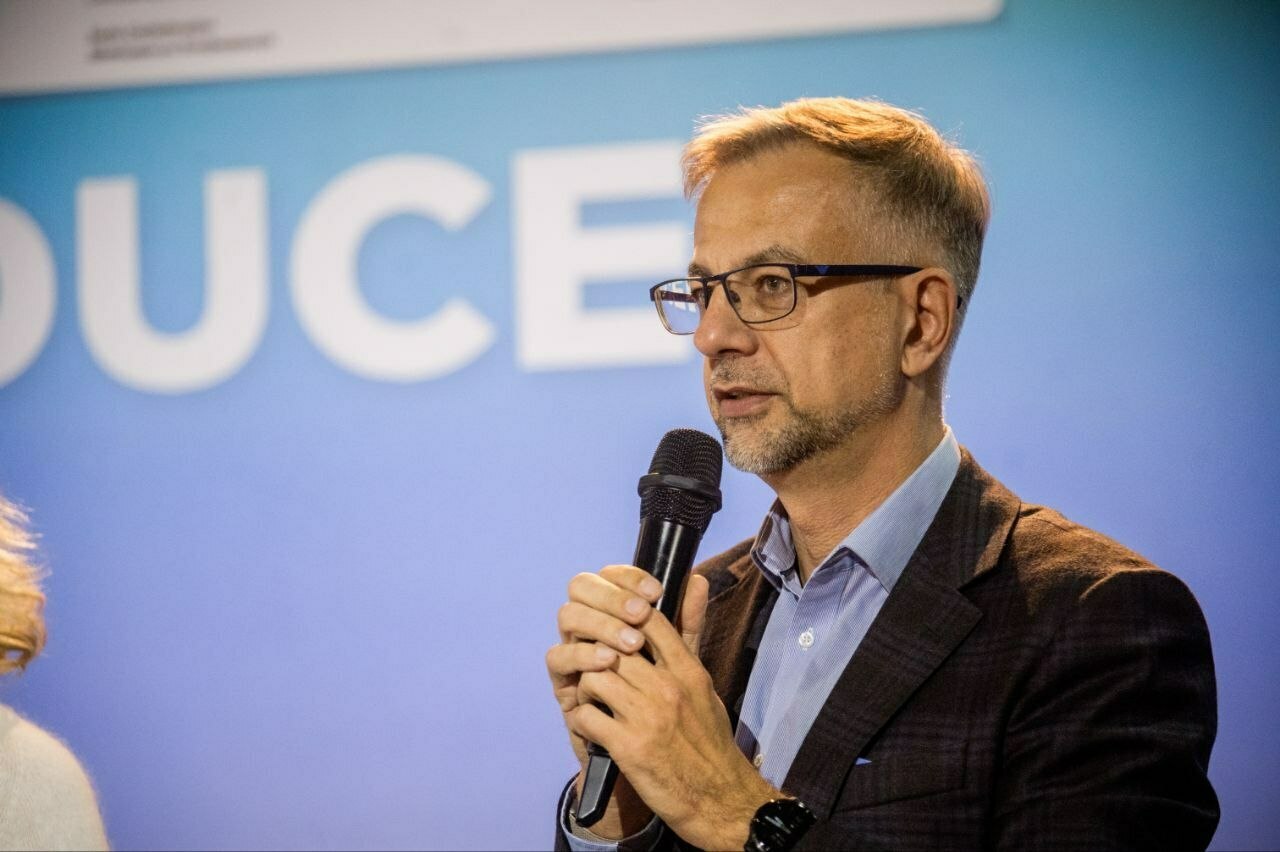
Yurii Pyvovarov, CEO of the Kyiv International Economic Forum, urged participants to network and visit one another.
‘Regional teams should not limit their projects to their own regions. When they visit one another, get to know producers, and share solutions that already work, they find partners more quickly and take a shorter route to implementation. In this way, horizontal links between regions become part of the economic development of the whole country.’
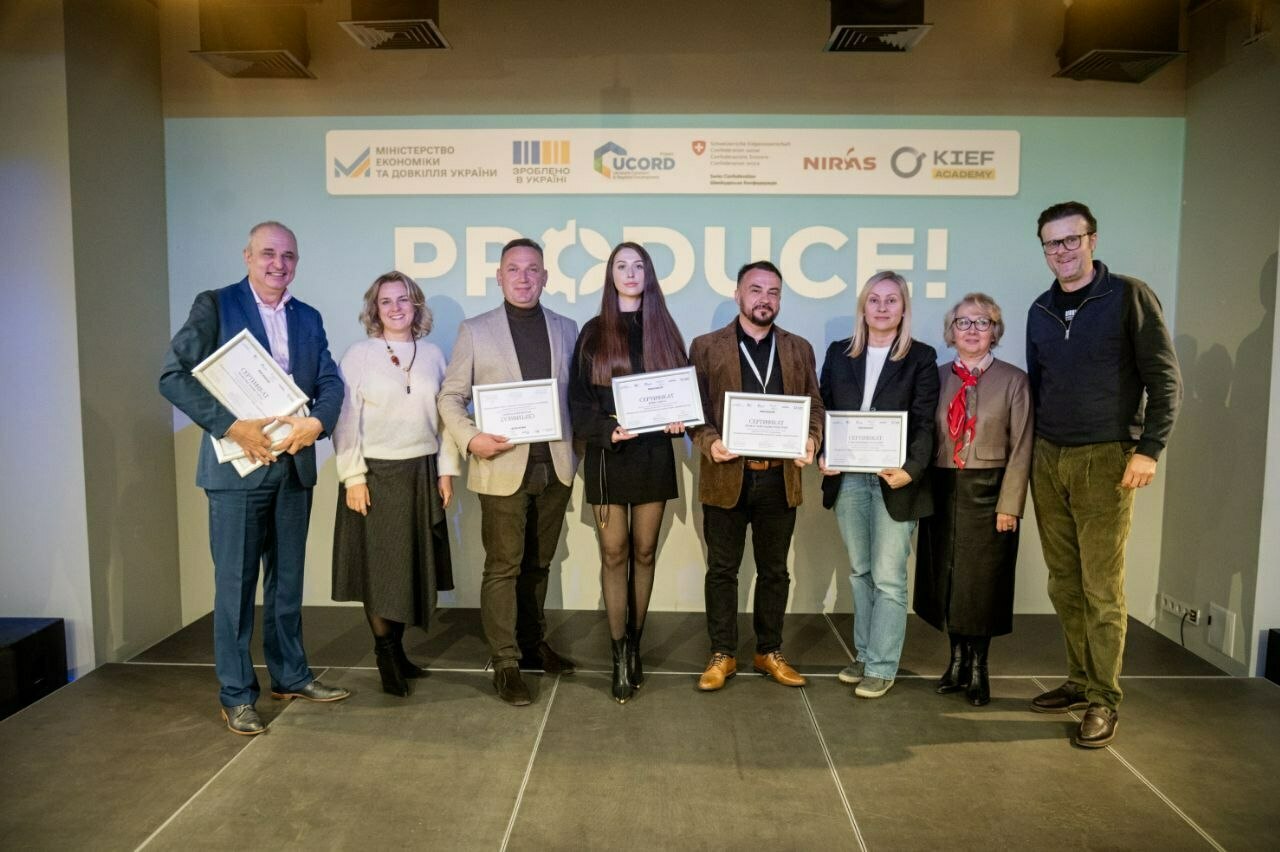
To conclude the event, the participants in Produce! initiative were awarded certificates. However, the main outcome of this work will now be determined not by the completion of the training, but by the projects’ progress: whether the teams can confirm their economic viability, consolidate partnerships, complete the necessary procedures, and move on to implementation. Only then will regional development become a key component of Ukraine’s economic resilience.
Tags:
regional development regional development agency ucord
Source:
Портал "Децентралізація"
02 November 2026
Planning the development of the network of academic lyceums
Planning the development of the network of...
In July 2021, the Verkhovna Rada of Ukraine amended the Law of Ukraine “On Comprehensive General Secondary Education”...
02 November 2026
Ресурси для відновлення та розвитку: нові можливості для громад і бізнесу у листопаді
Ресурси для відновлення та розвитку: нові...
Сьогодні українські громади щодня проходять випробування на стійкість. Російські атаки, перебої з...
02 November 2026
Реформування комунальних підприємств: для громад підготували практичний посібник
Реформування комунальних підприємств: для...
Реформування комунальних підприємств: для громад підготували практичний посібник Аналітичний центр EU-LEAP спільно...
02 November 2026
How and why to develop cooperation between...
Myroslav Kosheliuk, Consultant of the Council of Europe Lviv hosted the III International Forum of...