‘Chasiv Yar is like a mark on the heart…’ Interview with Head of Military Administration
Serhii Chaus, Head of the Chasiv Yar Military Administration, on participating in the eVidnovlennya programme, offices hundreds of kilometres from the community “centre”, and the importance of a small motherland for every individual
By Dmytro Syniak
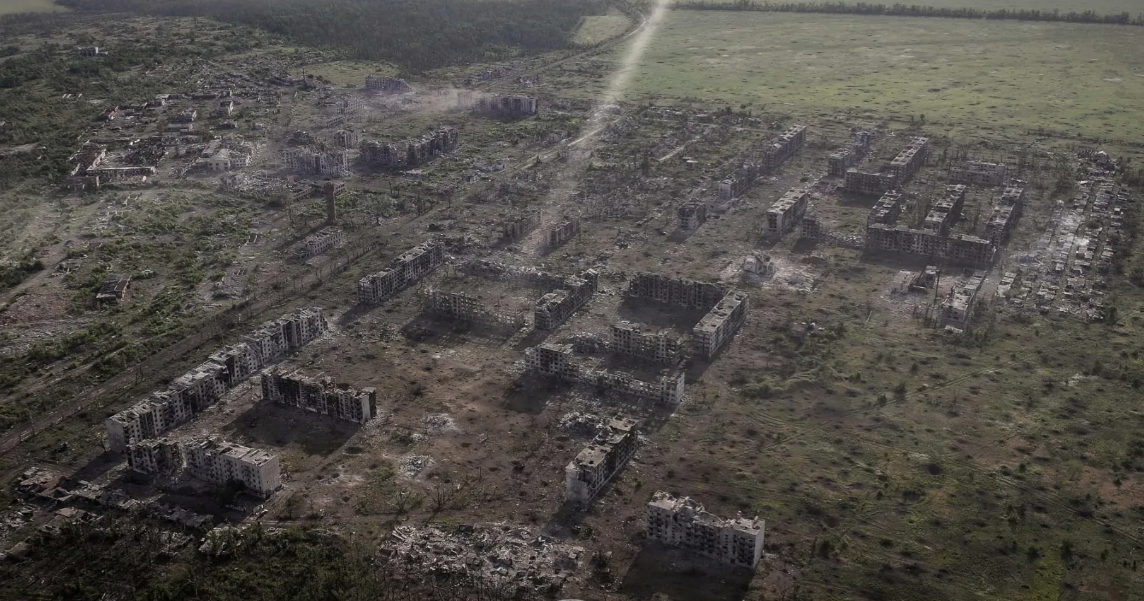
Before the full-scale war, few people in Ukraine had heard of Chasiv Yar – a small city in Donetsk region with about 12,000 residents. But with the front line moving northwards, military experts began to say more and more often, ‘Chasiv Yar is a strategically important city. We have to do everything possible to ensure it does not fall into enemy hands.’ The fact is that Chasiv Yar is situated at the highest point in the area, as if towering over Kostiantynivka, Druzhkivka, and Kramatorsk. This makes it easier to launch attacks and shell the surrounding areas. That is why the Ukrainian command paid special attention to the defence of Chasiv Yar; in almost four and a half years, the occupiers have still not managed to capture it: the western and southern districts of the city are still under Ukrainian control. However, fierce fighting has reduced Chasiv Yar to a complete ruin.
Currently, military administration, headed by Serhii Chaus, is in charge of Chasiv Yar community. From 2017 to 2022, when the military administration was set up, Serhii Chaus served as secretary of the Chasiv Yar City Council, having served two terms in that position.
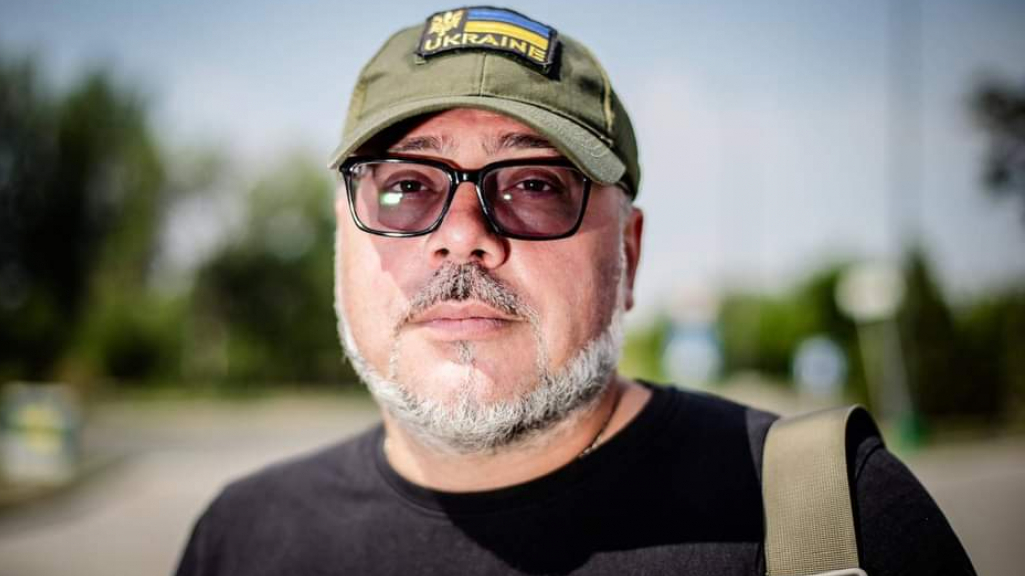
Serhii Chaus, Head of the Chasiv Yar Military Administration
‘As long as people identify themselves as residents of Chasiv Yar, the city lives on …’
Mr Chaus, since 2023, the attention of the whole country has been focused on the defence of Chasiv Yar. Fierce fighting has been going on there for over two years. And then, suddenly, in January 2026, news about the birth of a child in Chasiv Yar appeared online. How was this possible?
This news report is a misunderstanding. It was about a woman from Chasiv Yar who now lives in Kramatorsk. She already had two children, and in January she gave birth to her third child. In Chasiv Yar, it is currently impossible not only to give birth, but to live there at all. It is a land of death. But by destroying the city, the russians have not wiped it out of our souls. They simply cannot do that. Hence the confusion in the news report. When the journalist asked the woman where she was from, she did not say, ‘I’m from Kramatorsk.’ She replied, ‘I’m from Chasiv Yar.’ Do you see? Chasiv Yar, our little homeland, is like a mark on our hearts. Something that distinguishes us, its residents, from everyone else. And as long as people identify themselves as residents of Chasiv Yar, the city lives on. And luckily, there are many such people.
How extensive is the destruction in the city?
Thanks to our defenders, the enemy has been unable to capture Chasiv Yar for three years now. I should mention that the first russian missiles struck Chasiv Yar on the very first day of the full-scale invasion. This means the invaders began destroying the city back then. Now, Chasiv Yar increasingly resembles not a city, but simply a mountain of rubble. Despite this, our defenders still remain in some neighbourhoods. And most of the city’s territory is a grey zone which the enemy does not control, but where they are trying to build up their forces in order to launch attacks later.
But what about the people? Are there any civilians left in these ruins?
During our most recent trips to the city – last year – we counted nearly a hundred local residents who flatly refused to evacuate. Mostly these were elderly people who refused to leave their homes. I think that if they were unable to get out of Chasiv Yar on their own, they are no longer alive. Such is the bitter truth of war, which everyone on the front line has to accept. There is no place for local residents there, and evacuation measures are never in vain. They are organised as a last resort. And we try to keep in touch with those who have left, wherever they may be.
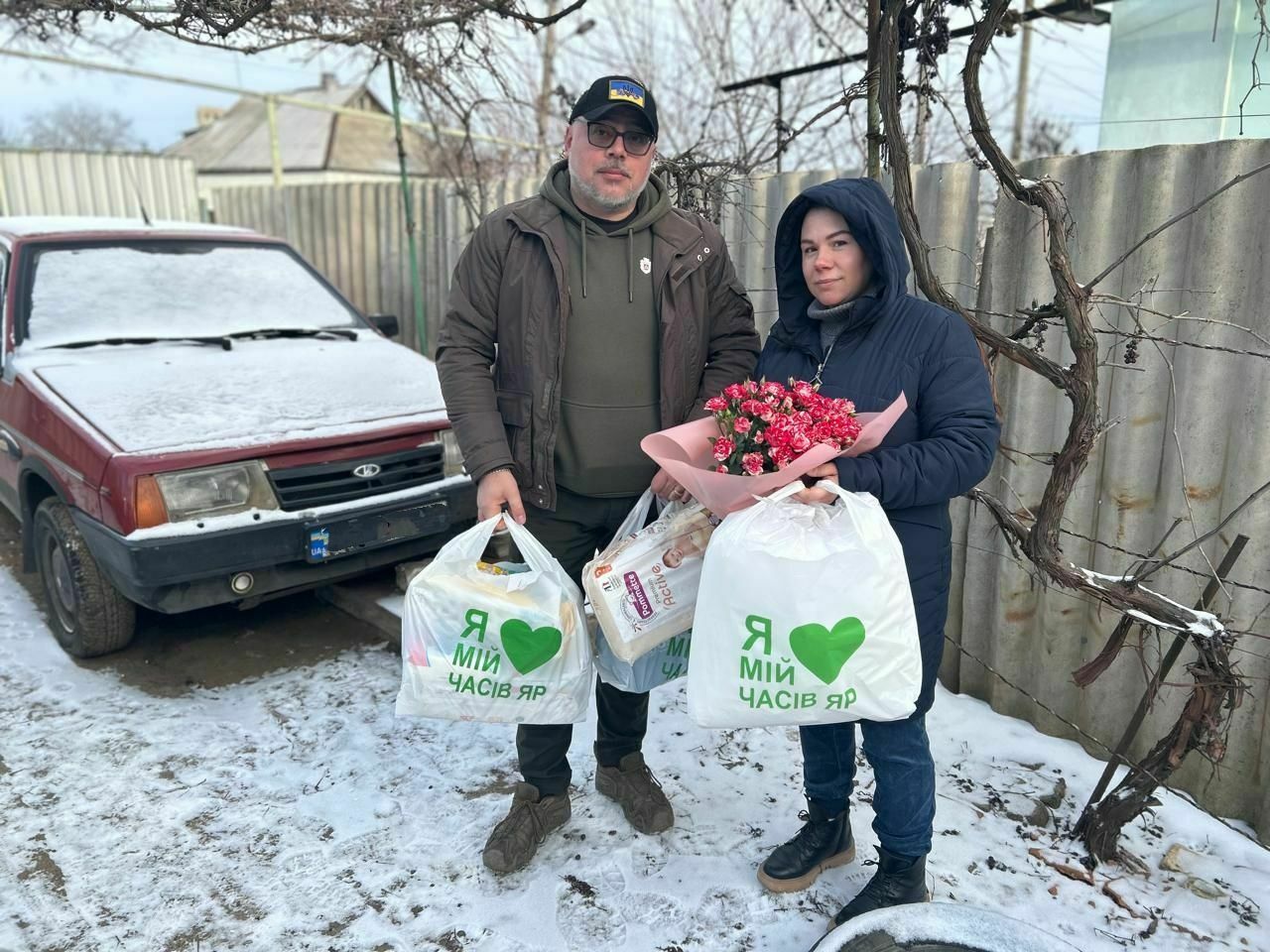
In January 2026, a resident of Chasiv Yar gave birth to a baby in Kramatorsk. She told journalists that she was “from Chasiv Yar”. Serhii Chaus with gifts for the woman and her new-born baby
Ruins of Chasiv Yar
A subtle line between official duty and unjustified risk
I know that you travelled to Chasiv Yar right up until the very end and, even in 2023, whilst under shelling, managed to organise the drilling of an artesian well there. Where is that line, when nothing should be rebuilt and people should simply leave – the sooner, the better?
Indeed, I will never forget that well. The volunteers from Kharkiv region who agreed to do the drilling were unaware that Chasiv Yar was under virtually constant shelling. By the time they realised this, it was already too late: they had done half the job and had to see it through to the end. I am still in touch with those young men, and we recall that trip with a laugh. Back then, something happened. Whilst we were drilling, it turned out we were short of about 1.5 metres of 200-millimetre-diameter pipe. I suddenly remembered the remains of a russian “Uragan” missile I had seen recently. When I brought the pipe, I did not tell the team where I had taken it from, so as not to alarm them without good reason. I told them later. They were, of course, in shock. But such was our life back then – there was still a lot of russian munitions left over… By the way, this well remained the only source of drinking water in the city for quite a long time. Right up until the very end, we did everything we could to get fuel to it or replace the generator. “Right up until the very end” means until last summer.
How do you, for yourself and your team, define the line between where official duties – such as evacuating or providing assistance – end, and where an unjustified risk to the life of a social worker or volunteer begins?
Social workers stopped working in Chasiv Yar a long time ago because it was far too risky. I honestly have no idea what to tell you about that line. Everyone defines it for themselves. Every driver who does or does not deliver humanitarian aid to the city, every employee of the military administration. We cannot force anyone, after all. However, I should say that the people we work with usually put the city’s interests above their own. Even when their own lives were at risk. Thanks to this, right up until the very end, we transported everything we possibly could to Chasiv Yar – from water and bread to generators.
When you meet with full halls of evacuated residents from Chasiv Yar, what is the first question they ask? What do they need most from their home community?
There is no single answer to that. Some people need financial support, others need legal advice, whilst others simply want to be amongst their own community, want to be heard, and want to feel valued. Hence, yes, in Kyiv, Kremenchuk, Poltava, Kharkiv, Cherkasy, and Kamianske, we have hubs where we really do have full attendance. When you look into people’s eyes, you simply cannot refuse to help, even knowing that perhaps some of them voted against you in the election. But that no longer matters. Apart from basic humanitarian aid, there are so many other ways to help. These include the smooth running of the Administrative Services Centre and our Pension Fund branch, free legal advice, and many more. It really is, as they say, a whole range of opportunities for engagement. Perhaps the main issue is housing certificates.
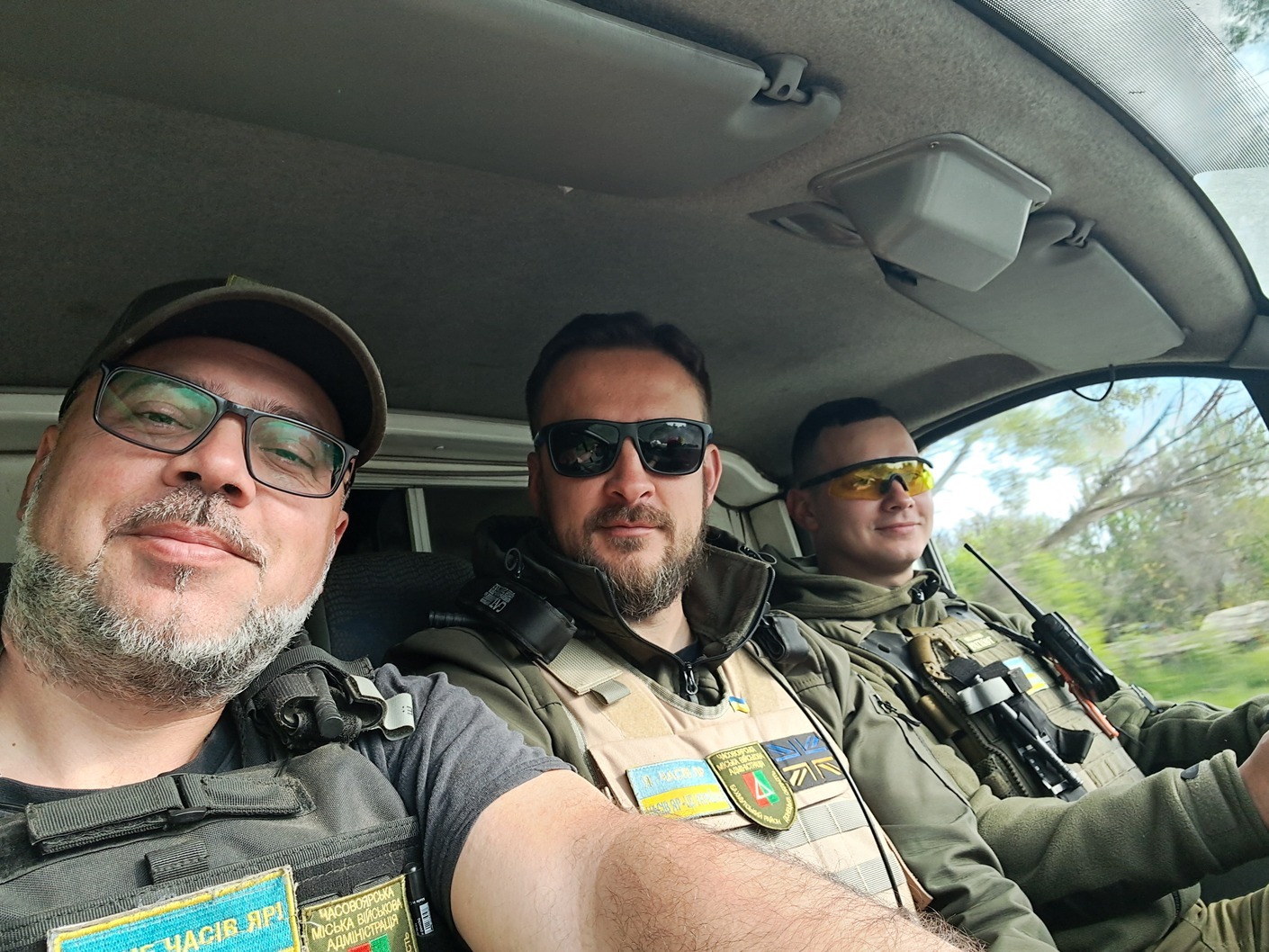
During one of his trips to Chasiv Yar
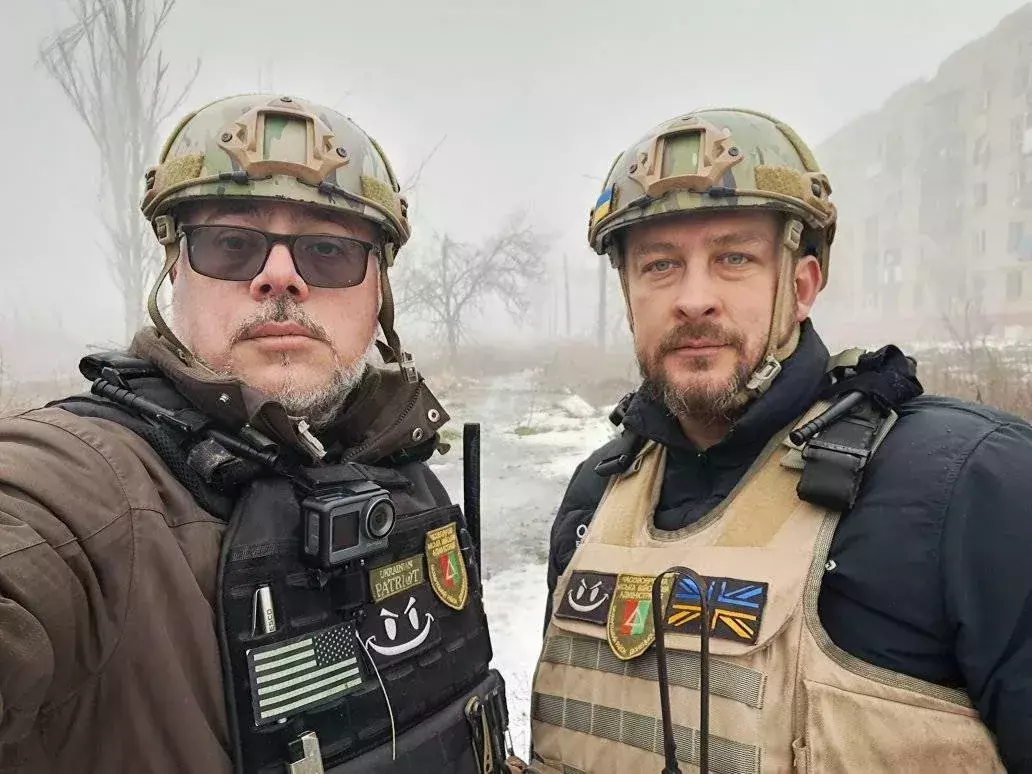
Serhii Chaus (left), Head of Chasiv Yar, and his deputy, Ruslan Pryimenko. Photo from Serhii Chaus’s social media pages
On the small motherland and housing certificates
The Chasiv Yar Military Administration has achieved a phenomenal result: more than a thousand families have already received housing certificates. How does your team manage to verify the destruction of buildings remotely when there is no physical access to them, only satellite imagery?
Let me correct you a little: two thousand of our families have already received the certificates. We managed to achieve this result primarily because we took a lot of photos when we were able to get into the city. I used both a body camera and mobile phones. In fact, having been to Chasiv Yar in person allowed us to easily geotag the photos to the location. And the photos, by the way, turned out to be of high quality – such photos are difficult to take from a drone. Of course, our entire photo archive is restricted; we do not make it publicly available, but we actively use it for issuing certificates. Moreover, right from the start we actively monitored social media for photos posted by the military. And finally, we started working with the State Space Agency. All of this together produced this result. Certificates, by the way, are one of the main areas of our work; we hold at least two meetings a week on this matter.
Please explain if you feel any internal discomfort when you issue the documents required to obtain these certificates? It is, after all, obvious that the people who receive them will buy a home somewhere else – not in Chasiv Yar, and not even in Donetsk region.
Let me repeat: one can change their place of residence or registration, but their homeland cannot be changed. This applies both to Ukraine as the Motherland and, in our case, to Chasiv Yar as our local motherland. It is the place where your father was born, where your land lies, the house in which you grew up… It can never be forgotten. Both of these motherlands are therefore part of your heart… Does my soul ache? You know, I could never have imagined that someone could feel happy that their home has been declared a ruin and beyond repair. Yet we feel happy. Because for us, it means the chance to receive compensation for it and start our lives afresh. But hidden within this happiness is a great tragedy: because we have lost everything…
You yourself were not born in Chasiv Yar, but in Huliaipole – which, in fact, was also completely destroyed and has not yet been fully occupied. What do you consider your small motherland? And how do you maintain a connection with it?
Indeed, my family does come from Huliaipole, the place where my family’s roots originate. But of my 46 years, I spent more than 40 living in Chasiv Yar. Here, I first worked as a teacher of the Ukrainian language and literature at a boarding school; later, I was a member of staff at the child welfare service of the city council; and still later, I became deputy principal at the Chasiv Yar school. From 2017 to 2022, I served as secretary of the Chasiv Yar City Council, and even performed the duties of mayor at the end of that period of my life. My small motherland is undoubtedly Chasiv Yar. By the way, my parents’ house was destroyed, so I feel completely in the same boat, so to speak, as the other residents… You are quite right in saying that many people now have housing elsewhere. But I am certain that once Chasiv Yar is liberated and restoration begins, many of its residents will return. Because your small motherland is imprinted in your heart. It is innate. No one and nothing can take that away.
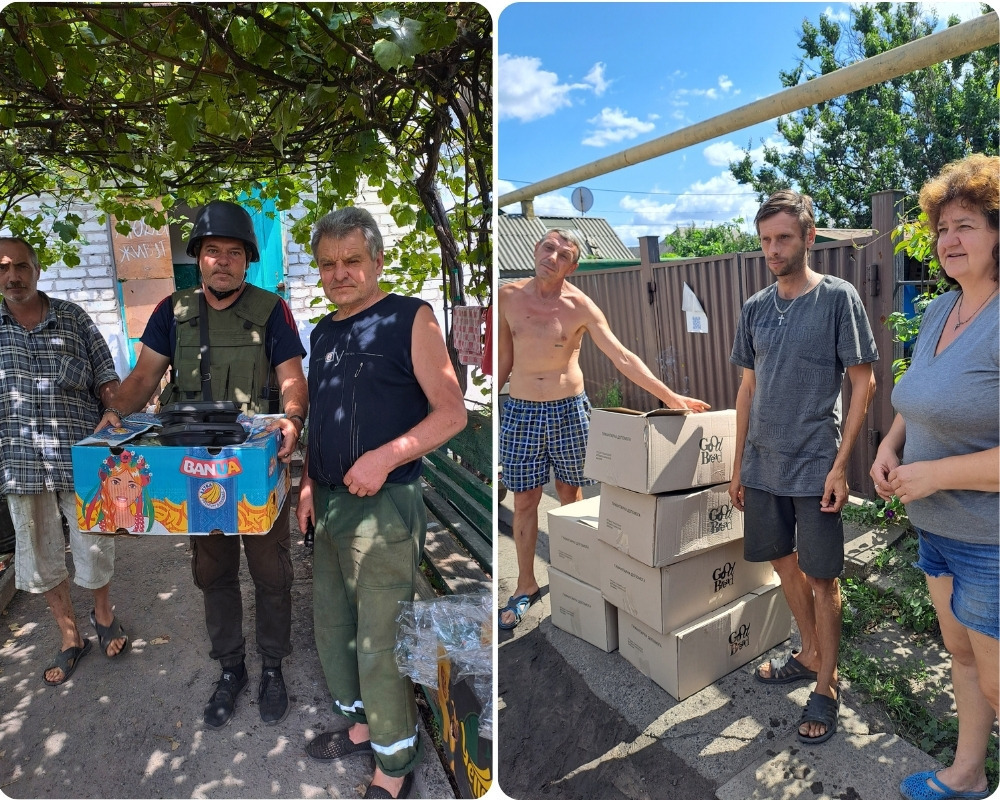
Humanitarian aid delivered to residents of Chasiv Yar. 2024
Life for the people
You became secretary of the city council in 2017, when Dmytro Varzilov was mayor; he made no secret of his pro-russian stance. How did you work with him?
I became secretary in July, and in August Mr Varzilov resigned. So, in fact, we did not really work together – partly because of his pro-russian stance. And when he left, I was among those who had to deal with the consequences of his ill-advised decisions. Until December, I never left work before 9 pm, with neither weekends off nor holidays. In general, I should say that our community flourished thanks to the decentralisation reform. I started to feel that here it was at last – the light at the end of the tunnel. And then, out of the blue – full-scale war!
You regularly organise large gatherings with fellow countrymen in Kyiv, Dnipro, and other cities. Decentralisation has always tied services to a specific territory, but you basically have to detach them, so to speak, from the map. In this context, could your military administration be described as a kind of mobile service centre? What unusual challenges do your Administrative Service Centre and social services have to deal with when working out in the field?
First, regarding the Administrative Services Centre. We have reoriented its functions, and now our administrators work with both official registers and individuals. In doing so, they often carry out tasks they could not even have imagined being involved in before: evacuations, rehousing people, and much more. In general, I should note that engaging with people is our top priority. Therefore, as you quite rightly said, we try to maintain constant contact with them: we organise meetings and collect contact details. We have several designated locations where we meet with people. If everything goes well, next week I am planning to travel to these places across the whole of Ukraine and meet as many of our residents as possible. I also plan to visit Uman community, our partner in the “Shoulder-to-Shoulder” project. We plan to relocate our elderly residents who have no relatives from Vinnytsia to Uman. In Vinnytsia, they were all forced to rent accommodation, whereas in Uman they will be provided with it free of charge. It is a separate house, in which, by the way, there are already about twenty of our residents living.
How do your social services operate when those in need of care are scattered across the whole of Ukraine?
We have decentralised them. One young woman works in Kyiv, another in Dnipro. They mainly serve the elderly with limited mobility, helping them with shopping, doctor’s appointments, and preparing meals. Of course, organising all this is very difficult, as our community currently has no income. We try to use whatever funds we have left as efficiently as possible; well, state subsidies, of course, are a real lifesaver for us.
At the end of April, the Chasiv Yar Military Administration announced that it was strengthening its cooperation with Kremenchuk community to support internally displaced persons. What exactly does this mean?
We have started meeting regularly with Vitalii Maletskyi, Mayor of Kremenchuk, at our Kremenchuk hub – not just the two of us, but surrounded by our people, who are able to ask us both any questions they may have. One of our joint projects is a social hotel or hostel for residents of Chasiv Yar. People will have to pay for accommodation there, but much less than they would for renting a flat. In fact, they will only have to pay for utilities. Moreover, Kremenchuk does not only help us with this; it is actively involved in health improvement programmes for our children.
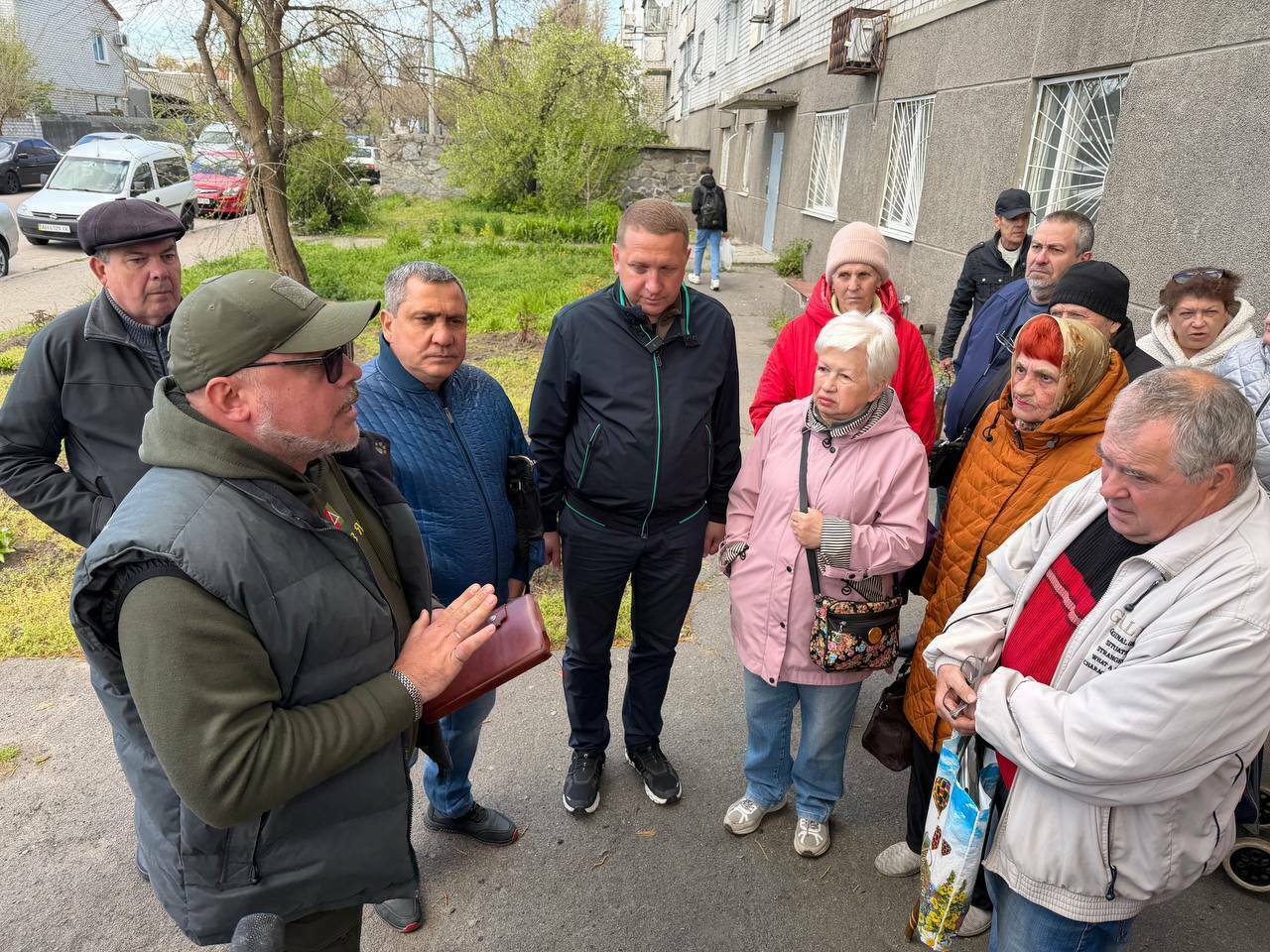
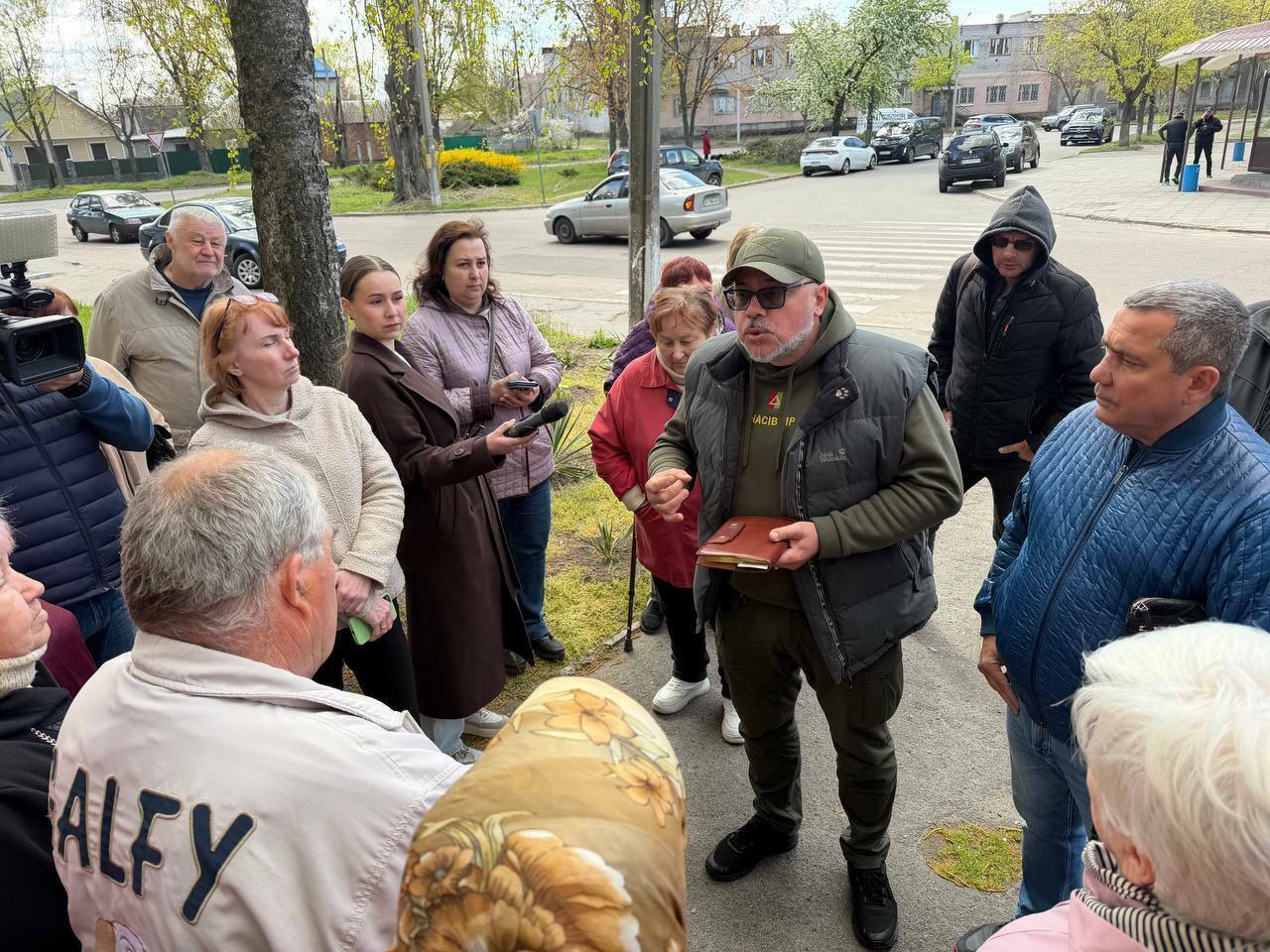
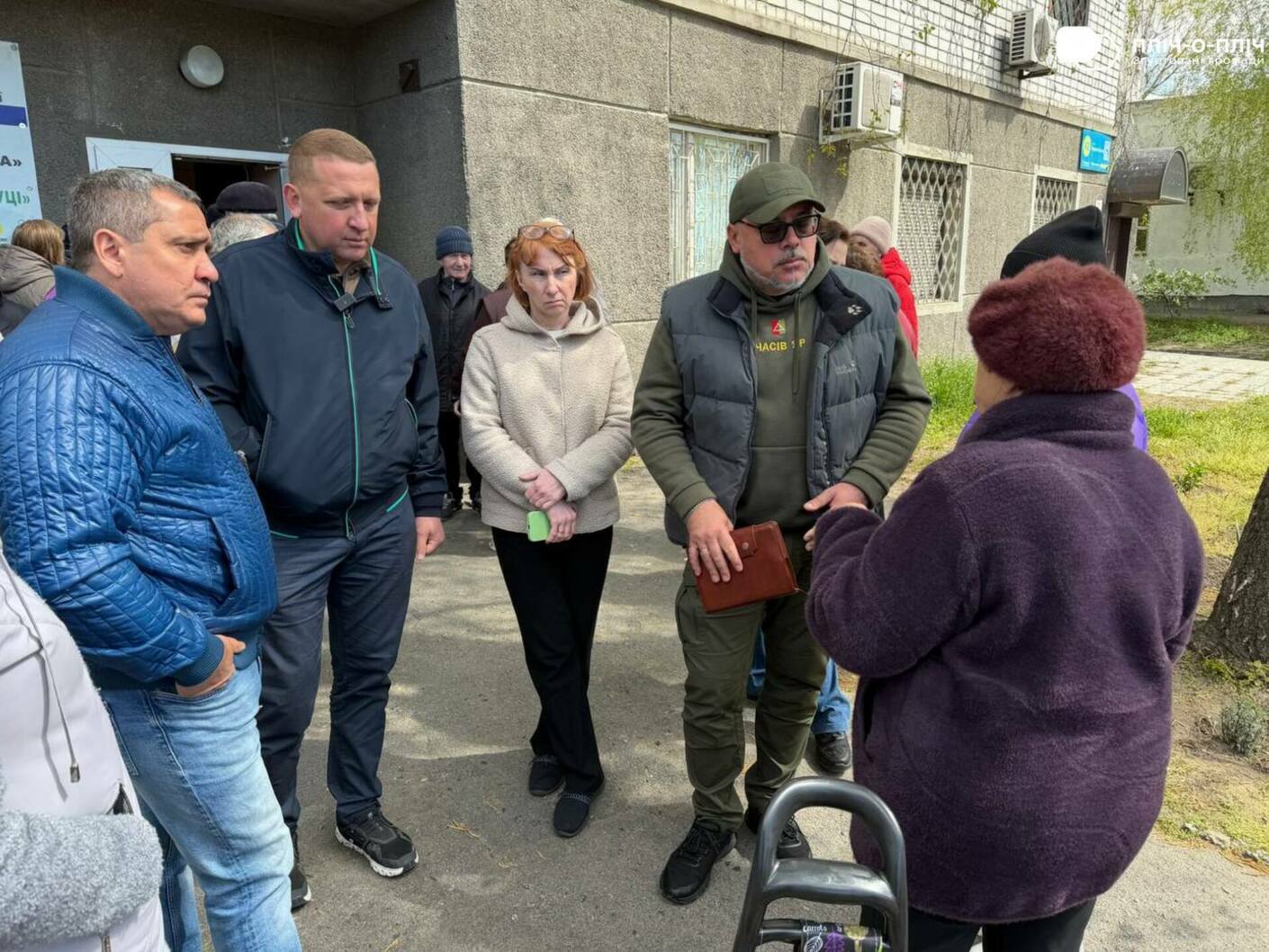
Meeting with residents
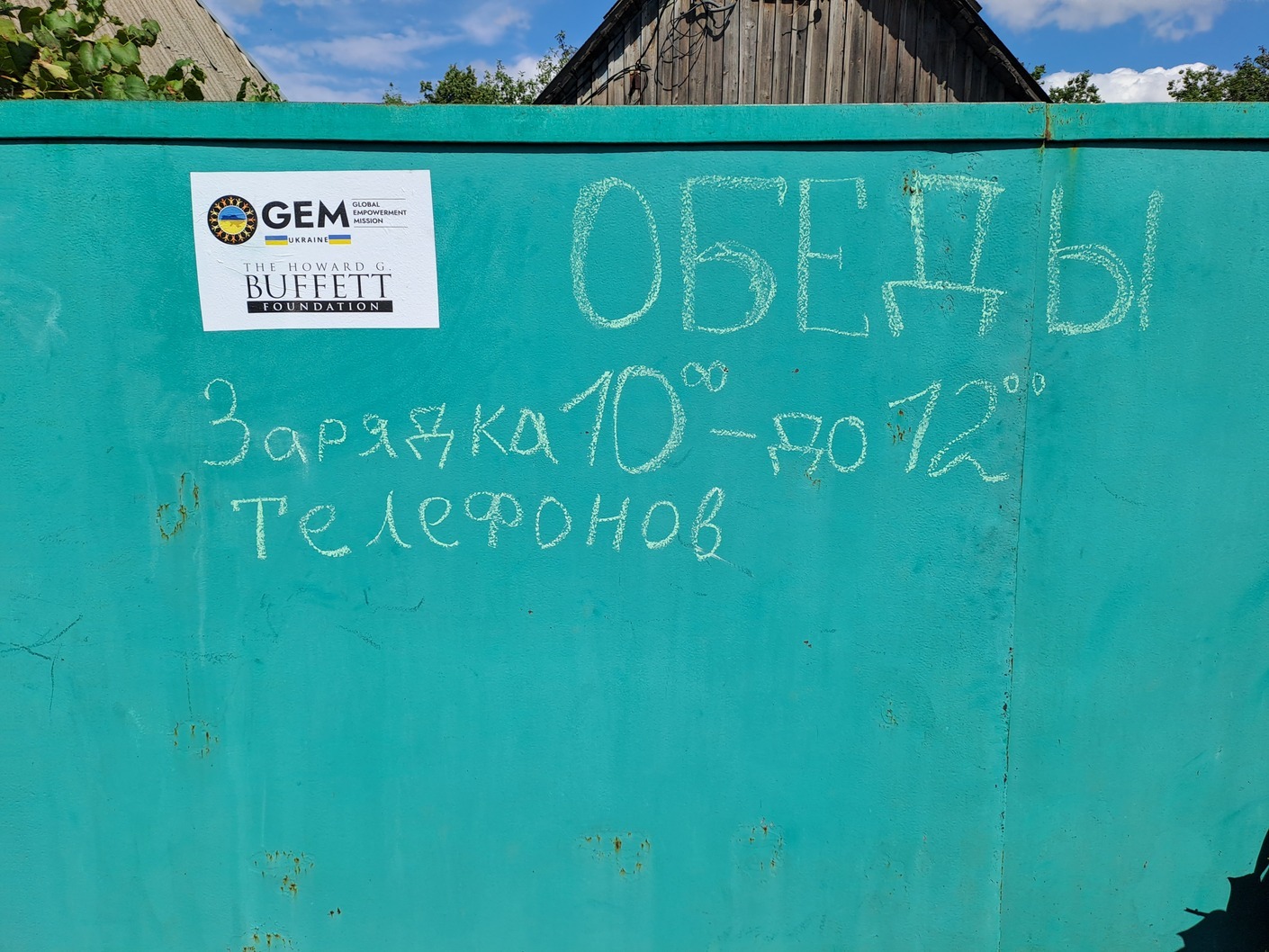
A fence in Chasiv Yar. 2024
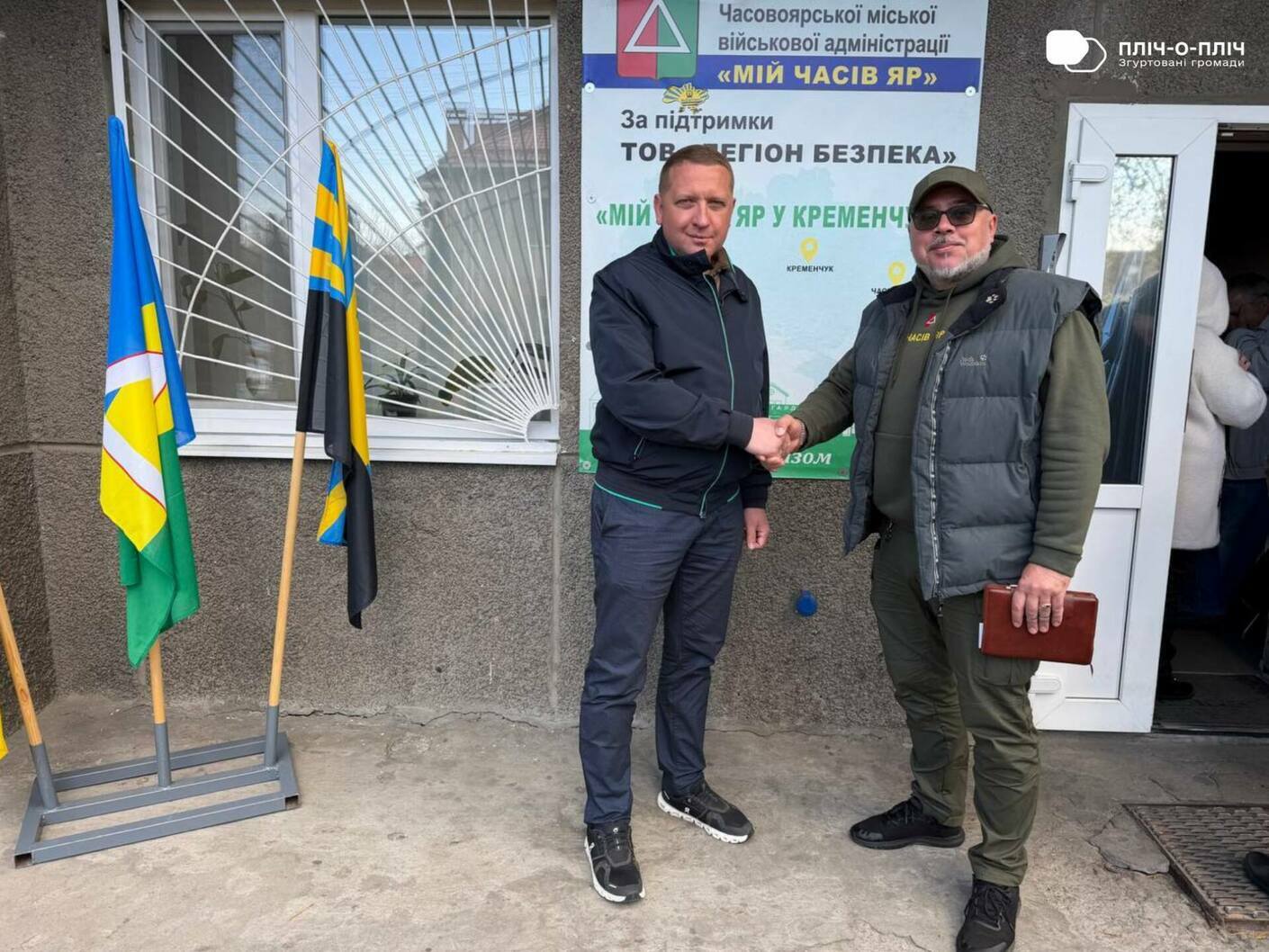
Serhii Chaus and Vitalii Maletskyi, Mayor of Kremenchuk (left)
Information defence and cultural diplomacy
A documentary film about the two-year defence of Chasiv Yar has been actively shown. Community leaders usually focus solely on economic or humanitarian issues, yet you actively support this project. Why is it important for the city’s civil authorities to engage in this kind of cultural and informational diplomacy, and what is the main message you wish to convey to the world through these images?
The main message is that Chasiv Yar remains a Ukrainian city. Because it is in our hearts. The next message is about the soldiers who defend it. They deserve our support. We simply cannot do without it. We work with them literally shoulder to shoulder. So this film – or rather, our support for it – can be described as an element of information defence and cultural diplomacy.
You are a co-founder of the NGO “Public Council of the Chasiv Yar City Museum”. What sort of museum is this, and where are its exhibits currently located?
We created this museum in 2020. I was out of work for a while back then, so I seriously took on this project. The museum was founded on the basis of the city archives and some artefacts from our refractory plant – one of Ukraine’s largest manufacturers of refractory materials. The exhibition features paintings, household items, historical artefacts and other items. The museum has now been evacuated to one of our partner communities. The museum director is also there; he deals with repacking, cataloguing, and collecting artefacts relating to Chasiv Yar.
Your first profession was as a teacher of the Ukrainian language and literature. Which literary works inspire you?
I must admit that I have not read a single book since 2022, although before that it was my main hobby. I was so shocked by all of this. But I have always been inspired by the realisation that all our Ukrainian literature is about the struggle of our people. As a teacher, I taught children precisely this – to fight. And now I see how many of them have joined this fight, often with weapons in their hands.

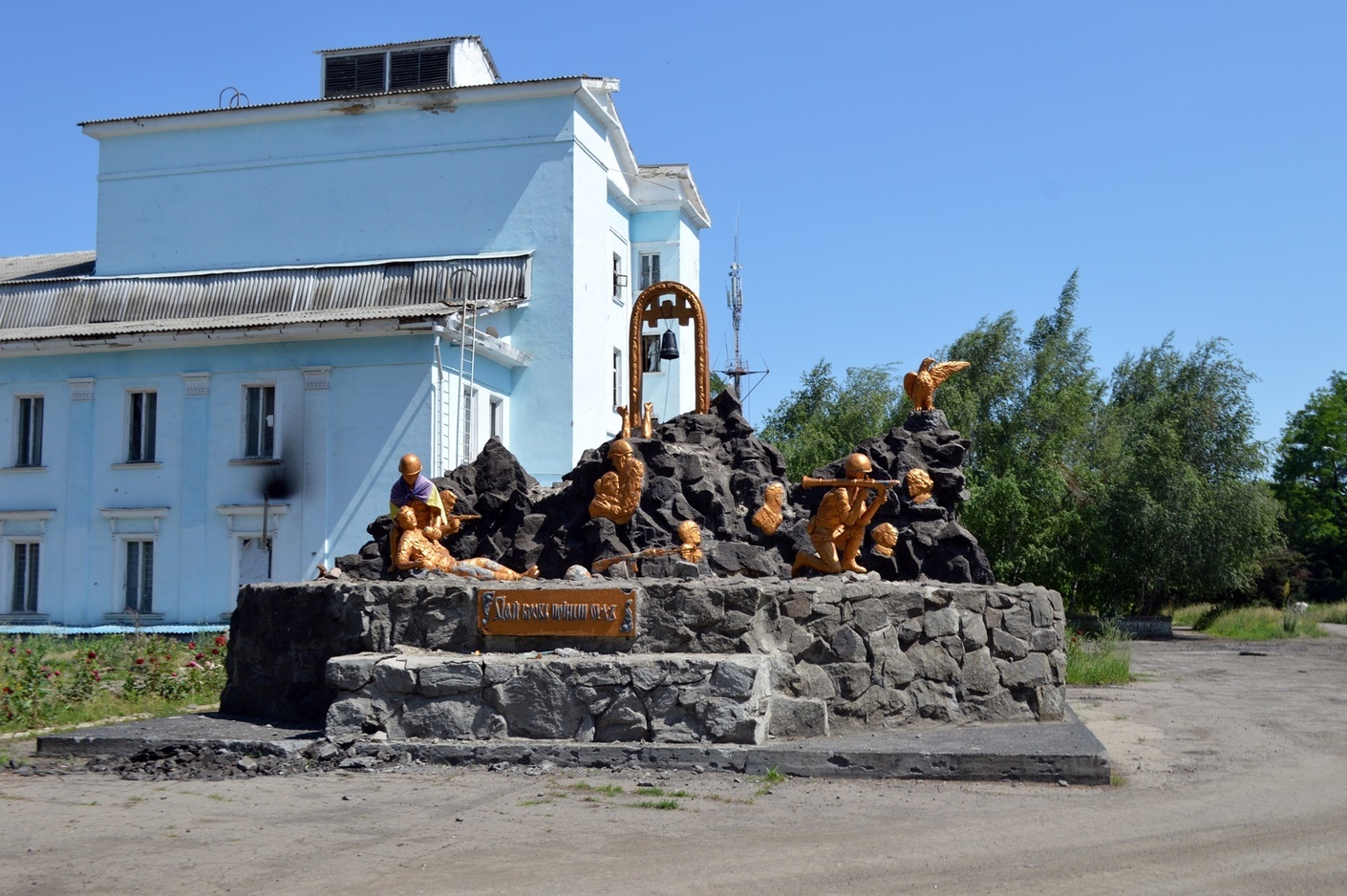
The city that exists no more: A monument dedicated to soldiers who fought in Afghanistan, located in Chasiv Yar near the Culture Centre. Photo by Kozubenko
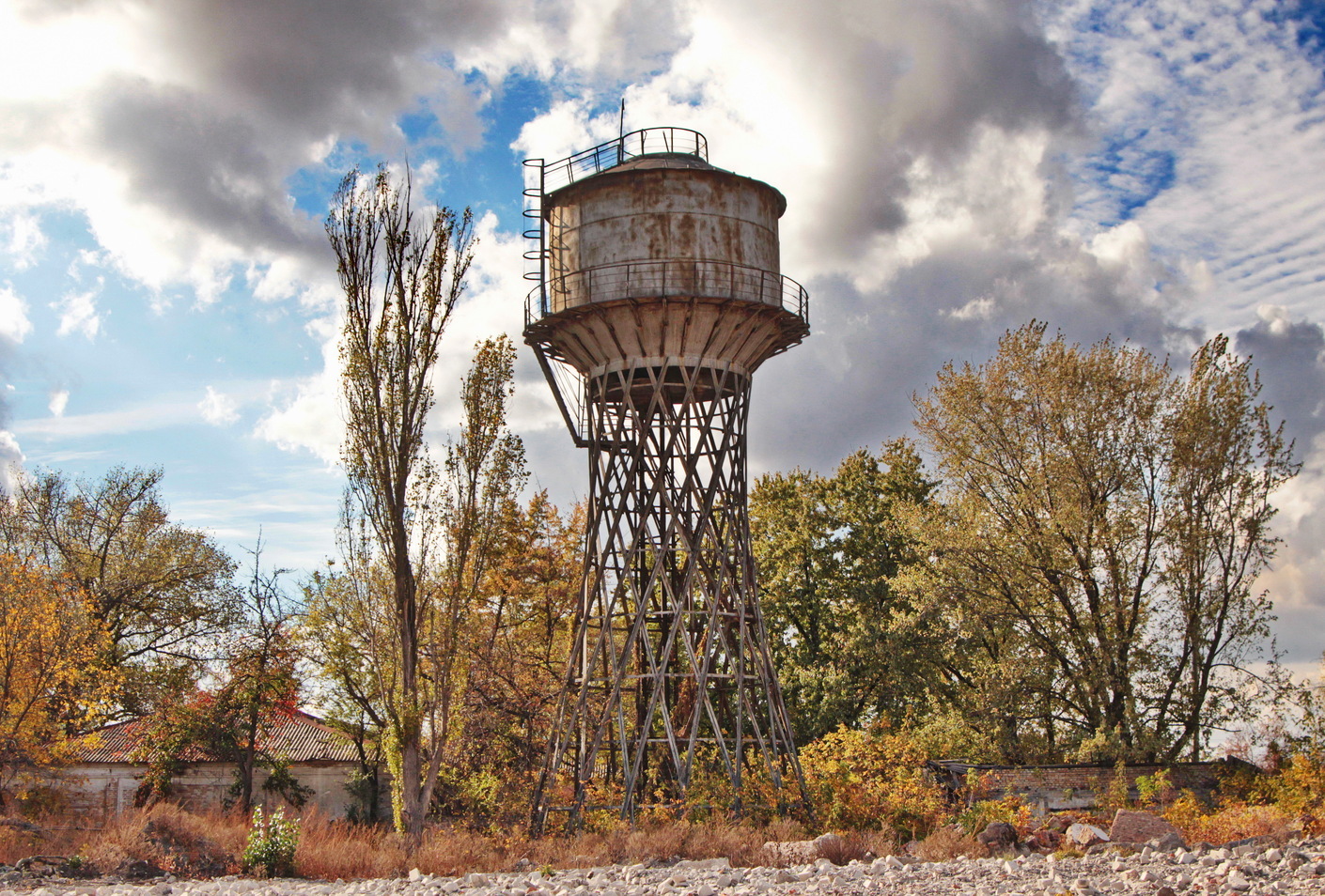
A unique water tower designed by Volodymyr Shukhov in Chasiv Yar. Photo by Oleksandr Malion
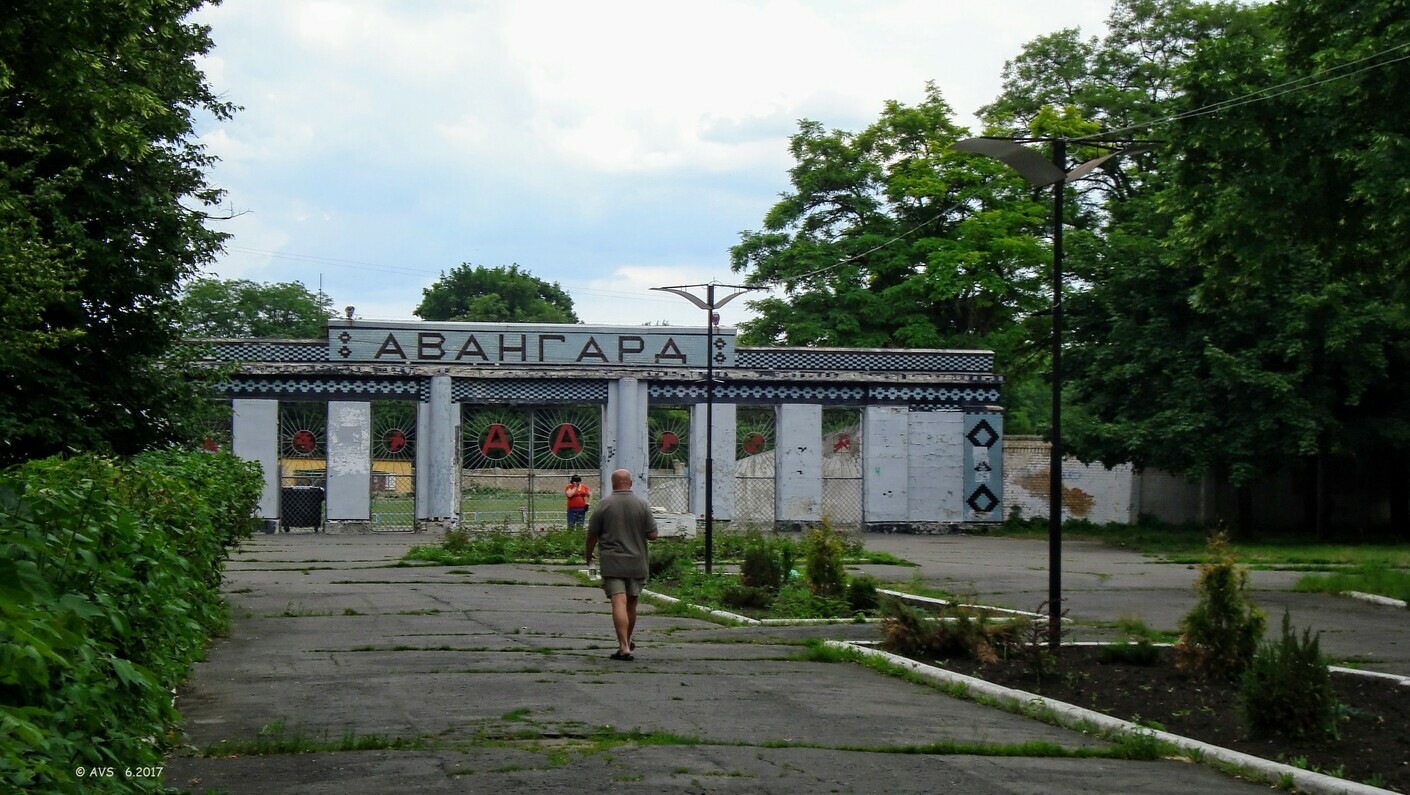
The Avangard Stadium in Chasiv Yar
The psychology of a leader: Where to seek strength
You were awarded the Order of the President of Ukraine for the Defence of Ukraine in 2022. Why do you think you received it?
When people ask me about this, I often say with a mysterious look, ‘The authorities know why.’ Of course, this is a joke. Firstly, the Government noticed what we did to defend the city. Defence, as you know, is quite a broad concept. When the city has no water, electricity or food, can a soldier really be effective? So, some people needed to be kept warm, others needed meals, and others needed a shower. And often, these tasks were quite difficult to accomplish. When I share some of the details with colleagues from partner communities in the “Shoulder-to-Shoulder” project, they cannot believe it and ask, ‘How did you manage that?’ I simply reply, ‘By gritting our teeth.’ We worked just like that, hardly ever taking off our body armour or helmets.
What has impressed you most during this large-scale war?
The resilience of people, primarily my colleagues and friends. They endured situations in which others would have fled long ago. I would later ask, ‘Why did you stay?’ and the answer I would hear was, ‘Because no one but me can do this.’ We are locals, so we know everything here. And we realise that if we do not help the military, many of them will die. That is why we stood firm until the very end. I used to compare my team, half-jokingly, to the Smurfs from the famous cartoon. Their enemies destroy, and they rebuild; they make sure everyone has something to eat and a place to fetch water… One thing shocked and upset me: the way war makes people indifferent and hard-hearted. It should not be like that. People should always stay human.
Where do you find the inner strength to go out and meet people every morning, record video messages, coordinate the work, and inspire optimism in people? What keeps you going?
The certainty that it is necessary. To be honest, I chose this path myself back in 2010 when I joined the city council. And what keeps me going to this day is the desire to be useful, the desire to deliver results that are visible and which, I hope, people appreciate. Not just leaders, but real people.
What will be your first order or action on the day the military announce that the threat to Chasiv Yar has finally been removed?
To start demining, and then to clean up the soil – without a doubt. Because every day, sadly, tonnes of hazardous substances from drones, shells, and missiles rain down on the territory of our community. Not to mention the minefields and unexploded ordnance. Once the demining is complete, I will do everything I can to return to my land as quickly as possible. To the land where my ancestors lie.
03 July 2026
Тетяна Бордюг: «Громади обирають життя, тобто, розвиток…»
Тетяна Бордюг: «Громади обирають життя, тобто,...
Керівниця регіонального офісу “U-LEAD з Європою” в Запорізькій області Тетяна Бордюг про нестандартні формати...
02 July 2026
Кластерний підхід у профільній середній освіті: засади та реалізація
Кластерний підхід у профільній середній освіті:...
У межах реалізації реформи старшої профільної школи, суттєво змінюються підходи до внутрішньої організації...
02 July 2026
Соціальне таксі Бучі: як громада створила безбар’єрний сервіс, що реально змінює життя
Соціальне таксі Бучі: як громада створила...
Бучанська громада однією з перших у Київській області зіткнулася з різким зростанням потреб у соціальних послугах...
02 July 2026
Від Гданська до Таллінна: відверта розмова про...
Запрошуємо разом, у спільноті громад, проаналізувати результати Ukraine Recovery Conference 2026 у Гданську,...