Regional associations are strengthening their cooperation: a national training seminar was held in Zhytomyr
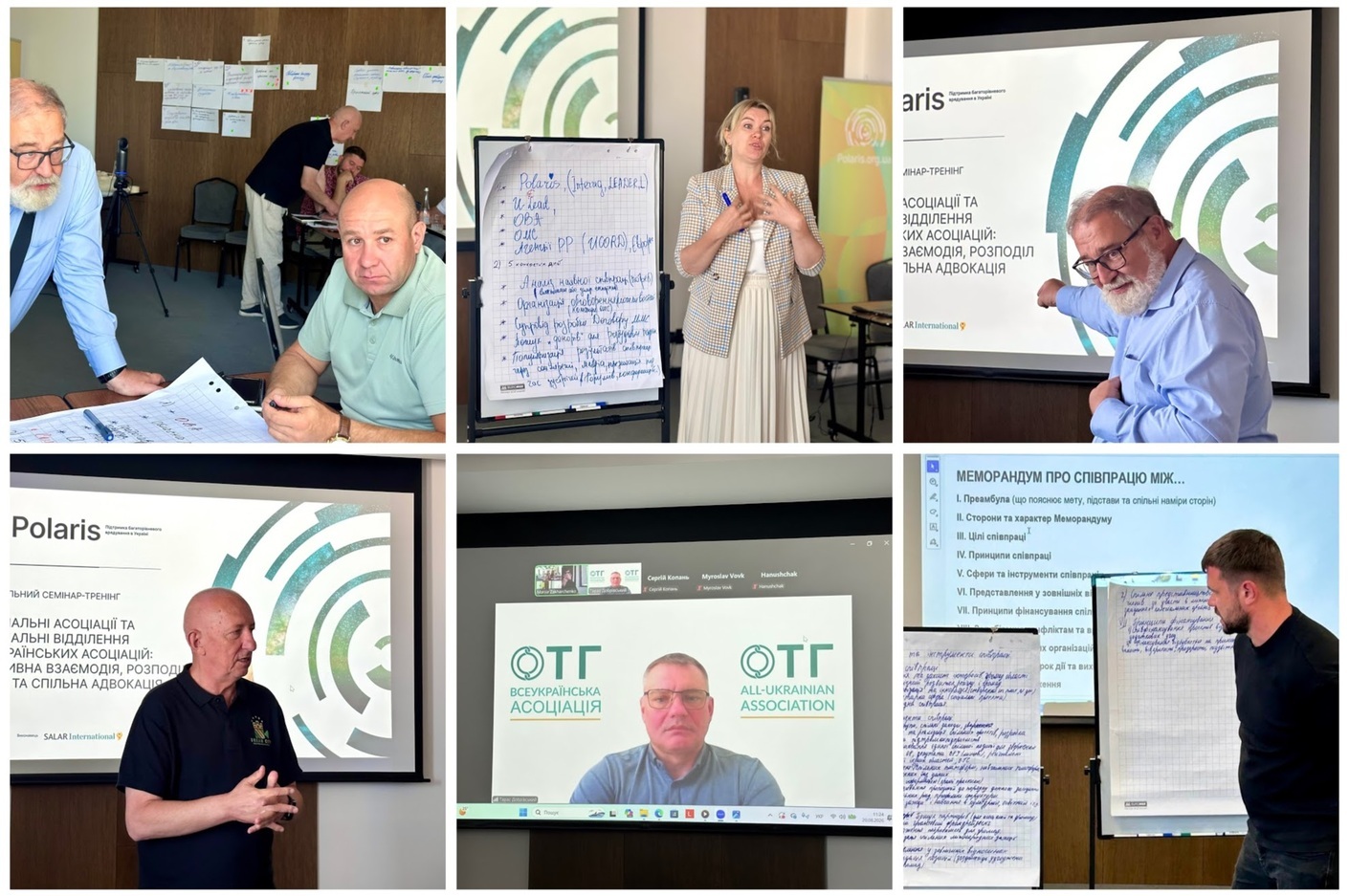
Participants in the training seminar discussed how regional associations and regional branches of all-Ukrainian associations can collaborate more effectively, allocate roles, and jointly represent the interests of hromadas.
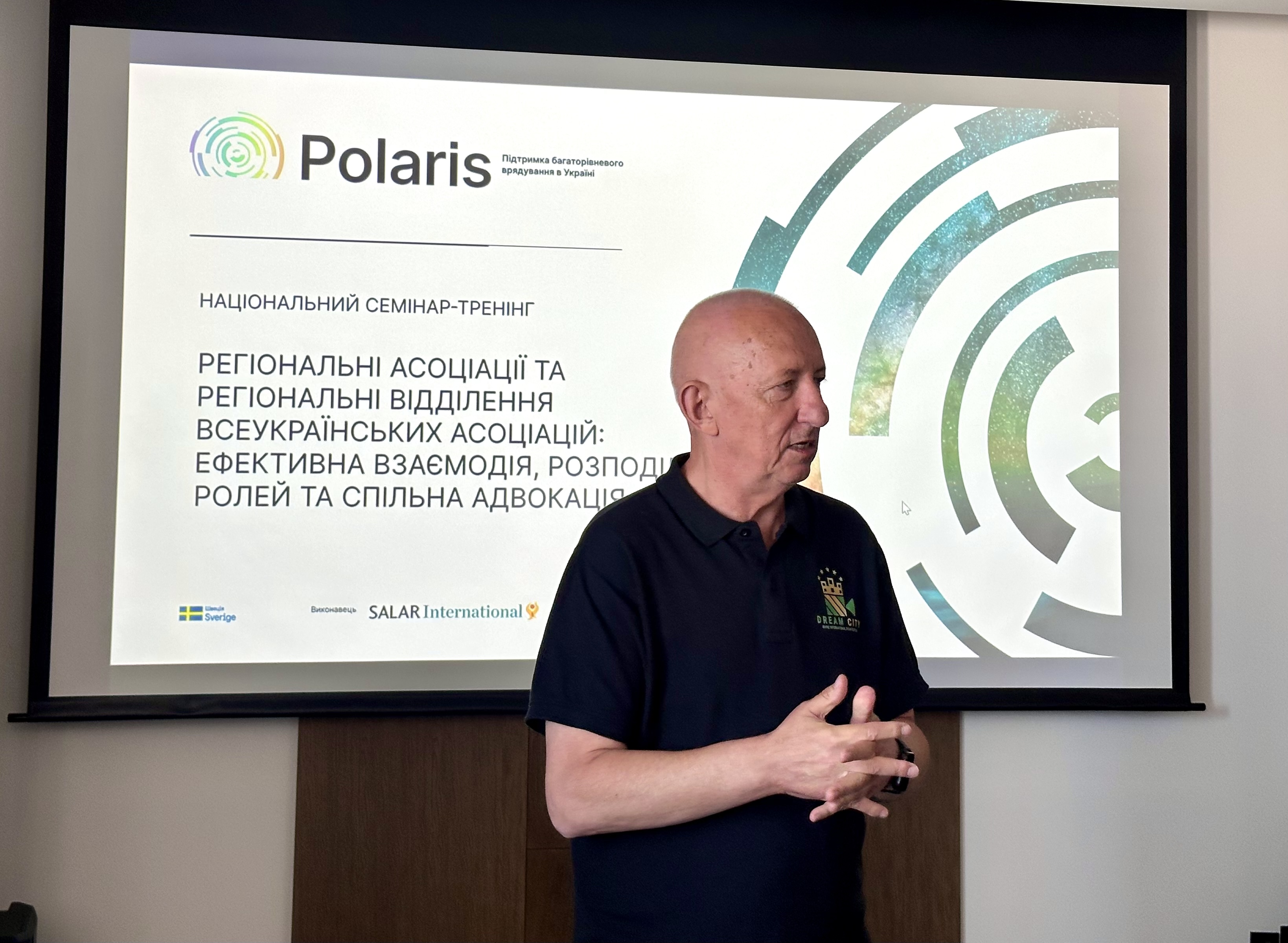
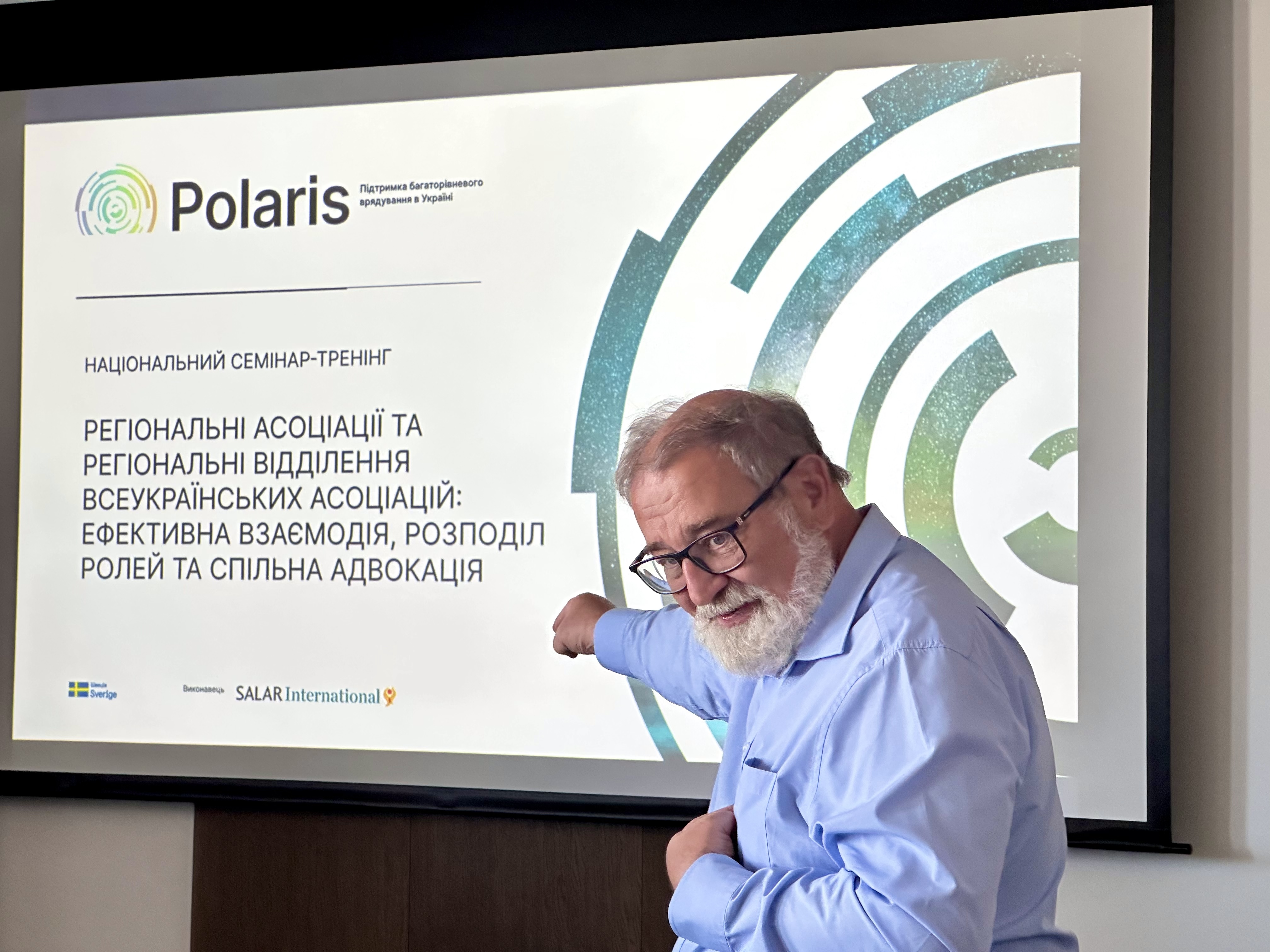
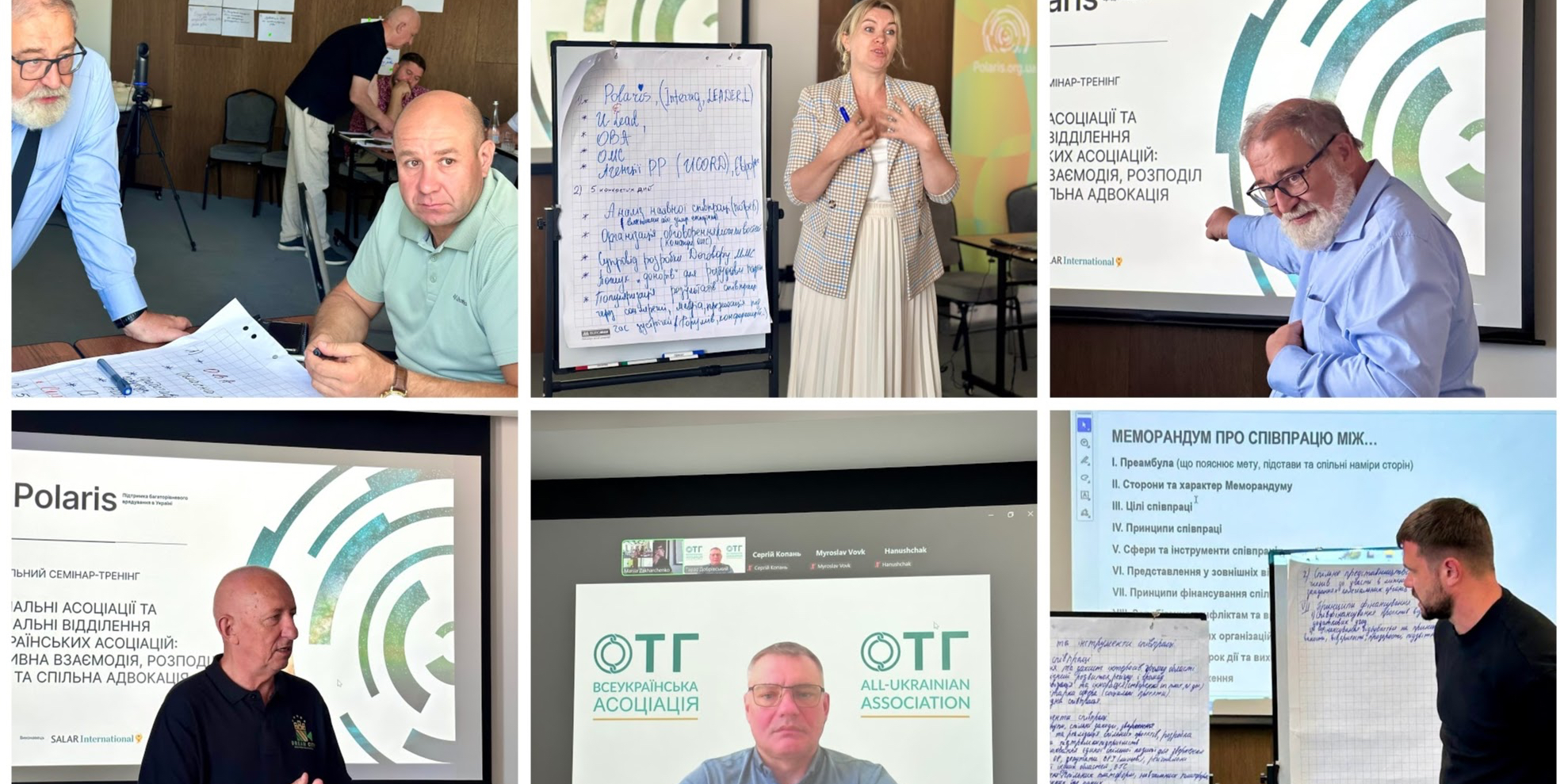
On August 19–21, a national training seminar titled “Regional Associations and Regional Branches of All-Ukrainian Associations: Effective Cooperation, Division of Roles, and Joint Advocacy” was held in Zhytomyr with the support of the Polaris Programme. The event brought together heads and executive directors of regional local government associations (LGA), as well as heads and secretaries of regional branches and regional coordinators of all-Ukrainian associations.
The central topic of the seminar was effective collaboration among LGA at the regional level. Participants discussed how a clear division of roles, coordination, and the shared use of resources can strengthen the organizations’ capacity to represent the interests of hromadas and influence decisions important for the development of local self-government.
Polaris experts presented analytical materials on the regional context to the participants and moderated practical sessions and group work.
“Strong local self-government begins with cooperation. And a regional association is a tool that transforms separate hromadas into a unified team capable of jointly defending their interests, learning from one another, and shaping the region’s future,” emphasized Vasyl Tuz, a Polaris expert.
All-Ukrainian associations represent the interests of local self-government at the national level, while regional associations have a deeper understanding of the specific characteristics and needs of a particular region, which is particularly important for Ukraine in the context of recovery and the implementation of decisions tailored to local conditions. Participants noted that combining these capabilities allows for strengthening both strategic advocacy and practical support for hromadas.
The main topics of discussion were:
- mechanisms for coordination and conflict prevention among organizations;
- the shared use of resources and capabilities — expertise, facilities, and staff;
- opportunities for implementing joint projects and grant applications;
- formats for holding joint events.
A separate session was dedicated to joint advocacy. In small groups, participants worked on coordinated communication, preparing position papers, conducting public campaigns, and assigning roles. A practical exercise involved developing a roadmap for a unified advocacy campaign.
“It is important for hromadas that associations do not act separately but unite their efforts around common issues. This is especially relevant in the context of war, when hromadas face new challenges and must simultaneously respond to the needs of their residents and internally displaced persons. Coordination among associations allows for a better understanding of hromadas needs, the harmonization of positions, and the joint identification of solutions that serve the interests not only of a single region but are relevant to several,” noted Nelia Malko, Executive Director of the Association of Local Self-Government Bodies Community Development Agency of Bukovyna.
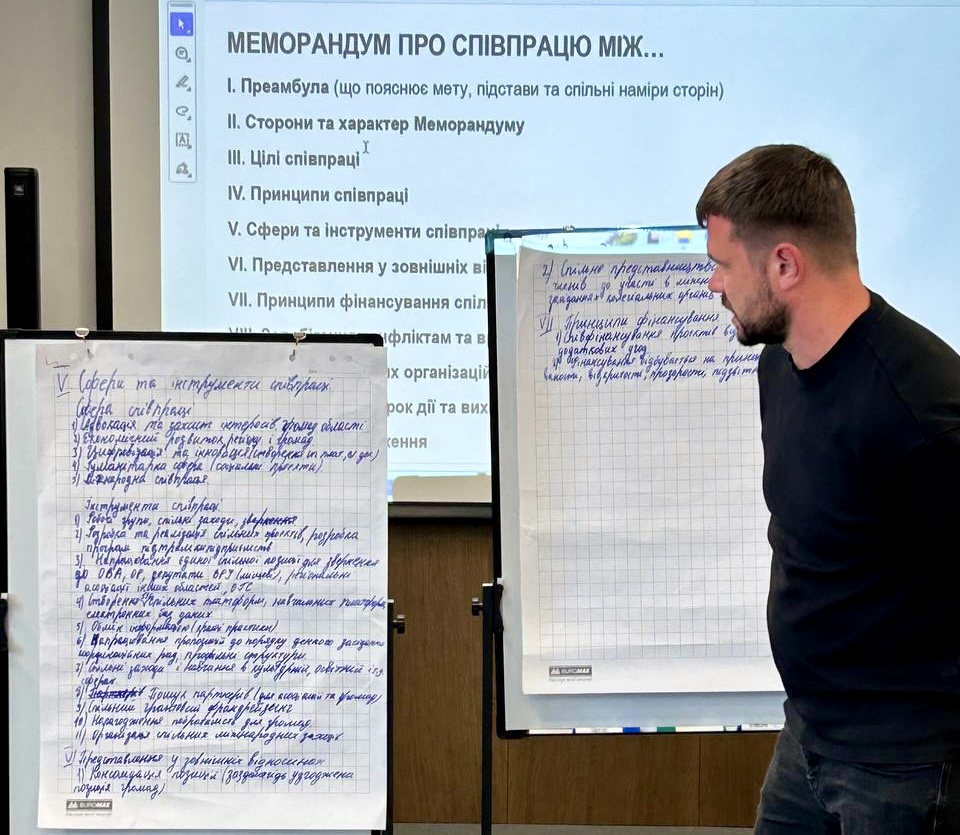
Among the practical outcomes of the seminar was a draft Memorandum of Understanding that outlines the principles of cooperation between associations operating in the same region. The document could serve as a foundation for future joint advocacy efforts and coordination of activities.
“Participants had an excellent opportunity to analyze the specific role of each type of organization, discuss possible options for dividing responsibilities, and identify areas where cooperation can be strengthened,” noted Krzysztof Stanowski, a Polaris international expert.
The seminar is part of the Polaris Programme’s systematic efforts to strengthen the capacity of regional LGA and continues an approach based on close collaboration with partners and an understanding of the regional context.
Attached images:
Область:
Житомирська областьSource:
Програма Polaris
27 August 2026
Анонс: вебінар «Трудові та соціальні гарантії працівників у сфері освіти»
Анонс: вебінар «Трудові та соціальні гарантії...
До участі запрошуємо керівників органів управління освітою, керівників закладів освіти, педагогів та юристів...
27 August 2026
Стартував всеукраїнський конкурс «Староста року 2026»: заявки приймають до 30 вересня
Стартував всеукраїнський конкурс «Староста року...
Розпочався прийом заявок на щорічний всеукраїнський конкурс «Староста року 2026». Його мета – відзначити старост,...
26 August 2026
Vitalii Bezgin: Integration of IDPs requires...
The integration of internally displaced persons into new communities requires a comprehensive approach, in which...
26 August 2026
АІКОМ 2: відповідаємо на найпоширеніші запитання
АІКОМ 2: відповідаємо на найпоширеніші запитання
Експерти Швейцарсько-українського проєкту DECIDE відповіли на поширені запитання щодо роботи в системі АІКОМ...