Swiss-Ukrainian DECIDE Project presents findings of comprehensive study on decentralisation of education: Key challenges and trends
Five years after the launch of the decentralisation reform, effective education management remains crucial for community stability, particularly in times of full-scale war. In order to evaluate these dynamics and the current challenges, the Swiss-Ukrainian DECIDE Project, in collaboration with the Kyiv International Institute of Sociology (KIIS), conducted a second All-Ukrainian sociological study entitled ‘Decentralisation of Education Management in Ukraine’. The first study, conducted in 2021, provided an opportunity to compare results with those from the pre-war period and to assess the impact of the war on the education system.
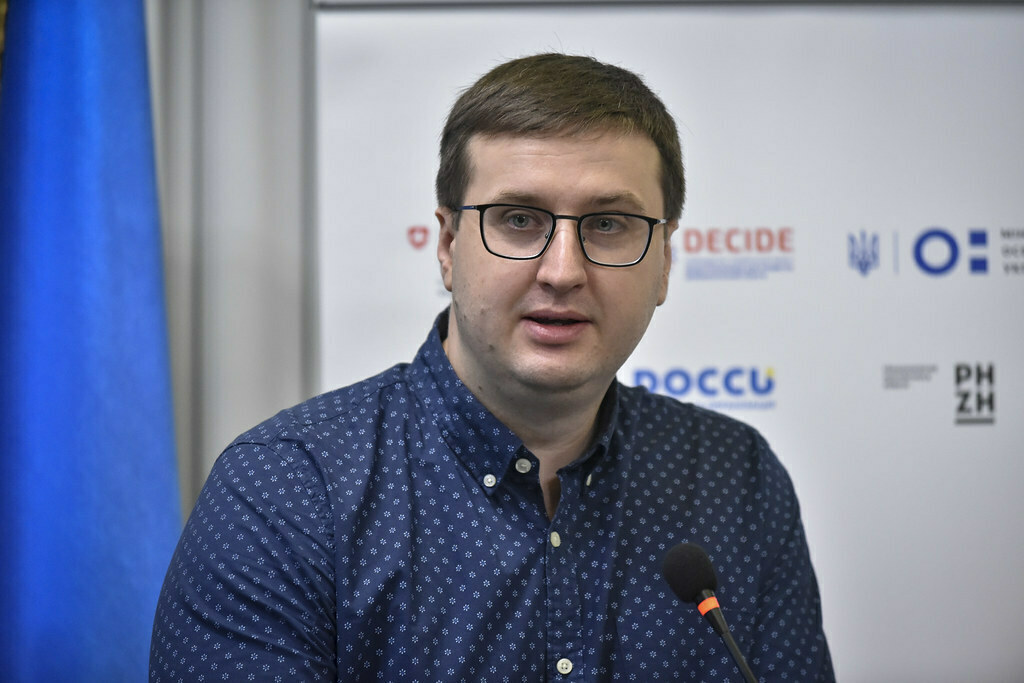
Anton Hrushetskyi, KIIS Executive Director, presented the key findings of a study of more than 7,500 people from eight target audiences: from central government officials to heads of education departments, school principals, teachers, parents, schoolchildren and community residents.
Main areas of the study: what was analysed?
The study covered the following critical aspects of education management at the local level:
- Strategic planning in education.
- Digitisation and debureaucratisation.
- Delineation of powers between levels of authority.
- Professional competence of managers.
- Funding and infrastructure.
- Gender equality.
- Democratic governance and communication with citizens.
- Inter-municipal cooperation.
Key conclusions from Anton Hrushetskyi
1. Strategic planning: progress has been made, but challenges remain
- The number of communities with strategic documents on education development is growing. Among community leaders and educational institutions, this figure has risen from 60% to 80%.
- About half of parents and teachers believe that the community has a clear understanding of how education is developing.
- However, only a third of community residents believe that the interests of citizens are considered in educational plans. Meanwhile, 48% believe that they are not. This may be due to a deterioration in perceptions of communication with the authorities, as well as the impact of the war.
2. Bureaucracy and reporting: a significant burden on the system
- 30% of heads of education departments in communities and 30% of school principals spend between 6 and 12 hours a week to complete administrative reports. For heads of departments, this figure has even increased compared to 2021.
- 90% of heads of education departments and 85% of representatives of regional military administrations believe that the information in the reports is often duplicated.
- More than half of the heads of education departments note that they work with outdated or meaningless documents.
3. Digitisation: strong support, but concerns remain
- Almost all target audiences (over 90%) support the idea of digitising document management.
- 77% of parents note the introduction of digital tools in schools in recent years.
- However, there is considerable concern that digitisation will create an additional paperwork burden rather than replacing it. Many teachers are already challenged by having to maintain two sets of records (electronic and paper).
- There are also concerns about data security and possible unauthorised access.
4. Delineation of powers: an acute problem
- 58% of heads of education departments in communities and 41% of representatives of regional military administrations believe that there are powers that require a clear delineation between levels of authority.
- 90% of heads of education departments and 68% of representatives of regional military administrations agree that legislation needs further harmonisation in this sector.
5. In-service training: demand exists, but time is limited
- There has been an increase in the coverage of training programmes on the decentralisation of education management. For example, among representatives of regional military administrations, this figure has risen from 21% to 40%.
- The majority of respondents (between 64% and 92%, depending on the audience) recognise the need for training, and demand for it has grown since 2021.
- However, training is often perceived as an additional burden on top of an already heavy reporting workload.
6. Infrastructure and funding: resilience despite everything
- Only one third of school principals and administrators consider the level of infrastructure funding to be sufficient.
- However, about 90% of respondents noted improvements in infrastructure over the past three years (the period of full-scale war), with around half describing these as significant. This demonstrates the resilience of the education system.
7. Gender equality: progress has been made, but stereotypes remain
- The majority of respondents believe that the gender of the community leader does not affect their effectiveness.
- However, 30% of schoolchildren believe that the gender of the school principal affects their performance. This suggests that gender stereotypes are present even among young people.
- 29% of schoolchildren believe that gender influences future career prospects in society, with 22% favouring men and 7% favouring women.
- A positive trend: the number of parents who categorise professions as ‘male’ or ‘female’ has decreased from 33% in 2021 to 22% today.
8. Public participation and trust: striking the right balance
- The proportion of heads of education departments who report the existence of consultative and advisory councils is growing, from 48% to 60%.
- Almost 60% of community residents responded that they had never been involved in decision-making processes. However, only 30% are dissatisfied with this level of involvement.
- Only a third of community residents trust the local authorities, creating additional obstacles to implementing reforms such as the optimisation of school networks.
- There has been a slight deterioration in the effectiveness of communication between local authorities, parents and teachers. The expert believes that this may be due to an inability to communicate effectively in a digital environment, which leads to polarisation rather than achieving results.
9. Inter-municipal cooperation: unrealised potential
- A total of 74% of respondents from communities believe that communities should cooperate with each other. However, this figure was 89% in 2021. The reasons for this decline need to be analysed.
- The greatest demand for cooperation is in relation to creating inclusive resource centres and professional development centres for teachers, as well as the joint operation of lyceums.
Anton Hrushetskyi concluded that, despite the many challenges posed by war, the education sector has demonstrated impressive resilience. The movement towards decentralisation, strategic planning, and digitalisation is ongoing. However, the results clearly indicate areas that require attention, such as excessive bureaucracy, unclear delineation of powers, low trust in local authorities and insufficient public participation.
The findings of the study were well received by public officials responsible for education and regional development.
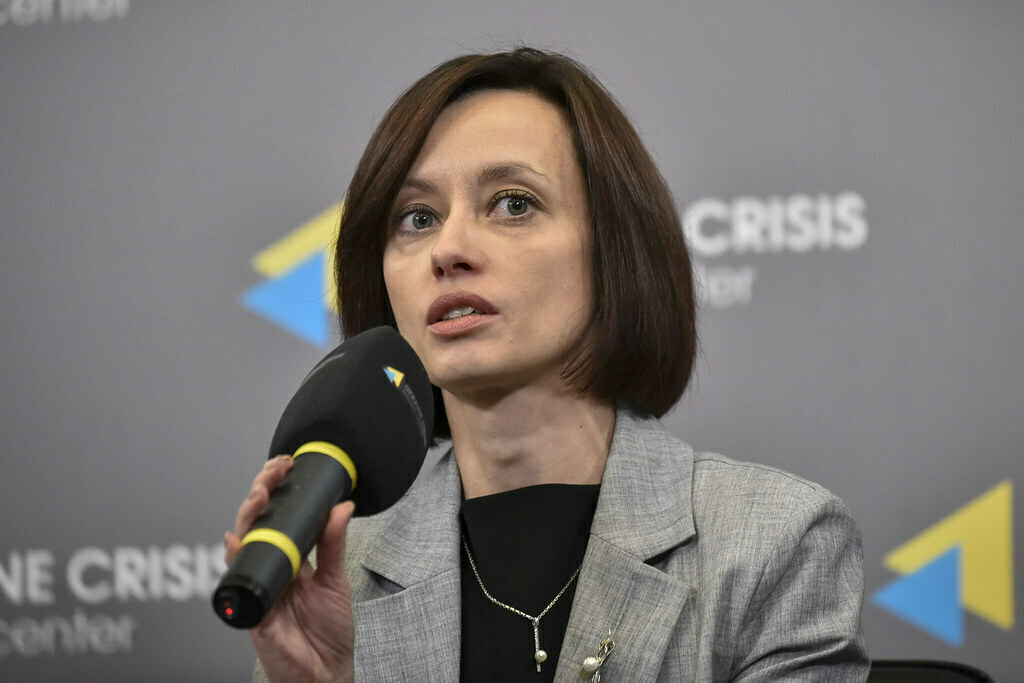
Nadiia Kuzmychova, Deputy Minister of Education and Science of Ukraine, emphasised that all of the Ministry’s policies are implemented in close cooperation with local authorities, which are key implementers. She highlighted the specific areas, in which this cooperation is most evident:
‘Education has received the largest budget subsidies in recent years. Local authorities are the ones who implement these subsidies and turn them into specific products and results. Each of these subsidies requires, in addition to effective utilisation, the contribution of own funds.’
Nadiia Kuzmychova listed several policies that require joint implementation, including the construction of bomb shelters and the provision of school buses and fire safety measures, as well as the modernisation of canteen facilities and the development of inclusive education. She also shared some positive news, but with an important reservation:
‘Next year, according to the approved budget, we will see another increase in education funding. While this is good news, it will require even greater efforts from central and local authorities to ensure that projects are prepared in a timely manner so that this money can be translated into results.’
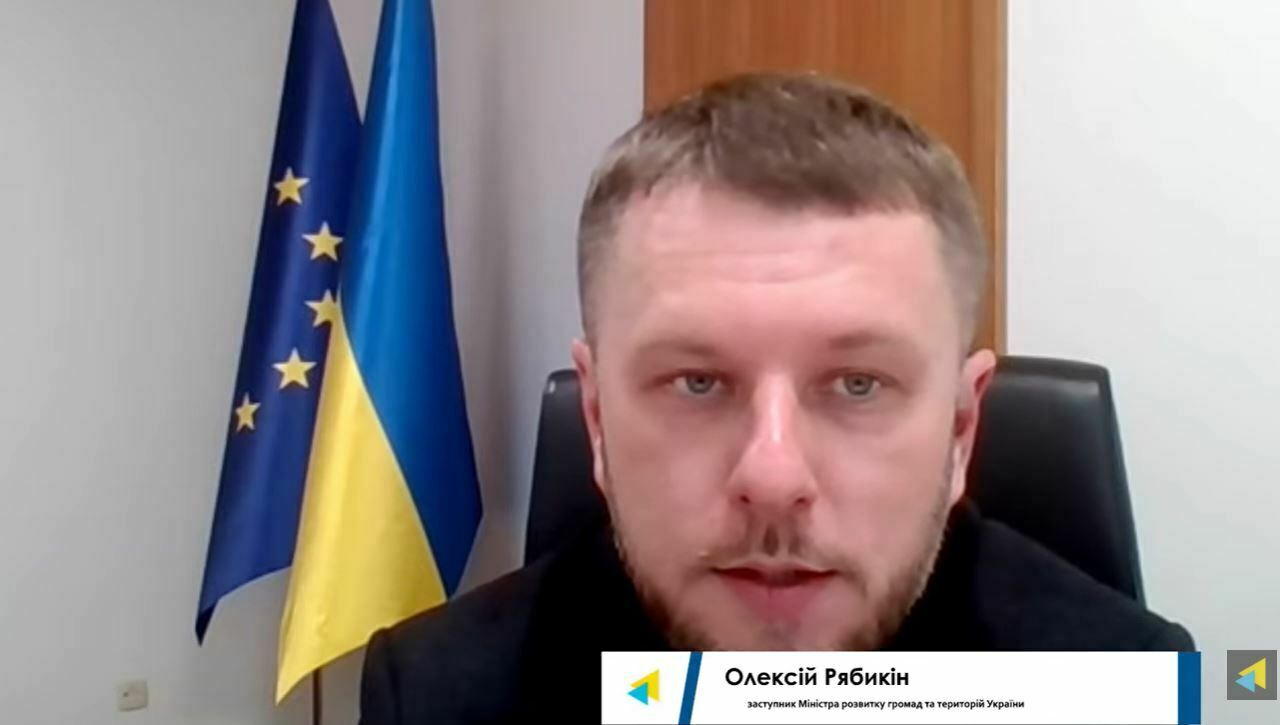
Oleksii Riabykin, Deputy Minister for Development of Communities and Territories of Ukraine, provided an in-depth analysis of financing and institutional frameworks. He described the study as being of the utmost importance for evidence-based policymaking. He also explained the mechanisms for attracting European funds in detail:
‘Currently, our country can access resources from two programmes: Interreg and Interreg NEXT. There is also the Ukraine Facility. It is important to understand that, when it comes to European Structural Funds, advance payments are not provided, but compensation is if the implemented project meets the requirements.’
Oleksii Riabykin also described domestic instruments, ‘This is, of course, the State Fund for Regional Development, which places particular emphasis on frontline territories... 50% of this resource, amounting to 500 million, has been allocated to creating a network of shelters in pre-school and secondary education institutions.’
He clearly linked the issue of trust, which was discussed in the study, to the need for roles to be clearly defined:
‘If the discussion is about decentralising education management in Ukraine, we must have a clear understanding of the roles of the Ministry, regional administrations and communities in this area. This is because it makes it more convenient and easier for people to know who to turn to.’
The role of international support: training, debureaucratisation and career guidance
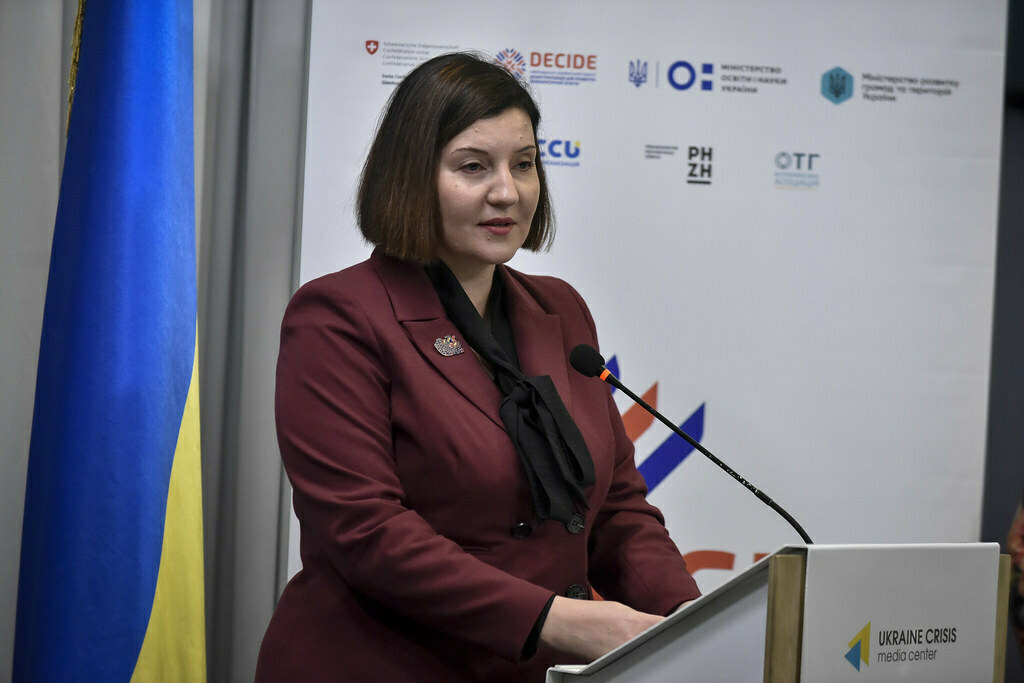
Valentyna Poltorak, DECIDE Project Manager, clarified that the Programme does not implement educational projects itself, but rather develops the capacity of local and regional authorities to manage education in a democratic manner. She cited impressive coverage figures: over the past five years, almost 9,000 administrators at various levels have received support. In response to the challenges identified by the study, the Project is planning specific actions:
‘In the next phase, 2,000 administrators will undergo training in a blended learning format. Next, we will organise training for community leaders. Working alongside them, we will develop the skills needed to implement secondary school reform, particularly the creation of academic lyceums.’
Ms Poltorak also addressed the challenging topic of bureaucracy and digitalisation, referencing the study’s findings:
‘94% of regional-level managers reported that they engage in duplicate reporting. They spend six to twelve hours a week preparing letters and reports.’
She explained how the Project is addressing this issue through the AIKOM-2 system, which has already halved the number of reports, with a further quarter reduction expected once it is fully operational.
Valentyna Poltorak paid particular attention to the large-scale pilot project on career guidance, a strategic response to the challenge of retaining young people in Ukraine:
‘We decided not to select nine or ten communities, but to implement this on a large scale. Today, we are developing a system in which the community, the region, schoolteachers and, most importantly, businesses help children to understand that there is a company literally next door to them, just a hundred metres away, where they could find a job.’
She also recalled that the first wave of public discussions within the Project had just been completed, with 1,300 communities from across Ukraine taking part in the discussion on ‘Reform of Senior Profile Schools’. Furthermore, the Project’s offline and online expert groups held individual discussions with over 394 communities
According to Valentyna Poltorak, the Project also plans to encourage young people to participate in community decision-making, educate the younger generation about project management, and organise internships in local governments.
‘Today, it is important that young people can see a future for themselves in Ukraine. Without the development of democratic tools, this is impossible.’
Parliamentary perspective: legislative initiatives and the search for compromise
Members of the Ukrainian Parliament shared their insights on the legislative support for reforms, particularly the most controversial issue – the reform of specialised schools.
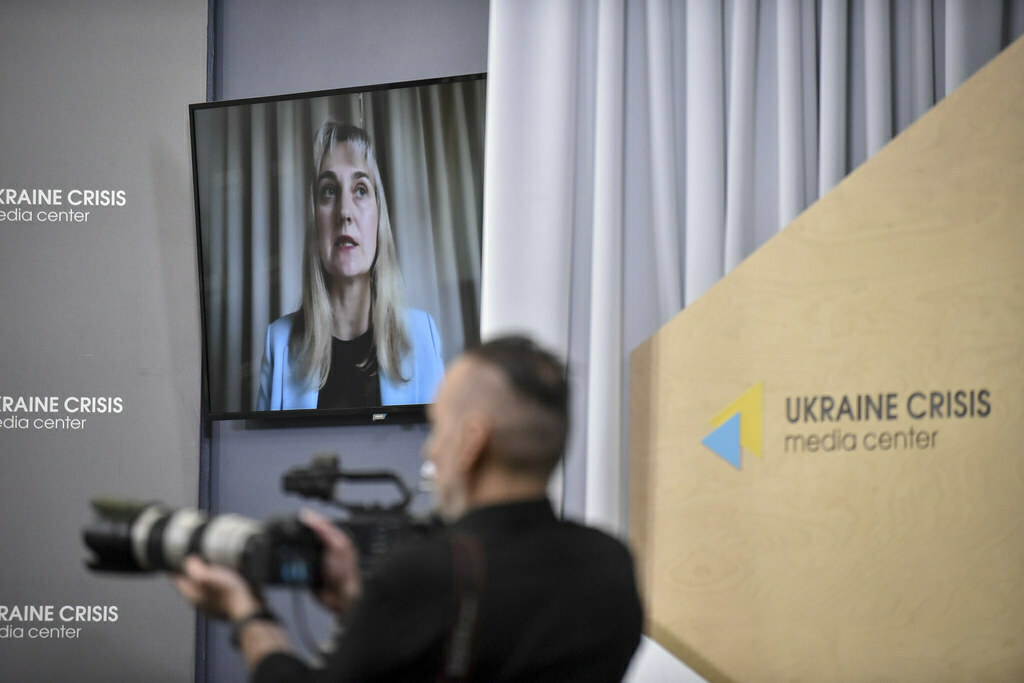
Nataliia Pipa, Secretary of the Parliamentary Committee on Education, Science and Innovation, stated that the search for the optimal model continues:
‘Changes to the legislation on specialised schools have been postponed until the optimal option is found... One thing holding things up is how this is supported by the majority. The second issue is that, for many families, the question of whether to commute to a lyceum or move abroad is a pressing one.’
She also emphasised the importance of raising teachers’ salaries, as this has a direct impact on the quality of education.
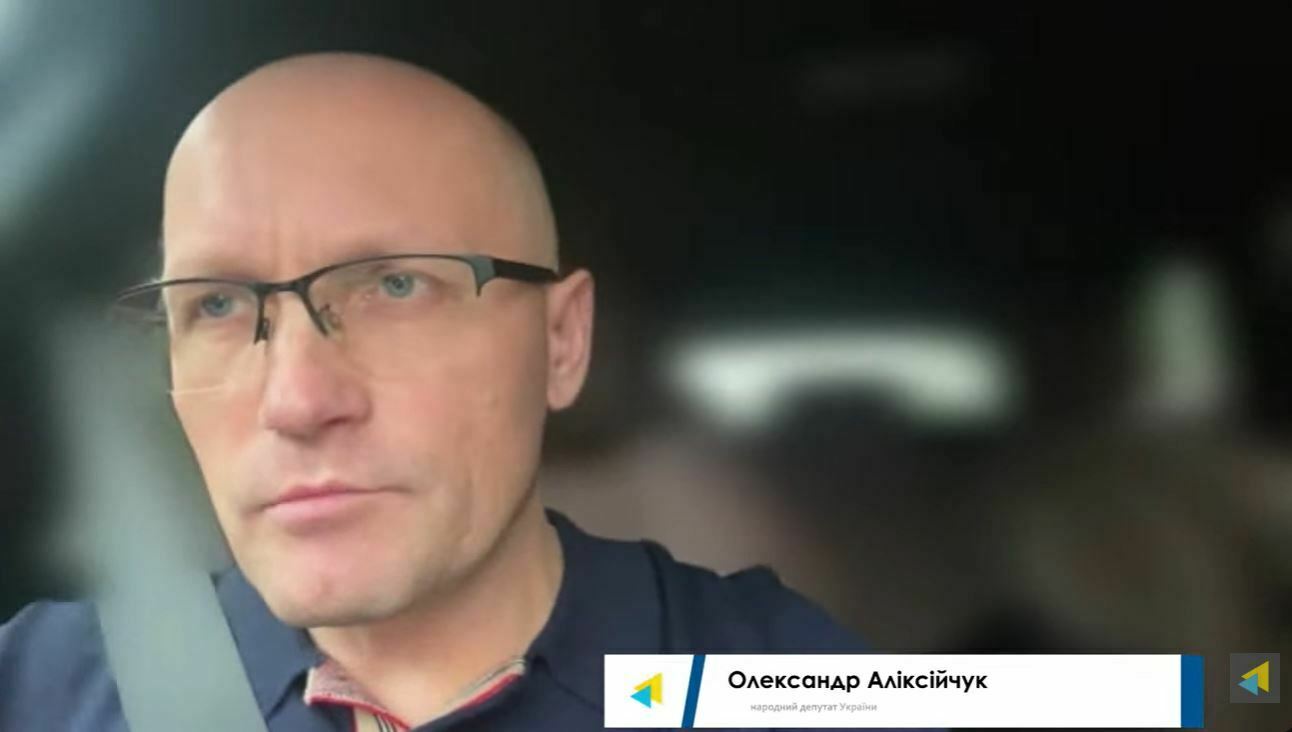
Oleksandr Aliksiichuk, Chairman of the Subcommittee on Cooperation between Communities and Regions, spoke about legislative instruments for community cooperation:
‘In order to create a higher-quality educational network of lyceums, simplified instruments for cooperation have been provided. The next stage is a draft law on agglomerations, which will allow communities to collaborate on setting up and running lyceums.’
He also expressed his support for initiatives of DECIDE to train community leaders, emphasising that it is the leaders’ strategic thinking that enables small communities to find resources and implement ‘incredible projects’.
Experience of regions: network of lyceums, vocational education and training, and specific outcomes
Local authority representatives shared their practical experience of implementing reforms at a local level.
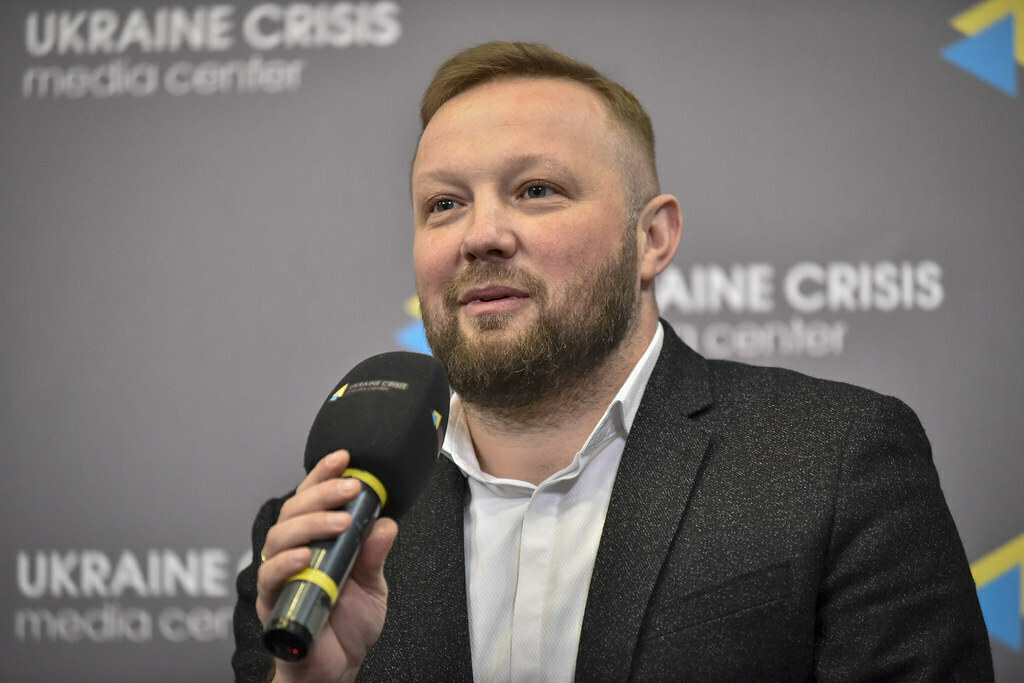
Volodymyr Kohut, Acting Head of the Poltava Regional State Administration, said that a third of the regional budget is allocated to education, and spoke in detail about the work with the network:
‘We fully support the policy formulated by the Ministry of Education... We have a network of 81 academic lyceums and 53 specialised lyceums in our region... Our focus is on vocational and technical education. Businesses and employers are ready to train specific personnel.’
He also mentioned the successes in updating the school vehicle fleet and introducing digital tools.
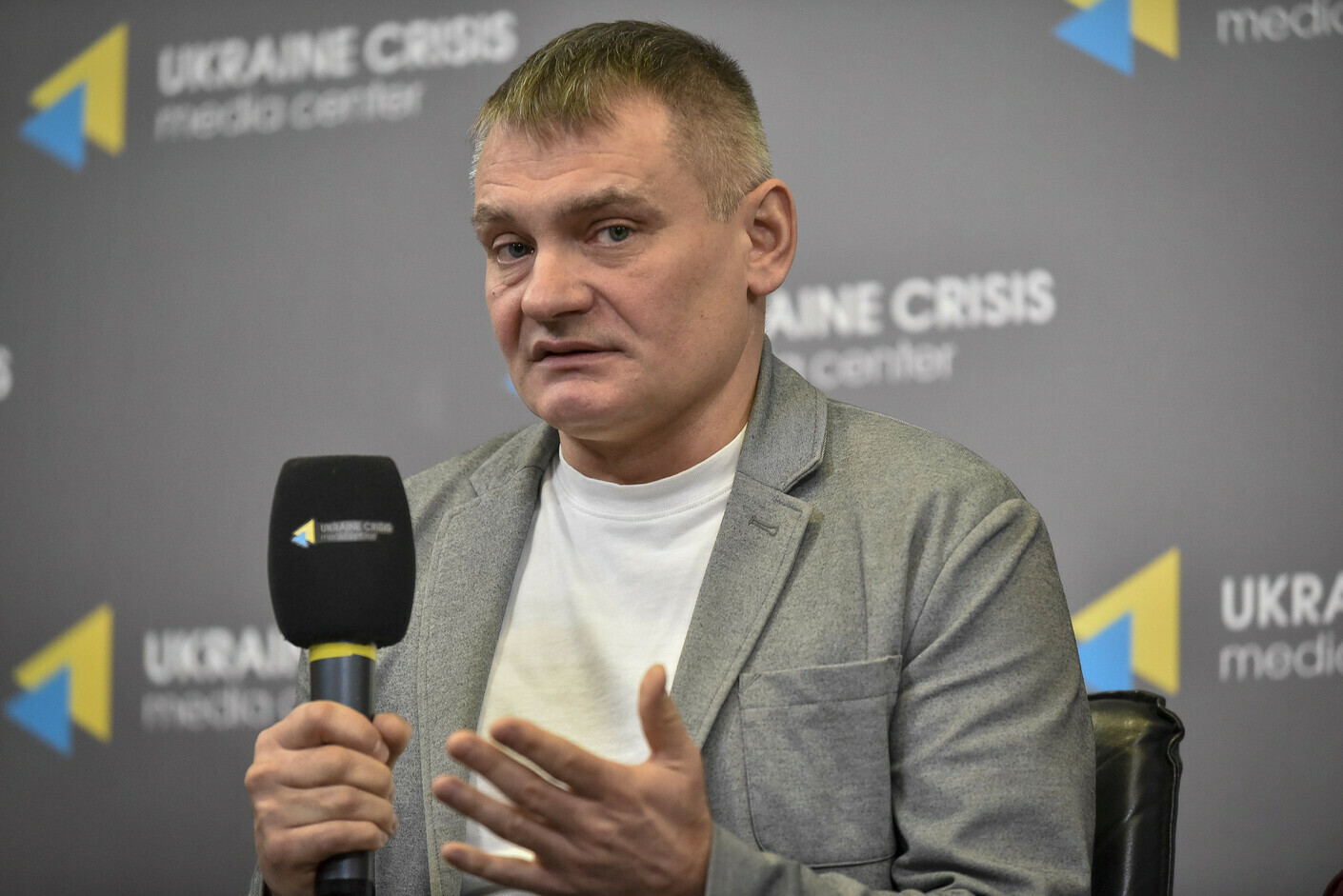
Taras Dobrivskyi, Executive Director of the All-Ukrainian Association of Amalgamated Territorial Communities, emphasised that education is ‘the capacity of our country now and in the future’. He expressed his support for plans of DECIDE to study inter-municipal partnerships, and said he hoped the reform would contribute to balanced development:
‘We would like the reform not to contribute to greater urbanisation, so that rural communities do not lose their population.’
The DECIDE and KIIS study is an important tool for decision-making at all levels of government. It provides reliable data for adjusting reforms, reducing the administrative burden on teachers and principals, enhancing communication and optimising the potential for cooperation between communities.
18 June 2026
Проєкт DECIDE – партнер Фестивалю «Вчителі майбутнього»
Проєкт DECIDE – партнер Фестивалю «Вчителі...
18-19 червня у Львові відбудеться Фестиваль «Вчителі майбутнього», який збере освітян, управлінців, експертів,...
18 June 2026
Уряд затвердив Середньостроковий план пріоритетних публічних інвестицій держави на 2027–2029 роки
Уряд затвердив Середньостроковий план...
Кабінет Міністрів України затвердив Середньостроковий план пріоритетних публічних інвестицій держави на 2027–2029...
18 June 2026
Місто в руїнах, громада в строю: як Куп’янськ бореться за своє майбутнє
Місто в руїнах, громада в строю: як Куп’янськ...
Керуючий справами виконавчого комітету Куп'янської міської ради Віталій Саяпін про те, як його громада складає дрони,...
18 June 2026
Якість повітря і шумове забруднення: що потрібно знати громадам у контексті євроінтеграції
Якість повітря і шумове забруднення: що...
30 червня відбудеться п’ятий вебінар серії EU Local Talks - «Довкілля і зміна клімату: від європейських вимог до...