How the Belgian City of Mechelen Builds Multidimensional International Partnerships
In Mechelen, international cooperation is about more than sister-city relationships or applications for European funding. The city builds it as a network of long-term connections among municipalities, municipal services, businesses, educational institutions and civil society organisations. European projects, in turn, help turn these connections and local needs into practical solutions.
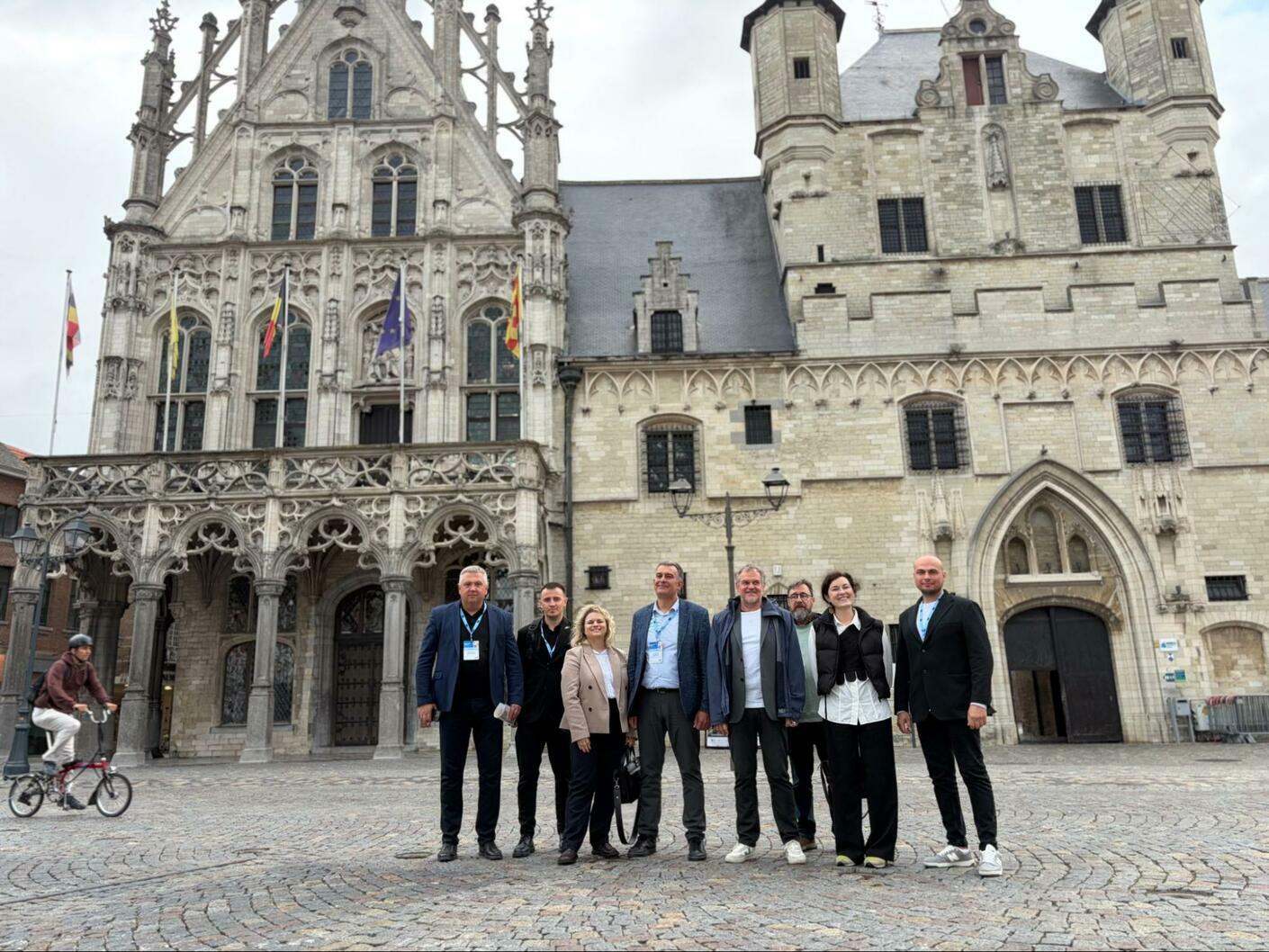
Representatives of four Ukrainian municipalities explored how this system works during a study visit to Mechelen as part of Cities4Cities Mentorship within the Polaris Programme “Supporting Multilevel Governance in Ukraine”.
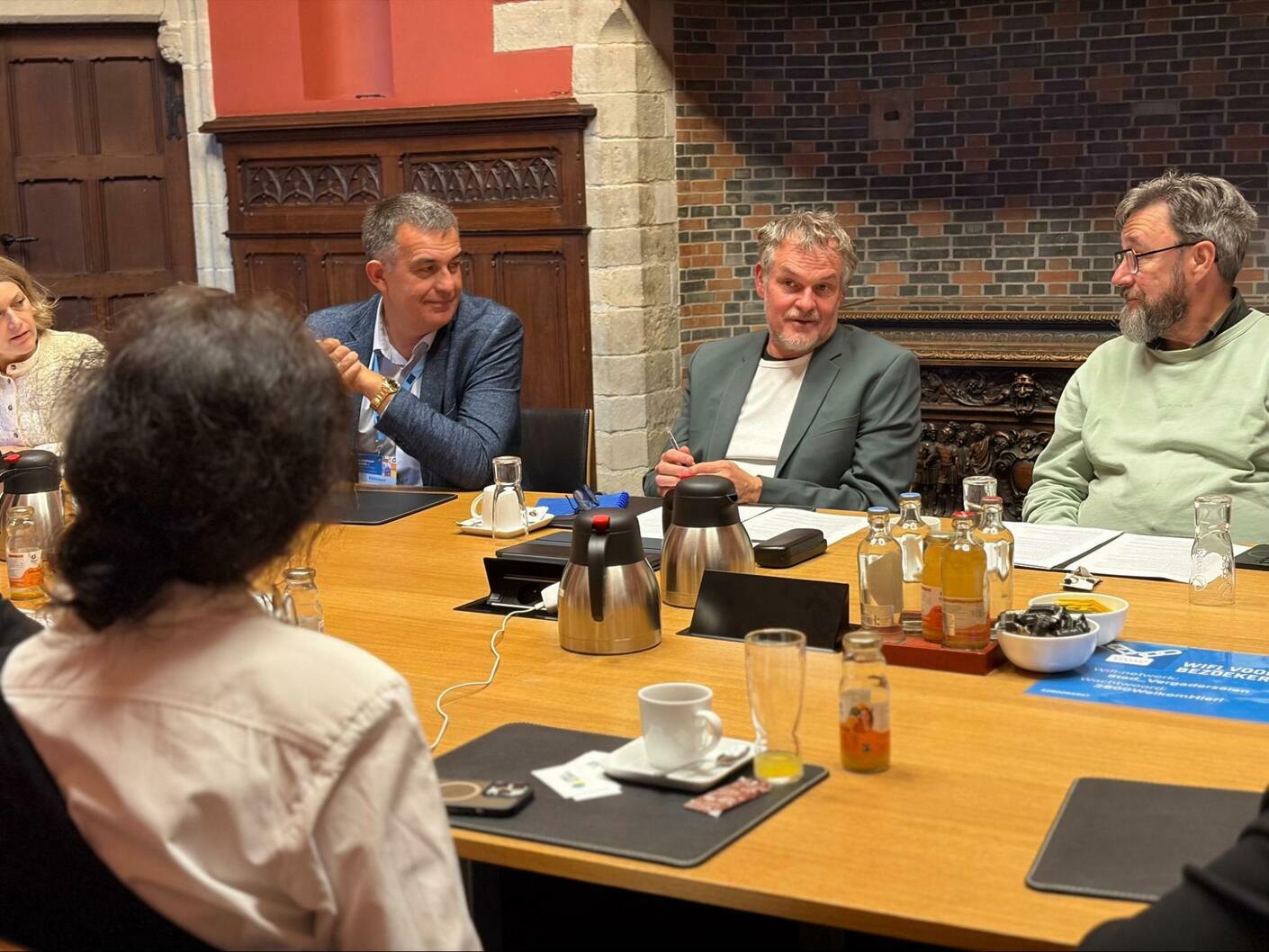
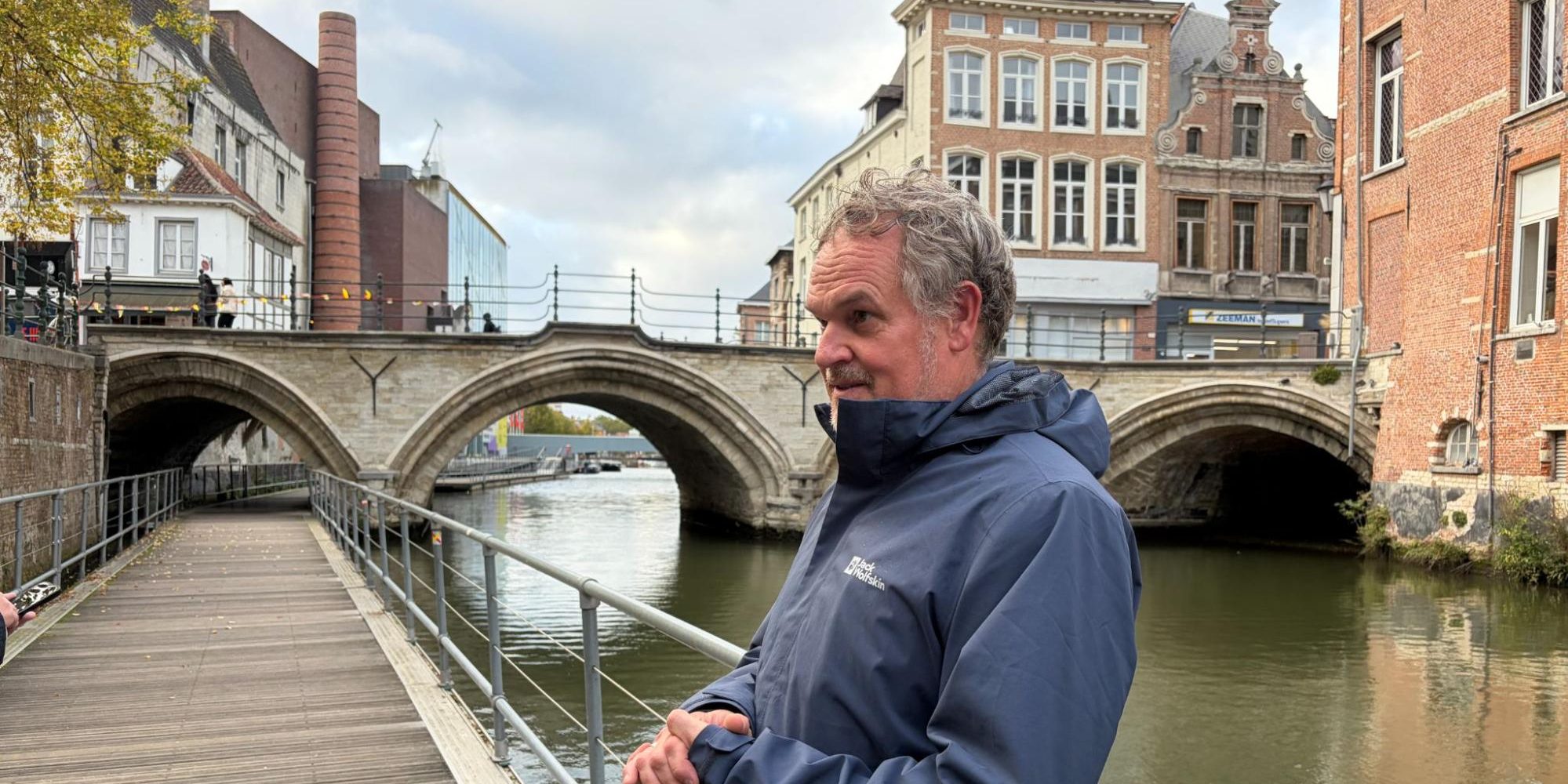
During the visit, participants discussed international partnerships, EU programmes and how this work is organised within the city administration with Patrick Princen, Mechelen’s Alderman for Global Policy and the Environment; Jan Simons, International Relations Coordinator; and Jan-Pieter Biesemans, a member of the city’s municipal executive staff. They continued part of the conversation while walking through the city, visiting public spaces being transformed through European projects.
Bringing the River Back into the City
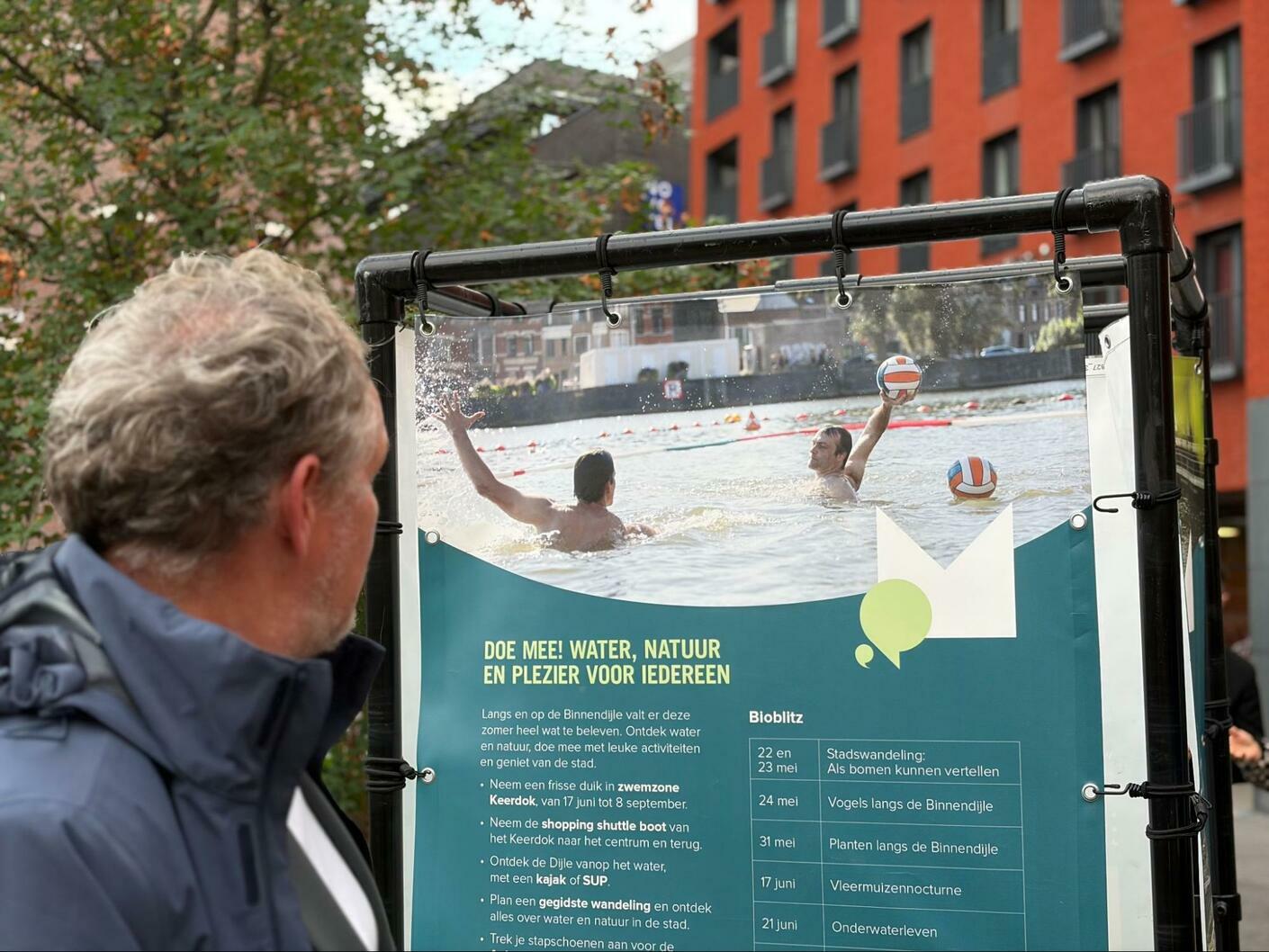
One such project is WATSUPS (Water As The Source of Urban Public Space), which Mechelen is implementing with support from the European Urban Initiative under the New European Bauhaus.
Mechelen is becoming more densely populated, its population is growing, and open public space is in short supply. Earlier urbanisation and industrialisation also reduced water quality in the River Dijle and harmed aquatic biodiversity. Climate change has increased the city’s exposure to heat and flooding risks.
WATSUPS aims to make water part of city life again: creating a blue-green corridor along the Dijle, restoring natural riverbanks and biodiversity, and improving public spaces and access to the water.
The project also stands out for the way it involves residents. The “voices” of nature – birds, fish, insects and plants – were symbolically included in discussions, while proposed changes were presented using visual tools, including VR and AR. The European Urban Initiative has specifically highlighted Mechelen’s approach to public participation.
“In European Union projects, it is important to be innovative while also understanding European priorities, such as the Green Deal, climate change adaptation and resilience. The better you understand how people think at the level of EU programmes, the greater your chances,” Patrick Princen explained.
Three Sister-City Partnerships and a Much Wider Network
Mechelen has just three sister cities: Lviv in Ukraine, Dijon in France and Helmond in the Netherlands.
At the same time, the city’s international network is much wider. Mechelen works with other municipalities through European projects, professional networks and thematic initiatives.
The partnership with Lviv shows how this cooperation can gradually extend beyond contacts between city halls. Mechelen has sent equipment and supplies to Lviv on several occasions. Police officers and firefighters from the two cities have also visited one another for professional exchanges.
Sports clubs and civil society organisations are involved too. Rotary Mechelen supported training for Ukrainian athletes with disabilities, and in October 2026, KV Mechelen and FC Karpaty Lviv played a charity football match. Proceeds from ticket sales, a football shirt auction and even parking fees went to support a centre in Lviv for people who have survived captivity and torture.
Another example of the breadth of this cooperation is the Ukrainian House in the heart of Mechelen, on the main square beside City Hall. Ukrainians meet here, weave camouflage nets, collect donations and teach children the Ukrainian language.
“We learn as much as we give. Lviv has unique expertise in resilience, crisis management, prosthetics and rehabilitation,” said Patrick Princen, Mechelen’s Deputy Mayor.
In October 2026, Mechelen’s Mayor, Bart Somers, received the “Ambassador of City Friendship” Award from Cities4Cities. He did not stop at cooperation with Lviv. The Mayor of Mechelen also encourages his colleagues to establish new partnerships with Ukrainian cities.
For example, Bart helped connect the Belgian municipality of Merelbeke-Melle with Kalush. Today, the two municipalities have a formal partnership focused on practical, long-term cooperation. Merelbeke-Melle, in turn, has taken up the baton and is introducing other municipalities to Ukrainian communities.
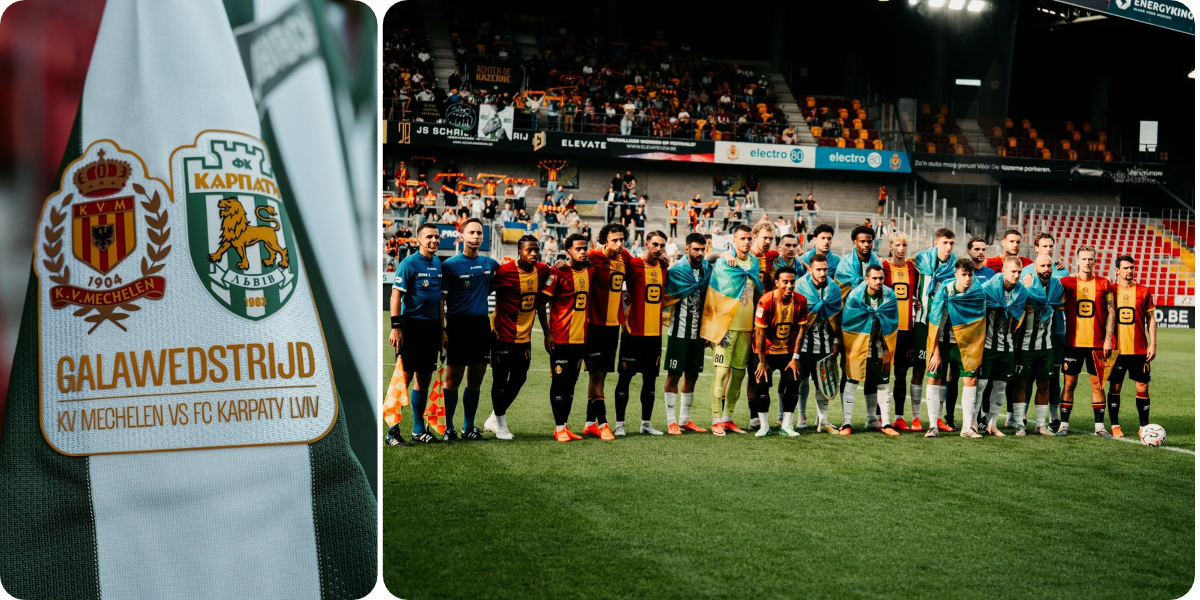
Friendly football match between KV Mechelen and FC Karpaty Lviv. © Stad Mechelen, KV Mechelen
From First Contact to Partnership
In Mechelen, the advice is to start international cooperation not with an abstract “we are looking for a partner”, but with a specific topic or need.
This could involve cooperation between fire services, public safety, energy, healthcare, education or another area. It makes it much easier for a potential partner to understand whether they have relevant experience and who should be involved in the conversation.
It is also important to have a dedicated partnership coordinator. This person stays in touch, knows the history of the agreements and remains a consistent point of contact for the other city.
Partnerships also need political support. In Mechelen, political leaders set the direction and priorities of cooperation, while the administration handles day-to-day work and can maintain relationships through elections and staff changes.
Personal contact is considered important too. Online communication is essential for everyday work, but reciprocal visits provide a much deeper understanding of a city, its people and their real needs.
From Humanitarian Aid to Long-Term Cooperation
A partnership does not have to begin with a large joint project.
The first result might be donated equipment, a professional exchange or a joint event. But Mechelen also advises thinking about the longer term – connections between municipal services, joint training, projects and lasting professional relationships.
“It is important to think not only about this moment, but also about how we can work together in the future, when there is peace. It is good to have this connection already, so that we can continue building together later,” Patrick Princen said, describing the shift from humanitarian aid to a strategic partnership.
Relationships Built Over 15–20 Years
The same logic underpins Mechelen’s work with European programmes.
According to an approximate estimate shared during the meeting, the city prepares around 10–15 project applications each year, about half of which receive funding.
Behind this is an international network built over some 15–20 years. When a new call for proposals opens, Mechelen does not always need to start by searching for an unfamiliar partner. Cities and organisations already know one another through previous projects, professional networks and exchanges.
Who Works with European Programmes in Mechelen?
Work with European programmes is coordinated by the strategy unit within the office of the city administration’s Director-General.
The team has three members, two of whom are grant funding specialists. They monitor funding opportunities, maintain the city’s European network of contacts and work with relevant departments to turn local ideas and challenges into project applications.
Once funding is secured, the project does not remain with this team. The relevant department takes responsibility for implementation and reporting, while the European programmes team continues to provide support. This way, knowledge and experience are built up within the city administration.
What Happens After a Grant Ends?
Many European projects last two, three or four years. After that, external funding comes to an end.
In Mechelen, these projects are seen as opportunities to test new solutions. If a solution works, the next step is to integrate it into the city’s regular operations or use the experience gained in future projects.
That is why international partnerships, professional contacts and European projects are closely connected in Mechelen. A connection between cities can lead to a professional exchange, an exchange to a joint application, and a project to new skills within the municipality and new relationships for future cooperation.
Snizhana Palazhchenko, Capacity Building Expert at Cities4Cities
This article was prepared by Cities4Cities within the Polaris Programme “Supporting Multilevel Governance in Ukraine”.
Tags:
international experience international support partnership
Source:
Cities4Cities
10 November 2026
Працівники військових адміністрацій населених...
Урядовий законопроєкт № 15543 має врегулювати правовий статус працівників військових адміністрацій населених пунктів,...
10 November 2026
Зростання видатків громад на зарплати не завжди є наслідком їхніх рішень - Віталій Безгін
Зростання видатків громад на зарплати не завжди...
Збільшення видатків місцевих бюджетів на оплату праці не завжди свідчить про зростання витрат на утримання апарату...
10 November 2026
Громадам потрібні не нові органи влади, а...
22–23 жовтня у Львові відбувся ІІІ Міжнародний форум агломерацій в Україні. Його головною темою стала співпраця...
10 November 2026
Мінрегіон планує до кінця року розпочати проєкт...
Мінрегіон планує до кінця року розпочати проєкт «Держава поруч. Старости» для покращення доступності послуг у...