How to keep youth in the village? Experience of Keretsky community
How Keretsky community in Zakarpattia region seriously approached career guidance for young people, and what the results were
By Dmytro Syniak
Russian drones and missiles do not reach Keretsky community, so it is relatively safe to live there. Although air-raid sirens do sound here too – during which people are required to go tobomb shelters – and many young people have taken up arms here to fight the enemy. Most importantly, the war has worsened the already less-than-optimistic demographic situation. The fact is that the entire territory of Keretsky community is mountainous. And however beautiful the mountains may be, life there has always been difficult. Meanwhile, Poland, Hungary, and Slovakia, with their high wages, are a tempting prospect just a stone’s throw away. Therefore, Keretsky community has identified maintaining its population as one of the strategic priorities of its work, establishing a strong system for engaging with young people to this end.
‘It may sound like a cliché: “young people are our future”, but for us it is almost like a motto,’ Mykhailo Mushka, Head of Keretsky community, tells Decentralisation. ‘Our most valuable asset is not nature, nor even business, but the 1,600 children who study in our schools and the more than 300 pre-schoolers in our five kindergartens. And we want to make every effort to ensure that these children stay not just in Ukraine, but specifically in our community.’
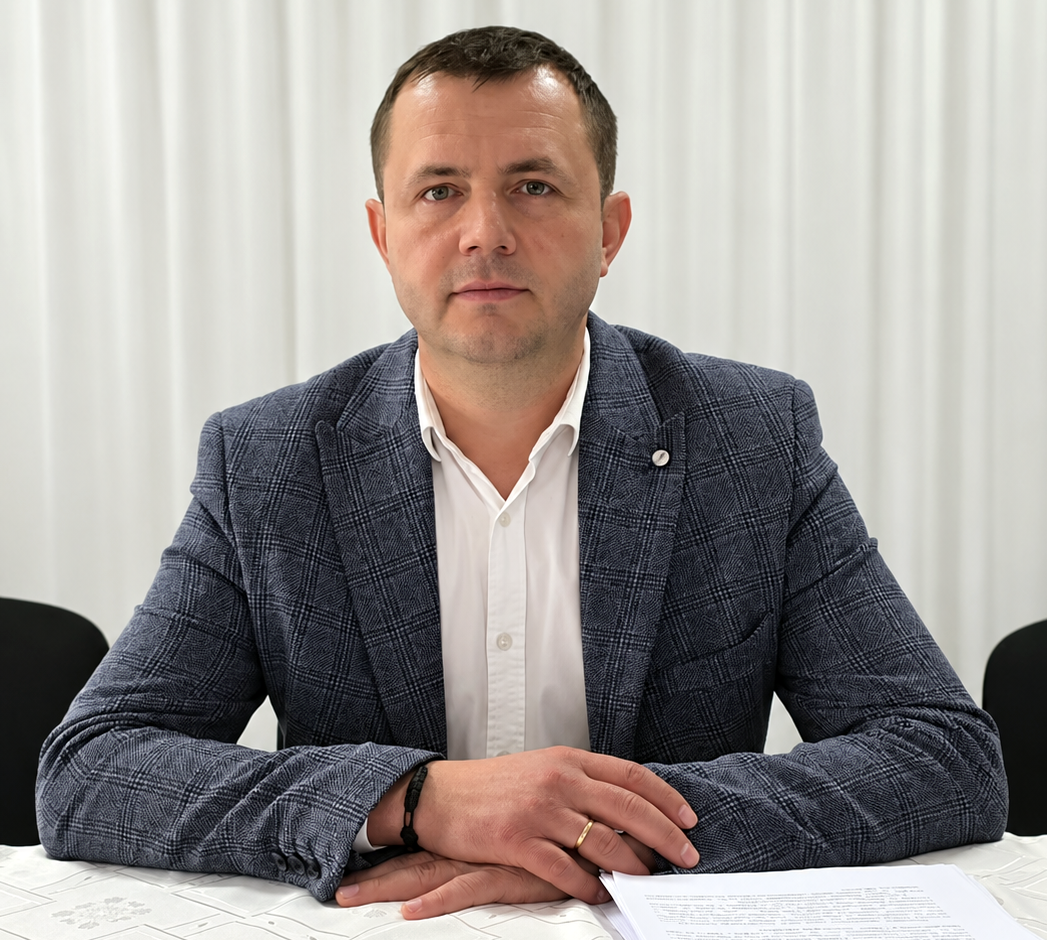
Mykhailo Mushka, Head of Keretsky community
The Keretsky Village Council has been working with young people for a long time, and during this period it has developed a number of interesting initiatives. These comprise a range of educational, sporting, and cultural events, during which every child can realise their potential as an individual, a member of a united team, or a leader. For example, the “Vytoky” festival and competition is held here every year. During the preparations for the festival, the children become folklore researchers, perform folk dances, and sing kolomyikas (traditional songs).
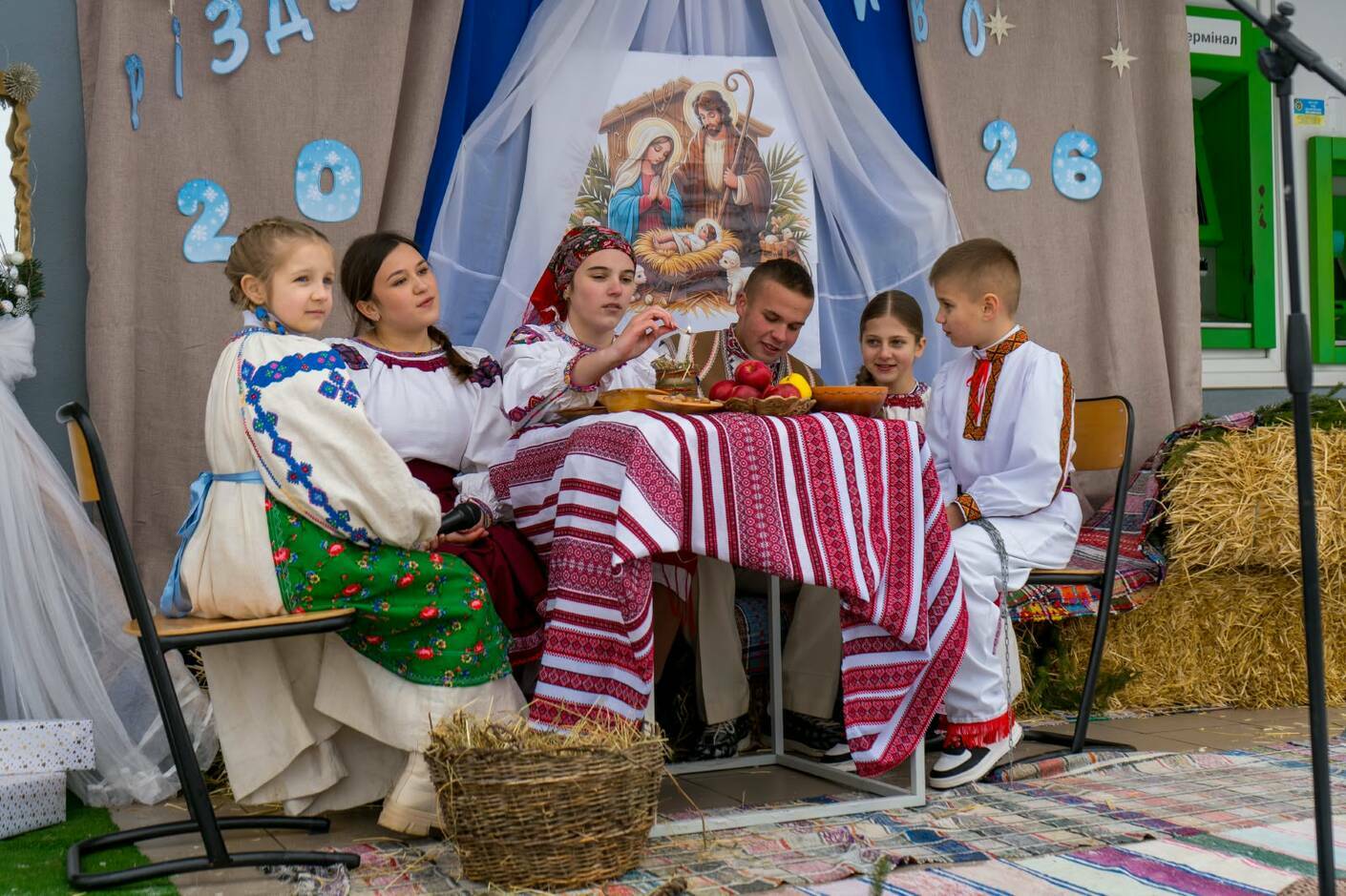
During the annual “Vytoky” festival and competition
As a result, young people actively participate in local dance studios, present research projects on folklore at different regional and national competitions organised by the Junior Academy of Sciences, and compile folklore collections from their home villages.
Every March, during the Shevchenko Days, the community hosts a competition for young reciters, as well as theatre and art competitions, which help to identify talented reciters, presenters, actors, directors.
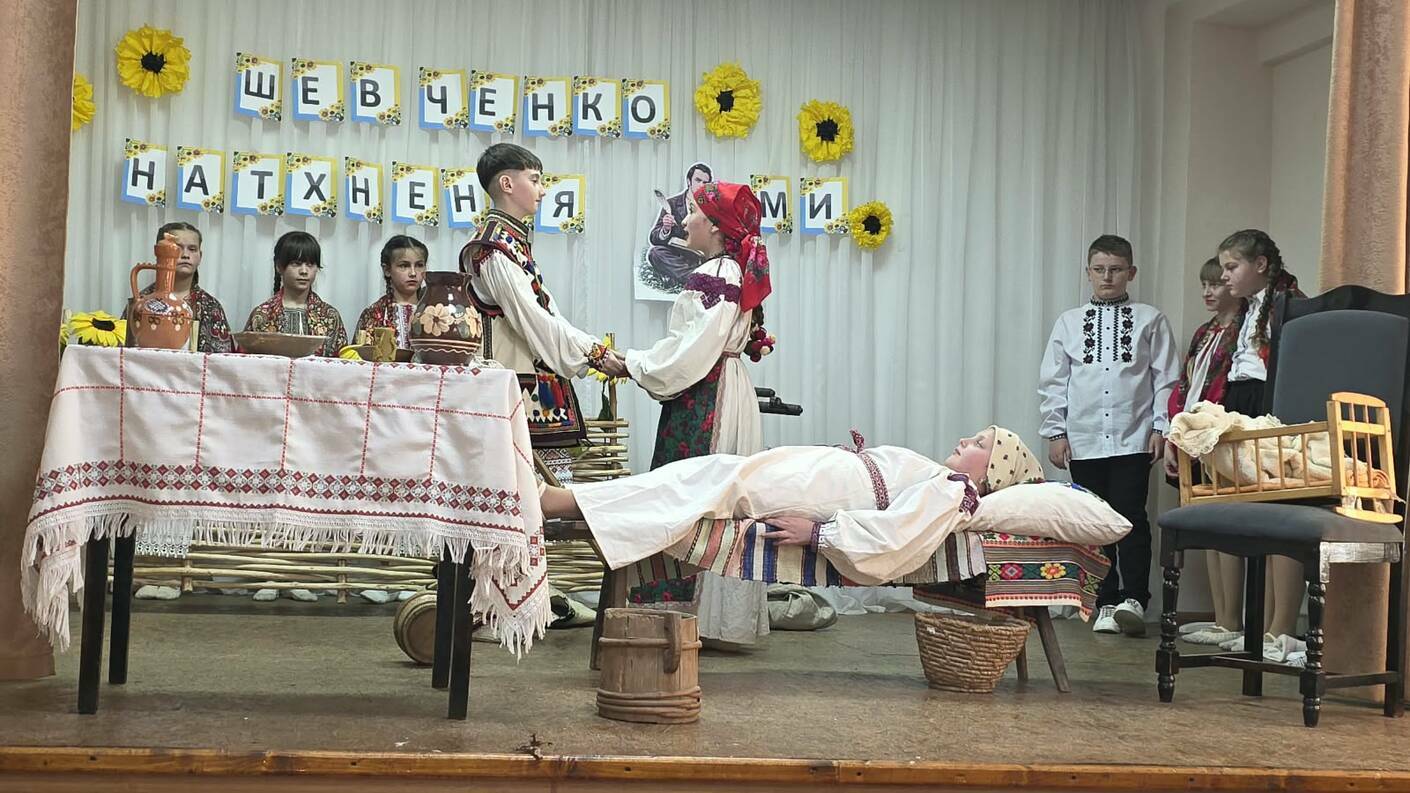
“Shevchenko. Inspiration. Us.” Festival in Keretsky community. A theatrical production of the play “The Servant-Girl”
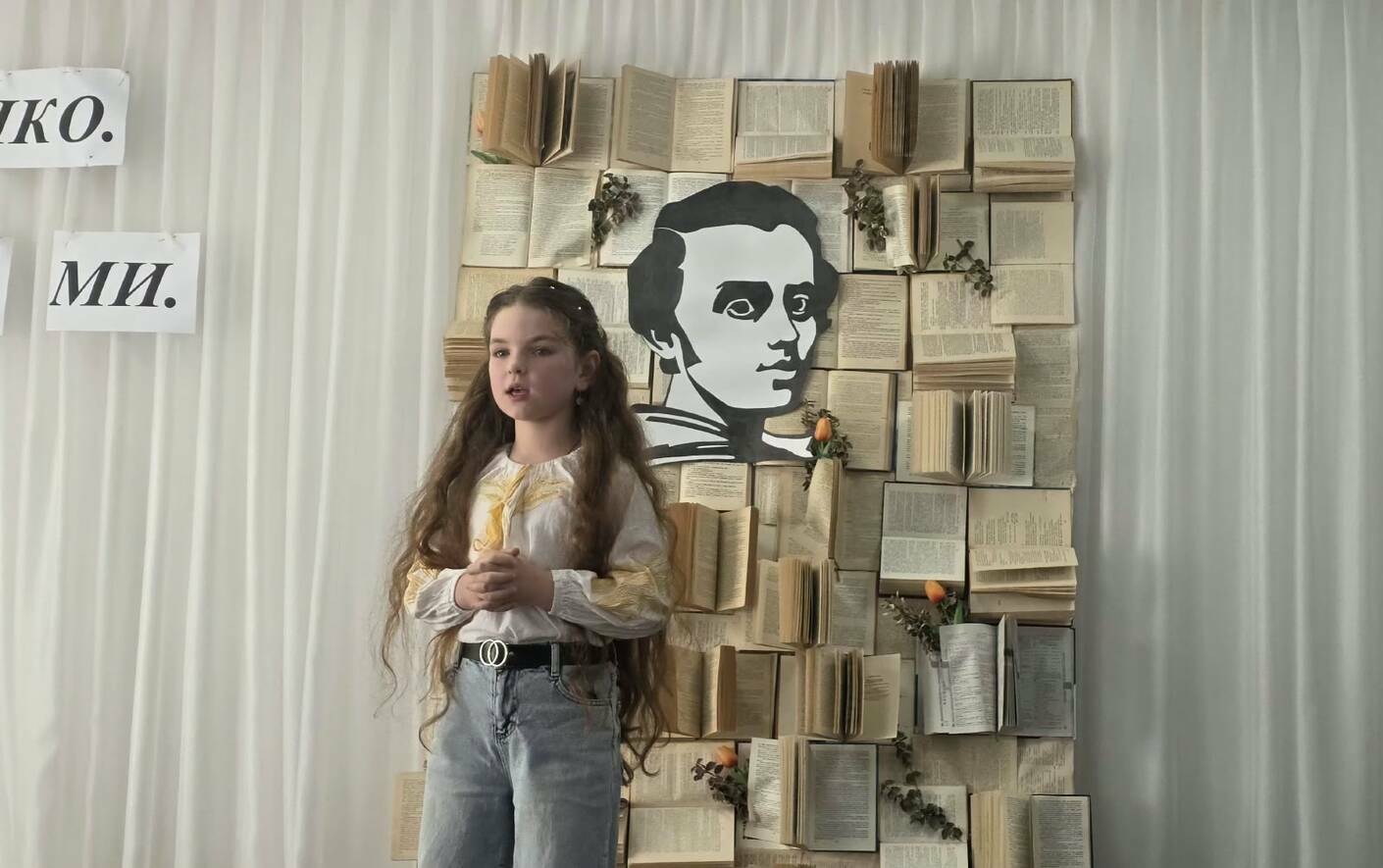
Shevchenko poetry recitation competition
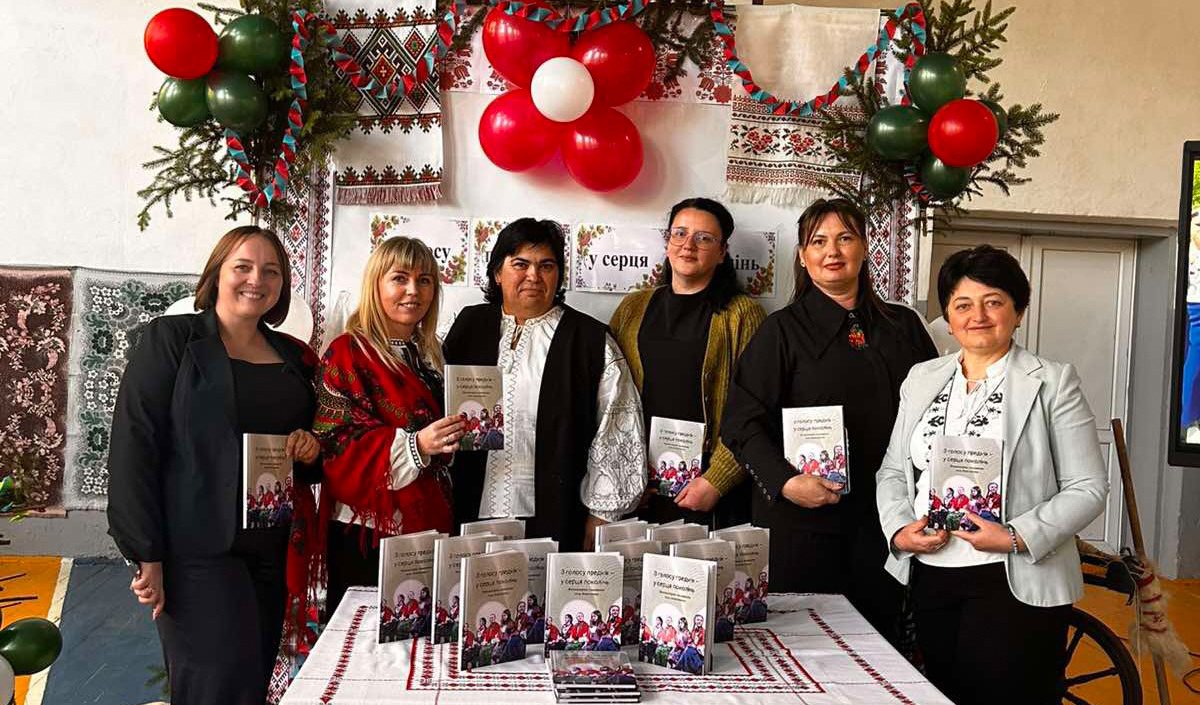
Presentation of the folklore anthology “From the Voices of Our Ancestors – To the Hearts of Future Generations”
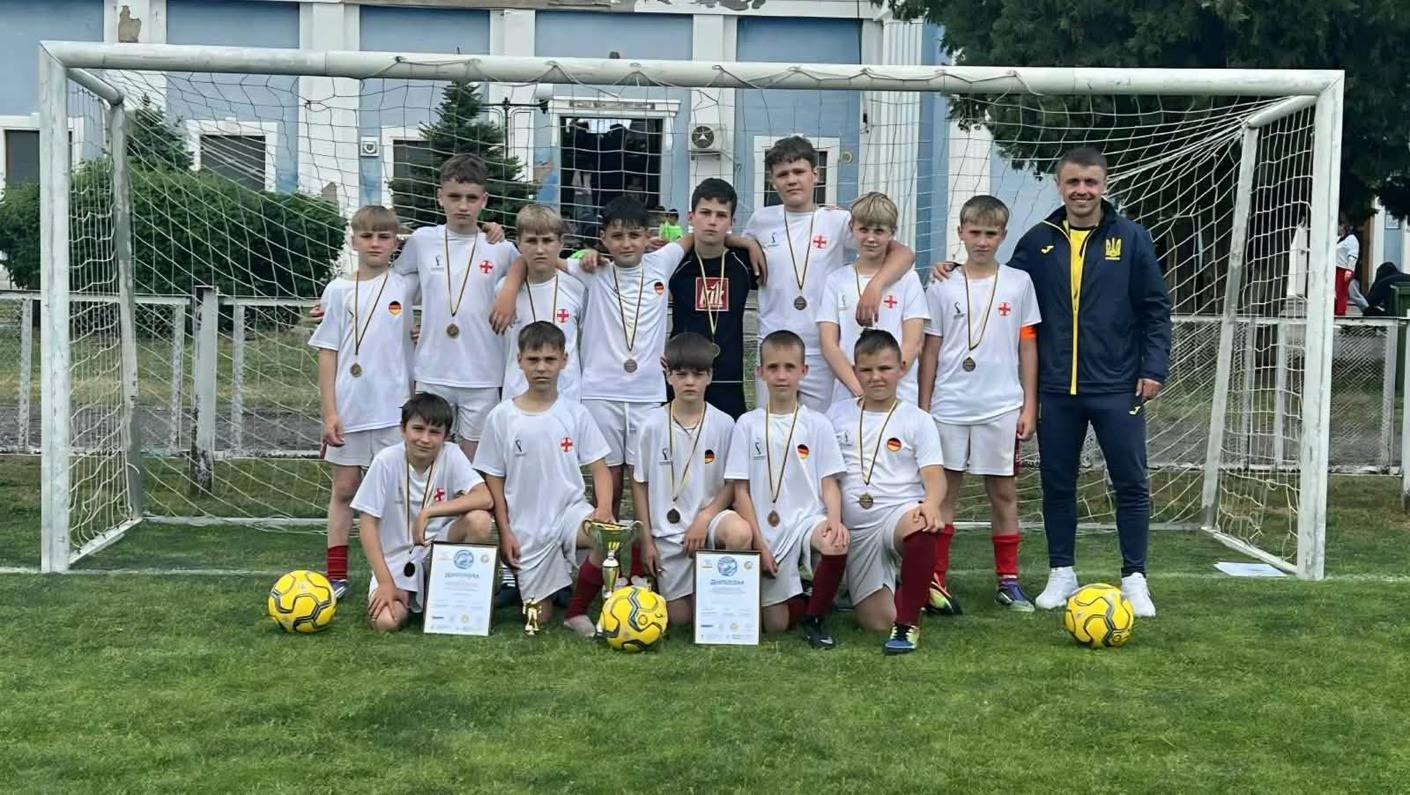
Winners of the “School Ball” regional football competition
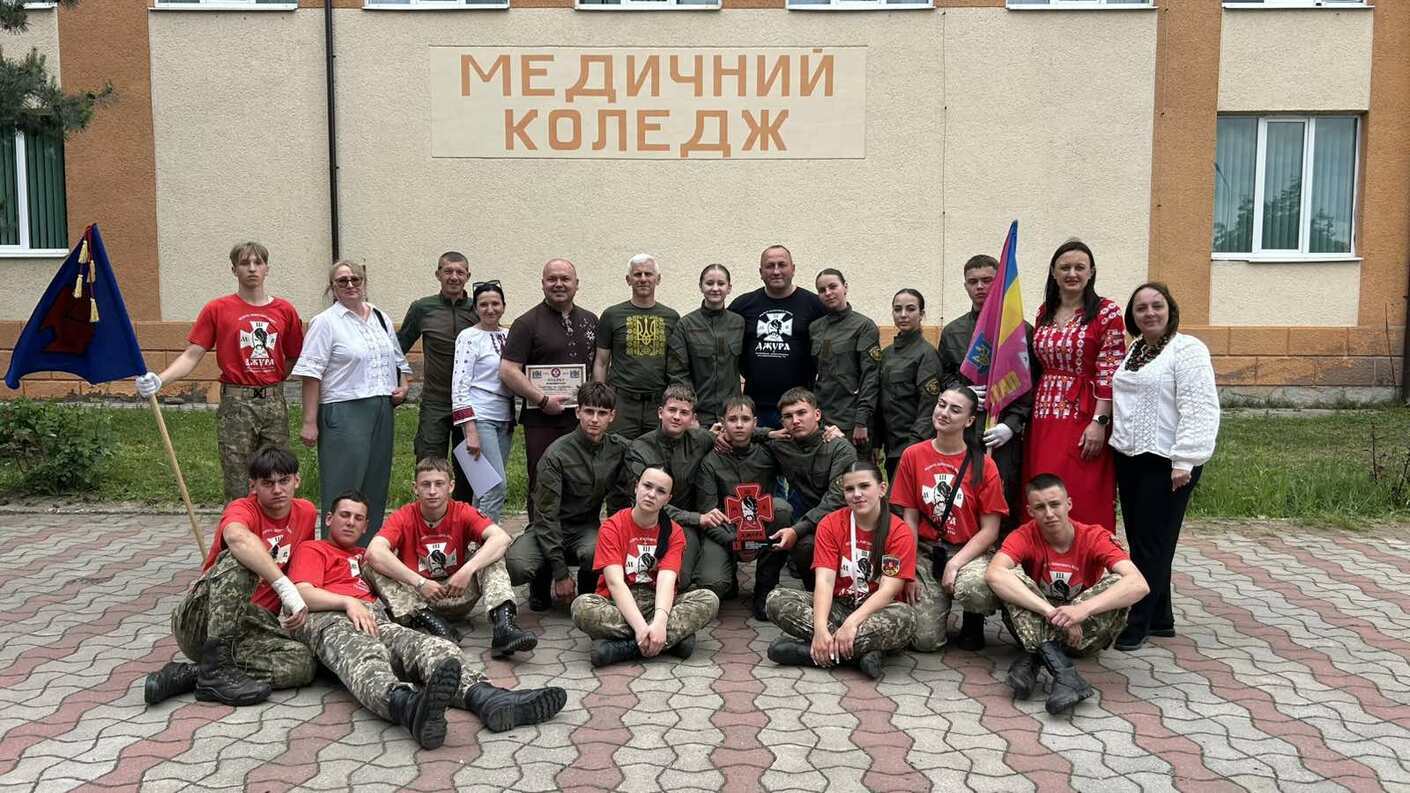
Winners of the regional stage of the All-Ukrainian children’s and youth military-sports game “Sokil” (“Dzhura”) – Keretsky community team
Every year, the community also hosts a sports festival with twelve different sports for young people of different age groups, and every month there are intellectual competitions that give children the opportunity to discover their talents in different fields of science.
Moreover, the village council has introduced a financial support programme for children who achieve high academic results and are winners of numerous intellectual, artistic, and sporting competitions and contests.
Most importantly, the village council has a youth council which actively organises sports festivals, film screenings, concerts and, above all, a variety of educational projects for young people. One of the areas of the youth council’s work involves drafting project proposals and seeking sponsorship funds to implement their own initiatives. For example, the young people themselves implemented a project to build a beach volleyball court, for which the village council allocated UAH 50,000, with another UAH 20,000 provided by local businesses. But the most important thing was that much of the work was done by young volunteers themselves.
‘Through these steps, we give children an understanding that they are needed by society here, not abroad,’ continues Mykhailo Mushka. ‘We must have faith in Ukraine and not assume that everything is better elsewhere. Many of our people living in foreign countries have realised that this is far from the case.’
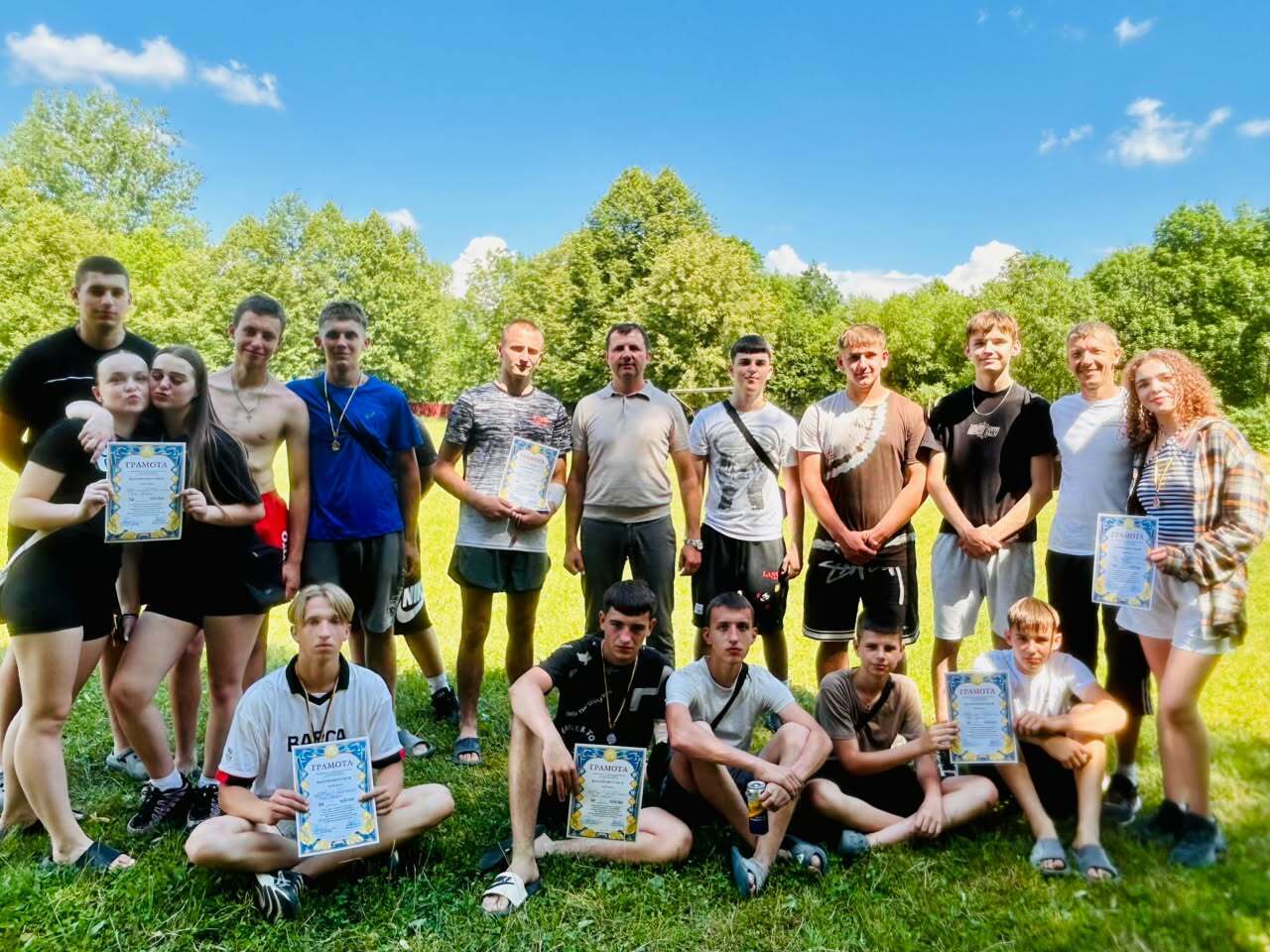
After the first beach volleyball competition on the new court
For decades, one of the community’s main problems was a shortage of skilled workers. Recognising this issue, the community leadership decided to focus on career guidance for young people. This approach is already beginning to bear fruit.
Back in 2021, Kushnytsia educational institution, in cooperation with the education department, launched the “Building the Future in Ukraine” initiative. This later enabled young people in the community to take part in a pre-pilot project on career guidance organised by the Ministry of Education of Ukraine and the Swiss-Ukrainian DECIDE Project. Within the framework of the project, a Career Guidance Plan for 2026–2027 was approved, career counsellors and career coordinators for the school were appointed, and a community career coordinator was also appointed. All adult participants in the initiative took their new responsibilities extremely seriously, even though they had to work on a voluntary basis.
As part of this project, from January to May this year, students in Grades 8–9 at the Kushnytsia Lyceum in Keretsky community attended lessons in the JOBS course. This was preceded by training for teachers and school leaders. Following the theoretical lessons, five excursions were organised for over 80 schoolchildren to local businesses, as well as higher education and vocational colleges in the region.
‘We have set ourselves the aim of introducing children to precisely those professions that we are currently short of and which we are likely to be short of in the future,’ says Hanna Ostolosh, Head of the Department of Education, Youth, Sport, Culture and Tourism of Keretsky community. ‘These include teachers, medical professionals, lawyers, chefs, seamstresses, mechanics, welders and many more. We realise that if we tell children today about the professions in which they can fulfil their potential in our community, we can count on them working here in the future.’
So, the schoolchildren visited a trout farm, a woodworking factory, the Zakarpattia Regional Court of Appeal and the Svaliava Vocational and Technical College.
‘As a result, many children have decided to enrol in vocational colleges,’ says Hanna Ostolosh. ‘Several children have decided to become chefs, because we explained to them how the school canteen works and the challenges posed by the school nutrition reform. We will be able to hire them as early as next year. All thanks to the DECIDE Project.’
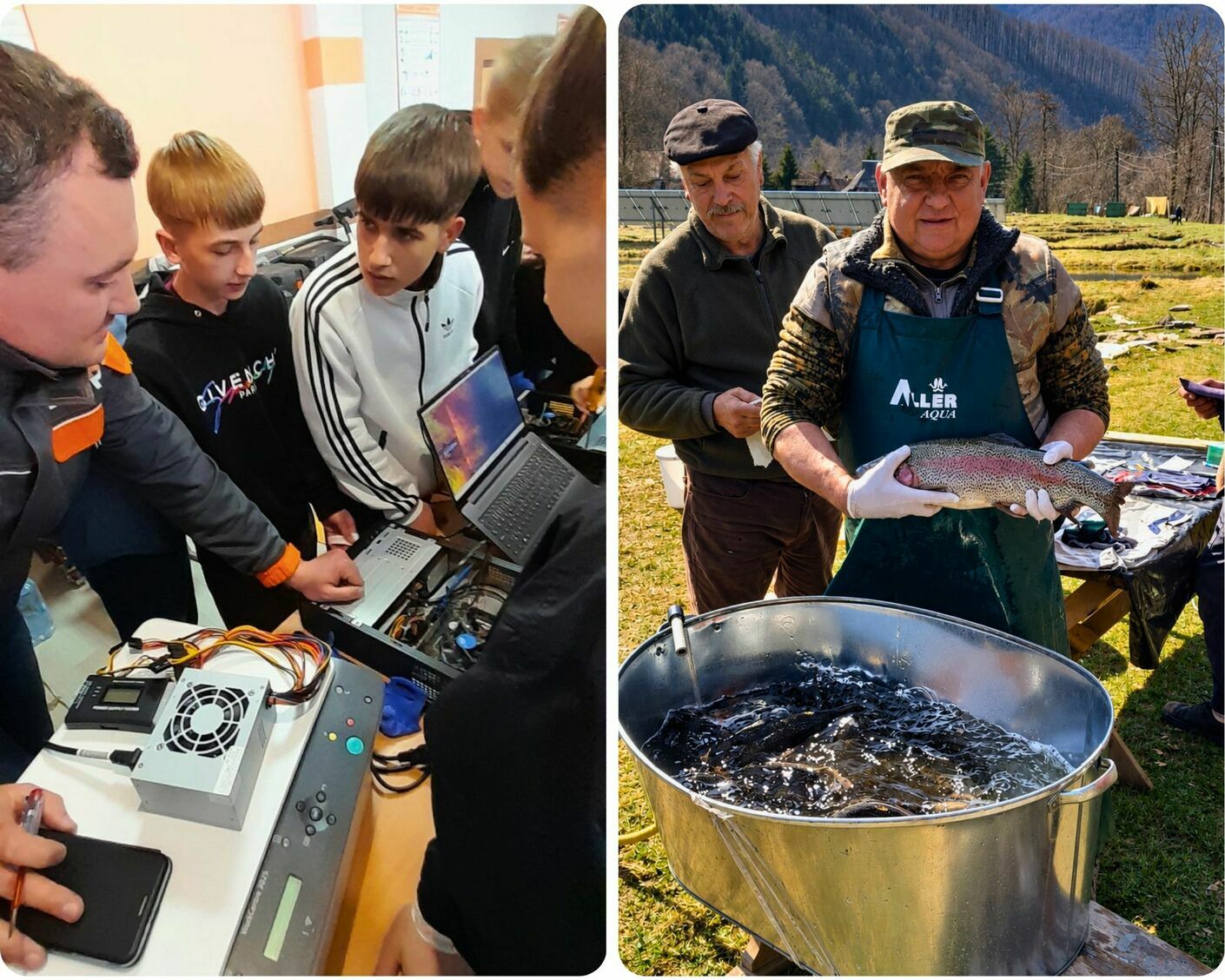
Excursion to Svaliava Vocational College (photo on the left). Excursion to the “Eco-Pstruh” trout farm (photo on the right)

Anna Mazuryk, a student at Mukachevo Vocational College, studying for a qualification in “Cooking”
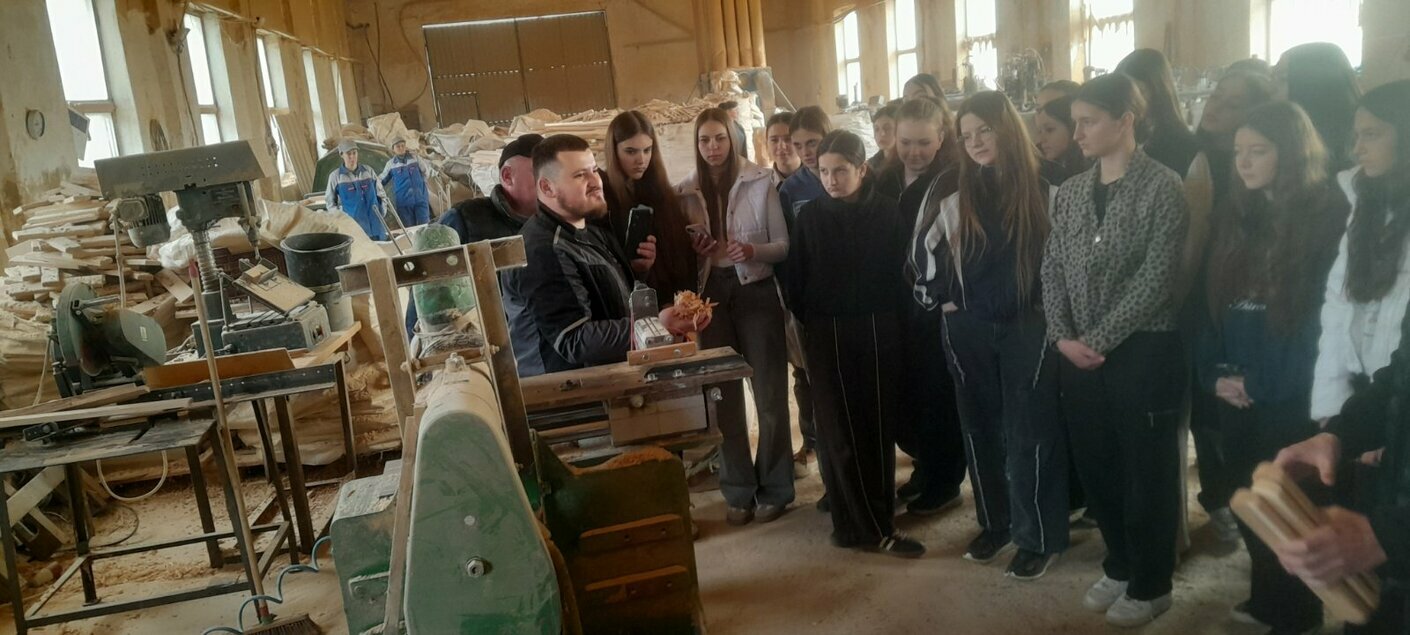
Excursion to Mykhailo Sabov’s woodworking enterprise
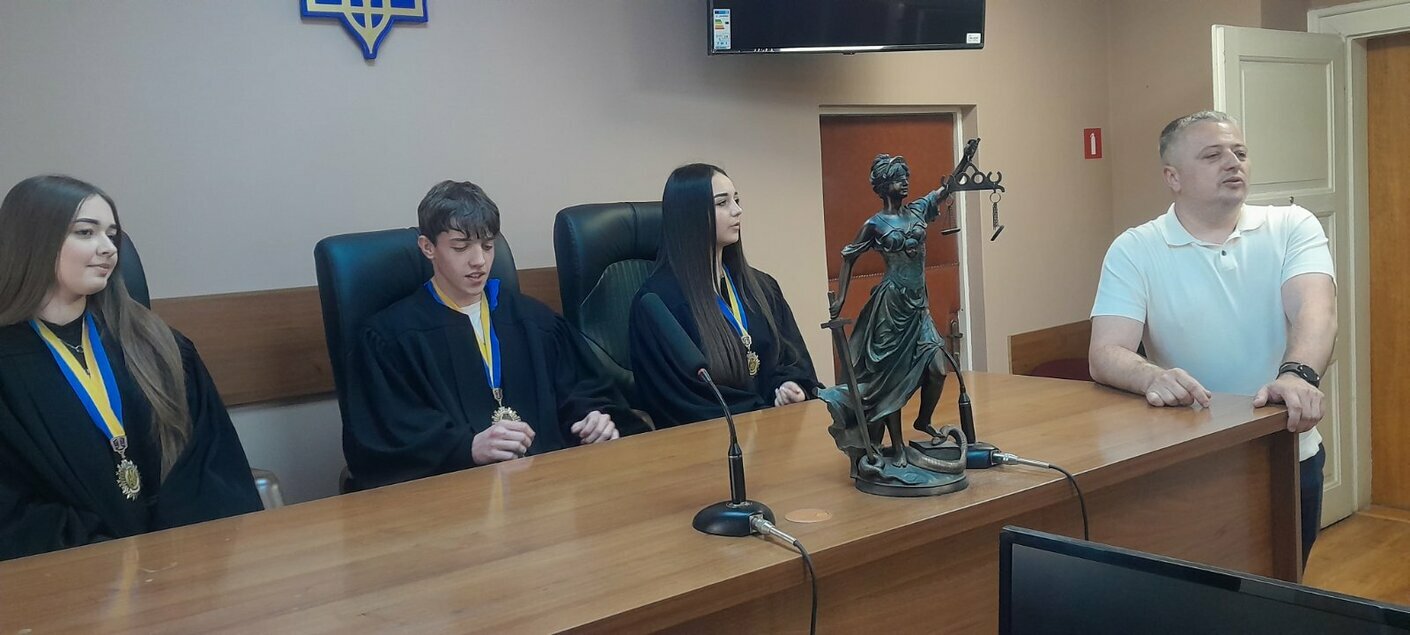
Excursion to the Zakarpattia Court of Appeal
This year, in addition to the Kushnytsia Lyceum, three other schools in the community – in the villages of Keretsky, Bereznyky, and Lysychevo – have joined the JOBS course. The JOBS course began in their Grade 8 in September, and excursions to local businesses will start at the end of October.
‘In 2022, we had neither an architect nor an administrator, nor enough staff for our social centres, but now we do,’ says Mykhailo Mushka. ‘And these are young, motivated, educated people. I am proud of them! Moreover, an increasing number of our children are enrolling in local educational institutions and then going on to work in the community or, at the very least, in the region.’
Interestingly, the community’s direct investment in the project was fairly modest: a one-time bonus for teachers at the end of the four-month course, equivalent to one month’s salary, as well as transport for the children to the excursion destinations. Everything else was organised on a voluntary basis, including the work of the careers counsellors.
‘This is an incredible initiative!’ says Ms Hanna enthusiastically. ‘Although it would be impossible without enthusiastic teachers who love children, love their profession, and are prepared to devote their time to giving children the opportunity to fulfil their potential.’
The Swiss-Ukrainian DECIDE Project has launched a competition to create a careers guidance hub. The competition is currently underway, but Hanna Ostolosh hopes that the lyceum’s team will be selected and that the hub will be opened at the Kushnytsia educational institution itself.
‘It will be a space where careers councellors will be able to hold meetings with people from specific professions,’ says Ms Hanna. ‘There will also be simulators for different trades, such as a welding simulator and a driving simulator. Children will also be able to try their hand at being photographers, cameramen, journalists, editors and so on. Another area of this hub will focus on sewing and design, featuring sewing machines and mannequins for creating clothes. To make this happen, the children will need adult support, and we have already signed more than 15 memoranda of understanding with businesses, under which these companies will contribute to the work of such career guidance locations.’
Keretsky community is also currently working on setting up a STEM education centre, for which it has secured UAH 6 million in state funding. The “Defence of Ukraine” centre, which has received over UAH 3 million in funding, is already fully operational, as is the multi-purpose facility in the village of Bereznyky.
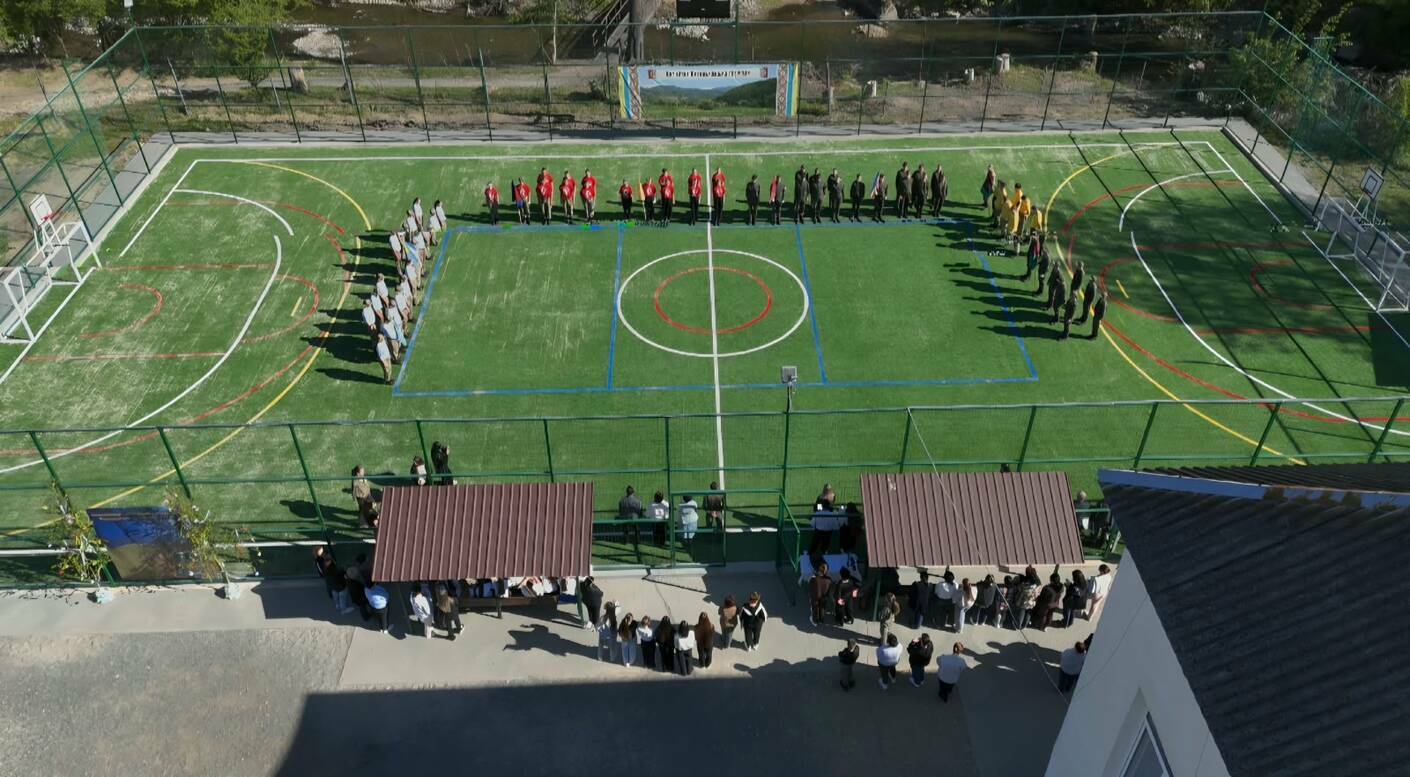
Opening of a sports ground in Bereznyky, Keretsky community
The results of this work are already evident. Indeed, many adults have begun to see a future for their children and bring them back from educational institutions abroad to local schools.
‘People have seen for themselves that both our education and healthcare systems are in many ways better than those in the West,’ says Mykhailo Mushka. ‘And, most importantly, here at home there are incomparably greater opportunities to fulfil your potential and acquire everything you need for relatively little money. In fact, many internally displaced people who settle here understand this too. They see a future here, and this very outlook is the main result of our work. These people will no longer want to go anywhere else. Our community will become their new home, even better than their previous one.’
26 October 2026
Мобільність без кордонів: як громадам з’єднати транспорт, дані й фінансування
Мобільність без кордонів: як громадам з’єднати...
Мобільність не закінчується на межі громади, але транспортні системи часто залишаються розділеними між містами,...
26 October 2026
Стратегічне мислення, сталий розвиток і...
Фото SKEW ( Engagement global) Муніципальні партнерства є дієвим інструментом євроінтеграції України. Це...
26 October 2026
Locally-Led Recovery: Polaris Experts Present...
On 20–21 October, a launch conference was held in Lviv, during which eight hromadas joined the Polaris Programme as...
26 October 2026
III International Forum on Agglomerations: How communities in Europe address common challenges
III International Forum on Agglomerations: How...
Residents commute between communities for work and study, and use shared transport and engineering infrastructure....